






Buyer's Guide
5/26/2026
Contents
Products
Residential Lawns



Explore
Where to Buy


Rear wheel drive push mowers stay more stable on bumpy lawns and steep sections. Some models focus on raw gas power for large yards, while others prioritize quieter battery operation or simpler handling for everyday mowing. If regular mowing still feels like too much work, newer robotic mowers with rear-wheel traction can manage challenging terrain with far less hands-on effort.
A rear wheel drive push mower offers superior traction. Even when the front wheels lift slightly during turns, it continues pushing. This makes it suitable for lawns with hills or rough patches. This guide reviews the 5 top-performing models from different aspects. Keep reading to find a reliable solution that simplifies your specific mowing task.
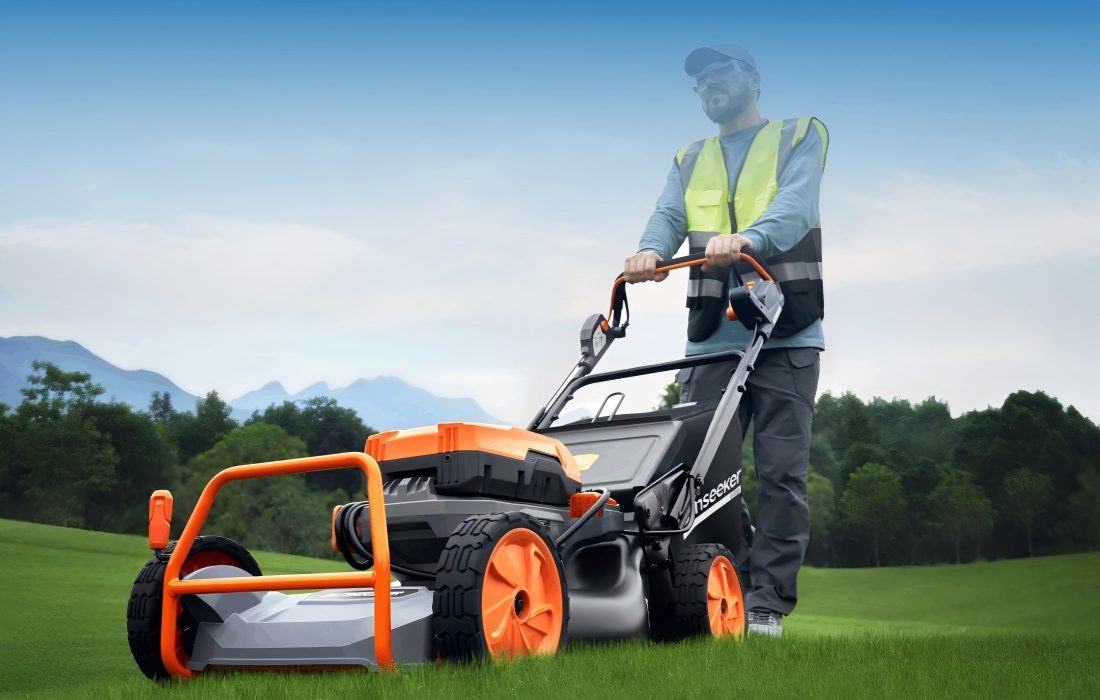
A rear-wheel-drive lawn mower is a walk-behind mower. Unlike traditional push mowers, which rely entirely on human effort for propulsion, this type falls into the self-propelled category. During operation, the engine’s power is transmitted directly to the rear wheels, driving the mower forward while the operator steers. This significantly reduces physical exertion for the user.
Compared to front-wheel-drive models, a rear-wheel-drive system maintains superior traction when the grass collection bag becomes heavy or when mowing on sloped terrain. This can prevent the front wheels from slipping. It is ideal for large backyards, sloped, uneven lawns, or lawns with thick or damp grass.
RWD push lawn mowers satisfy various mowing needs. Some focus on cutting power, while others prioritize convenience or ease of use. We have carefully selected 5 top models to narrow down your choice.
The Honda HRX series is widely regarded as the industry standard for premium residential mowing. The deck, which applies patented Nexite, a high-impact polymer, will not rust, dent, or corrode over time. The unit also includes 7 cutting heights and a 3-position quick-release for the handle. You can easily adjust from 0.75 to 4 inches. This means comfortable, smooth, and clean cutting across different yard conditions.
Key Features
The Toro TimeMaster is designed for users who want strong cutting power and faster mowing on large lawns. Its 30-inch cutting deck cuts a wider path on every pass. This reduces mowing time by up to 40% compared to standard models. Also, its 223cc OHV engine offers high torque to maintain blade speed, which is essential when tackling tall, wet grass across expansive areas.
Key Features
The ECHO DLM-2100SP is the leading choice for those who want the power of a gas engine without the associated noise, fumes, or maintenance. It utilizes a high-efficiency brushless motor, which provides consistent torque for rear-wheel propulsion even in thick turf. The heavy-duty steel deck is another bonus for long-term use. You can rely on it as a robust, low-maintenance alternative for modern suburban landscapes.
Key Features
This DeWalt model is designed for users who prioritize ergonomics and a straightforward operational experience. The cordless design removes pull starts and fuel management. It also integrates seamlessly with a widely owned battery platform and features an intuitive dashboard. The machine is lighter than most gas counterparts. For users who find traditional mowers cumbersome to handle, it is a great alternative.
Key Features
The Troy-Bilt TB110 is the premier value selection for homeowners who need reliable rear-wheel traction on a budget. It strips away complex electronic features to focus on essential cutting performance. With 11-inch rear wheels, it provides improved traction and maneuverability on hills and over rough spots in the lawn. This is enough to handle smaller lawns with occasional thick grass.
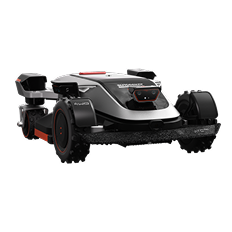
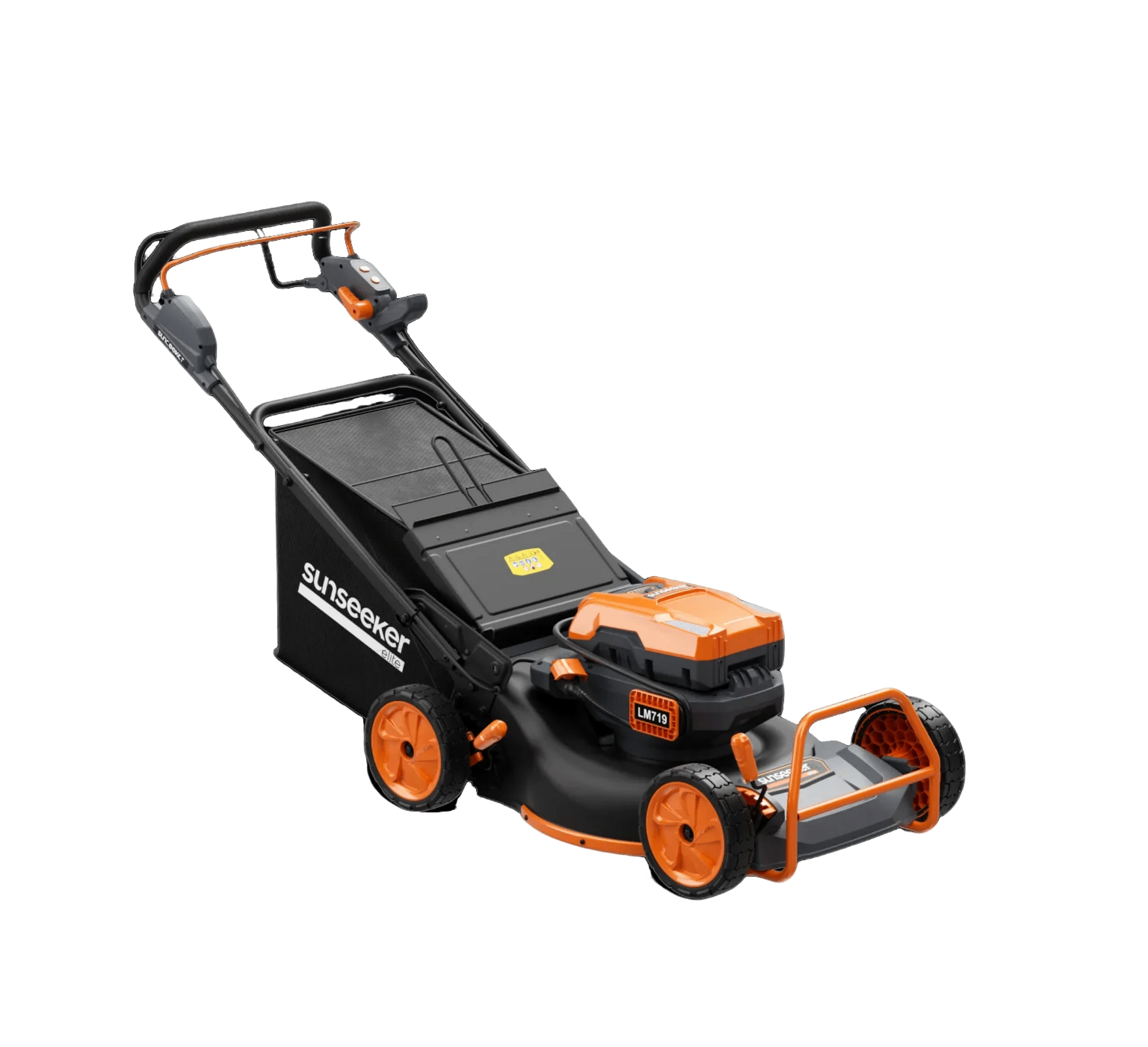
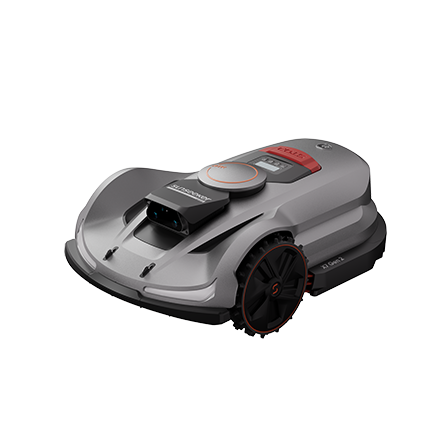
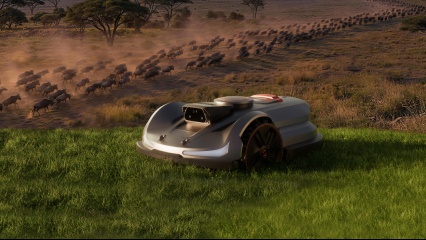
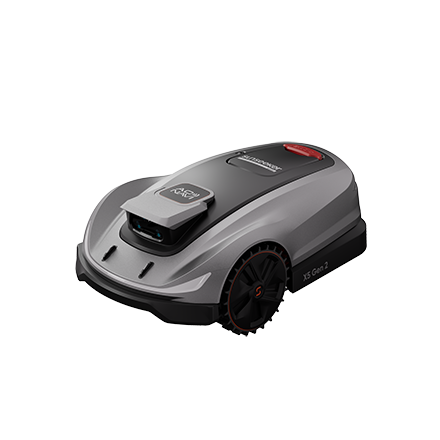
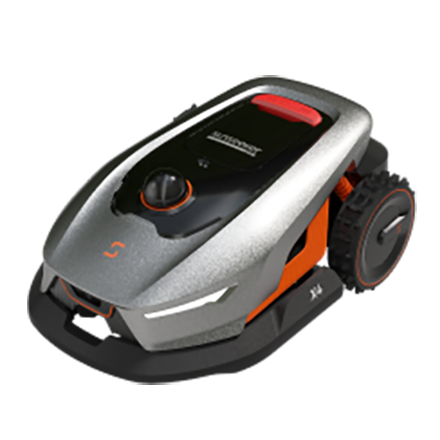
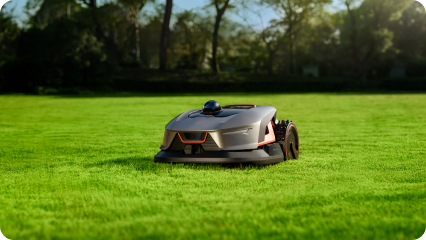
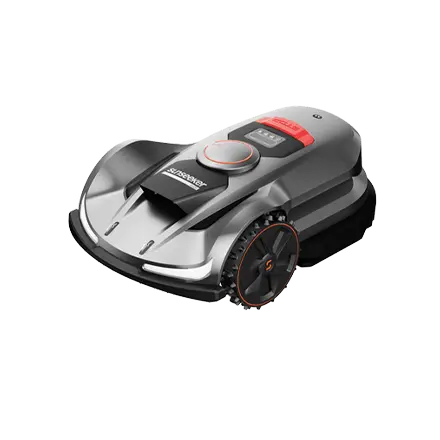
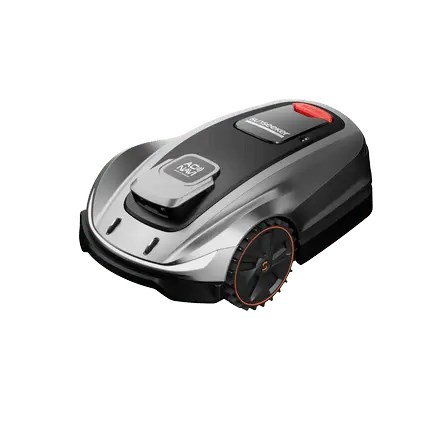
Rear wheel drive technology is not limited to traditional walk-behind mowers. Robot lawn mowers now use similar systems to improve traction and hill-climbing ability. One example is the Sunseeker Elite X4. Its dual rear-wheel drive system helps maintain grip on slopes and uneven terrain, delivering a maximum climbing capability of 24 degrees. Combined with intelligent navigation and obstacle detection, the system allows the mower to move consistently across complex yard layouts with less manual intervention.

Not every rear wheel drive push mower fits the same lawn conditions. Selecting the right rear wheel drive push mower involves balancing your property’s specific needs with the machine’s technical capabilities.
A rear wheel drive push mower is the most effective tool for maintaining landscapes with slopes or dense grass. While the Honda and Toro models lead the manual category in durability and efficiency, the robotic model Sunseeker Elite X4 offers a futuristic alternative. Its dual rear-wheel drive system brings autonomous precision to hilly yards. If you’re tired of massive manual intervention for lawn maintenance, give it a try!
It depends on the lawns you’re going to maintain. Front-wheel-drive mowers are usually easier to turn and maneuver around obstacles. Rear Wheel Drive models provide stronger traction on slopes and uneven terrain because the powered wheels stay engaged more consistently.
RWD improves traction when mowing uphill or across rough ground. Since more mower weight sits over the rear wheels, the tires maintain better grip during operation. Besides, as the grass bag fills, the weight shifts to the back of the mower. RWD uses this weight to increase grip, allowing the mower to pull itself forward consistently without the operator having to push.
Yes, though RWD vehicles generally perform better in snow than front-wheel-drive systems, they will get stuck in snow. Traction still depends on tire design, surface conditions, and ground clearance. For lawn mowers, snow performance is less relevant because they are not designed for winter use.