











FAQs
5/27/2026
Contents
Products
Residential Lawns




Explore
Where to Buy


For most American homeowners dealing with a push lawn mower won't stay running situation, stale gas, a dirty carburetor, or a clogged air filter is usually behind it. These are all DIY-friendly repairs that don't require a trip to the shop. A bit of seasonal maintenance prevents most of them from coming back.
If your push mower won't stay running, you're not alone. It's one of the most common complaints homeowners have about gas-powered mowers, especially at the start of the season or after the mower has been sitting for a while. The good news is that the cause is almost always something simple and fixable.

When a mower fires up but then shuts off within seconds or minutes, something is interrupting the engine's ability to keep running. Understanding what that is makes the fix much easier to find.
Here are the most common reasons a push lawn mower won't stay running:
Most of these fixes are straightforward. Work through them in order from simplest to most involved.
Here is a step-by-step approach to fixing a push mower won't stay running problem:
Step 1: Check and replace the fuel.
Drain any fuel that's been sitting for more than 30 days. Refill with fresh gasoline and try again. If the mower runs better straight away, stale fuel was the problem. Add a fuel stabilizer going forward to keep fuel fresh during storage.
Step 2: Clean or replace the air filter.
Remove the air filter cover and take out the filter. Foam filters can be washed with warm soapy water, dried fully, and reinstalled. Paper filters should be replaced if they're visibly dirty. A clean filter makes an immediate difference to how the engine runs.
Step 3: Inspect the spark plug.
Disconnect the spark plug wire and remove the plug with a socket wrench. Look for carbon buildup, cracks, or a worn electrode. Clean it with a wire brush if it's just dirty. If it looks damaged or heavily fouled, replace it. Spark plugs are inexpensive and easy to find at any hardware store.
Step 4: Test the fuel cap vent.
With the mower running, loosen the fuel cap slightly to see if it continues running. If it does, the vent is blocked. Clean the cap with compressed air or replace it.
Step 5: Clean the carburetor.
If the steps above haven't solved the issue, the carburetor is the most likely culprit. Spray carburetor cleaner into the air intake while the mower is running to help clear minor blockages. For a more thorough clean, remove the carburetor, soak it in cleaner, and use a small brush or wire to clear the jets. If the carburetor is heavily corroded or damaged, replacing it is often the more practical option.
Step 6: Check the oil level.
Pull the dipstick and check the oil level. Top up if it's low. If the oil looks dark or milky, do a full oil change before running the mower again.
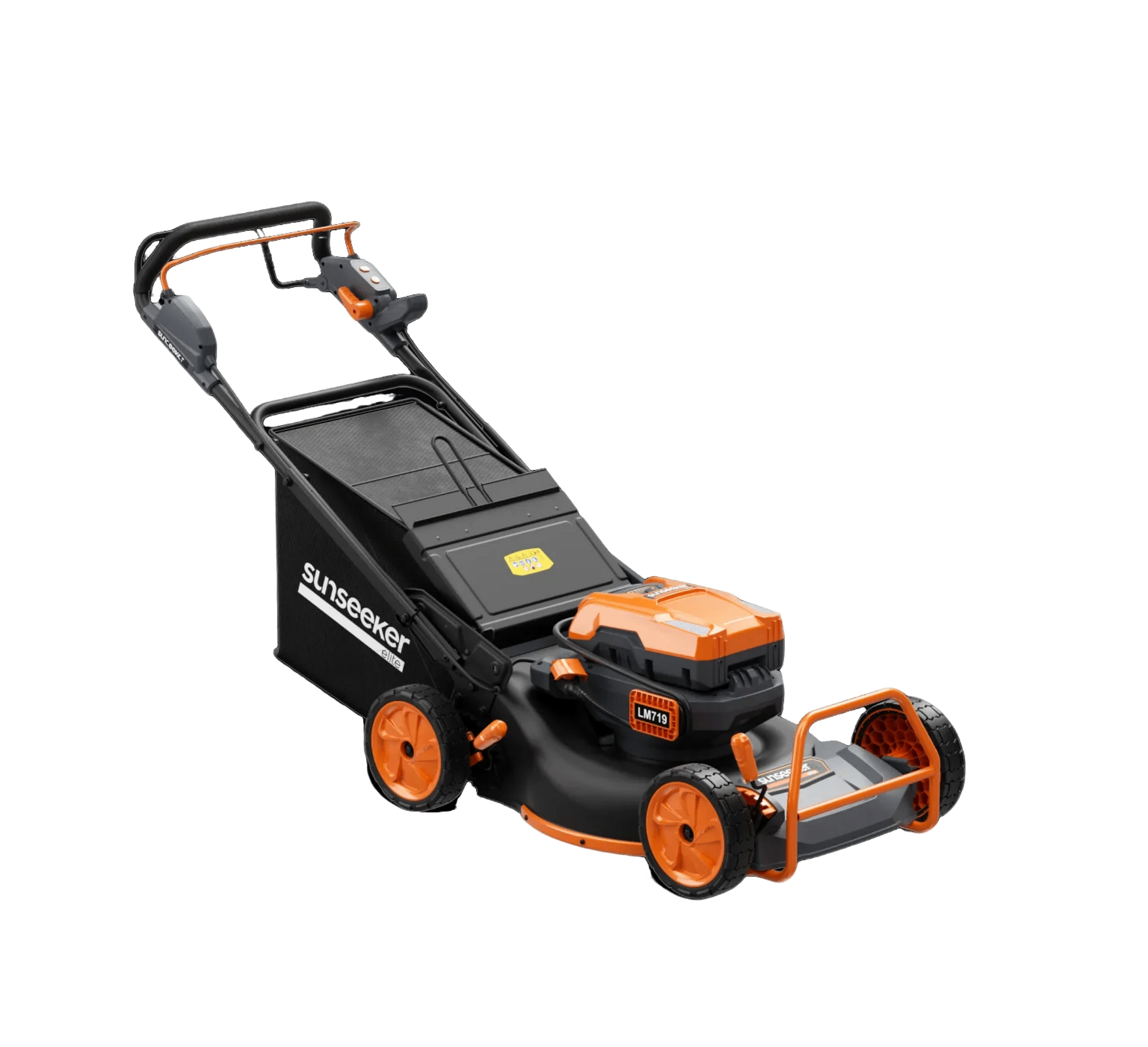
If you'd rather avoid gas engine maintenance altogether, an electric mower is worth considering. The Sunseeker Elite Lawn Mower (Plug-in Connect) runs on a 60V battery system and has no carburetor, no fuel lines, and no spark plugs to worry about. It features a 22 in dual-blade steel deck, 7 cutting height settings from 1.0 in to 3.50 in, and 3-in-1 functionality covering mulching, rear discharge, and bagging. Noise levels stay at or below 98 dB(A). Maintenance is minimal, mostly keeping the blade sharp and the deck clean.

Most lawn mower wont stay running issues are avoidable. A little attention at the start and end of each season handles most of them.
Use fresh fuel and add a stabilizer. Don't leave gas in the tank for more than 30 days without a stabilizer. At the end of the season, either run the tank dry or add a fuel stabilizer before storage. This prevents the residue buildup that causes most carburetor problems.
Here are the other maintenance habits worth keeping up with:
If ongoing gas mower maintenance feels like more hassle than it's worth, a push mower with a battery-powered system can make upkeep much simpler.
A push mower won't stay running is frustrating, but it's rarely a sign of serious damage. Stale fuel, a dirty carburetor, a clogged air filter, or a failing spark plug covers the majority of cases. Work through the fixes in order and most problems clear up without a trip to a repair shop.
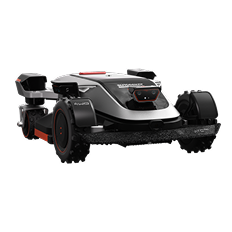
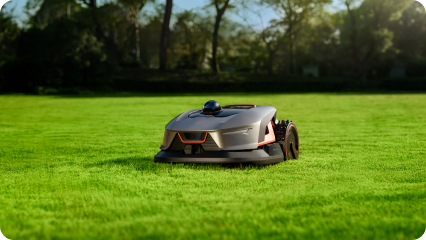
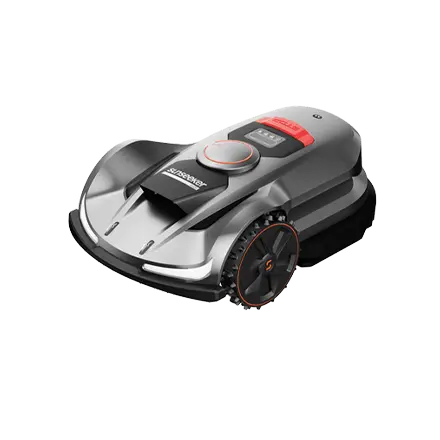
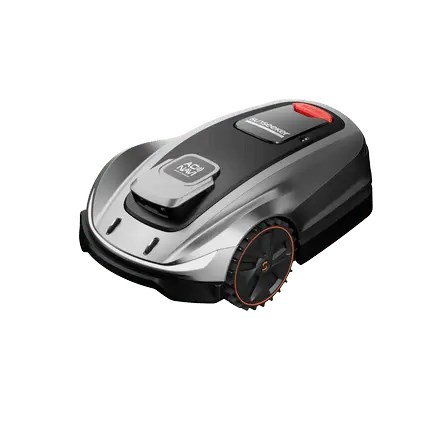
Staying on top of seasonal maintenance is the best way to stop these issues from coming back. Fresh fuel, a clean filter, and a good spark plug each season are more effective than most people realize. And if gas maintenance starts to feel like a recurring chore, a robot lawn mower takes care of mowing on its own schedule.
This is almost always a fuel delivery issue. The most common cause is a partially clogged carburetor that allows enough fuel through to start the engine, but not enough to keep it running. Stale fuel and a blocked fuel cap vent are also frequent culprits. Start by draining old fuel and refilling with fresh gas. If that doesn't help, clean the carburetor and check the fuel cap vent.
A bad or clogged carburetor usually shows up as a mower that starts then stalls, runs roughly, surges inconsistently, or produces black smoke. You can confirm it by spraying a small amount of carburetor cleaner directly into the air intake. If the engine runs smoothly for a few seconds then dies again, fuel starvation from the carburetor is the likely cause. A thorough cleaning often fixes it, though a heavily worn carburetor may need replacing.
Work through the basics first: check the fuel, air filter, spark plug, and fuel cap vent. These cover the majority of cases. If the mower still keeps shutting off, clean the carburetor. Also check the oil level, since most mowers have a low-oil shutoff that shuts the engine down if the level drops too low. If none of these fix it, the issue may be with the ignition coil or a safety switch, which is worth having a technician look at.