










FAQs
6/9/2026
Contents
Products
Residential Lawns





Explore
Where to Buy


Lawn mower doesn't start after winter? Learn the most common causes, step-by-step fixes, and how to prevent the same problem next spring.
Pull the cord and nothing happens. It's one of the most common springtime frustrations in lawn care, but the good news is that a lawn mower doesn't start after winter for very predictable reasons. Gasoline degrades, spark plugs foul, carburetors clog. All of it follows the same pattern every spring, and most fixes take under an hour in the driveway. This guide covers the most common causes, how to fix each one, and how to store the mower properly so next spring goes smoothly.

Several months of storage creates specific conditions that affect how a gas engine starts.
Work through these checks in order. The most common causes are at the top.
Step 1: Check the fuel. Open the tank and inspect what's inside. Fresh gasoline is pale amber. Old, degraded gas looks darker, smells sour, and may be slightly cloudy. If it's from last season, drain the tank completely and refill with fresh gas. Don't add new fuel on top of old. The degraded residue already in the system will contaminate it and the problem will persist.
Step 2: Check the spark plug. Remove the plug with a spark plug socket. A healthy plug has a light tan or grey deposit. Heavy black carbon, oil coating, or visible corrosion means it needs replacing. Spark plugs are inexpensive and take minutes to swap.
Step 3: Check the air filter. Hold a paper filter up to light. You should be able to see through it. Grey or black means replace it. A foam filter can be washed with warm soapy water and left to dry completely before reinstalling.
Step 4: Check the oil level. Pull the dipstick, wipe it, reinsert, and read. Low oil may trigger the safety cutoff. Dark, thick, or milky oil needs changing.
Step 5: Clean or replace the carburetor. If the above steps haven't resolved the issue, spray carburetor cleaner into the air intake and try starting. If it fires briefly then dies, the carburetor needs a thorough cleaning or replacement. Cleaning the float bowl is a manageable DIY task on most push mowers.
A mower that fires up briefly before stalling is a specific symptom: the engine can ignite but can't sustain combustion. Before reaching for a replacement part, work through these three possibilities to identify the actual source of the problem.
Most winter startup issues are fixable at home. If you've worked through how to start a lawn mower after winter step by step and the problem persists, it's time to call a technician.
Consider calling a professional when:
A full seasonal service from a small engine repair shop typically covers spark plug, air filter, oil change, blade sharpening, and carburetor inspection. For older mowers, it's worth asking the technician directly whether the repair cost makes sense relative to the machine's remaining life.
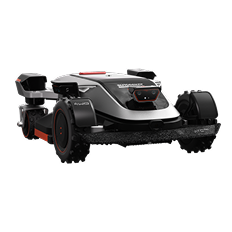
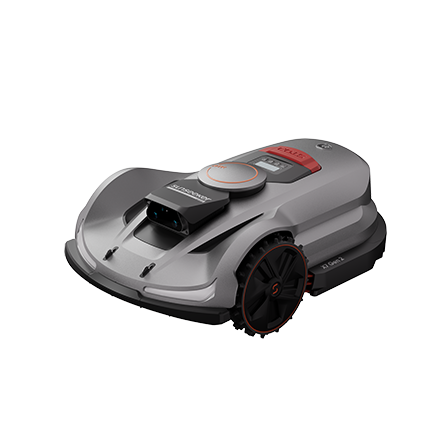
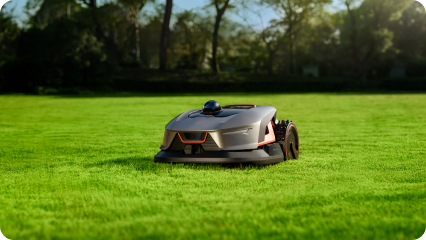
If the annual repair cycle has become more trouble than it's worth, browsing the full range of robot lawn mower options from Sunseeker Elite is worth a look. Battery-powered and wire-free, they have no carburetor, no spark plug, and no spring tune-up required.
Spring startup trouble is common, but a few simple steps at the end of each season can save a lot of hassle when the warmer weather returns.
1. Use a fuel stabilizer. Adding stabilizer to the tank before the last mow prevents gasoline from degrading over winter. Run the mower for a few minutes after adding it so the stabilized fuel works through the carburetor. This is the single most effective preventive step.
2. Alternatively, drain the fuel completely. Running the mower until it stalls from fuel starvation, or draining the tank and carburetor bowl manually, leaves no fuel to degrade. A dry fuel system won't clog.
3. Change the oil before storage. Old oil contains combustion byproducts that continue to degrade over winter. Fresh oil causes far less internal wear.
4. Clean the mower before storing. Grass and debris trap moisture, accelerating corrosion. A clean mower stored somewhere dry comes out of winter in much better shape.
5. Replace the spark plug annually. Swapping it at the start or end of each season is inexpensive insurance against springtime starting failures.
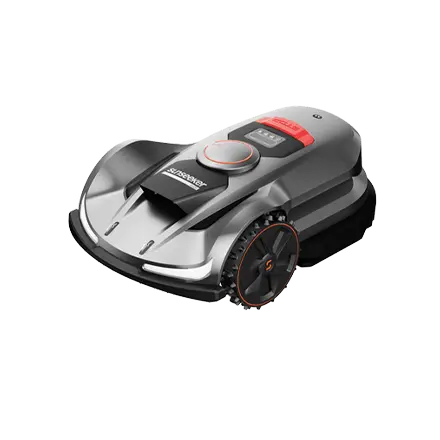
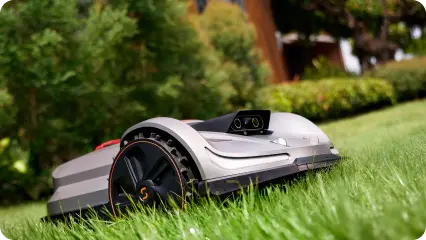
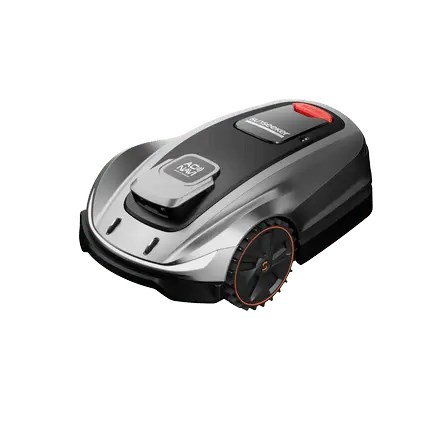
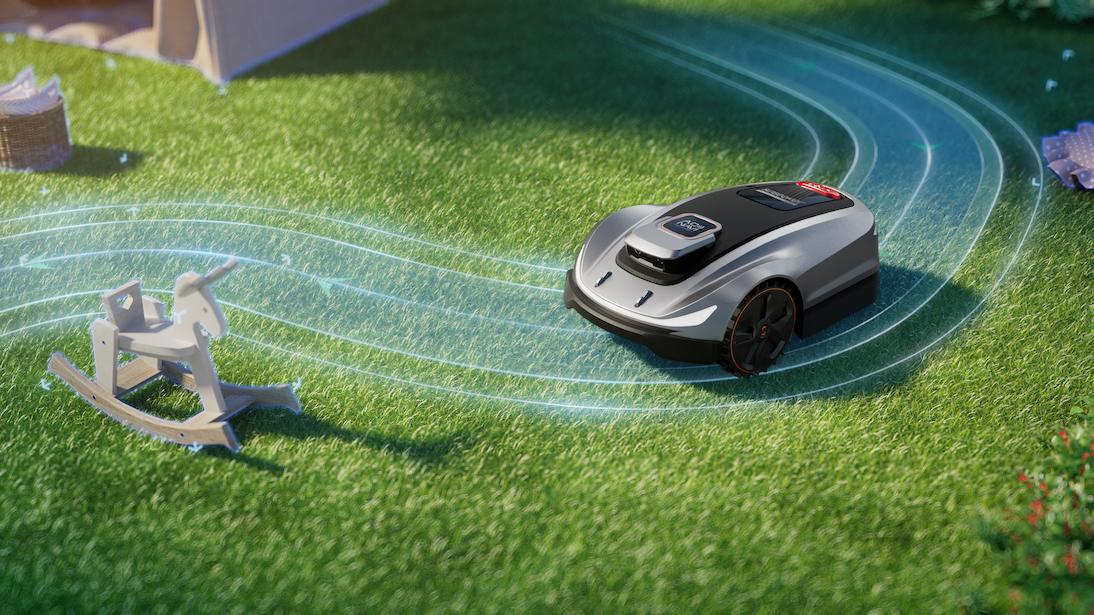
For homeowners who want to step off the annual spring troubleshooting cycle altogether, a robotic mower removes the problem at the source. The Sunseeker Elite X5 runs on battery power with no carburetor, no spark plug, and no fuel system to degrade over winter. It uses AONavi™ combining RTK-GNSS and VSLAM for precise wire-free navigation, covers up to 0.5 acres, and handles slopes up to 60% (30°) with AWD. Come spring, there's nothing to troubleshoot. Just open the app and resume the schedule.
A lawn mower doesn't start after winter in most cases because of stale fuel, a fouled spark plug, or a clogged carburetor. Work through the steps in order, starting with the fuel. Most situations resolve within an hour. For next season, a fuel stabilizer or a dry fuel system going into storage prevents the same problem from repeating.
Start with the fuel. If it's from last season, drain and refill with fresh gas. Replace the spark plug, check the air filter, and confirm the oil level. If it still won't start, clean the carburetor. For how to start lawn mower after winter that's been stored with stabilized fuel, the process is often as simple as an oil check and a few pulls on the cord.
The most likely cause is degraded fuel leaving deposits in the carburetor. A fouled spark plug is the second most common issue. Together, these account for the vast majority of how to start a lawn mower after winter failures. Both are quick and inexpensive to address.
The fuel degrades and leaves a varnish-like residue that blocks the carburetor's internal passages. Ethanol-blended fuel also absorbs moisture, which can cause rust in metal components. For how to start a lawn mower after the winter without a carburetor problem, either add fuel stabilizer before storage or drain the tank completely. Adding fresh fuel on top of old won't solve it. The residue is already in the system.