








FAQs
6/18/2026
Contents
Products
Residential Lawns






Explore
Where to Buy


A mower blade doesn't need to be replaced every time cutting performance drops. A fresh edge is often enough to bring back cleaner cuts. Hand files, bench grinders, and specialized sharpeners each fit different maintenance styles, while careful sharpening helps reduce uneven mowing and premature blade wear.
Replace a blade that is cracked, bent, deeply notched, or worn beyond a safe bevel. For the replacement, the best push mower blade is one that matches the mower's specified length, center-hole pattern, lift style, and manufacturer requirements.

A lawn mower blade sharpener is a tool designed to restore the cutting edge of mower blades. It removes small amounts of metal to recreate a sharp, even bevel. Common options include hand files, grinding wheels, sharpening attachments, and specialized blade-sharpening systems. Some are designed for occasional homeowners, while others are built for frequent maintenance and professional use.
Lawn mower blade sharpening plays an important role in lawn health. A dull blade tears grass instead of cutting it cleanly, leaving ragged edges that can turn brown and become vulnerable to disease and drought stress. Sharp blades also help mowers operate more efficiently because less force is required during cutting. Regular sharpening can improve cutting quality, reduce strain on equipment, and support healthier turf throughout the growing season.
Different lawn mower blade sharpening tools suit different users. Consider the following factors before selecting your mowing blade sharpener.
Lawn mower sharpening is a straightforward maintenance task when performed carefully. Below are the detailed instructions for your information.
Disconnect the spark plug wire on gas mowers, or remove the battery pack on cordless models. This prevents the engine from accidentally starting up when you turn the blade by hand.
For how to remove a lawn mower blade safely, tip the powered-down mower with the air filter and carburetor facing upward, then wedge a wooden block between the blade and deck to stop rotation. Loosen and remove the retaining bolt with a socket wrench, keep track of any washers, and mark the blade orientation. Then, wedge a wooden block between the blade and the mower deck to stop the blade from rotating. And loosen and remove the retaining bolt with a socket wrench. Remember to keep track of any washers and mark the blade orientation.
A clean surface makes it easier to inspect the cutting edge and identify damaged areas. Remove built-up grass, dirt, and rust using a wire brush. Also, look for deep nicks, cracks, excessive wear, or bends. Severely damaged blades may require replacement rather than sharpening.
Secure the blade in a bench vise. If you use a lawn mower blade sharpening file, stroke along the existing factory bevel from the inside of the blade toward the outer tip. Only push the file forward; lifting it on the return stroke preserves the teeth.
If you use a grinder, maintain light pressure and keep the tool moving continuously across the bevel to avoid localized overheating.
After sharpening, place the blade on a balancing tool or a nail mounted horizontally. If one side drops lower, remove a small amount of material from the heavier side until balance is restored.
Reattach the blade in its original orientation and tighten all hardware to the manufacturer’s specifications. Reconnect the power and test the mower during the next mowing session.
Lawn mower blade sharpening is an important part of mower maintenance, but it also requires time, tools, and periodic inspections. If you hope to reduce routine upkeep, a robot lawn mower can be a great alternative. Instead of a single heavy blade that needs grinding, they utilize small, razor-sharp blades that require no manual blade sharpening. When these small blades eventually dull, you can replace them with a fresh set. The whole process takes no more than 2 minutes.
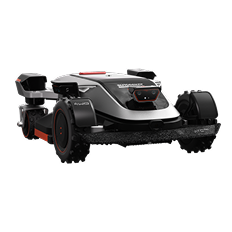
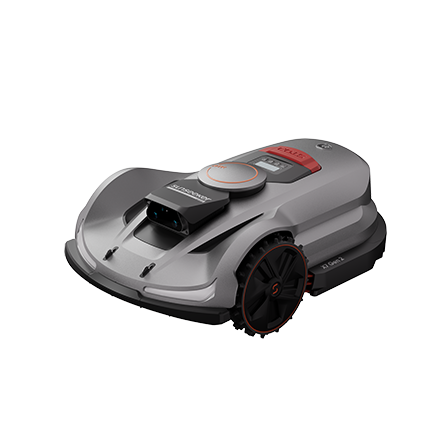
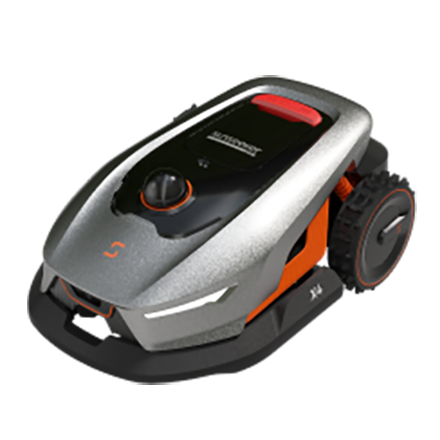
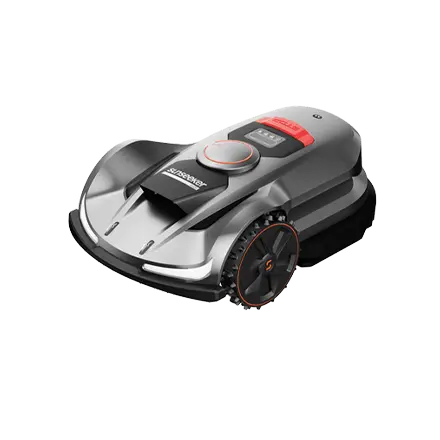
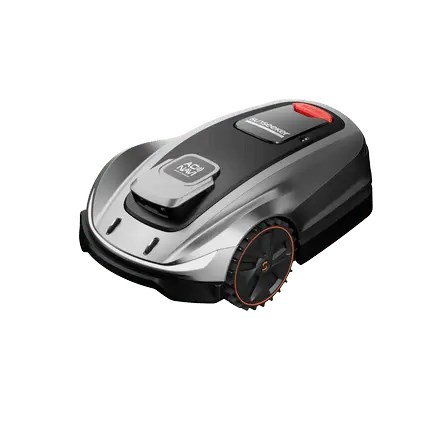
The Sunseeker Elite X4 is such a good automated example. Its 6-blade Floating Cut System guarantees a uniform cut. You can also adjust the cutting width up to 7.9 in and the cutting height from 0.8 in to 2.4 in. Additionally, the Elite X4 operates reliably even on rugged or inclined terrain. Its dual rear-wheel drive system can climb slopes of up to 24 degrees. Once set up, it will manage separate yards, complex layouts, and restricted zones on a schedule. This makes it a practical solution for reduced manual mowing tasks.

Even simple sharpening jobs can create problems if key details are overlooked. Avoid these frequent errors to keep your equipment running safely and efficiently.
Here are 3 top-rated lawn mower blade sharpeners that stand out for reliability, ease of use, and performance.
This device is suitable for homeowners and professionals alike. Its robust metal construction ensures stability during operation, while the guided setup maintains a consistent 30-degree bevel along the entire length of the blade. You can achieve professional, uniform results without extensive manual grinding experience.
It supports a wide range of blade types and is compatible with common angle grinders available on the market. For those with multiple mowers or larger properties, this mowing sharpener offers a balanced combination of accuracy, versatility, and efficiency.
This unit is a practical option for users who already perform routine tool maintenance. Its 5-amp motor features variable speed control from 2000 to 3400 RPM. This allows greater control when sharpening mower blades by reducing the chance of removing excess material. Moreover, lowering the speed reduces heat buildup on the mower blade, which reduces the risk of accidental detempering. It also has adjustable tool rests to stabilize the blade. The flexible work light delivers improved visibility over the contact point. Beyond mower blades, it is capable of handling other heavy metal removal and tool sharpening.
The Crescent model is a simple and affordable solution for those who prefer a hand-held lawn mower blade sharpener. The single-cut design removes material smoothly while providing good control over the sharpening process. Unlike powered sharpeners, a manual file produces minimal heat and allows gradual material removal. It works particularly well for routine touch-ups and seasonal maintenance when only light sharpening is needed. The ergonomic handle improves comfort during extended use and helps maintain steady pressure along the blade edge.
A lawn mower blade sharpener is important to keep mower performance consistent. Choosing the right sharpening tools, following proper sharpening techniques, and avoiding common mistakes can help extend blade life while improving lawn appearance. However, for those who prefer to spend less time maintaining equipment, upgrading to an autonomous model like the Sunseeker Elite X4 is an optimal alternative. It reduces ongoing maintenance demands and simplifies routine lawn care!
The best tool depends on how often sharpening is required. Dedicated mower blade sharpeners provide consistent results, while manual files offer better control for occasional maintenance. Bench grinders are also effective when used carefully.
Yes. Sharpening a blade costs significantly less than buying a new one and protects your lawn from fungal infections caused by frayed grass. Most factory blades can be sharpened three to five times before requiring replacement.
Common mistakes include removing too much metal, ignoring blade balance, changing the original cutting angle, and sharpening damaged blades. These issues can reduce cutting quality, increase vibration, and shorten blade lifespan.