





FAQs
6/18/2026
Contents
Products
Residential Lawns




Explore
Where to Buy


Using lawn mower bags helps remove weeds and leaves while keeping heavy grass clumps off the lawn. This choice impacts soil health and the overall look of the turf. Proper airflow and routine cleaning keep these attachments running well, allowing homeowners to achieve a manicured landscape throughout the entire growing season.
Grass clippings can make a lawn look messy if they are left in thick piles after mowing. A lawn mower bag helps collect those clippings as you mow, so the lawn looks cleaner, and the grass has more room to breathe. It is also useful when you need to pick up dry leaves, weed seeds, or extra debris instead of leaving them on the yard.
Before choosing a mower bag, it helps to think about how you use your mower. The right bag should fit your mower deck, attach securely, and allow enough airflow so clippings move smoothly into the container. In this guide, we will explain how lawn mower bags work, how to choose the right one, and how to prevent common problems like clogging, poor airflow, and worn-out bag material.
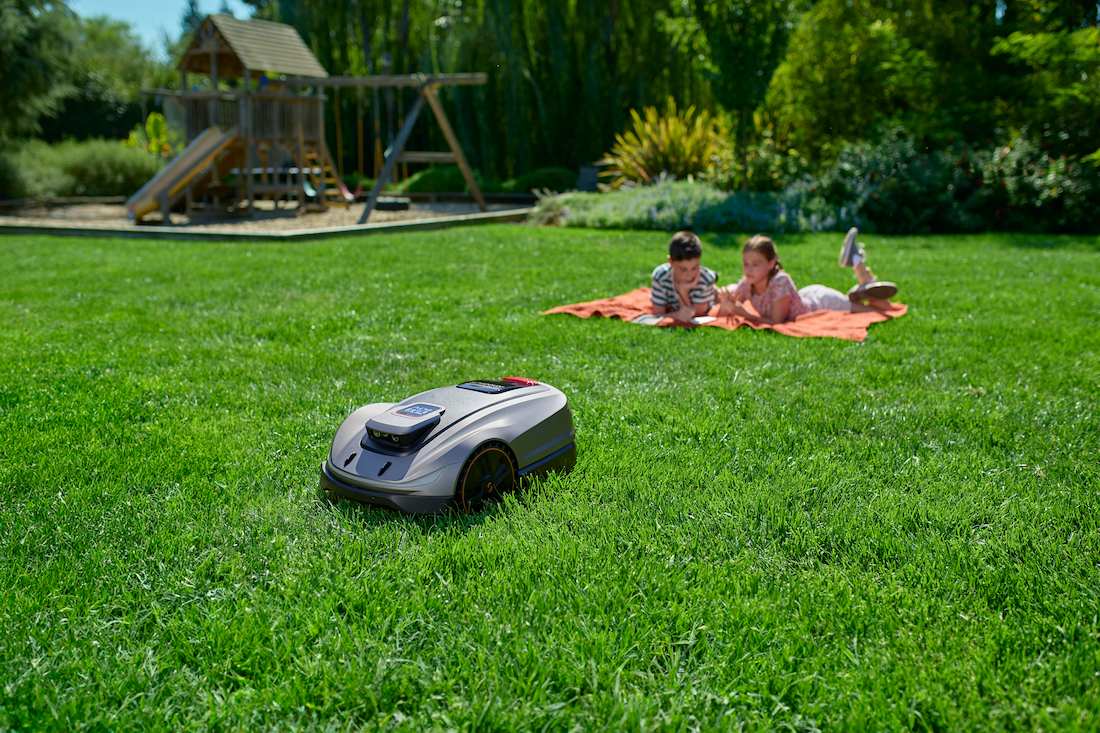
A lawn mower bag, often referred to as a grass mower bag, is a specialized container designed to collect grass clippings, leaves, and other garden debris as you mow. These components are essential for homeowners who prefer a clean, manicured look without the mess of leftover grass on the turf. Typically made of heavy-duty mesh or a combination of plastic and fabric, mower bags attach to the rear or side of the machine.
The mechanics behind these mower bags are relatively simple but rely heavily on physics. As the mower blades spin, they create a powerful upward airflow. This vacuum effect lifts the grass blades for a clean cut and then propels the clippings through a discharge chute and into the bag for a lawn mower. The mesh material is crucial because it allows air to escape while trapping the solid debris inside. Without proper ventilation, the air pressure would build up, causing the chute to clog and the collection process to fail.
The decision between bagging and mulching often depends on your specific lawn goals and the time of year. While bagging provides an immediate clean look, it removes nutrients that could otherwise benefit the soil.
Use a lawn mower bagger in these cases:
Mulching is usually the better choice when your lawn is healthy and you mow often. The mower cuts the clippings into small pieces and leaves them on the lawn, where they break down and return nutrients such as nitrogen to the soil. This is also why many robot lawn mowers use mulching instead of a traditional bagging system. In short, bag when you need to remove material from the lawn; mulch when the lawn is healthy and you want to support the soil naturally.
Selecting the correct lawn mower grass bag requires more than just picking the first one you see on the shelf. You need to consider how the bag interacts with your specific machine's power and design.
Key factors to consider:
Note: A universal lawn mower bagger is designed to fit a variety of brands, but some high-end mowers require proprietary attachments to maintain proper airflow.
Even high-quality mower bags can encounter performance issues. Understanding how to troubleshoot these can save you a trip to the repair shop.
1. Clogging in the Chute: This usually happens when the grass is wet.
Fix: Only mow when the lawn is dry and reduce your walking speed to give the bag for lawn mower time to process the volume.
2. Dust Blowing Out: If the bag is old, the pores may have stretched.
Fix: Clean the bag thoroughly or check if the seal between the bag and the mower deck is loose.
3. Bag Sags or Drags: This can damage the fabric and the lawn.
Fix: Inspect the frame for bends or ensure the universal lawn mower bagger is hooked correctly onto the rear mounting pins.
4. Reduced Suction: Often caused by "blinded" mesh where dust has permanently blocked the fabric pores.
Fix: Wash the bag with a high-pressure hose to clear the weave.
Proper maintenance extends the life of your equipment and ensures efficient grass collection. A well-maintained bag ensures that the engine doesn't have to work overtime to push air through a clogged container.
1. Empty Promptly: Never leave wet grass in the bag overnight, as it can lead to mold and weigh down the frame.
2. Regular Cleaning: Every few mows, hose out the grass mower bag to remove accumulated dirt and sap.
Fitment: If you use a lawn mower with a bagger, verify that the bag frame, chute, and mounting brack
4. Dry Thoroughly: Always allow the fabric to dry completely in the sun before storing it in a garage to prevent rot.
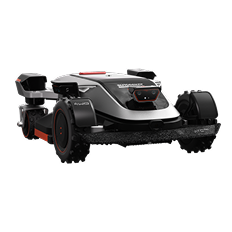
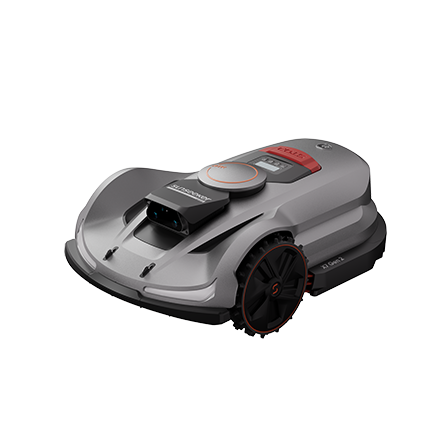
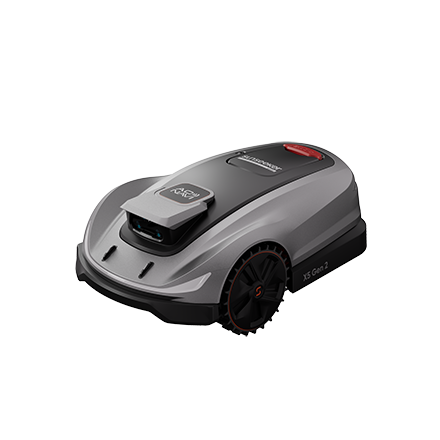
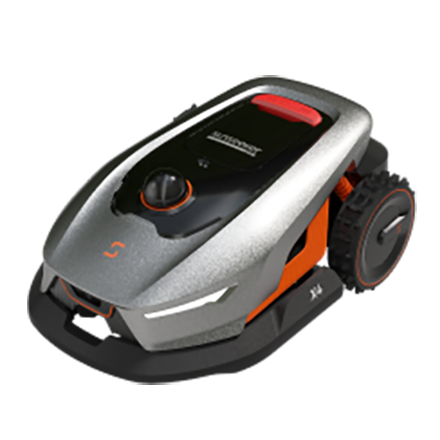
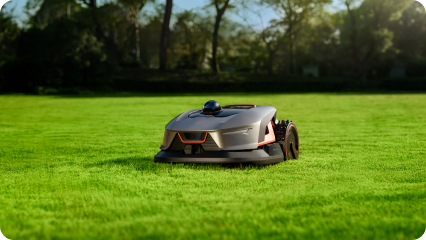
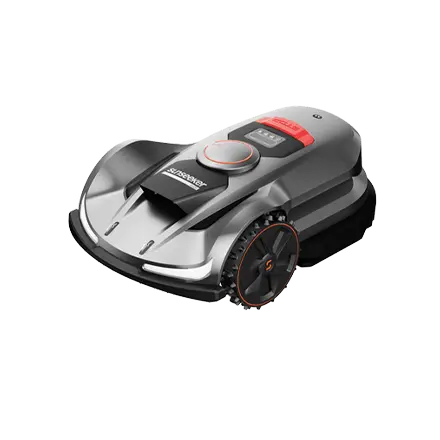
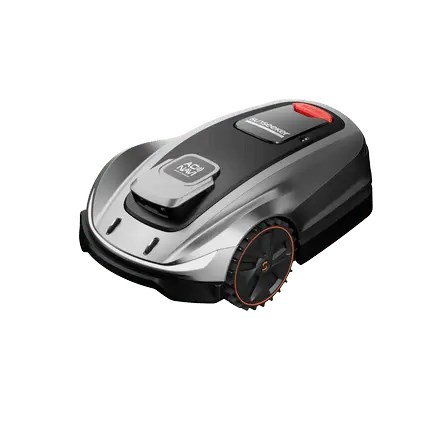
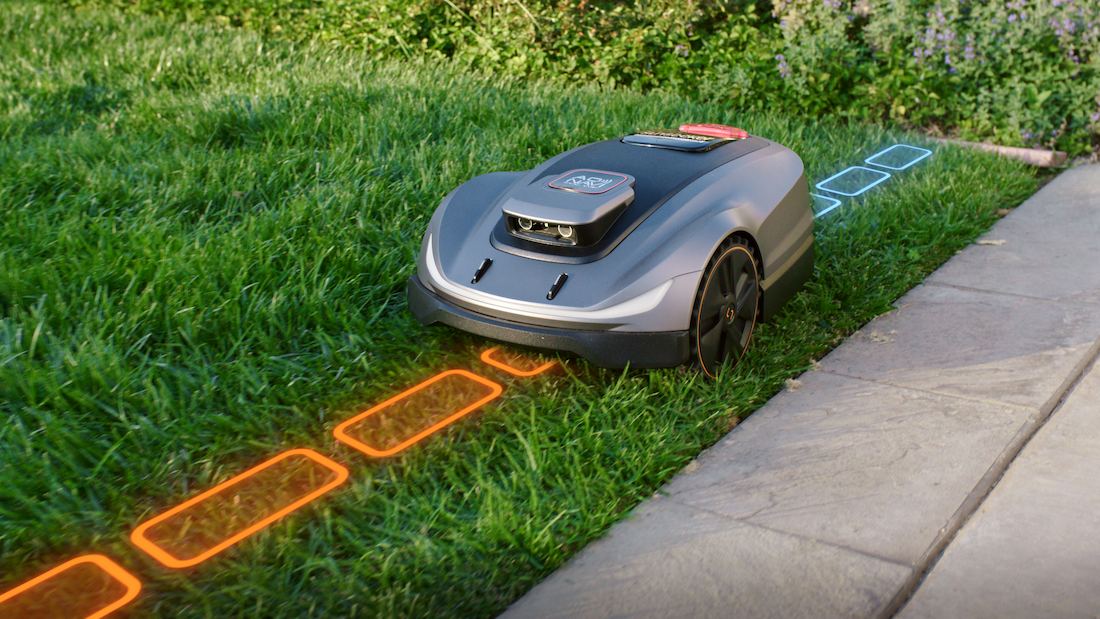
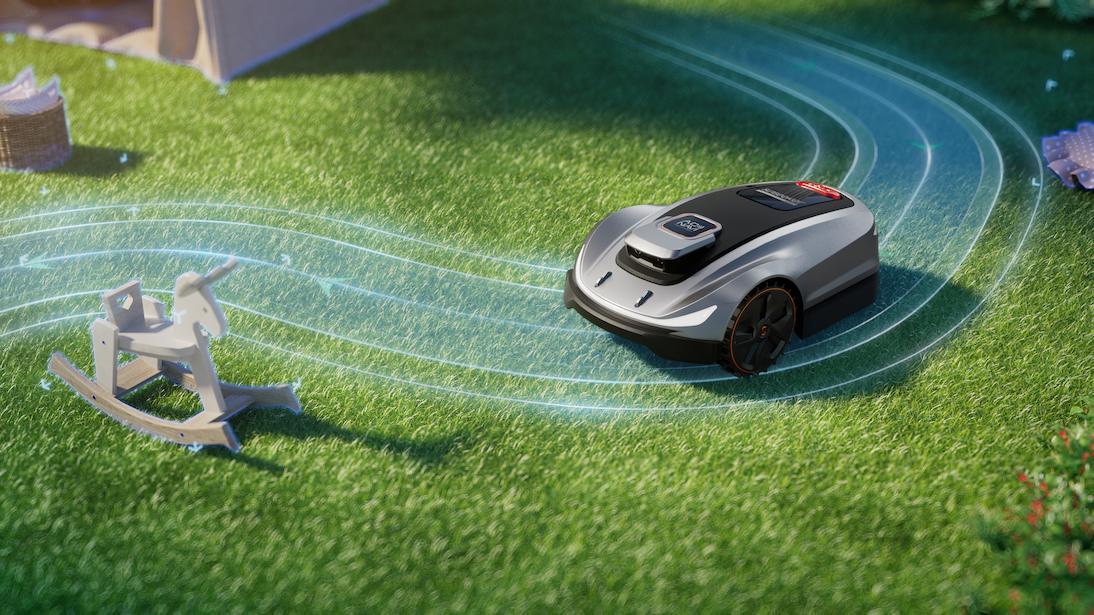
If you want to spend less time emptying and cleaning a mower bag, a robotic mower like the Sunseeker Elite X5 can be a practical alternative. Instead of using a traditional bagging system, it cuts grass into fine clippings and lets them fall back onto the lawn, where they can break down naturally. Its AONavi™ system, intelligent path planning, and multi-zone management also help it mow in a more organized way, while the floating cutting disc adapts to uneven ground for a cleaner cut. For homeowners who prefer regular mowing with less cleanup, this type of setup can reduce the need for bag maintenance altogether.
Knowing when to retire your old mowing bag can save you a lot of frustration. Look for these warning signs:
If you find yourself constantly repairing tears with duct tape or wire, consider upgrading to a high-quality universal lawn mower bagger. Newer models often feature better ergonomics and more durable materials that resist the abrasive nature of dry grass and twigs.
A lawn mower bag is a vital tool for anyone seeking a clean, professional-looking yard. Whether you opt for a brand-specific model or buy new lawn mower bags with a universal fit, understanding how to maintain and troubleshoot these components is key to long-term success. However, as technology advances, many are finding that robot lawn mowers offer a more efficient way to achieve a pristine landscape without the physical labor of emptying heavy bags.
Ready to upgrade your lawn care routine? Discover the future of effortless mowing with Sunseeker Elite’s intelligent solutions.
Not all bags fit every machine. While a universal lawn mower bagger is designed to accommodate various residential models, the mounting hardware and chute shape often differ between brands. It is essential to check the deck size and the specific attachment points on your equipment before purchasing a third-party collection system.
Most walk-behind and riding mowers are "3-in-1" ready, meaning they support mulching, side discharge, and bagging. However, some entry-level or specialized models lack the necessary mounting brackets or discharge openings. You may need a specific lawn mower bagger attachment kit that includes the chute and frame required for your particular mower's deck design.
For regular collection, the best push mower for bagging should pair strong deck airflow with a well-sealed chute, breathable bag material, and enough capacity to limit frequent stops for emptying. However, mowing without a bag (mulching) is generally better for the lawn’s long-term health. Mulching recycles nutrients back into the soil, whereas bagging removes those organic materials, often requiring more chemical fertilization later.