



FAQs
6/30/2026
Contents
Products
Residential Lawns






Explore
Where to Buy


Ryegrass can be very good for lawns that need fast germination, quick green cover, and strong wear tolerance in cool weather. Perennial ryegrass is the better long-term choice, while annual ryegrass is mainly useful as a short-term cover crop or temporary repair. It still needs steady watering, proper mowing, and summer care.
A thin or patchy lawn can make the whole yard look tired, especially after summer heat, heavy use, pet spots, or recent yard work. Ryegrass is often tempting because it grows quickly and can cover bare soil with fresh green blades in a short time.
But before spreading seed, it helps to ask: is ryegrass good for lawns in the long run? The answer depends on where you live, which type of ryegrass you choose, and whether you need a quick seasonal cover or a more lasting lawn solution. This guide will walk through the main pros, limits, and best uses of ryegrass so you can decide if it fits your yard.
Ryegrass is a cool-season grass commonly used for lawns, overseeding, sports fields, and quick soil cover. It is known for rapid germination, fine to medium blades, and a rich green color when temperatures are mild.
Most lawn mixes use either perennial ryegrass or annual ryegrass. It can return year after year in suitable climates and is often blended with Kentucky bluegrass or fine fescue. Annual ryegrass grows quickly too, but it is usually short-lived. It is often used for temporary winter color, erosion control, or quick cover while slower grasses establish.
Ryegrass performs best when daytime temperatures sit around 60 to 75°F. It can germinate in about 5 to 10 days when soil stays moist, which is why it is so popular for bare spots and overseeding.
Yes, ryegrass is good for many lawns, especially in cool-season regions or yards that need fast repair. It is not the perfect grass for every climate, though, so it helps to match the seed to the job.
For homeowners asking “is rye grass good for lawns” or “is ryegrass good for a lawn,” the practical answer is this: perennial ryegrass is a strong option when you want quick green growth, a neat texture, and better tolerance of foot traffic. It works well in northern and transitional climates where summers are not extremely hot for long periods.
Ryegrass becomes less reliable in hot, dry areas with long summers. Its roots are fairly shallow, so it may need more water during heat stress. In warm regions, annual ryegrass may also compete with bermudagrass in spring if it does not die back cleanly. For a permanent lawn, choose perennial ryegrass or a blended seed mix.
The two types can look similar at first because both germinate fast and turn green quickly. The difference becomes clear after a few months, because one is mainly temporary and the other is built for longer lawn use.
Feature | Annual ryegrass | Perennial ryegrass |
Main use | Temporary cover, erosion control, winter overseeding | Permanent or semi-permanent lawns, overseeding, repairs |
Life span | Usually one season | Returns year after year in suitable climates |
Germination | Fast, often 5 to 10 days | Fast, often 5 to 10 days |
Texture | Can be coarser | Finer and more lawn-like |
Best choice for lawns | Good for short-term green cover | Better for most home lawns |
If your main question is “Is annual ryegrass good for lawns,” think of it as a temporary helper. It can cover soil quickly, reduce mud, and add winter color, but it often thins out when temperatures rise. Perennial ryegrass is better for a lawn that needs regular mowing and family use.
Ryegrass is popular because it solves several common lawn problems quickly. It is especially helpful when bare soil needs cover before weeds take over or rain washes seed away.
The main advantages include:
These strengths explain why ryegrass is common in sports fields, parks, and home lawns. For a homeowner, the biggest benefit is speed. A bare patch in early fall can be covered quickly instead of staying open for weeks.
Ryegrass has clear benefits, but it also has limits. Understanding those limits helps you avoid disappointment after the first flush of green growth.
The most common drawbacks are:
Because perennial ryegrass does not spread strongly on its own, bare spots often need reseeding. Regular mowing, proper irrigation, and fall overseeding can keep the lawn dense enough to resist weeds and wear.
Ryegrass works best when the timing matches its natural growth cycle. Seed it when soil is warm enough for germination but the air is not so hot that young grass struggles.
For most cool-season lawns, early fall is best. Soil is still warm, nights are cooler, and weeds are less aggressive than in spring. A good target is when soil temperatures are around 50 to 65°F. Spring seeding can also work, but young ryegrass has less time to build strength before summer heat.
Use ryegrass when you need to:
Avoid using ryegrass as the only grass in very hot, dry regions unless you are ready for more watering and possible summer thinning. In those areas, it often works better as a seasonal overseeding grass.

A ryegrass lawn starts best with careful soil preparation and steady moisture. The seed is fast, but it still needs good seed-to-soil contact and gentle care during the first few weeks.
Remove debris, loosen the top 1/4 to 1/2 inch of soil, and rake the area level. If the ground is compacted, aerate before seeding. Ryegrass roots need oxygen and space, and compacted soil can lead to shallow growth and weak summer performance.
For overseeding, use about 5 to 10 pounds of perennial ryegrass seed per 1,000 square feet, depending on how thin the lawn is. For new lawns, follow the seed label, since blends vary. Spread seed in two passes at right angles for even coverage.
Keep the top layer of soil consistently moist until germination. That often means watering lightly 2 to 3 times a day for the first week in dry weather. After seedlings reach mowing height, reduce frequency and water more deeply, aiming for about 1 inch of water per week including rain.
Mow ryegrass when it reaches about 3 to 4 inches tall. Remove only the top third of the blade at each cut. A mowing height of 2.5 to 3.5 inches usually helps perennial ryegrass stay dense and handle stress better.
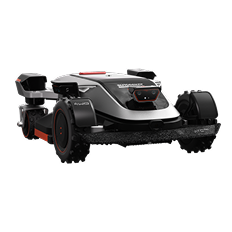
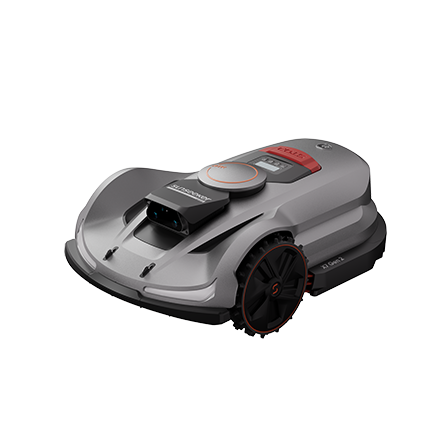
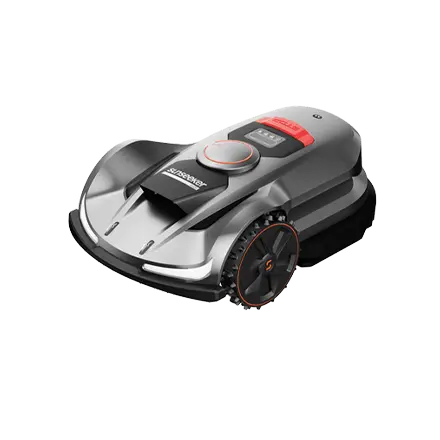
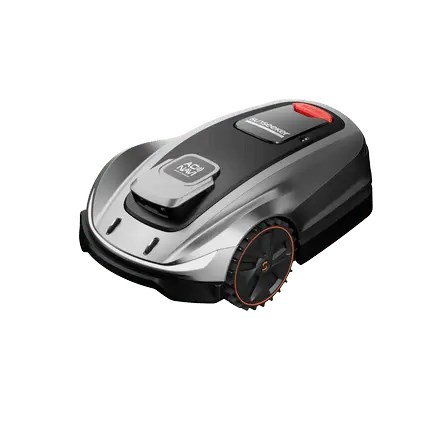
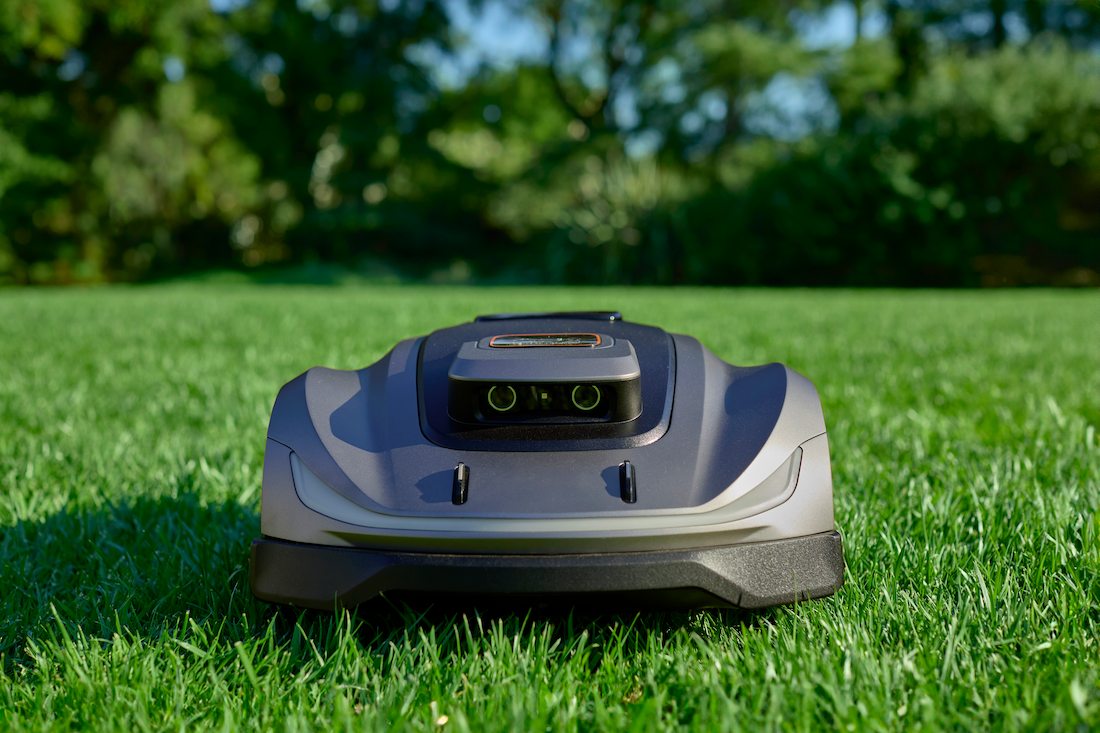
For lawns that need frequent, steady trimming, the Sunseeker Elite X5 can help keep growth more even without turning mowing into a weekly chore. Its wire-free setup, app control, multi-zone management, intelligent path planning, and all-wheel drive design support regular lawn care on complex yards, including slopes up to 60% / 30°. That kind of consistent cutting is useful for ryegrass because it dislikes being scalped or left too tall for too long.
Apply a starter fertilizer at seeding if a soil test supports it. After the grass is established, fertilize mainly during active cool-season growth in fall and spring. Do not overfeed during high heat, because lush growth can stress the plant and raise disease risk.
A quality robot lawn mower can also support a healthier routine with small, frequent cuts and fine clippings that return nutrients to the soil.
Ryegrass can be a smart lawn choice when you need fast germination, quick repair, and a clean green look in cool weather. Perennial ryegrass is usually the better long-term option, while annual ryegrass is best for temporary cover or seasonal color. The key is using it at the right time, watering well during establishment, mowing at a steady height, and reseeding thin spots when needed. For easier long-term care, Sunseeker products can help keep mowing consistent without making lawn care feel like a constant task.
You can spread ryegrass seed by hand, but it will grow better if you prepare the soil first. Rake away debris, loosen the top layer, spread the seed evenly, and lightly cover it with soil. Keep the area moist until the seed germinates.
It depends on your lawn needs. Ryegrass sprouts faster and is useful for quick cover or overseeding. Fescue usually handles heat, drought, and long-term lawn use better, especially in many cool-season areas. For a lasting lawn, fescue is often the better choice.
Ryegrass can make a good lawn in the right climate and situation. Perennial ryegrass works well for quick green cover, overseeding, and areas with moderate foot traffic. However, it may need more water and care in hot or dry weather, so it is not ideal everywhere.