










FAQs
6/30/2026
Contents
Products
Residential Lawns









Explore
Where to Buy


Epsom salt may help lawns only when soil is low in magnesium or sulfur. It is not a complete fertilizer, and it will not fix poor watering, compacted soil, pests, disease, or low nitrogen. A soil test is the safest first step before adding it to grass.
You may notice pale grass, slow growth, or tired-looking patches and wonder if a simple bag of Epsom salt can help. It sounds easy, and many lawn tips make it seem harmless. The truth is more careful. Epsom salt has a place in lawn care, but only in the right soil. Below, we look at what it does, when it helps, how to apply it, and what to do first when grass looks weak.

Epsom salt is magnesium sulfate, a mineral compound made of magnesium, sulfur, and oxygen. It is different from table salt because it does not contain sodium chloride. Gardeners use it because magnesium supports chlorophyll, the green pigment in plants, while sulfur supports normal plant growth.
For lawns, that sounds useful, but grass only benefits when those nutrients are missing. Most lawns need nitrogen, phosphorus, and potassium in larger amounts. Epsom salt has no nitrogen, so it cannot replace a normal lawn fertilizer. So, what does Epsom salt do for lawns? In the right case, it can correct a magnesium or sulfur shortage. In soil that already has enough, it often does very little.
Yes, but only in limited cases. If you are asking is Epsom salt good for lawns because your grass is yellow or thin, first find out why the lawn is struggling. Yellowing can come from low nitrogen, poor pH, drought, compacted soil, shade, grubs, fungus, pet urine, or mowing stress.
A soil test is the best way to know if magnesium or sulfur is low. Many county extension offices, garden centers, and soil labs can test nutrients and pH. Many cool-season and warm-season lawns perform well when soil pH sits around 6.0 to 7.0. If pH is far outside that range, grass may not use nutrients well. In simple terms, is Epsom salt good for your lawn? It can be, but only when the soil report shows a need.
Epsom salt is popular because it is cheap, easy to find, and simple to dissolve. Its real benefits are tied to magnesium and sulfur, not instant repair of brown turf.
These benefits do not mean every lawn needs Epsom salt. A strong lawn still depends on the basics: the right grass type, proper mowing, steady watering, seasonal feeding, and healthy soil structure.
The main problem is not that Epsom salt is always dangerous. The problem is using it as a shortcut when the lawn needs something else.
If blades are brittle, pulling up easily, or brown at the tips, do not start with Epsom salt. Check soil moisture, roots, insects, and compaction first. A screwdriver should slide 4 to 6 inches into moist soil without much force. If it stops near the surface, the lawn may be dry or compacted.
Apply Epsom salt only when you have a clear reason to use it. Pick a calm, mild day. Do not apply it during heat stress, drought stress, or just before heavy rain. Water lightly afterward so the material moves into the upper soil instead of sitting on grass blades. You can apply it dry with a spreader or dissolve it in water for a lighter, more controlled treatment.
This method works best when you want to cover a large lawn area evenly. A spreader helps avoid heavy spots, but the rate still needs to stay light.
Step 1. Measure the lawn area. Multiply length by width for each section, then add the sections together.
Step 2. Use a light rate. Follow the soil lab recommendation. Without one, do not exceed about 2 pounds per 1,000 square feet for a cautious trial.
Step 3. Fill the spreader on pavement. Sweep spills back into the spreader. Do not rinse them into drains.
Step 4. Spread in two light passes. Apply half in one direction and half across the first pass to reduce stripes.
Step 5. Water gently. Use about 1/4 inch of water to move the material into the soil.
This method is better for a small test area or a light, even application. Mixing it with water also makes it easier to control where it goes.
Step 1. Mix a mild solution. Use 1 to 2 tablespoons of Epsom salt per gallon of water and stir until dissolved.
Step 2. Test a small patch. Spray a 3-by-3-foot area and wait 7 to 10 days before treating the whole lawn.
Step 3. Spray evenly. The grass should be damp, not soaked.
Step 4. Rinse lightly. A short watering helps move minerals into the soil.
Step 5. Watch new growth. Judge results after one or two mowings, not the next day.
The right amount is the amount your soil test recommends. Without a test, use restraint. A cautious dry rate is about 2 pounds per 1,000 square feet. For a liquid spray, use 1 to 2 tablespoons per gallon of water. Treat once, then wait at least a month before thinking about another application.
Do not pour a strong solution on brown spots. Do not apply weekly. Do not mix Epsom salt with herbicides, pesticides, or fertilizers unless the label says the mix is safe. For newly seeded grass, wait until the lawn has been mowed two or three times before adding extra products.

If you are wondering what does Epsom salt do for your lawn, compare it with the full set of lawn needs: nutrients, water, light, air, and regular mowing. Strong grass usually comes from steady care rather than one special ingredient.
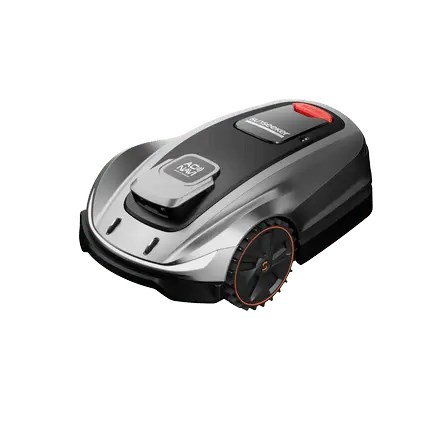
So, is Epsom salt good for lawns? It can help only when your soil is low in magnesium or sulfur. It is not a complete fertilizer, and it will not fix problems caused by poor watering, pests, disease, compacted soil, or poor mowing habits. The safest approach is to test your soil first, apply small measured amounts only when needed, and focus on steady lawn care habits, from proper watering and seasonal feeding to regular mowing with tools such as a robot lawn mower, that help grass stay healthy over time.
Apply Epsom salt only when a soil test shows low magnesium or sulfur. Choose a mild day during active growth, not during drought or intense heat. Water lightly after application. For many lawns, spring or early fall is safer than midsummer, but the soil result matters most.
If your lawn lacks magnesium or sulfur, new growth may look healthier after the deficiency is corrected. If the soil already has enough, you may see no clear change. Too much can upset nutrient balance, so avoid heavy or repeated applications without testing first.
You can sprinkle it in some garden situations, but measuring is safer. Use it only when plants need magnesium or sulfur, keep it away from hard surfaces, and water it in gently. For lawns and garden beds, a soil test gives the clearest answer.