






FAQs
7/25/2026
Contents
Products
Residential Lawns




Explore
Where to Buy


10-10-10 fertilizer can support lawns that need balanced nutrients, but it is not the right choice for every yard. The equal nitrogen, phosphorus, and potassium ratio works best when a soil test shows those nutrients are needed. Proper timing, application rate, and watering are essential to avoid waste or lawn stress.
A fertilizer bag marked 10-10-10 can look like the safe, simple choice when your lawn is pale, thin, or slow to grow. The problem is that equal numbers do not always match what grass needs. Some lawns need more nitrogen for leaf growth, while others already have enough phosphorus or potassium in the soil. So, is 10 10 10 fertilizer good for lawns? In this blog, we’ll look at what the three numbers mean, when a balanced fertilizer can help, and when your lawn may need a more targeted feeding plan.
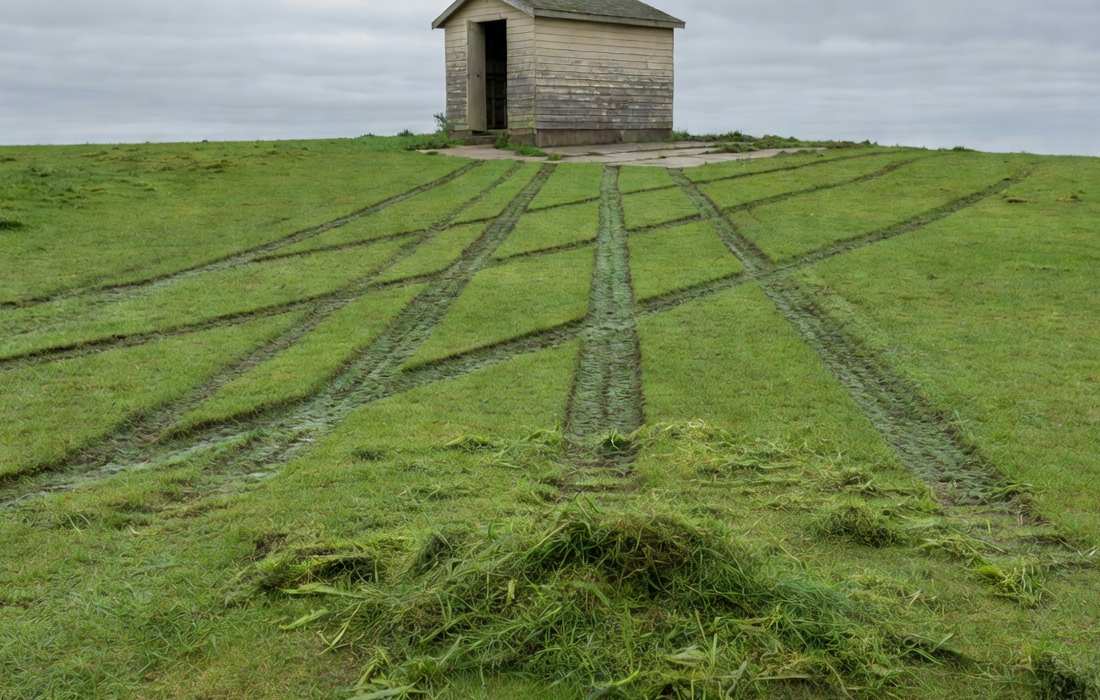
10-10-10 fertilizer is a complete fertilizer with equal amounts of the three main plant nutrients: nitrogen (N), phosphorus (P), and potassium (K). A 10-pound bag contains about 1 pound of each nutrient and the remaining weight is made up of carrier material. These three numbers are called the NPK ratio.
Nitrogen supports green leaf growth and helps grass produce a dense appearance. Phosphorus supports root development and plant energy processes. Potassium helps overall plant strength, stress tolerance, and water regulation. Because the ratio is balanced, 10-10-10 is often considered an all-purpose fertilizer for many plants.
10-10-10 can be good for lawns in certain cases, especially when a soil test shows that grass needs a balanced supply of nitrogen, phosphorus, and potassium. It can also help when establishing a new lawn, repairing damaged areas, or improving poor soil conditions where multiple nutrients are low.
However, many established lawns do not need equal amounts of every nutrient. Grass commonly uses more nitrogen than phosphorus or potassium. That means a lawn may respond better to a fertilizer with a higher first number, depending on the soil and season. A balanced fertilizer is not automatically better just because it contains three nutrients.
Before using 10-10-10, consider these factors:
If you are asking is 10 10 10 a good lawn fertilizer, the most accurate answer is that it is a useful tool, not a universal solution. The best fertilizer is the one that matches the lawn’s current needs.
Timing affects how well any fertilizer works. Applying the right product at the wrong time can lead to weak growth, nutrient loss, or unnecessary stress. The best schedule depends on grass type, climate, and soil condition.
For cool-season lawns, fertilizer is often most useful during active growth in spring and fall. Fall applications are especially important because grass can build stronger roots before winter. For warm-season lawns, feeding is usually focused on late spring and summer when the grass is actively growing.
10-10-10 may be useful in situations such as:
Avoid applying fertilizer during extreme heat, drought stress, or when the grass is dormant. A stressed lawn cannot use nutrients effectively, and fertilizer may increase damage instead of improving growth.
Safe application starts with measuring the lawn area and following the fertilizer label. More fertilizer does not create a healthier lawn. Too much nitrogen can burn grass, while excess nutrients can affect soil balance and nearby water sources.
A soil test provides the clearest information before fertilizing. Measure the lawn area so you know how much product is needed. Avoid guessing with large bags of fertilizer because small mistakes become bigger across a large yard.
Use a broadcast or drop spreader for even coverage. Follow the manufacturer setting on the fertilizer bag. Applying half the fertilizer while walking in one direction and the rest across the first pass can reduce missed stripes.
Keep fertilizer off sidewalks, driveways, and patios. Sweep any spilled granules back onto the lawn instead of washing them into drains. Granules left on hard surfaces can move into water systems after rain.
Many fertilizers work best when watered into the soil. Light irrigation helps move nutrients toward the roots. Avoid heavy watering that creates runoff. Follow the product label because some formulas have specific instructions.
Using 10-10-10 without confirming what the lawn actually needs can add unnecessary nutrients or leave the real problem untreated. It is better to pause and assess the situation when any of the following conditions apply.
A brown lawn does not automatically need fertilizer. Brown patches can come from insects, fungus, compacted soil, pet damage, or watering problems. Identifying the cause first prevents unnecessary treatments.
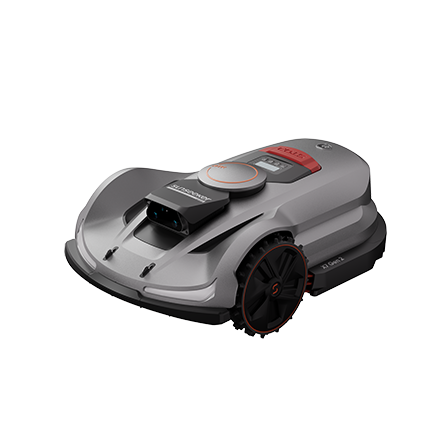
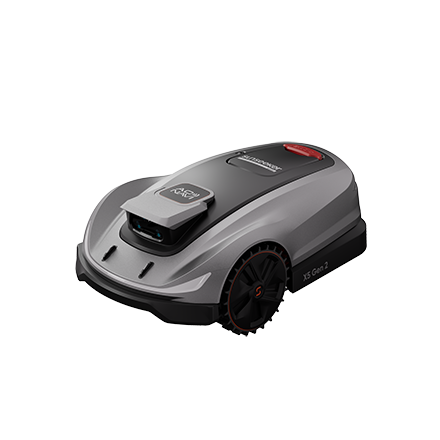
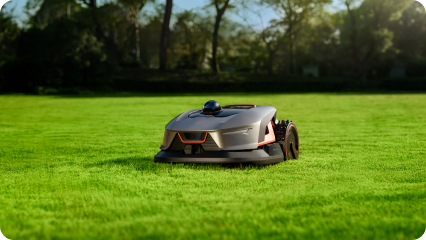
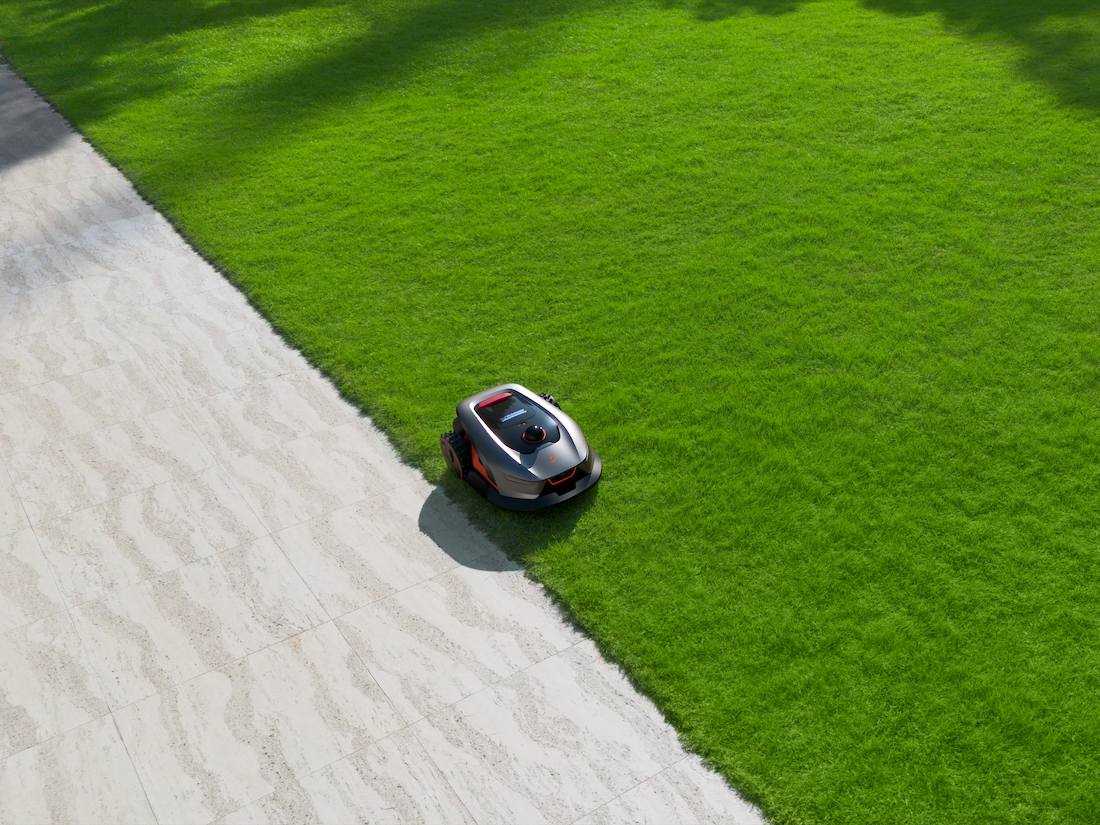
A healthy lawn care routine should also include mowing, watering, and soil improvement. Grass that is cut too short or watered incorrectly often looks weak even when enough nutrients are available. Frequent, light mowing with a robot lawn mower can help maintain a steadier grass height while leaving behind very small clippings. These clippings settle into the turf and gradually decompose, returning small amounts of nutrients and organic matter to the soil as part of the lawn’s natural nutrient cycle.
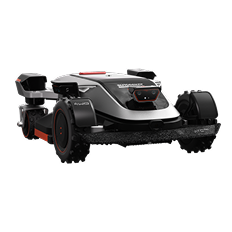
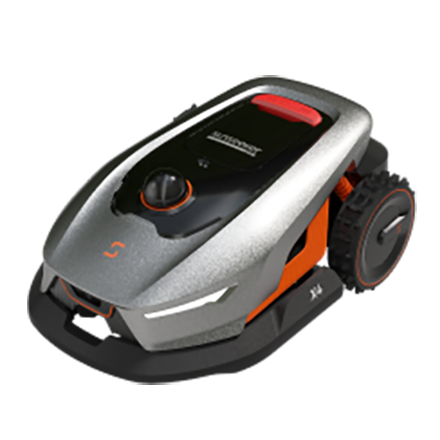
For example, the Sunseeker Elite X4 follows planned mowing routes and uses a floating cutting system to maintain a more consistent cut across slight changes in the ground surface. This helps distribute fine clippings more evenly, supporting routine lawn maintenance without treating every sign of weak growth as a reason to apply more fertilizer.
10-10-10 fertilizer can be useful for lawns when the soil needs a balanced nutrient supply, but it is not a one-size-fits-all product. Soil testing, correct timing, and careful application matter more than choosing a fertilizer with a familiar number pattern. Healthy grass also depends on mowing, watering, and regular maintenance. For easier lawn care, Sunseeker products can help maintain a consistent mowing routine while you focus on improving overall turf health.
Most lawns do not need frequent 10-10-10 applications. Follow soil test results and the fertilizer label. Many lawns are fertilized only a few times per year during active growth periods. Repeated applications without checking nutrient levels can create imbalance and unnecessary runoff.
The best fertilizer numbers depend on the grass type, soil condition, and season. Many established lawns need more nitrogen than phosphorus or potassium, so a formula with a higher first number may be more suitable. A soil test gives the most reliable recommendation for your yard.
Results depend on the grass condition, temperature, moisture, and fertilizer type. Some lawns show greener growth within one to two weeks after proper application and watering. Root and long-term soil improvements take longer, especially if the lawn has deeper problems.