




FAQs
7/24/2026
Contents
Products
Residential Lawns





Explore
Where to Buy


Treat red thread by checking for pink or reddish strands, then correcting the conditions that keep grass weak and damp. Feed lightly if the lawn lacks nitrogen, water early, improve airflow, and mow only when the turf is dry. Most patches recover as healthy growth replaces infected blades; reserve fungicide for severe or recurring outbreaks.
After several cool, damp days, you may notice pale or pinkish patches spreading across an otherwise healthy lawn. A closer look reveals thin red strands on the grass tips, yet the plants still feel firmly rooted. These are common signs of red thread lawn disease.
Most outbreaks can be managed without replacing the grass or immediately reaching for fungicide. Correct identification comes first. The next steps usually involve balanced feeding, shorter periods of leaf wetness, clean mowing, and better airflow. Here is how to treat the problem and reduce the chance of it returning.
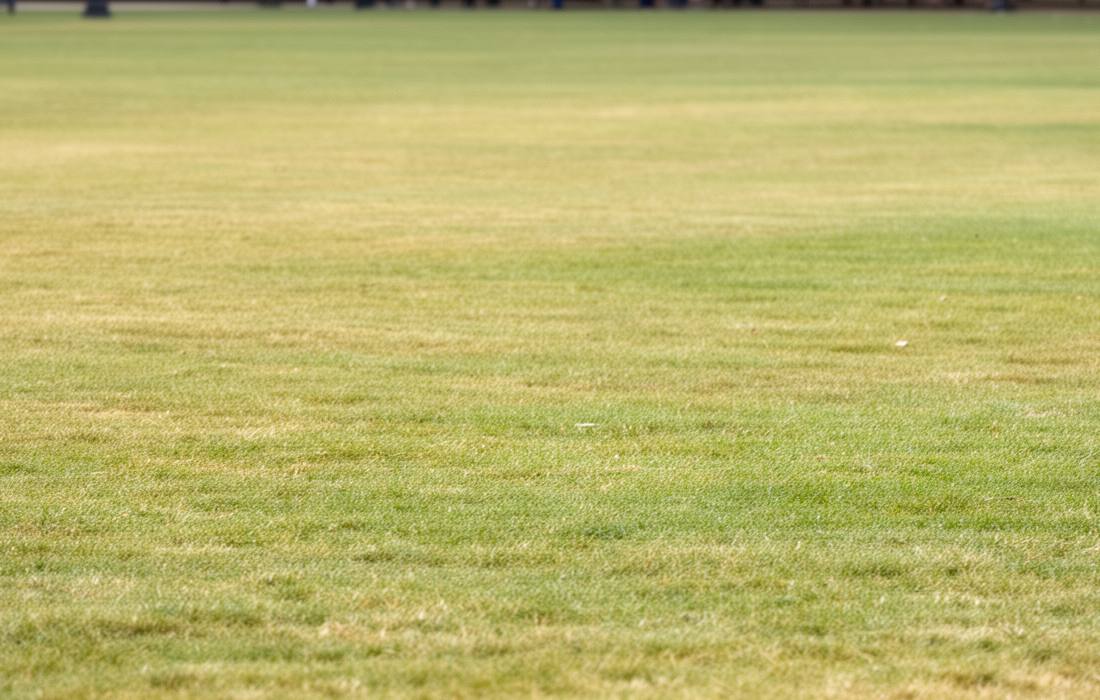
Red thread usually forms irregular or roughly circular patches with a tan, pink, or reddish cast. Patches may be only a few inches wide, although nearby areas can merge and create larger sections of faded turf.
Look closely at the edge of an active patch early in the morning. In damp conditions, infected blades may carry soft pink growth or hard, reddish threads that extend from the tips and leaf sheaths. The damaged leaves often appear among healthy green blades, giving the patch a scattered or ragged look.
The infection normally begins in the leaves rather than the roots or crown. Gently tug a small group of affected plants. Grass that remains rooted and has a living crown often has a good chance of growing back once conditions improve. Severe cases can weaken turf, but red thread rarely kills an established lawn outright.
Red thread and dollar spot are especially easy to confuse at a distance. Inspect individual blades rather than relying only on patch size or color. The reddish strands are the strongest clue that red thread is active.
Lawn problem | Typical appearance | Common conditions | Main clue |
Red thread | Tan or pink, irregular patches | Cool, damp weather | Red or pink threads attached to blades |
Dollar spot | Small straw-colored spots | Humid weather and weak turf | Tan leaf lesions with darker borders |
Brown patch | Broader brown or yellow patches | Warm, humid weather | Dark outer edge or ring may appear |
Drought stress | Gray-green or brown turf | Hot, dry conditions | Footprints remain visible after walking |
Dog urine | Distinct round burn marks | Localized pet activity | Brown center with greener outer growth |
Red thread develops when the fungus Laetisaria fuciformis becomes active in weak or slow-growing turf. Several lawn and weather conditions often work together, rather than one issue causing the outbreak alone.
Treat red thread in the same order you would troubleshoot a weak lawn: confirm the disease is active, support new growth, reduce leaf wetness, then consider a fungicide only if the outbreak justifies it. The goal is to help the lawn outgrow infected leaves while removing the conditions that let the fungus take hold.
Apply nitrogen only if the lawn is hungry. Red thread is strongly associated with low fertility, but more fertilizer is not automatically better. If you have a recent soil test, follow it. If you do not, use a modest feeding of about 0.25–0.5 lb of nitrogen per 1,000 sq ft and water it in. That is enough to push recovery without forcing soft, disease-prone growth.
Avoid heavy quick fixes during hot weather or drought. If the lawn is not actively growing, wait until conditions support recovery. On a cool-season lawn, early fall feeding is often more useful than a panic application in stressful summer weather.
Red thread thrives when leaf blades stay wet. Water early in the morning so the canopy dries during the day. Most established lawns need about 1 inch of water per week including rainfall, but disease-prone lawns do better with deeper, less frequent watering than with short nightly cycles.
Open up stagnant areas. Prune low branches where shade and still air keep grass damp. If water sits after rain, correct grading where possible and aerate compacted soil during the proper season for your grass type. A compacted, shaded strip along a fence will keep relapsing until air and drainage improve.
Keep mowing, but do it cleanly. Remove no more than one-third of the grass blade at a time and sharpen the mower blade if tips look shredded. Torn leaf tissue dries poorly and gives disease more entry points.
During an active outbreak, mow diseased areas last if practical, and avoid mowing when the grass is wet. Bagging clippings for one or two cuts can reduce wet clumps and visible fungal material, but it is not a cure. Once growth is steady again, mulching clean, dry clippings is fine because the main problem is lawn stress, not ordinary clipping return.
For severe, spreading, or repeatedly returning red thread, choose a turf fungicide containing azoxystrobin, a QoI/strobilurin fungicide commonly used for lawn diseases. Professional applicators may also use flutolanil, sold in products such as ProStar, which is highly effective against red thread. These treatments work best when applied early, before dense red sclerotia develop.
Check that the product label specifically lists red thread, Laetisaria fuciformis, and your grass type. Apply only at the labeled rate and interval; do not estimate the dosage or automatically repeat treatment. Continue correcting low nitrogen, poor airflow, and prolonged leaf wetness, since fungicide alone will not prevent another outbreak. For residential lawns, chemical treatment is usually reserved for persistent or high-value areas.
Red thread often returns when the same weak, damp conditions remain in place. Focus on steady lawn growth and faster drying instead of relying on repeated treatments.
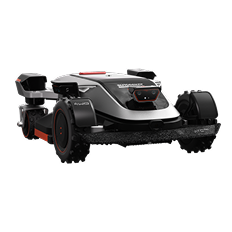
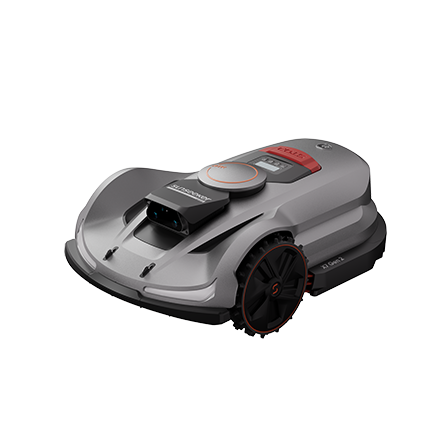
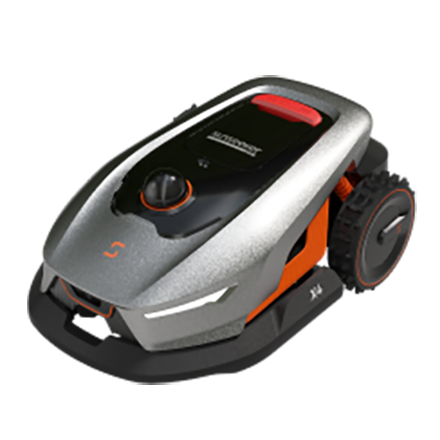
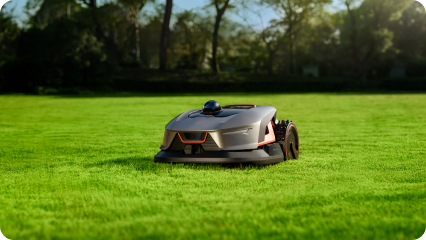
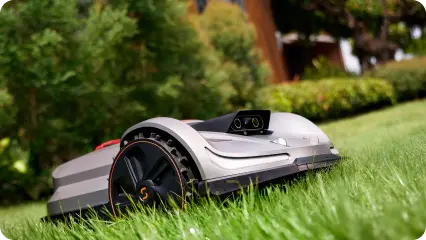
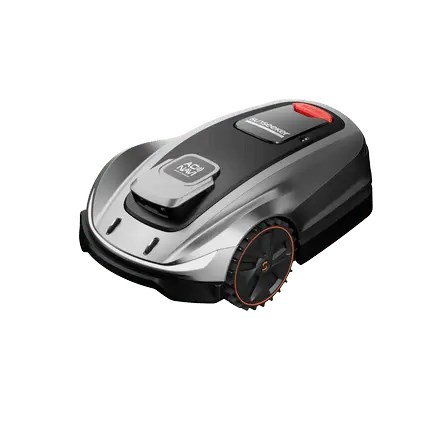
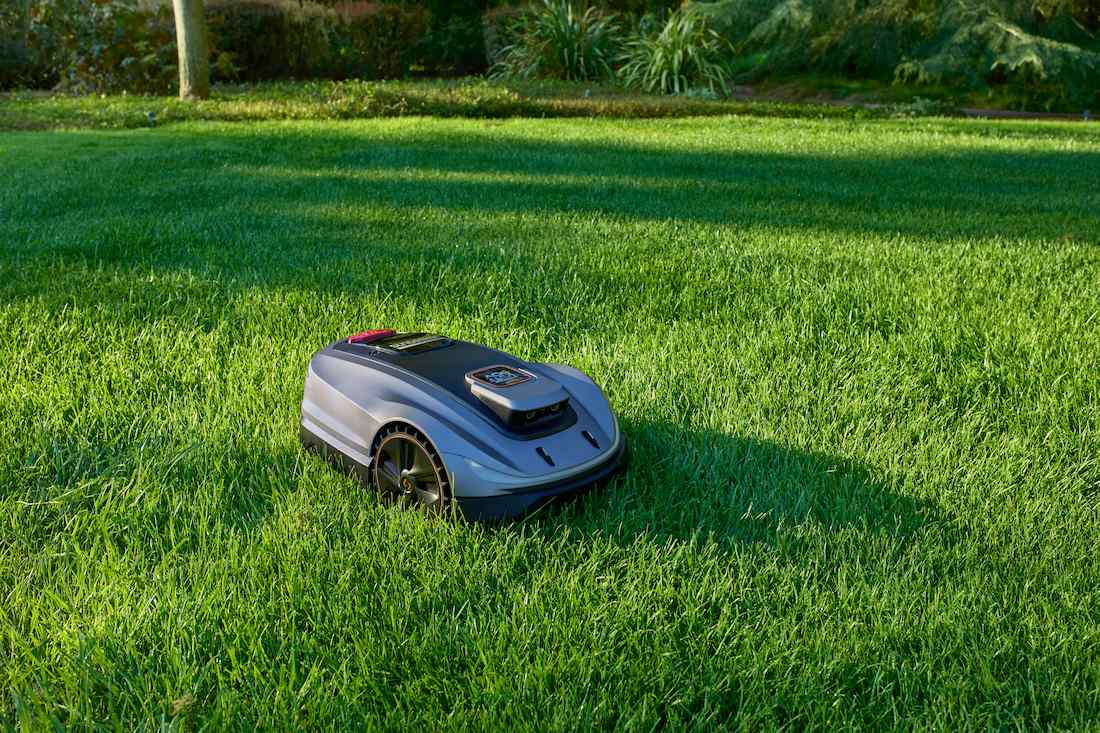
Consistent mowing can support an even canopy once the lawn is dry and actively growing. For larger or multi-zone yards, the Sunseeker Elite X5 offers scheduled mowing, intelligent path planning, and adjustable zone settings. Its floating cutting disc follows mild ground contours, while automatic rain detection stops mowing when rain begins.
In many cases, yes. Red thread commonly damages the foliage while leaving the crown and roots alive. As the weather changes and the lawn resumes healthy growth, new leaves gradually replace the discolored ones.
If crowns are alive, many red thread patches fill in after 2–4 weeks of active growth. Continue normal mowing rather than aggressively raking out every tan blade, which can tear out plants that were capable of recovery.
Repair becomes worthwhile when patches remain thin after the weather improves and the lawn is growing normally. Lightly rake dead leaf material, loosen the soil surface, overseed with a suitable turf mix, and keep the seedbed consistently moist until germination. For cool-season lawns, late summer to early fall is usually the best repair window because soil is warm, nights cool down, and weed pressure drops.
Call a lawn professional when red thread returns several times a year, covers a large percentage of the yard, or persists after you have corrected feeding, watering, mowing, and airflow. Professional help also makes sense if you suspect drainage failure, severe compaction, poor soil chemistry, or multiple diseases overlapping.
A pro can confirm the diagnosis, recommend a soil test-based fertility plan, and decide whether a fungicide program is justified. That matters because repeated fungicide use without diagnosis wastes money and leaves the same weak lawn conditions in place. Escalate when the pattern is persistent, not just because one damp week made the lawn look rough.
Now you know how to treat red thread in lawns. It may look alarming, but most lawns can recover without major renovation. Confirm the red or pink strands first, then support steady growth with suitable nutrition, early watering, clean mowing, and better airflow.
Avoid heavy fertilizer applications or automatic fungicide use. Both can create new problems when the cause has not been addressed. If the crowns remain alive, give the grass time to replace damaged leaves. Recurring outbreaks point to an ongoing issue with moisture, drainage, shade, compaction, or lawn nutrition that needs professional attention.
Red thread usually improves within two to four weeks once growing conditions change and the lawn receives proper care. Visible red strands may disappear sooner, but damaged grass needs time to recover. Severe cases can last longer during cool, damp weather. Continue mowing properly, improve airflow, and avoid keeping the lawn constantly wet.
Apply a balanced lawn fertilizer with enough nitrogen to support recovery, then water deeply but less often. Mow with a sharp blade and collect heavily infected clippings to reduce spread. Fungicides are rarely necessary for home lawns, but they may help severe, recurring outbreaks. Check soil nutrients before adding repeated fertilizer applications.
Overwatering does not directly create red thread, but it keeps grass blades wet and creates conditions that help the fungus develop. Frequent evening watering is especially risky because leaves stay damp overnight. Water early in the morning, irrigate deeply but infrequently, and improve drainage in low areas where moisture remains for long periods.
Nitrogen does not kill the fungus directly, but a properly timed application can help grass outgrow the damage. Use a moderate amount of slow-release nitrogen based on a soil test or lawn needs. Avoid heavy applications, which may cause weak growth or other diseases. Improvement usually appears as healthy new blades replace infected tissue.