



FAQs
7/25/2026
Contents
Products
Residential Lawns


Explore
Where to Buy


Dog urine spots happen because concentrated nitrogen and salts can overwhelm a small area of grass. The best solution combines quick rinsing, better lawn care, a suitable dog routine, and proper repair when grass is already damaged.
A yard can be comfortable for your dog and still be hard on the grass. When the same bathroom spots appear day after day, small yellow or brown circles can show up quickly, often with darker green growth around the edges. It is a common problem because dog urine is concentrated in one area and the grass does not always have time to recover.
If you are wondering how to stop dog wee killing lawn, this blog will explain why the damage happens, which daily habits can reduce new spots, and how to repair affected areas without making the yard less dog-friendly.
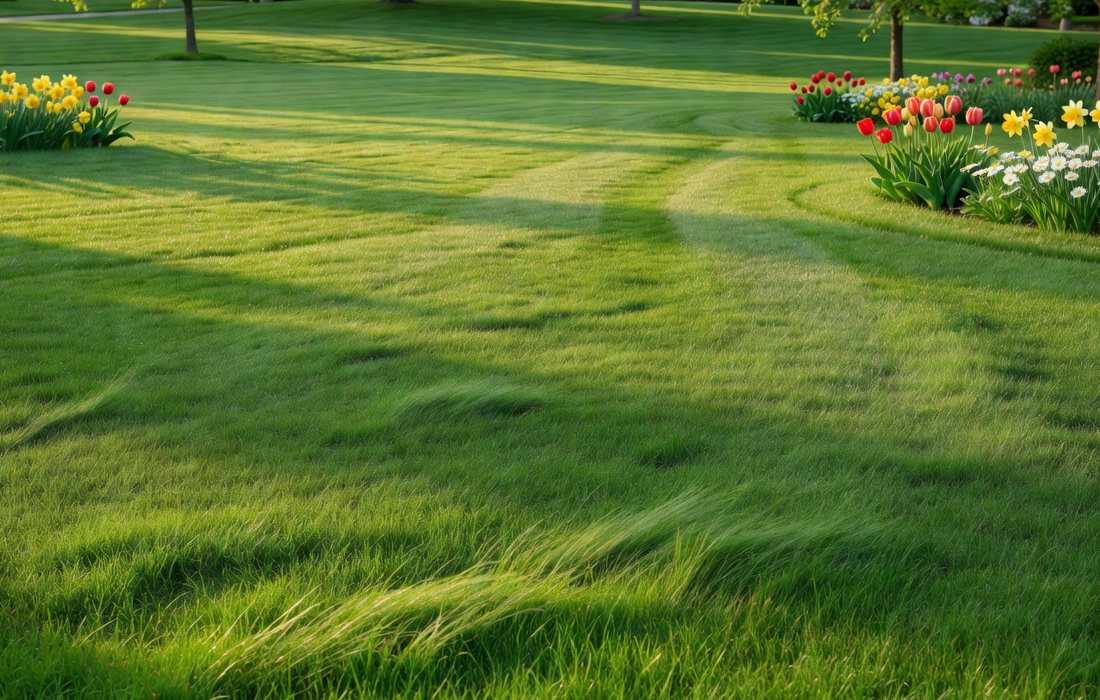
Dog urine does not damage grass because it is simply “bad” for plants. The main issue is concentration. Urine contains nitrogen and salts, and grass needs nitrogen in small amounts. When too much concentrated urine reaches one small patch, the grass cannot process it quickly enough.
The result is similar to applying too much fertilizer in one spot. The grass blades may turn yellow, then brown, and the roots can become stressed. The damage is usually worse when the dog uses the same area repeatedly, the soil is dry, or the grass is already weak from heat or poor care.
Several factors influence how strong the damage becomes:
The common idea that only female dogs cause lawn damage is not accurate. Female dogs often create more visible circles because they usually release urine in one place. Male dogs can create the same problem if they repeatedly use the same section of grass.
Dog urine damage usually has a recognizable pattern, but it can be confused with drought, disease, insects, or fertilizer burn. Looking closely before treating the area prevents the wrong repair.
Typical urine spots often have a brown or dead center with a darker green ring around the outside. The green edge happens because diluted urine may act like a small fertilizer dose. The center receives the highest concentration and suffers the most damage.
Common signs include:
Before repairing, check whether the grass is actually dead. If the blades are only yellow and the roots are healthy, better watering may allow recovery. If the area is dry, brittle, and pulls up easily, reseeding or replacement may be needed.
The best prevention strategy is not one single product. It is a combination of reducing urine concentration, protecting grass health, and changing bathroom habits when needed.
The simplest method is dilution. Rinsing the spot with water helps move nitrogen and salts deeper into the soil, reducing the concentration near the grass roots. This works best when done soon after the dog uses the lawn.
You do not need to flood the entire yard. Focus on the areas your dog uses most often. A watering can or hose with a gentle spray is usually enough. Avoid creating constantly wet soil because overwatering can create new lawn problems.
A designated bathroom area can protect the main lawn. Some homeowners use gravel, mulch, pet-friendly artificial turf, or a less visible corner of the yard. Training your dog to use that area takes time, but it reduces repeated stress on the same grass.
Reward the correct behavior and keep the area clean. A practical dog zone is often easier to maintain than trying to protect every blade of grass.
Healthy grass handles stress better. Keep mowing height appropriate for your grass type, water deeply during dry periods, and avoid excessive fertilizer. Weak grass with shallow roots is more likely to show damage after small problems.
Many products claim to neutralize dog urine, but results vary. Some focus on odor rather than grass recovery. Always check ingredients and avoid products that may harm pets, soil, or plants. The most reliable approach is usually water, better lawn care, and correct repair.
Once a urine spot is dead, prevention alone will not bring the grass back. The repair process depends on the size of the damaged area and whether the roots are still alive.
Rake away brown, loose grass until you reach firm soil. Remove dead material because new seed needs direct contact with the ground. If the area is only slightly damaged, avoid removing healthy grass that may recover.
Loosen the top layer of soil and add a thin layer of compost or quality topsoil if needed. This improves seed contact and gives new roots a better environment. Do not bury the surrounding lawn under a thick soil layer.
Choose seed that matches your existing lawn. Cool-season grasses and warm-season grasses need different repair timing. Spread seed evenly, press it into the soil, and keep it moist until germination. For faster results, small sod pieces can replace badly damaged sections.
Keep pets away from repaired spots until new grass is established. Young grass has shallow roots and can be damaged quickly by traffic or another urine spot. Wait until the repair area has been mowed several times before normal use.
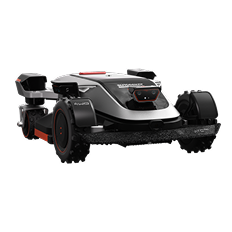
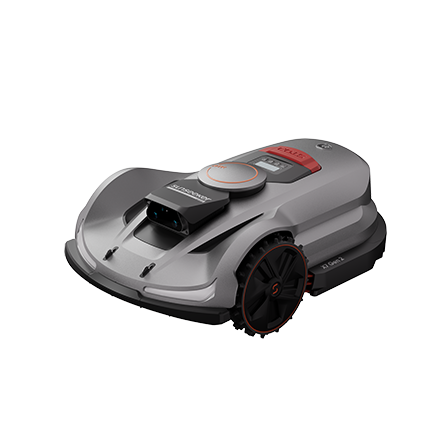
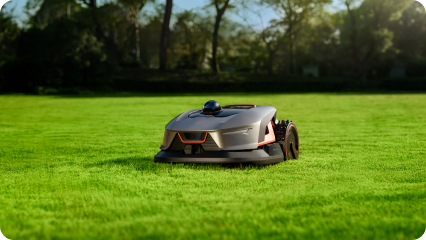
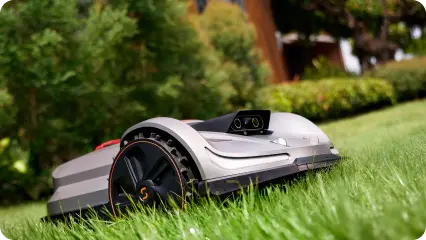
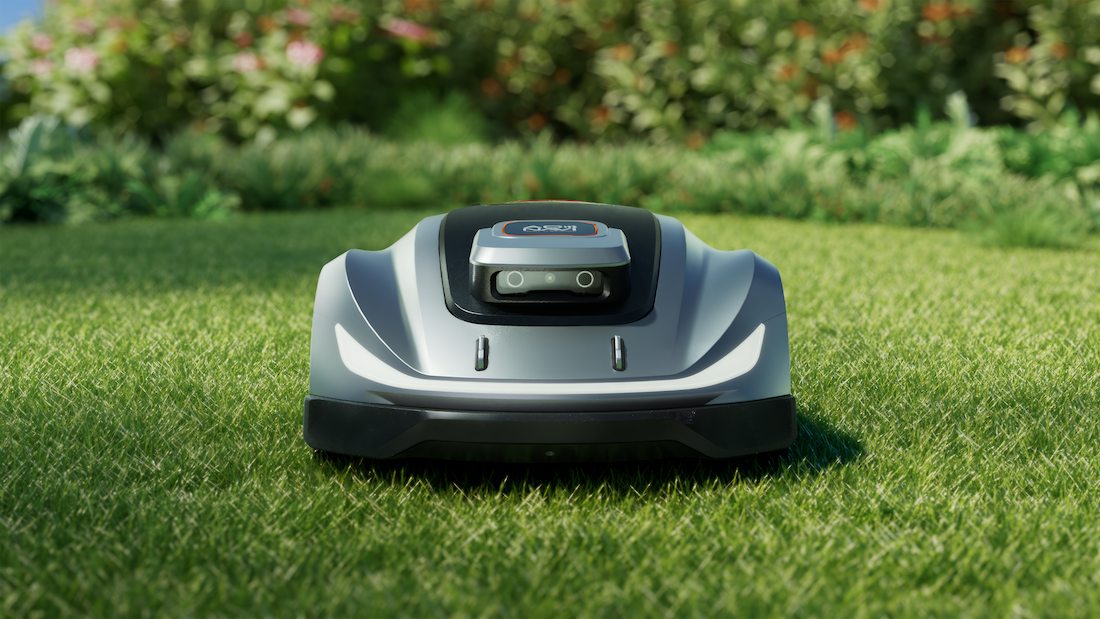
Once the repaired grass is established, consistent mowing can help prevent additional stress across the lawn. A robot lawn mower supports frequent, light cutting, which helps maintain an even grass height without removing too much growth in one pass.
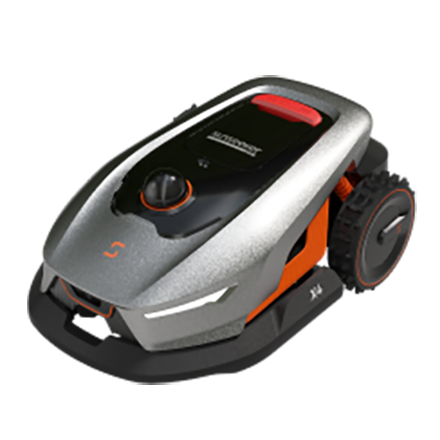
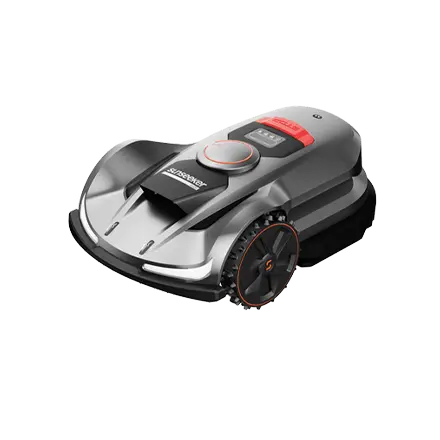
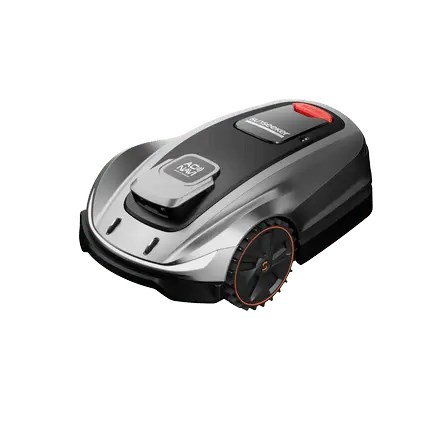
Newly seeded patches still need protection during the early repair stage. With the Sunseeker Elite X5, virtual boundaries and multi-zone management can be used to exclude recovering spots while routine mowing continues elsewhere. App control also makes it easier to adjust the mowing area as each patch becomes established.
Learning how to stop dog wee killing lawn starts with understanding the cause. Urine spots are usually caused by concentrated nitrogen and salts, but grass condition, watering, and lawn habits affect how severe the damage becomes. Rinse fresh spots, improve grass health, repair dead areas correctly, and create routines that work for both your dog and your lawn. A healthy lawn can handle normal pet use when it receives consistent care.
The best solutions are dilution, healthier grass, and better bathroom habits. Watering fresh spots can reduce concentration, while proper mowing and soil care help grass recover. Some supplements and products are marketed for urine damage, but always check safety with a veterinarian before changing your dog’s diet.
Grass can grow back if the roots and growing points are still alive. Light yellowing may recover with water and care. Dead brown centers usually need repair with seed or sod. The same spot can fail again if the dog continues using it and the underlying cause is not addressed.
Do not add anything to your dog’s water without veterinary advice. Changing urine chemistry is not a reliable lawn solution and may affect your pet’s health. The safer approach is watering the lawn after use, improving grass health, and creating a suitable bathroom area.