








FAQs
7/25/2026
Contents
Products
Residential Lawns









Explore
Where to Buy


For the best results, spread grass seed during active growth, loosen the soil first, use the right seed rate, and water lightly but often. Seed must touch soil, not sit on dead grass or thatch. After germination, protect the area and mow only when the new grass is strong enough.
A thin patch in the yard can be frustrating. You water it, wait for green growth, and still see bare soil after a few weeks. In many cases, the problem is not the seed itself. It is poor timing, dry soil, compacted ground, or seed that never reached the soil.
Learning how to spread seed in lawn areas properly helps you avoid wasted seed and uneven growth. The steps below show when to seed, how to prepare the surface, how much seed to use, and how to care for the grass while it is young.
Timing affects germination more than many homeowners expect. Grass seed needs warm soil, steady moisture, and enough mild weather to grow before heat, drought, frost, or heavy lawn use adds stress.
For cool-season grasses such as fescue, ryegrass, and Kentucky bluegrass, early fall is usually the strongest window. Soil is still warm, nights are cooler, and weeds slow down. Aim for soil temperatures around 50–64°F, with daytime air temperatures often near 59–75°F. Spring can also work, but young grass may meet summer heat before roots are deep.
For warm-season grasses such as bermudagrass, zoysia, and centipedegrass, late spring or early summer is better. These grasses need warmer soil, often around 64–84°F. Choose a calm day with no heavy rain expected for at least 24 hours, because storms can wash seed into low spots.
The right method depends on what is already growing. A new lawn and an overseeded lawn use similar seed, but the preparation, seeding rate, and expectations are different.
A new lawn starts with bare soil. You need to grade the surface, remove stones and debris, loosen the top 2–3 in of soil, and create a smooth seedbed. Because no existing grass shades the soil, watering must be gentle and consistent during germination.
Overseeding means adding seed into an existing lawn to thicken thin areas or improve grass type. It works best when at least half of the lawn is still healthy. Mow lower than usual, rake out loose thatch, and aerate compacted zones so seed can settle into the soil instead of resting on old grass.
If the lawn is mostly weeds, severely compacted, or more bare than green, overseeding alone may disappoint you. Repair the soil and reduce weed pressure first so new seedlings have space, light, and moisture.
Good preparation gives seed a place to settle, absorb moisture, and root. Skipping this stage is the main reason grass seed dries out, washes away, or becomes bird food.
For overseeding, mow the lawn to about 1.5–2 in before you begin. This lets more light reach the soil and helps seed fall between grass blades. Bag the clippings so they do not form a loose layer over the seedbed.
Rake away leaves, sticks, dead grass, and thick thatch. A thin organic layer is normal, but a springy layer thicker than about 0 in can block seed-to-soil contact. In small areas, a firm garden rake is enough.
Grass seed roots into the top few centimeters first, so the surface cannot be hard and sealed. Scratch small bare spots with a rake. For larger compacted lawns, core aeration opens channels for air, water, and seed.
Spread 0.2–0.4 inches of screened compost or quality topsoil over low, hard, or thin areas, then rake it in. Avoid burying existing grass. Seed performs best in a firm, even seedbed, not in fluffy soil that collapses after watering.
Pick seed for your climate, sun exposure, and lawn use. Sunny, high-traffic areas need a different mix than shaded areas under trees. Check the label for germination rate, weed seed percentage, and recommended seeding rate.
Once the lawn is prepared, the goal is even coverage without burying seed too deep. Most grass seed should sit close to the surface, with enough soil contact to stay moist.
Measure the length and width of the area, then multiply them to estimate square meters. For irregular lawns, divide the space into smaller rectangles and add them together. Measuring first prevents waste and helps you follow the seed label.
Use the label as your main guide. As a general reference, many cool-season overseeding jobs use about 3–6 lbs of seed per 1,000 sq ft, while a new lawn may need about 6–10 lbs of seed per 1,000 sq ft. Too much seed creates crowded seedlings that compete for water and nutrients.
A handheld spreader works for small patches. A drop spreader gives cleaner control near beds, paths, and driveways. A broadcast spreader covers bigger lawns faster, but it throws seed wider, so overlap each pass with care.
Split the seed amount in half. Spread the first half across the lawn in one direction, then spread the second half at a right angle. This cross-pattern reduces stripes and bare lanes. Walk at a steady pace and keep the spreader moving before opening the gate.
After spreading, rake very lightly so the seed settles into the top few millimeters of soil. Do not bury it deeply. Most lawn seed only needs about 1/8–1/4 inch of cover. Press small patches with gentle foot pressure or the back of a rake.
On bare soil, a thin layer of straw, peat-free compost, or seed-starting mulch can help hold moisture. Keep the cover light enough that you can still see some soil. A heavy layer blocks light and can lead to weak growth.
Aftercare decides how much of your seed becomes real grass. The first few weeks are mainly about moisture, patience, and avoiding pressure on young roots.
Water immediately after spreading seed. Use a gentle spray so seed stays in place. For the first 7-21 days, keep the top 0.4–0.8 inches of soil consistently damp. That may mean watering once or twice a day in mild weather. Avoid puddles because standing water can move seed and reduce oxygen in the soil.
Germination time depends on grass type. Perennial ryegrass may show in 5-10 days. Tall fescue often takes 7-14 days. Kentucky bluegrass can take 14-30 days. Keep watering even if only part of the lawn has sprouted, because slower seed may still be active.
Stay off the seeded area as much as possible until the grass reaches about 3–4 in. First mowing should happen only when the soil is firm and the blades are tall enough. Set the mower high and remove no more than one third of the grass blade.
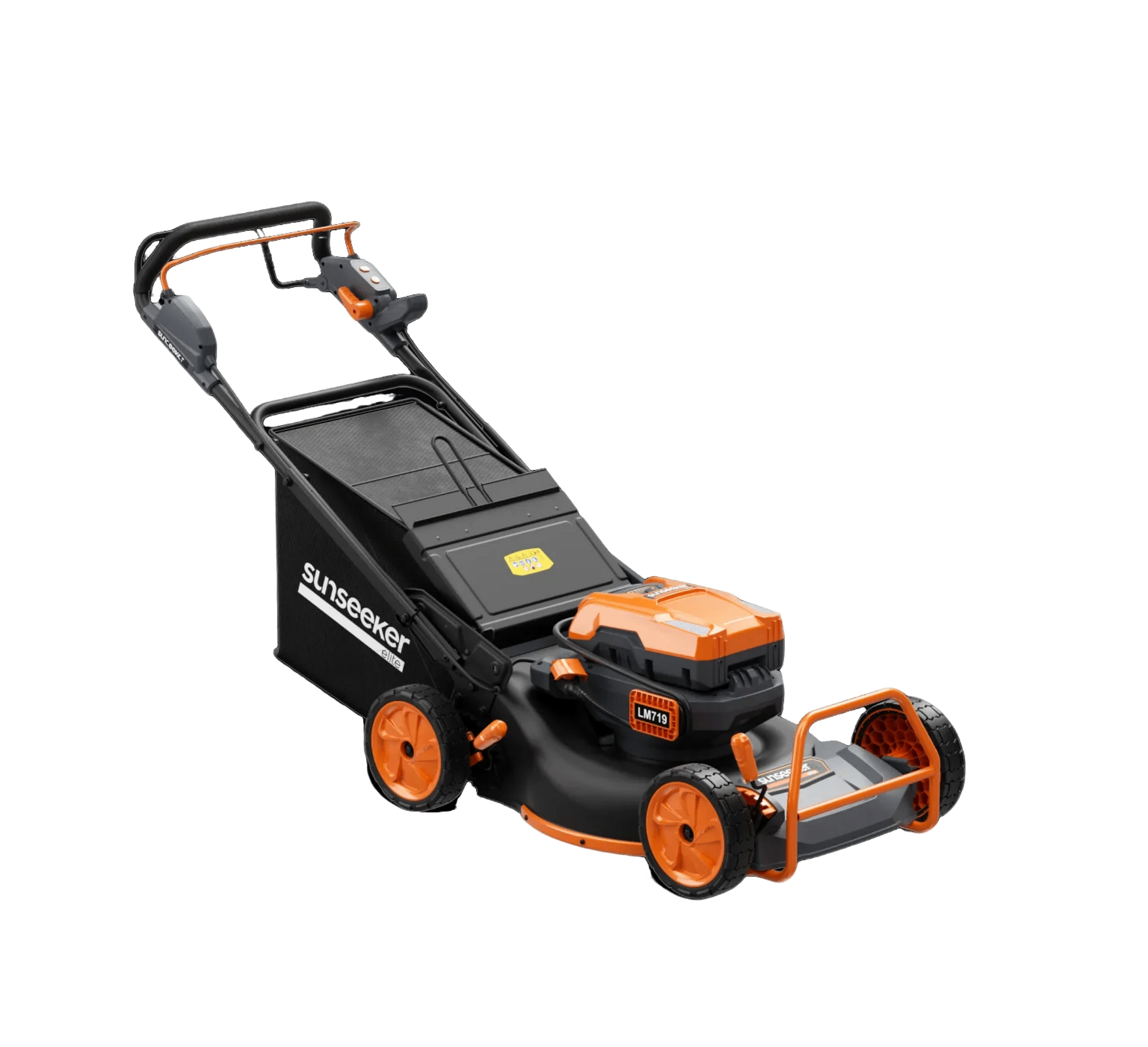
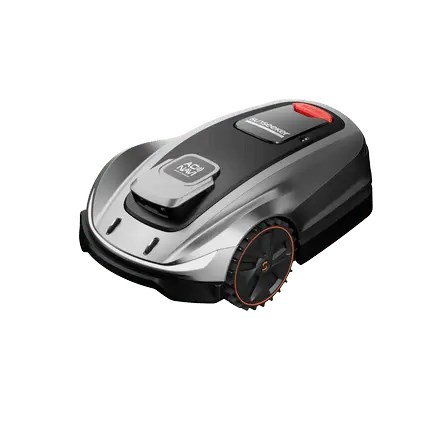
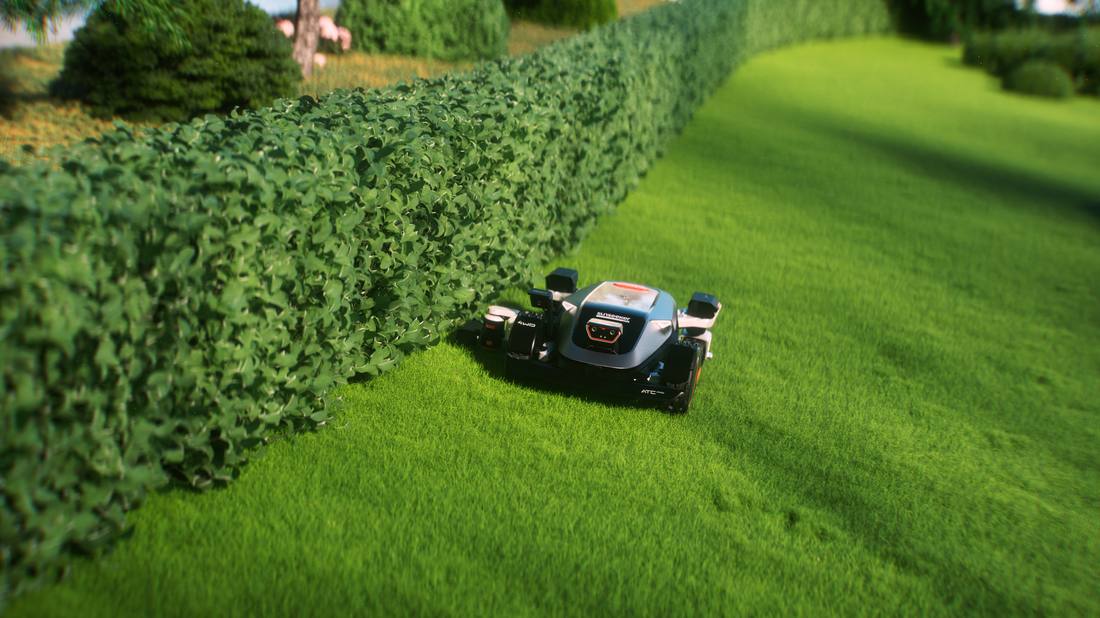
After the seeded area is fully established and has handled several regular cuts, large properties benefit from a repeatable mowing routine rather than occasional heavy cuts. For that stage, Sunseeker Elite X9 can help maintain an already established large lawn with planned routes, AONavi positioning, and a 17 in dual cutting system. Keep new seedlings out of any automated schedule until the grass is strong enough and the surface is firm.
If you used starter fertilizer at seeding, wait until the grass has been mowed a few times before adding more nitrogen. Too much fertilizer too soon can push soft top growth before roots are ready.
Most seeding failures trace back to a few simple problems. Avoiding these mistakes saves seed, time, and frustration.
Knowing how to spread seed in lawn areas is less about throwing seed around and more about giving it the right start. Time the job for active growth, prepare the soil, spread seed evenly, water gently, and protect young grass until it is ready for normal mowing. Once the lawn is established, steady maintenance keeps the new growth dense. For bigger properties, Sunseeker also offers robotic lawn mower for large lawns options that support regular care without turning seeding into a product-focused task.
The easiest method is to mow low, rake the surface, use a broadcast or handheld spreader, then water gently. For even coverage, divide the seed in half and spread it in two crossing passes. On small bare spots, hand spreading works if you press the seed into soil afterward.
You can spread grass seed over an existing lawn, but it works only if seed reaches soil. Mow first, rake out loose thatch, loosen thin areas, and water consistently. If seed sits on top of long grass or dead material, germination will be weak and patchy.
For cool-season lawns, September is often the best month in many temperate regions because soil is warm and heat stress is lower. April can work with careful watering. For warm-season lawns, late May through June is usually better because soil temperatures support strong germination and early growth.