





FAQs
7/3/2026
Contents
Products
Residential Lawns









Explore
Where to Buy


To effectively repair brown patches in your lawn, start by identifying the underlying cause, whether it’s dormancy, disease, or damage. Remove any dead material and address issues like soil compaction or poor drainage before reseeding. Once the area is prepared, reseed with compatible grass and maintain consistent moisture until the new growth establishes. Understanding the reasons behind the patches can help prevent future occurrences and ensure a healthy lawn.
A brown patch can appear almost overnight: one week the lawn looks even, and the next there is a dry, straw-colored circle near the walkway, a dog spot by the fence, or a spreading patch after humid weather. The fix depends on whether the grass is sleeping, stressed, diseased, or truly dead. Start with a simple diagnosis, then repair the area in the right order so the new growth does not fail for the same reason.

Before doing anything to a brown patch, the first decision is simple: is the grass still alive, or is it already dead? This determines whether you repair, wait, or fully replace the area.
Start with a simple pull test. Gently lift a small section of the brown grass.
If it resists and stays rooted, the grass is still alive and may recover once the stress is fixed. If it lifts easily like dry straw, the root system has already failed and the area will need reseeding.
This single check is enough to separate recovery cases from full repair cases.
Next, check the base of the grass and the soil underneath.
Look at the crown near the soil line:
Then test the soil with a screwdriver or similar tool:
At this point, the repair path becomes clear:
Once this is confirmed, you can move directly into the repair steps without trial-and-error treatments or unnecessary products.
Once the patch has been correctly identified and the underlying condition confirmed, the repair process becomes a controlled sequence of soil preparation and regrowth support designed to restore full turf coverage without repeating the same stress conditions.
Start by cutting out any dead or detached grass that was confirmed in the diagnosis stage. Work slightly beyond the visibly affected area so the edges don’t remain weak and continue spreading. Clear away all loose thatch and organic debris until only firm soil is exposed. This creates a stable base where new seed can make direct contact with the ground instead of sitting on decaying material.
Once the surface is clear, break up the top layer of soil so it is no longer crusted or compacted. A lightly raked surface improves how seed settles and reduces runoff when watering begins. The goal here is not deep digging, but restoring a loose, receptive top layer that allows uniform germination instead of patchy growth.
If the patch area feels hard, dense, or has been exposed to repeated foot traffic, loosen the soil further using aeration or targeted perforation. This improves air exchange and allows water to move into the root zone instead of sitting on the surface or running off. In areas where water previously pooled or failed to soak in, reshaping the top layer helps re-establish even absorption patterns.
Before applying seed, make sure the soil surface is level and lightly moistened. Uneven ground leads to inconsistent seed depth, which directly affects germination speed and density. A stable, slightly damp surface improves seed adherence and reduces displacement during the first watering cycles.
Spread matching grass seed evenly across the prepared area so it blends with the surrounding lawn texture. Press the seed gently into the soil so it is not left exposed on top, which can cause drying or movement. After seeding, maintain consistent light moisture so the surface never fully dries out during early establishment. Under normal conditions, visible germination begins within one to two weeks, depending on grass type and temperature.
Brown patches usually follow clear patterns. Matching the visual signs helps confirm what’s wrong before repair.
Appears as irregular, expanding patches, often in warm, humid weather or shaded, damp areas. Grass turns tan and spreads gradually where moisture lingers overnight.
Shows up in dry, sun-exposed zones like edges, slopes, and pavement areas. Grass turns uniformly straw-colored and worsens during hot, dry periods.
Small, sharp-edged brown centers with a green ring. Often repeated in the same spots due to concentrated nitrogen and salts.
Common in high-traffic areas. Grass thins slowly. Water either runs off quickly (compaction) or stays pooled (poor drainage).
Usually sudden and localized after feeding. Appears as streaks or spots matching application patterns or spill areas.

Once the new seed has germinated and the repaired area starts blending into the surrounding lawn, the focus shifts from “repair” to stabilizing new root growth under real lawn conditions. This phase determines whether the patch becomes fully invisible or fails and thins out again under stress.
New grass is still developing shallow roots and reacts quickly to inconsistent moisture. Keep the repaired area lightly and evenly moist during early establishment, avoiding both drying out and saturation. Watering should support steady surface hydration so seedlings can anchor into deeper soil layers without interruption.
Freshly established grass is structurally weak and easily displaced. Keep foot traffic off the repaired area until it clearly matches the surrounding lawn density.
In many lawns, uneven mowing patterns or occasional scalping is one of the reasons newly repaired patches fail again. This is where consistent cutting becomes more important than frequency.
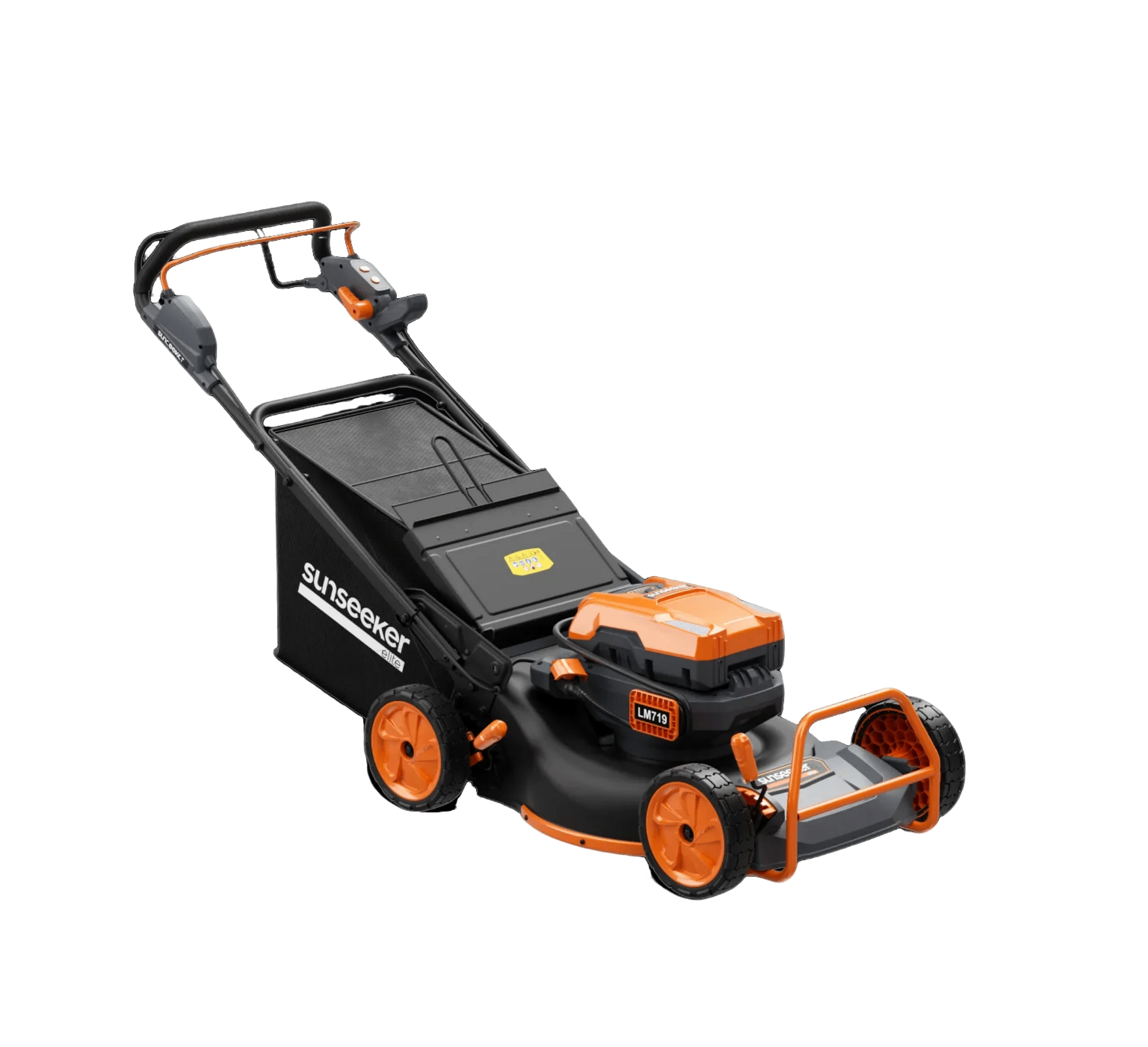
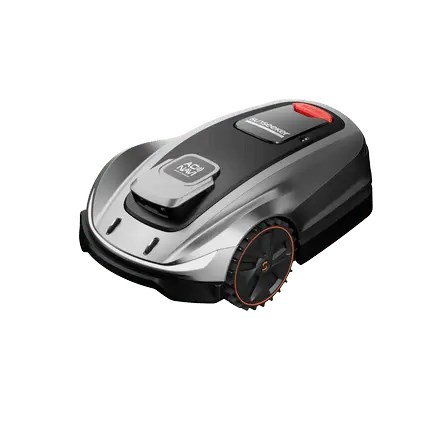
For homeowners managing larger or irregular lawns, a robot lawn mower can help maintain a steady cutting height across the yard, reducing stress on newly repaired areas during the recovery phase. Models like the Sunseeker Elite X4 are designed to support this kind of low-stress maintenance once the lawn begins to stabilize.
As the new grass fills in, the goal is consistency rather than acceleration. Sudden changes in watering intensity, mowing height, or lawn usage create uneven growth patterns that make the repaired area visible again. A stable routine allows the new turf to align naturally with the surrounding lawn texture and color.
During the blending phase, some patches may appear slightly thinner than others. This usually reflects uneven seed density or micro-variations in soil condition within the repaired zone. Light overseeding in sparse areas can be applied once initial growth is established to achieve uniform coverage without restarting the repair cycle.
To repair brown patches in lawn areas effectively, the key is to match the repair method to the actual damage pattern—dead turf, stress, or soil issues—before applying seed or treatment. Most failures come from skipping diagnosis and fixing only the surface symptom. Once the cause is addressed, reseeding and restoring consistent moisture allow new grass to establish and blend back into healthy turf. Proper identification, followed by targeted repair, is what ensures brown patches don’t return in the same areas.
The best treatment starts with diagnosis, not seed or fertilizer. Check whether the grass is dormant, diseased, compacted, drought-stressed, burned by pet urine, or truly dead. Rake out loose dead grass, fix watering, drainage, or soil problems, then reseed bare areas with a compatible grass seed. If fungal disease is active, improve airflow and watering habits before using a labeled lawn fungicide.
Brown patches can recover if the grass is dormant or only lightly stressed. If the crowns are alive and the roots stay anchored, better moisture and cooler conditions may bring color back, sometimes within a few weeks. Grass that pulls up easily, smells rotten, shows bare soil, or remains brown after severe stress is more likely dead and will need cleanup and reseeding.
What you put on the lawn depends on the cause. For dead or thin spots, loosen the soil, apply matching grass seed, press it in, and keep it consistently moist until established. For pet urine spots, flush the area with water before reseeding. Avoid adding fertilizer blindly, because brown spots may come from drought, disease, burn, compaction, or poor drainage rather than lack of nutrients.