










FAQs
6/18/2026
Contents
Products
Residential Lawns





Explore
Where to Buy


Most riding mowers sold in the US run two belts, a deck belt for the blades and a drive belt for the wheels. A typical replacement costs $20 to $60 and takes under an hour in the garage. Lowering the deck, following the routing diagram under the belt cover, and seating the belt fully on every pulley are the keys to a clean install.
A belt that snaps or slips off usually announces itself right away. The blades stop spinning, the mower stops moving, or a burnt rubber smell drifts up from the deck. The good news is that learning how to put a belt on a riding lawn mower is well within reach for a home mechanic, and it saves both a shop fee and a week of waiting for a service slot. This guide covers how to identify which belt you are replacing, the tools and prep work involved, the installation steps, and the mistakes that most often send people back under the deck.
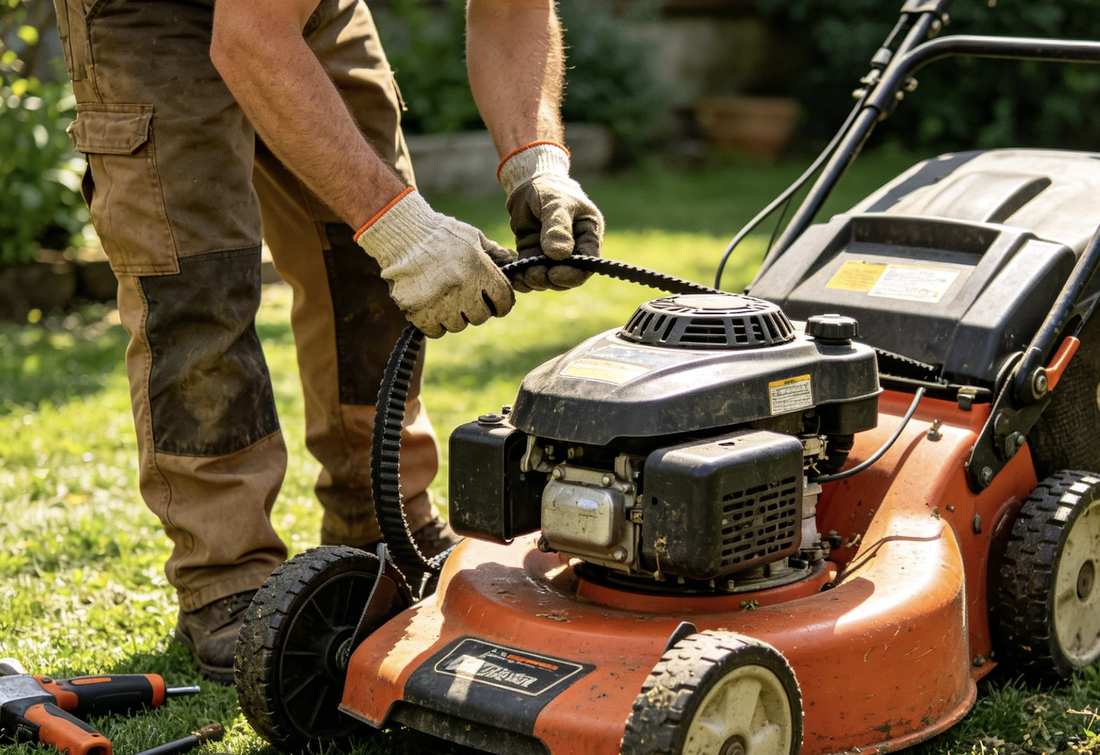
Before buying anything, it helps to confirm which belt has actually failed, because most riding mowers use more than one. Picking up the wrong replacement belt for riding lawn mower decks or drive systems is one of the most common reasons a repair stalls halfway through.
|
Belt |
Where It Sits |
What It Does |
Typical Failure Signs |
|
Deck belt (PTO belt) |
On top of the mower deck, looping from the engine pulley to the blade spindles |
Transfers engine power to the blade spindles |
Blades will not engage, uneven cutting, squealing under the deck |
|
Drive belt (transmission belt) |
Under the frame, running from the engine pulley back to the transmission near the rear axle |
Transfers engine power to the transmission and wheels |
Mower will not move or loses speed on slopes |
Symptoms point to the right belt quickly. When the engine runs and the mower drives but the blades will not engage or cut unevenly, the deck belt is the suspect. When the blades work but the machine creeps or loses power on slopes, a riding mower drive belt replacement is the likely fix. A visual check settles it either way: cracks, frayed edges, missing chunks of rubber, or a shiny glazed surface all mean the belt has reached the end of its life.
Good preparation does more for this job than any special skill, and a few minutes of setup keeps the routing stage from turning into guesswork.
It is a good idea to gather the following before touching the mower:
The belt itself deserves the most care of anything on that list. The most reliable way to match a new one is the part number in your owner's manual or printed on the old belt, since measuring a stretched, worn belt gives a misleading length. Parts lookup pages for riding lawn mower belts replacement list the exact belt by model and serial number, which is safer than matching by appearance. Two belts can look identical on the shelf and still differ by an inch, and that inch decides how well the idler spring holds tension.
Safety check before any work starts. Belt replacement puts your hands inches from the blades and pulleys, so this part is not optional. Go through every step below before touching the deck:
These five steps remove any chance of the blades engaging while your hands are near the pulleys. A scheduled riding mower belt replacement done calmly in the garage is far safer than an emergency fix in the yard with a hot engine.
Layouts vary by brand, so your manual's routing diagram is the final authority. Still, the basic sequence of how to put a belt on a riding mower deck looks the same on most lawn tractors, and the steps below will track closely with what you see on your own machine.
Step 1: Lower the deck. Move the deck height lever to its lowest setting. This loosens the belt and gives you room to work at the engine pulley.
Step 2: Take the belt off the engine pulley. Remove the small belt keepers around the pulley first, then slip the old belt off.
Step 3: Disconnect the deck. Unhook the front link, the two hanger brackets, the PTO cable clip, and the idler spring. The hardware varies by model, so it helps to take a photo before each part comes off.
Step 4: Slide the deck out. Raise the height lever, turn the front wheels to one side, and pull the deck out from under the mower.
Yes. With the mower powered down, remove packed grass and debris around pulleys, guards, and belt co
Step 6: Route the new belt. Copy the diagram printed under the belt cover or in your manual. The belt sits fully in every pulley groove and inside every keeper.
Step 7: Put everything back. Work in reverse order: tighten the idlers, refit the covers, slide the deck under, and reconnect the spring, cable, brackets, and link.
Step 8: Test it. Reconnect the spark plug wire, start the engine, and engage the blades at low throttle. A quiet, steady spin means the routing is right.
For the drive belt, the job is actually shorter because the deck stays on the mower. You work from under the frame instead: release the tension at the idler pulley, slip the old belt off the engine pulley and the transmission pulley, then route the new one along the same path shown in your manual. The safety checklist above applies in exactly the same way.
Many owners searching for how to change belt on riding mower decks expect a tension adjustment at the end, but most modern decks use a spring-loaded idler that sets tension automatically. If the belt feels loose after a correct install, the spring or the idler pulley is usually the worn part, not the belt. A quick once-a-year look at the belt, spring, and idler pulleys before mowing season catches that wear early, so a small part never gets the chance to cut the season short.
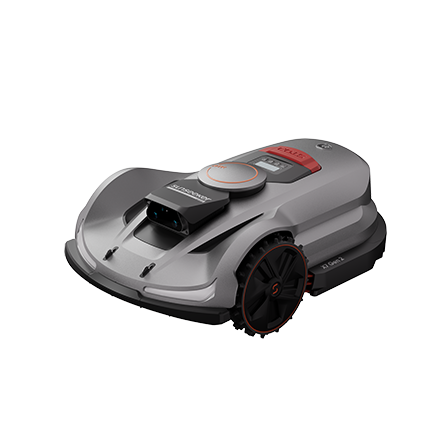
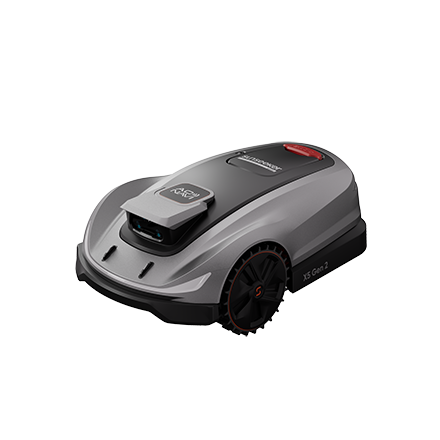
When the job starts to feel like an annual ritual, it may be worth questioning the format itself. A robot lawn mower runs the blades directly off electric motors, so there is no deck belt to route, no pulleys to drop, and no spring tension to chase season after season.
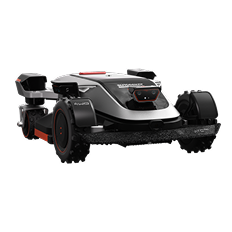
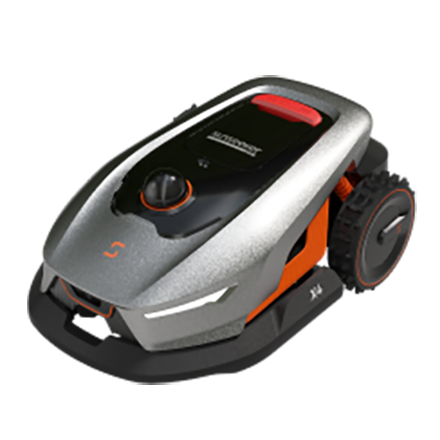
The Sunseeker Elite X4 keeps the lawn cut on its own schedule with no belts, no fuel, and no deck removal in its maintenance routine. Setup is wire free: the mower connects to the app, maps the yard automatically with 360° 3D LiDAR and Vision AI, and plans efficient stripes across lawns up to 0.3 acres, so the weekly ride and the seasonal repair both disappear from the calendar.

Most problems with replacing belt on riding mower decks come from small oversights, not from any hard step. These four mistakes cause the majority of failed installs:
If a new belt keeps slipping off, the cause when changing belt on riding mower decks is usually one of three things: dirt packed into a pulley groove, a stretched idler spring, or a bracket bent by a past impact. The same checks apply to a ride on mower drive belt replacement under the frame, where grass buildup around the transmission pulley is the most common cause. In most cases, cleaning the grooves and confirming every pulley spins freely fixes the problem without any new parts.
During riding lawn mower repair, belt failures often trace back to small routing, keeper, or pulley
The belt goes on with the deck lowered and the covers removed. Loosen the idler pulleys, route the belt around the spindle and idler pulleys exactly as the diagram under the belt cover shows, seat the V side into each groove, then restore spring tension and refit the covers. Photographing the old routing before removal makes the new install much faster.
The grooved V side faces into the V-groove pulleys, including the spindle pulleys and the engine pulley. The smooth flat back of the belt rides against the flat idler pulleys. This pairing lets the belt grip where power transfers and glide where it only changes direction, so a reversed belt wears quickly and tends to slip off.
On many models you can, as long as there is enough clearance to reach the idler pulleys and belt keepers from above or from the side. Removing the deck still tends to give a cleaner result, since full visibility lowers the risk of misrouting or missing a keeper. For first-time installs, sliding the deck out is the safer route.