








FAQs
6/16/2026
Contents
Products
Residential Lawns









Commercial Landscapes
Explore
Where to Buy


Overseeding helps thin grass fill in without removing the whole lawn. The best results come from mowing low, clearing thatch, opening the soil, and choosing seed that matches the existing grass and site conditions. Keep the top layer lightly moist during germination, avoid heavy traffic, and wait until new grass reaches about 3–4 inches before the first mow.
Bare patches and tired-looking turf can make a yard look neglected, even if you mow it regularly. If you are wondering how to overseed a lawn when fertilizer is no longer enough to hide thin or weak areas, the process is simpler than it may seem. Overseeding means spreading fresh grass seed over existing turf so new growth can fill gaps, improve density, and create a thicker, healthier lawn. In this guide, we will cover the best time to overseed, how to prepare the lawn, how to spread the seed, and what to do afterward so the new grass has the best chance to grow.

Overseeding means spreading new grass seed over an existing lawn without removing the whole turf. If you have asked what is overseeding a lawn, think of it as adding fresh grass while keeping healthy plants in place. The goal is better density, stronger color, and fewer open spaces for weeds.
A lawn usually needs overseeding when soil still supports growth, but the turf has lost thickness. This can happen after summer heat, foot traffic, pets, disease, poor watering, or years of mowing too short. Clear signs include soil showing through, patchy color, weeds moving into thin areas, and slow recovery after mowing. If most of the lawn is bare, bigger repair may be needed first. For many lawns, overseeding is enough.
Timing depends on the grass type. Seed germinates well when soil warmth, moisture, and daylight support growth. That is why when to overseed lawn is not the same answer in every region. A good season gives seedlings enough time to root before heat, frost, or heavy stress arrives.
Cool-season grasses include Kentucky bluegrass, perennial ryegrass, tall fescue, and fine fescue. For these lawns, early fall is usually the best time to overseed a lawn. Aim for about 45 days before the first expected hard frost. In many northern and transition-zone areas, that means late August through early October. Soil around 50°F to 65°F is often helpful for cool-season seed.
Fall works well because soil is still warm after summer, but the air is cooler. Weed pressure is lower, and rain is often more useful. If you are asking when is the best time to overseed your lawn and you have cool-season grass, early fall is usually the safest choice.
Warm-season grasses include bermudagrass, zoysia, centipedegrass, and bahiagrass. These grasses need warmer soil, so late spring through early summer is usually better. Soil should be around 65°F to 70°F or higher, and the lawn should be actively growing. Do not wait until extreme summer heat, because the top layer of soil can dry fast.
Preparation is where many overseeding projects succeed or fail. Grass seed needs contact with soil, not just leaves, thatch, or old clippings. If seed sits on top of a thick lawn mat, birds, wind, or dry weather can reduce germination. A little prep gives the seed a much better chance.
Mow the lawn shorter than usual, but do not scalp it. For most lawns, cutting to about 1.5 to 2 inches before overseeding works well. Bag the clippings so light and air can reach the soil. Next, rake firmly to loosen dead grass and thin thatch. If the lawn feels hard underfoot or water runs off quickly, core aeration is worth doing before seeding.
A simple preparation checklist can help:
If you plan how to overseed a lawn in spring, preparation matters even more because weeds also grow strongly in spring. Avoid using most pre-emergent weed preventers right before seeding, since they can stop grass seed germination too. Always check the label before applying any lawn product.
Once the lawn is prepared, the actual seeding process is simple. The key is even coverage, correct seed rate, light soil contact, and steady moisture. These steps will explain how do you overseed a lawn in a way that is practical for a normal yard.
Use a seed blend that suits your lawn conditions. Sunny yards need a different mix than shaded yards. High-traffic areas may need tall fescue or a durable ryegrass blend in cool-season regions. Warm-season lawns need compatible seed for the existing turf. Check the label for grass types, germination rate, and weed seed percentage.
Use a broadcast spreader for larger lawns and a handheld spreader for small patches. Follow the overseeding rate on the seed bag. For even coverage, spread half the seed while walking in one direction, then spread the rest across the same area at a right angle. This helps avoid stripes and missed patches.
After spreading, gently rake the area so the seed settles into the top layer of soil. Do not bury it deeply. Most lawn seed only needs about 1/8 to 1/4 inch of cover. A thin layer of compost or screened topsoil can help on bare spots, but thick soil can smother new seed.
Water right after seeding with a soft spray. The goal is to moisten the top inch of soil without washing seed into piles. During germination, water lightly one to three times a day as needed. The surface should stay damp, not muddy. Once new grass reaches about 2 to 3 inches tall, water less often but more deeply.
Keep kids, pets, and heavy equipment off the seeded area as much as possible for the first few weeks. New grass is tender before roots are strong. Wait until the new blades reach about 3 to 4 inches before the first mow, and use a sharp blade so the mower cuts cleanly.
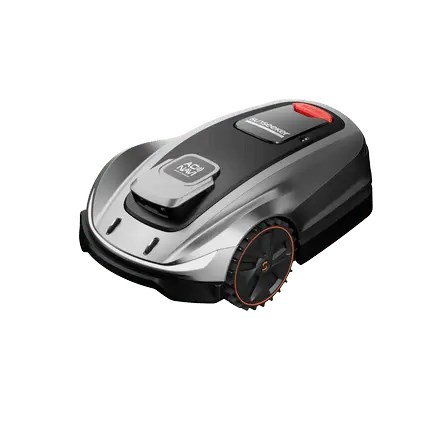
After overseeding, steady mowing becomes part of the recovery plan. A smart mower can help keep the grass at a consistent height without long delays between cuts. For a lawn with slopes, narrow passages, or complex edges, the Sunseeker Elite X4 uses wire-free setup, virtual boundaries through the app, 360° 3D LiDAR + Vision AI sensing, and intelligent path planning to support regular, lighter mowing with less manual effort.
For homeowners who want less weekend labor after learning how to overseed your lawn, a reliable robot lawn mower can reduce the routine work that often leads to overgrown grass and stressful catch-up mowing. Regular small trims are gentler on new turf than cutting too much at once, especially once young grass has reached a safe mowing height.

Aftercare is just as important as spreading the seed. New grass plants have shallow roots at first, so they need moisture, light, and gentle handling. If care stops too soon, germination may start well but the new lawn can thin out again within weeks.
Keep the surface evenly moist until most seed has germinated. Ryegrass may sprout in 5 to 10 days, tall fescue often takes 7 to 14 days, and Kentucky bluegrass can take 14 to 30 days. Once seedlings are visible, slowly change watering habits. Deep watering two or three times a week is better than constant shallow watering after the grass begins to root.
The first mow should happen only when new grass is tall enough. Set the mower high and remove no more than one-third of the blade height. If the lawn reaches 4 inches, cut it to around 3 inches. Avoid herbicides until the new grass has been mowed several times, unless the label clearly says it is safe for newly seeded lawns.
Most overseeding problems are not caused by bad seed alone. They usually happen because seed was spread at the wrong time, could not touch the soil, dried out, or faced heavy traffic too soon. Avoiding a few common mistakes makes the work more rewarding.
Another mistake is expecting instant results. Some lawns look uneven at first because grass types germinate at different speeds. Give the new turf time to fill in, then judge the results after several mowings.
Learning how to overseed lawn areas the right way helps you repair thin grass without starting over. Good timing, close mowing, soil contact, correct seed, careful watering, and patient aftercare all work together. A thicker lawn also resists weeds better and handles regular use with less stress. Once new grass is established, consistent mowing and smart lawn care tools from Sunseeker can help keep the yard healthy with less weekly effort.
You can spread grass seed over a lawn, but simply throwing it down usually gives weak results. Seed needs contact with loose soil, steady moisture, and enough light. Mow low, rake the surface, remove debris, and water gently after seeding. Those small steps improve germination.
The best way is to mow low, rake or aerate, choose seed that matches your lawn, spread it evenly, and keep the top inch of soil moist until germination. After seedlings grow, water more deeply and mow only when the new grass reaches about 3 to 4 inches.
October can work for cool-season grass in mild areas, but it may be too late where hard frost arrives soon. Grass seed needs warm soil and several weeks to root. If frost is close, dormant seeding later in the season or early spring repair may be safer.