






FAQs
7/3/2026
Contents
Products
Residential Lawns









Explore
Where to Buy


To restore your lawn’s green color, first identify whether it’s dormant, stressed, nutrient-deficient, or dead. Implementing the right care techniques, such as deep watering and soil improvement, can lead to significant recovery. Consistent maintenance and addressing underlying issues are crucial for long-term health. For immediate needs, consider using products like Sunseeker Elite X5 to enhance your lawn care routine. A simple tug test helps.
You water, you wait, and the lawn still looks tired: pale in some spots, brown in others, thin where it used to feel thick underfoot. The frustrating part is that “green it up” advice often skips the first question that matters: is the grass alive, stressed, hungry, or simply the wrong grass for the conditions? A good revival plan starts with diagnosis, then uses watering, soil care, mowing, and repair in the right order.
Before trying to green your lawn, you need to know if the grass can actually recover. The wrong diagnosis leads to wasted watering, fertilizer, and time.
Pull a small patch of grass:
Resists pulling → grass is alive and can be revived
Pulls out easily like straw → grass is dead and needs reseeding or replacement
Look at the bottom of the blades near the soil:
Green or slightly firm base → recoverable
Dry, brittle, hollow base → likely dead
The crown tells you more than the top color.
Even brown across lawn → dormancy or seasonal stress
Patchy yellow/brown spots → watering, soil, or maintenance stress
Fixed dead areas that don’t change → permanent damage
This quick diagnosis tells you what type of recovery your lawn actually needs before you move on to watering and soil correction.
Once you’ve confirmed the grass is still alive, the goal is simple: restore growing conditions in the right order so the lawn can start producing green, active blades again. Most failed recovery attempts happen because people fertilize or reseed before fixing the core issue—water access and root function.
Follow this sequence exactly for the fastest visible greening response.
Water is the fastest trigger for color recovery, but only when it reaches the root zone evenly.
Start by correcting two things:
Depth: Water long enough for moisture to penetrate several inches into the soil so roots are encouraged downward instead of staying at the surface
Consistency: Avoid daily light watering, which keeps grass shallow-rooted and slows color recovery
Coverage: Check sprinkler distribution, especially edges, slopes, and dry strips where overlap is often weak
Once hydration is corrected, lawns typically begin to respond with improved color tone and blade firmness because the plant regains basic metabolic activity.
If watering does not immediately improve greening, the issue is often not water volume but water access.
Compacted soil prevents moisture and oxygen from reaching the root system, which directly limits color recovery even when irrigation is frequent.
Key field signal:
Water pools, runs off, or soil feels hard and resistant when pressed after irrigation
When this happens, the priority is restoring soil permeability so water can actually enter the root zone. Without this step, the lawn remains visually dry even under regular watering.
Grass under stress cannot allocate energy to greening if it is being cut too aggressively.
Adjust mowing to support recovery:
Keep blade height higher than usual to preserve leaf surface for photosynthesis
Avoid cutting more than one-third of the grass height in a single mow
Reduce mowing frequency until color stabilizes
This reduces stress on the plant and allows more energy to go into rebuilding green tissue instead of regrowth repair.
Fertilizer becomes effective only after moisture and soil conditions are corrected.
At this stage, nitrogen plays the main role in restoring visible green color because it directly supports chlorophyll production and active blade growth.
The key indicator for timing is simple:
If the lawn starts showing active growth after watering correction, it is ready to respond to fertilization
If it is still dormant or dry-stressed, fertilization will not produce meaningful greening
Used in the correct sequence, nutrients accelerate color recovery rather than forcing it prematurely.
If your lawn stays brown after recovery, the issue is usually not water volume—it’s that the lawn cannot absorb or respond to it properly. Fix the condition below based on what you see.
Compacted soil limits how far water and oxygen can penetrate. Even when the surface looks wet, roots stay dry or oxygen-starved, so the grass cannot restart active growth or chlorophyll production.
Push a screwdriver into the soil after watering. If it feels hard or shallow resistance, the root zone is restricted. Focus on loosening soil access (aeration in affected areas or repeated deep watering cycles that improve infiltration over time).
Many lawns don’t fail uniformly—they fail in coverage gaps. Dry zones persist even when the system is running, so those patches stay yellow or brown while others improve.
Run sprinklers and place cups across different zones. Compare fill levels. Adjust sprinkler heads, reposition nozzles, or increase overlap in dry areas until water distribution is even across the lawn surface.
Light, frequent watering keeps moisture in the top layer only. Roots stay shallow, and shallow-rooted grass reacts poorly to heat and sun stress, staying dull or brown.
Switch to deep watering cycles that fully soak the root zone instead of daily surface wetting. The goal is fewer watering sessions but deeper penetration each time.
During high heat or drought stress, many grass types reduce activity to conserve energy. In this state, color change will not respond quickly to watering alone because growth is temporarily slowed.
Maintain consistent deep moisture and avoid aggressive fertilization or mowing stress. The lawn needs stable conditions, not extra input pressure.
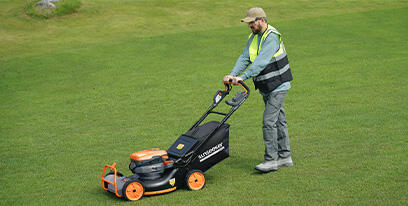
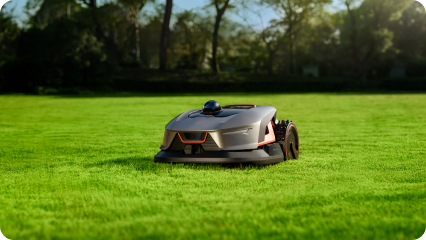
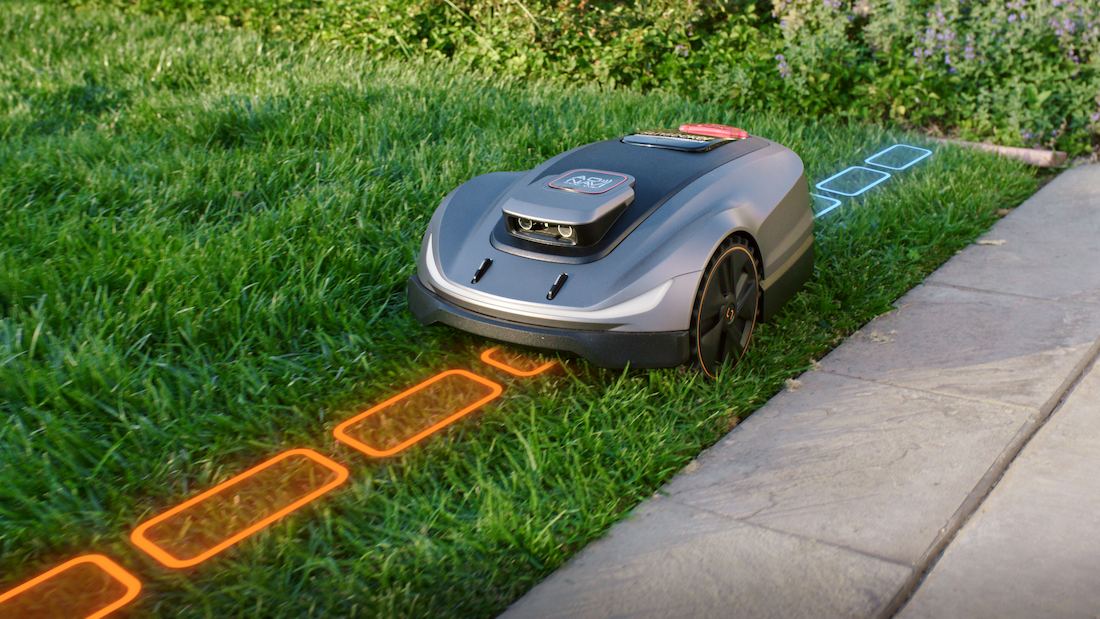
Sometimes, for larger or irregular lawns, the real challenge is not knowing what to do—it’s maintaining consistency across every zone over time. This is where automation tools like a Sunseeker Elite X5 can help reduce uneven maintenance patterns and support more consistent lawn conditions. A robot lawn mower can further help by keeping grass height uniform, which indirectly supports more even moisture retention and greener color across the lawn.
Recovery speed depends on the actual cause of browning. Use the condition below to understand what timeline to expect.
Expected timeline: a few days
Color and firmness usually return quickly once moisture balance is restored
Expected timeline: 1–3 weeks
Greening appears gradually as the grass resumes active growth
Expected timeline: slow, gradual recovery
Visible greening is delayed because root function is restricted
Expected timeline: delayed response until growth cycle resumes
Color does not change quickly even if conditions improve
Fast greening only happens when the limiting factor is correctly identified. Once the underlying issue is fixed, color recovery follows a predictable pattern based on lawn condition—not guesswork or fixed timelines.
To get your lawn green again, focus on fixing the real limiting factor first—whether it’s watering, soil conditions, nutrients, or dormancy. Most lawns recover when the root cause is correctly identified and addressed in the right order, not through random treatments. A consistent approach to moisture, soil health, and maintenance is what restores stable green color. If the lawn is alive, it can respond; if not, repair is required. Understanding this distinction is the fastest path to successfully solving how can I get my lawn green again.
Grass usually greens best when fertilizer matches a soil test, especially if the lawn is low in nitrogen or other key nutrients. Nitrogen can improve color during active growth, but too much may burn grass or create weak, disease-prone growth. If the turf is otherwise healthy but pale, iron can deepen green color without pushing excessive blade growth.
Yes, brown grass can turn green again if it is dormant or stressed rather than dead. Gently tug the brown blades: living turf usually resists and may show firmness or green near the base, while dead grass pulls out easily and feels brittle. If the area is dead, it will need seed, plugs, or sod instead of more watering.
Start by checking whether the grass is alive, then correct the most likely stress quickly: deep watering, uneven sprinkler coverage, compacted soil, mowing too short, or low fertility. If the lawn is actively growing and nutrient-deficient, suitable fertilizer may begin improving color within 1 to 3 weeks. For dead bare patches, sod gives the fastest green appearance, while seed takes longer to establish.