



FAQs
7/2/2026
Contents
Products
Residential Lawns







Explore
Where to Buy


To effectively eliminate toadstools in your lawn, start by safely removing visible mushrooms and disposing of them properly. Next, address the underlying conditions that promote their growth by improving drainage, reducing moisture, and cleaning up decaying organic matter. Regular maintenance, such as proper mowing and monitoring for regrowth, will help keep your lawn healthy and minimize the chances of toadstools returning.
After a damp week, pale caps can appear scattered through the grass, especially in shaded or frequently watered areas where children or pets play. While it is tempting to pull them out immediately, toadstools are usually just the visible part of a larger fungal network breaking down organic material beneath the soil.
Effective control is less about removing the mushrooms themselves and more about improving the conditions that allow them to grow. In this article, you will learn how to safely remove visible toadstools, reduce excess moisture and organic buildup, and adjust lawn care habits to prevent them from returning.
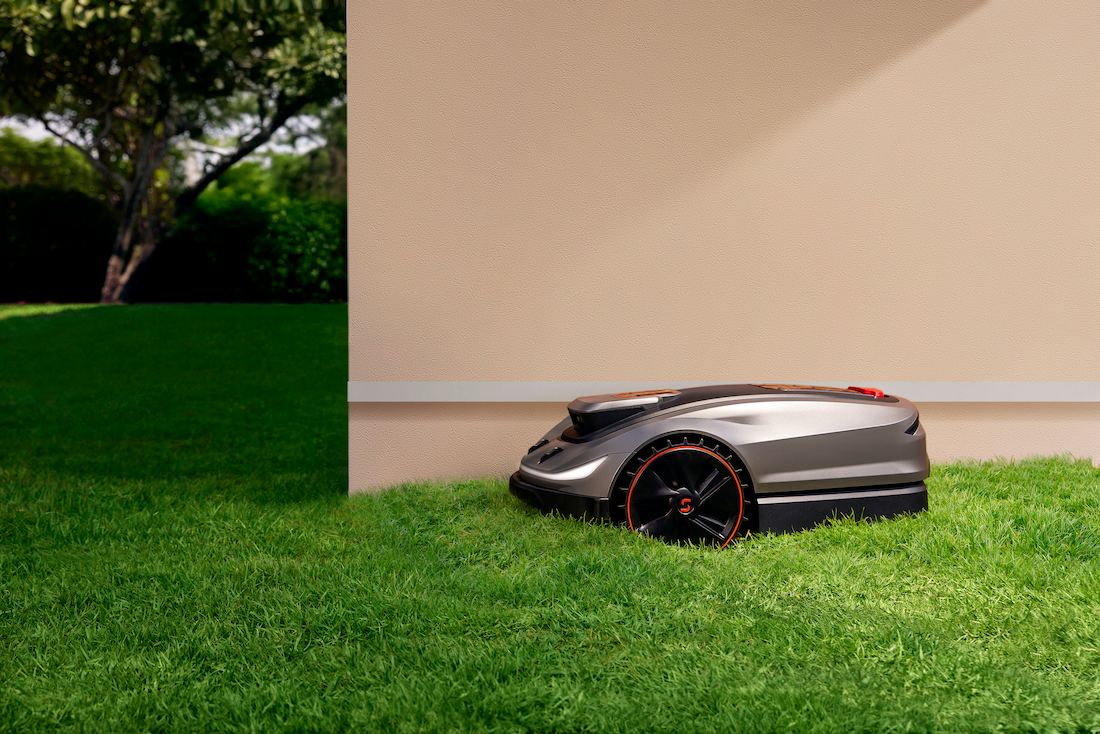
Toadstools usually show up when soil conditions support fungal growth, especially after periods of moisture or when organic material is breaking down underground. Understanding what triggers them helps explain why they return in the same spots.
Toadstools are often temporary, especially after rain, but recurring patches usually indicate underlying soil moisture or organic matter issues that need long-term adjustment rather than surface treatment.
Most lawn toadstools do not directly harm grass. They usually feed on decaying organic matter rather than living blades, and the fungi behind them can be part of normal soil biology. The bigger concern is safety and usability, not damage to the turf itself.
Some wild mushrooms are toxic, and reliable identification is difficult without expert knowledge. For that reason, treat all unknown lawn toadstools as potentially unsafe. Remove them before children play on the lawn, and keep pets from chewing or swallowing them. If a pet or person eats an unknown mushroom, contact a veterinarian, poison control center, or medical professional promptly and, if possible, save a sample in a bag for identification.
Toadstools can also point to lawn conditions that affect turf quality indirectly. Constantly wet soil can encourage shallow roots, moss, algae, or disease pressure. Thick thatch can slow the movement of water and nutrients into the soil. Dense shade can weaken turf and leave more open space for mushrooms and weeds.
To kill toadstools in the lawn, remove the visible mushrooms promptly, dispose of them safely, then reduce the damp, decaying conditions that feed the underground fungal network. You usually cannot “kill” all lawn fungi permanently, but you can stop the current flush, limit spore spread, and make regrowth less likely.
Wear gloves and pull or cut mushrooms at the base, removing as much of the stem as possible. Place them directly into a sealed bag and dispose of them in household waste. Avoid composting, since spores can survive and spread. Clean tools afterward, especially if pets or children use the lawn.
Use a rake to remove dead leaves, grass clumps, excess thatch, and any small buried wood pieces. These materials act as food sources for fungi, so reducing them helps limit future mushroom growth at the source rather than just treating symptoms.
Check if the area stays damp after rain or irrigation. If water lingers, reduce watering frequency and switch to deeper, less frequent irrigation. Avoid watering late in the day, since overnight moisture gives fungi longer active growth conditions.
Mow regularly at the correct height for your grass type and avoid letting clippings build up in thick layers. In affected areas, ensure clippings are not left in damp piles, as decomposing material can continue feeding fungal networks and encourage another flush of toadstools.
Check the lawn after heavy rain or watering cycles to see if new mushrooms appear in the same spots. Light, short-lived regrowth is normal, especially in areas that stay damp, but repeated flushes in the same patch usually indicate leftover organic material or poor drainage. If toadstools return, repeat raking, reduce moisture in that area, or improve airflow and soil conditions rather than only removing visible mushrooms again.
Removing toadstools is not only about what you do, but also about avoiding common mistakes that can spread spores, damage the lawn, or make the problem return more quickly. The wrong approach often causes more issues than the mushrooms themselves.
Do not rely on kicking, crushing, or mowing over toadstools as your main removal method. That may hide them for the moment, but it can also scatter spores and fragments across the lawn. If mushrooms are already open and soft, bagging them before mowing is the cleaner option.
Do not pour bleach, gasoline, salt, vinegar concentrates, or household cleaners onto the lawn. These can damage grass, harm soil life, create runoff risks, and leave dead patches that are harder to repair than the original toadstools.
Do not assume fungicide is a simple permanent cure. Many lawn toadstools come from fungi feeding on buried wood, roots, or thatch, and sprays may not reach or eliminate that source. If a product is considered, it should be used only according to its label and local rules, and it should not replace drainage, cleanup, and thatch control.
Do not overwater in an attempt to wash them away. Extra moisture usually helps mushrooms, especially in shaded or compacted areas. Heavy fertilizing is not a shortcut either; it may support grass growth when used correctly, but it will not remove buried organic matter or fix soggy soil.
Finally, do not handle unknown mushrooms barehanded and then touch your face, food, pet bowls, or children’s toys. Gloves, bagging, and basic cleanup are enough for most situations, and they reduce avoidable risk.
The best way to stop toadstools from coming back is to make the lawn drier, cleaner, better aerated, and less rich in decaying debris.
1. Water the lawn properly: Water deeply but less often, and always in the morning so the surface can dry during the day. Avoid frequent shallow watering, which keeps soil damp. If one area stays wet longer, check for drainage or compaction problems.
2. Reduce organic buildup: Rake leaves, remove grass clumps, and reduce thatch buildup. Too much organic material holds moisture and feeds fungal growth, increasing the chance of repeated toadstools.
3. Improve airflow and light: Prune dense shrubs and avoid blocking airflow around the lawn. Shade is not harmful on its own, but combined with moisture and debris it creates ideal conditions for fungi.
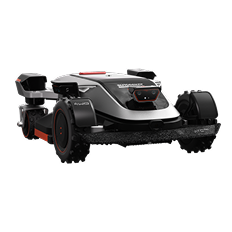
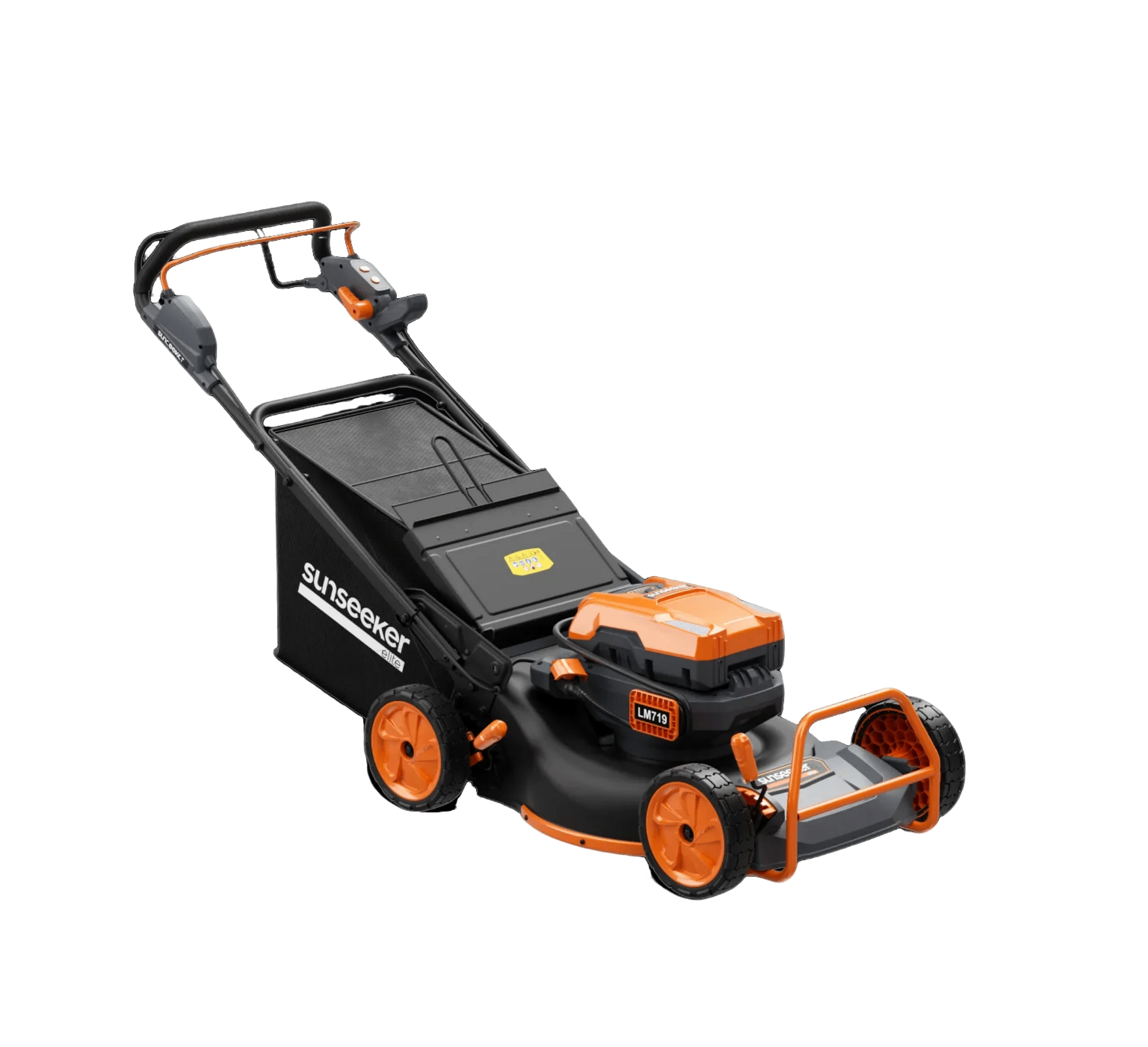
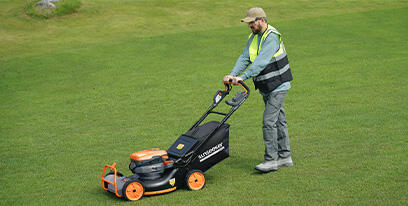
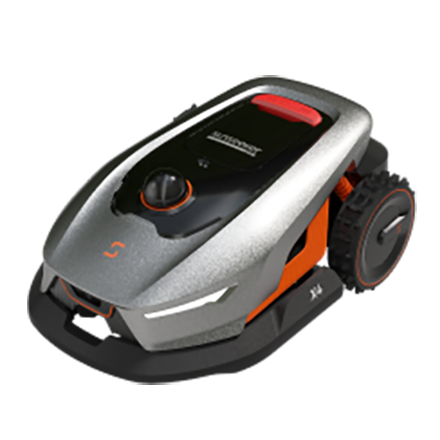
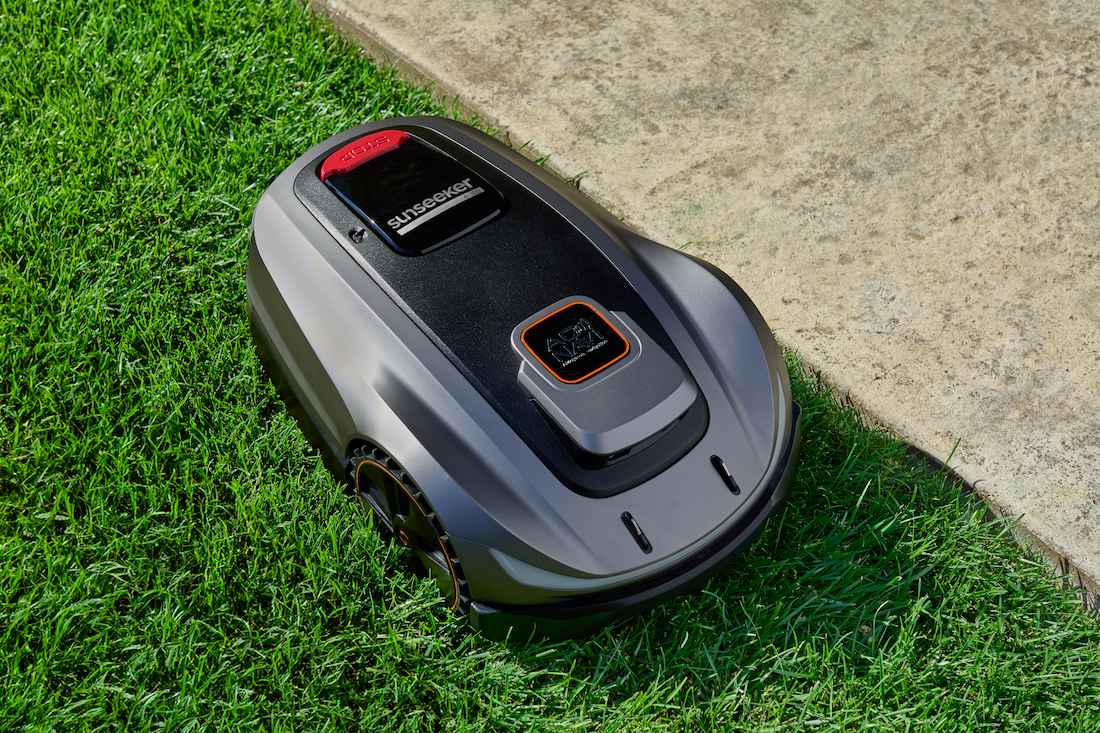
4. Aerate and thicken turf: Aeration improves drainage and oxygen flow in compacted soil, while overseeding helps fill thin areas where moisture collects. A consistent mowing pattern from a system like the Sunseeker Elite X5 can help maintain even turf density, reducing weak damp patches over time.
5. Check hidden organic sources: If mushrooms return in the same spot, buried wood or old roots may still be decomposing underground and continuing to feed fungal growth.
Call a professional if toadstools keep returning in the same spots despite cleanup, watering adjustments, and debris removal, as this often indicates deeper issues like buried wood, heavy thatch, compaction, or poor drainage.
You should also seek help if you notice fairy ring signs such as dark green rings or circular growth patterns, or if mushrooms spread quickly in areas used by children or pets. Persistent wet soil, hard ground, or thinning grass in shaded areas also suggest underlying lawn problems that require proper diagnosis and correction beyond surface treatment.
If you want to know how to kill toadstools in the lawn effectively, the most reliable approach is to remove visible mushrooms quickly, bag them safely, and then fix the damp, debris-rich conditions that keep feeding regrowth. In many cases, better drainage, less excess moisture, and regular cleanup do more than trying to treat the mushrooms alone.
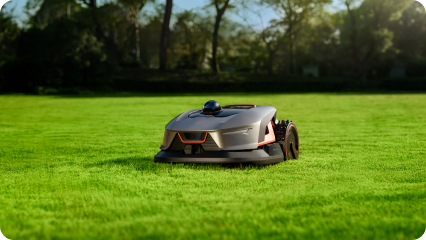
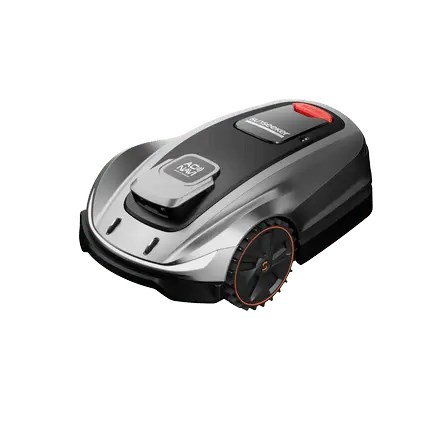
Keeping mowing consistent can also help reduce overly damp thatch buildup, and a robot lawn mower can support this by maintaining an even cutting routine without leaving clumps that hold moisture.
If toadstools keep returning in the same spot, it may point to buried organic matter, compacted soil, shade, or drainage issues that need more than surface removal. Focus on making the lawn less inviting to fungi, and if the problem persists or safety is a concern for children or pets, professional help may be the next sensible step.
Usually, no. Fungicide is not a simple permanent cure for lawn toadstools because the fungus often feeds on buried roots, wood, thatch, or other decaying material that sprays may not reach. If a product is considered, use it only according to the label and local rules. Removing caps, improving drainage, reducing moisture, and clearing debris are more important for lasting control.
Lawn toadstools usually last a few days to about one week after rain, depending on temperature and moisture levels. In warm, dry weather they may disappear within 24–72 hours, while cool, damp conditions can extend their lifespan. They often reappear in cycles as long as the underlying soil remains wet or rich in decaying organic matter.
In most cases, you do not need to dig up the soil just because toadstools appeared. Start by removing the visible mushrooms and raking away leaves, thatch, grass clumps, and woody debris that may be feeding fungi. Digging may only be worth considering if repeated growth points to buried wood, an old stump, severe thatch, or drainage problems that need deeper correction.