





FAQs
7/24/2026
Contents
Products
Residential Lawns









Explore
Where to Buy


Kill nutsedge with a herbicide labeled for sedges and safe for your grass type. Treat young, actively growing patches, then check again after the label’s waiting period because underground tubers may send up new shoots. Hand removal works only for very small, young plants. Fix wet soil, avoid overwatering, and keep the lawn dense to slow future growth.
Nutsedge often appears as bright, fast-growing blades that rise above the lawn only days after mowing. At first, it may look like ordinary grass, but pulling it repeatedly rarely solves the problem. Underground tubers can survive and send up new shoots, while the wrong herbicide may damage desirable turf.
Then, how to kill nutsedge in your lawn but don't harm the grass? The safest approach combines correct identification, targeted treatment, and better lawn care. Below, you’ll find practical steps for killing nutsedge, protecting your grass, and reducing the chance of another outbreak next season.
Before choosing a treatment, it's essential to identify the nutsedge in your grass. Look for these clues and signs that separate nutsedge from crabgrass, tall fescue, and other grass-like weeds:
Nutsedge is difficult to control because most of the plant’s energy is stored underground in rhizomes and tubers, often called nutlets. Mowing or treating the visible leaves may weaken the plant, but surviving tubers can produce new shoots later.
Under favorable conditions, a single tuber may generate up to 1,900 plants and 7,000 additional tubers within a year. Yellow nutsedge is the more common type and is usually somewhat easier to manage than purple nutsedge, but established patches still often require repeated treatment.
Common broadleaf and crabgrass products usually do not control sedges. Even a suitable postemergence herbicide may need repeat applications because dormant tubers can sprout later. Established infestations often take more than one growing season to bring under control.
Treat nutsedge while it is young and actively growing. A careful, targeted plan protects the surrounding turf and limits new tuber production.
Walk the lawn before mowing and mark every clump with flags or washable paint. Check sunny, wet, compacted, and recently disturbed areas first, since nutsedge often appears where drainage is poor or soil has been moved.
Note patch size, grass type, nearby ornamentals, and irrigation problems. A simple phone photo helps you compare the same area later. Recheck the lawn a day after watering to spot damp zones that may be feeding the problem.
Mapping also keeps spot treatments focused, so you spray the weed rather than covering the healthy lawn unnecessarily.
Do not casually pull mature nutsedge from established patches. The leaves may break away while rhizomes and tubers remain underground, allowing new shoots to return within weeks. Repeated pulling can also disturb the turf and make the patch harder to track.
Small, very young plants are different. If they have fewer than five or six leaves, remove as much of the underground portion as possible. Use a narrow digging tool and lift the soil gently rather than snapping the stem.
For established clumps, leave the foliage intact until treatment so the herbicide has enough leaf surface to enter the plant.
Choose a postemergence product specifically labeled for nutsedge and for your lawn’s grass species. Common active ingredients include halosulfuron and sulfentrazone, but turf tolerance, mixing directions, surfactant needs, and watering instructions vary by product.
Apply only at the labeled rate when the weed is actively growing and the lawn is not drought-stressed. Avoid very hot weather, and keep spray off flowers, shrubs, and vegetable beds.
Calibrate the sprayer over a measured area and focus treatment on the affected patches. Do not use glyphosate on a lawn unless you intend to kill the surrounding grass. Follow label directions for mowing, rain, pets, and reentry.
Do not expect every shoot to disappear after one application. Some products show injury within days, while others may take around two weeks. Mark the treatment date and inspect the mapped patches regularly without disturbing them.
If green shoots recover or new ones emerge, repeat treatment only at the interval allowed on the label. Compare new growth with your photos instead of spraying again too soon. Continue watching through summer and the next growing season, since dormant tubers can sprout long after the first plants die.
Wondering if you can remove the Nutsedge by hand? Note that manual removal helps when the infestation is tiny and the plants are still young. Pull or dig before each plant reaches five or six leaves, when new tubers are less likely to have formed. Loosen the soil first and lift slowly, taking the basal bulb, rhizomes, and as much root material as possible.
For one isolated patch, digging out the soil eight inches or deeper, then replacing it with clean soil and sod, can be practical.
However, manual removal hurts when mature nutsedge covers a larger area. Snapping off the leaves leaves tubers behind, so the patch often returns quickly. Deep digging through established colonies can scatter tubers, damage healthy roots, and leave bare soil open to more weeds.
Avoid running a tiller through an infested lawn because it can move underground pieces into clean areas.
If you choose hand removal, mark the spot and inspect it every two or three weeks. Remove new shoots early and stop if the patch keeps expanding. At that point, a grass-safe sedge herbicide is usually the more controlled option.

Long-term control depends on making the lawn less inviting to nutsedge while catching new shoots before they rebuild the underground tuber supply across the full growing season each year. Follow these tips to care for your lawn and prevent nutsedge from coming back:
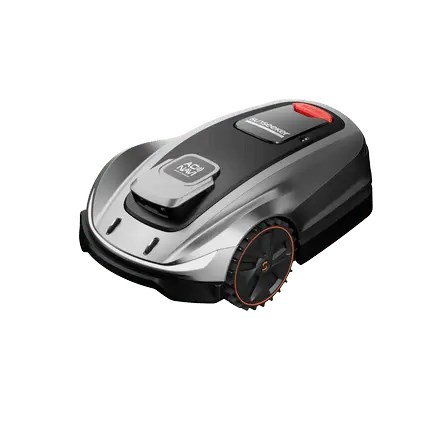
If you're worried about the proper mowing for your big lawn, a robotic lawn mower for large lawns is helpful for steady mowing at the correct height and supports dense turf for long-term prevention. For example, the Sunseeker Elite X9 offers automatic mapping, planned routes, and adjustable cutting from 0.8 to 4 inches (2-10 cm).
Its AWD system and floating cutting discs also handle slopes and changing ground contours. Schedule mowing around herbicide label restrictions so treated leaves have time to absorb the product.
Now you know how to kill nutsedge without harming your lawn. It takes accurate identification and a treatment made for sedges, not a general weed killer. Mark the patches, treat young active growth, and follow the product label for turf safety, mowing, and repeat applications.
Pulling can work for a few very young plants, but established colonies usually need a more targeted approach. Correct wet areas, keep the grass dense, and inspect treated spots through the growing season. Consistent follow-up gradually reduces the hidden tubers and prevents another heavy outbreak.
Use a selective herbicide labeled for nutsedge and your specific grass type. Products containing halosulfuron, sulfentrazone, or imazosulfuron target sedges while sparing many established lawns. Apply when nutsedge is actively growing, avoid mowing for two days before and after treatment, and repeat as directed because underground tubers often produce new shoots.
The most effective choice is a sedge-specific herbicide, not a general weed killer. Halosulfuron works slowly but reaches the underground plant, while sulfentrazone often gives faster visible results. Check the label carefully because turf tolerance varies. Spot-treat small patches and expect a second application if new growth appears several weeks later.
Mowing does not usually spread nutsedge through clippings because it reproduces mainly from underground tubers, rhizomes, and bulbs. However, frequent mowing alone will not eliminate it and may hide the infestation temporarily. Keep mowing at the correct height for your grass, then treat visible regrowth when it has enough leaf area to absorb herbicide.
Yes, but permanent control usually takes more than one season. Remove the conditions that favor it, especially poor drainage, overwatering, and compacted soil. Treat young plants before they form more tubers, and repeat selective herbicide applications according to the label. Pulling mature plants often leaves tubers behind, allowing the nutsedge to return.