



FAQs
7/23/2026
Contents
Products
Residential Lawns







Explore
Where to Buy


To stop dogs from pooping on your lawn, you must combine immediate odor neutralization with physical or sensory barriers. The best approach involves applying enzymatic cleaners to remove scent markers and installing 12-18 inch ornamental fencing or motion-activated sprinklers. Breaking a dog's habit usually takes 2-4 weeks of consistent deterrence to ensure they establish a new bathroom routine elsewhere.
You step outside with your morning coffee only to find another pile near the curb, and you know the grass will show a yellow burn patch within days. It’s a common frustration: once a dog marks your yard as a bathroom, the scent attracts them back to the same spot. Reclaiming your lawn requires a mix of cleaning, deterrents, and boundary setting. The following guide walks you through practical, dog-safe steps to keep your grass clean and healthy.
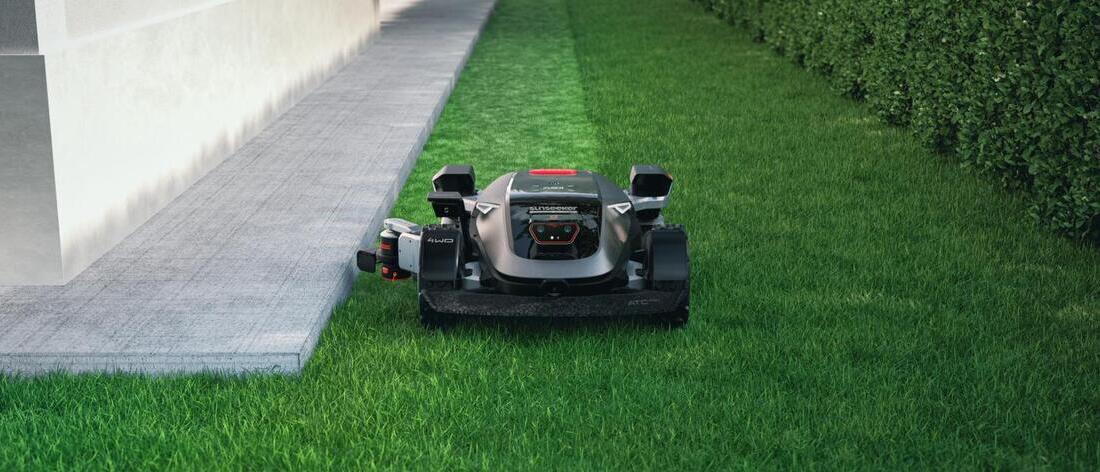
Understanding a dog's motivation is the first step toward changing their behavior. Dogs don't choose your lawn to be spiteful; they are following biological and habitual cues.
Dogs select bathroom spots based on scent markers, convenience, and routine. If your lawn is on a popular walking route and carries the smell of previous waste, it acts as a signal for every passing pet. Furthermore, many dogs prefer the texture of soft grass over hard pavement. If you don't neutralize the nitrogen and hormones left behind, the area remains an "active" spot in the canine community's nose.
If you need immediate results, some methods work faster than others depending on whether you are dealing with stray animals or walked pets.
The following table compares the fastest interventions to help you choose the right starting point:
Method | Speed of Result | Best For | Effort Level |
Enzymatic Cleanup | Immediate | Repeat visitors | Low |
Motion Sprinklers | 1-2 Days | Strays & night visits | Medium |
Physical Barriers | Immediate | Curb-side walkers | High |
Scent Repellents | 3-5 Days | Habitual markers | Medium |
Dog-safe deterrents work best when they make the yard less rewarding without frightening or harming
The most critical step is removing the "scent map" that tells dogs where to go. Use an outdoor enzymatic cleaner specifically designed to break down pet waste; plain water or vinegar often fails to remove the deep-seated hormones. For an added layer, many dogs dislike the smell of citrus. Placing orange or lemon peels in your garden beds or using a diluted citrus spray along the perimeter acts as a natural "no-go" signal.
For dogs that visit when you aren't watching, technology can do the work for you. Motion-activated sprinklers detect movement and release a quick burst of water that startles the dog without causing injury. Most animals learn after just one or two sprays that your lawn is a "wet zone" to be avoided. A consistently maintained lawn makes these deterrents easier to set up.
Physical boundaries are the most reliable long-term solution because they change the walking route entirely. You don’t need a six-foot privacy fence to protect your curb.
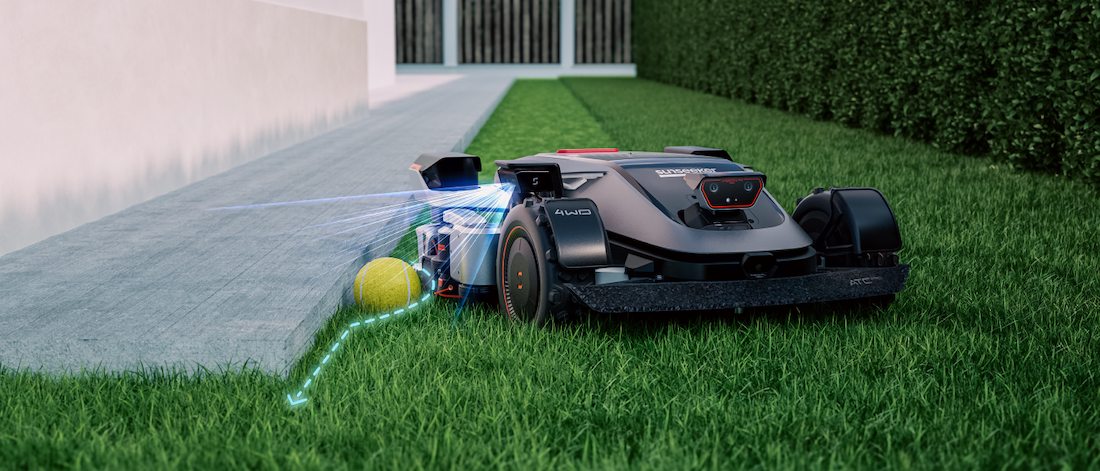
Dog waste left on the lawn can block sunlight, trap moisture, and leave concentrated organic residue on the grass. Remove it promptly, then check the area for flattened, yellow, or thinning turf before the damage spreads.
Often, the problem isn't the dog—it’s the person at the other end of the leash. Handling this politely can preserve neighborhood peace while protecting your yard.
Start with a calm, direct conversation. Most owners are simply distracted and unaware that their dog's "quick stop" is damaging your turf. Mention that you are trying to repair the grass and would appreciate it if they could keep their pet on the sidewalk or the public verge.
If the problem persists, a small, tasteful "Please Curb Your Dog" sign can act as a silent reminder. Documenting frequent issues is a last resort, but it can be useful if you need to involve a Homeowners Association (HOA).
Stopping dogs from using your lawn as a bathroom requires a combination of scent neutralization and physical deterrence. By removing the biological cues that attract dogs and making the area less convenient for handlers, you can break the cycle within 2 to 4 weeks. Consistency is key—keep the perimeter treated and the grass healthy to ensure unwanted visitors find a new spot. A well-maintained lawn, supported by a regular maintenance routine, is your best long-term defense against recurring waste issues.
Many dogs avoid strong citrus, vinegar, and certain commercial pet-repellent scents. Apply them only around yard edges, not directly on grass or plants unless the product is lawn-safe. Avoid cayenne pepper, ammonia, mothballs, and concentrated essential oils, which can irritate or poison pets. Reapply safe repellents after rain.
Use a physical barrier first, such as low fencing, dense edging plants, or a motion-activated sprinkler near the usual entry point. Post a polite sign and speak calmly with the owner, preferably with dates or camera evidence. Remove waste quickly and clean the area so lingering odors do not attract repeat visits.
Use a commercial outdoor dog repellent labeled as safe for lawns, pets, and children. Citrus-based or vinegar-based sprays may also discourage some dogs, but test a small patch because repeated vinegar can damage grass. Spray property boundaries and common entry routes, then reapply according to the label, especially after rain or irrigation.