











FAQs
7/3/2026
Contents
Products
Residential Lawns









Explore
Where to Buy


To achieve rapid lawn growth, start by selecting the right grass seed for your climate and preparing the soil properly. Spread the seed evenly and maintain consistent moisture without overwatering. Use starter fertilizer judiciously, and avoid heavy foot traffic until the grass is established. By following these steps, you can create a lush lawn quickly and efficiently, ensuring a healthy and vibrant outdoor space.
A thin lawn can make the whole yard feel unfinished, especially when bare soil turns dusty in sun or muddy after rain. The fastest fix is not dumping extra seed and hoping for the best; it is creating the right seed-to-soil contact, moisture routine, and early care plan. If you want quick, even growth without wasting a weekend or a bag of seed, start with the basic sequence below.

If only two factors determine how fast grass appears, they are:
Everything else (fertilizer, mowing, even seed type selection) has a secondary impact compared to these two. Poor contact or inconsistent drying can delay germination by several days and create uneven growth patterns that slow full lawn coverage.
Fast lawn growth is not about doing more steps—it’s about doing the right steps in the right order, where each action removes a specific barrier to germination and early root formation. The speed of establishment is mainly determined in the first 10–14 days, when seed-to-soil contact and moisture consistency directly control how quickly sprouts appear and how evenly they develop.
Start with seed matched to regional growing conditions in the United States.
Cool-season grasses (common in northern states) and warm-season grasses (common in southern states) do not just grow in different temperatures—they germinate at different speeds under the same conditions.
Within each category, choose a seed blend designed for your sunlight exposure and yard usage level. A well-matched seed establishes faster because it spends less energy adapting to unsuitable conditions and more energy on early root development.
This step has the highest impact on germination speed.
Grass seed needs direct contact with loose, receptive soil to absorb moisture and activate germination. If seed sits on compacted ground, debris, or thatch, it dries out quickly and germination becomes inconsistent.
Prepare the surface by:
The goal is simple: eliminate any barrier between seed and soil surface.
Even coverage is not about appearance—it directly affects speed.
When seed is distributed unevenly, dense clusters compete for moisture and light, while thin areas take longer to fill in. Both conditions slow overall lawn establishment.
Use two light passes from different directions instead of one heavy application. After spreading, lightly rake the surface so seeds are partially embedded rather than sitting exposed.
Watering is not about volume—it is about stability.
During germination, the top layer of soil must remain consistently moist so seeds can activate without interruption. Dry–wet cycles reset the germination process for many seeds and delay uniform sprouting.
The effective pattern is:
The key is preventing the soil surface from drying out before seedlings establish root contact.
Starter fertilizer supports early root development when soil nutrients are insufficient, but timing and dosage matter more than strength.
Apply only a light, evenly distributed layer if soil conditions require it, and follow product guidelines precisely. The objective is to support early root formation—not to accelerate top growth.
Excess fertilizer at this stage leads to imbalanced growth, where shoots develop faster than roots can support.
Mowing begins only after grass has reached a stable height that can tolerate cutting without disturbance.
The first cut should remove only the upper portion of the grass blades using a sharp mower blade. This helps the lawn thicken horizontally while roots continue deepening below the surface.
Mowing too early disrupts young seedlings and slows uniform establishment, especially in areas where soil is still adjusting after seeding.
Fast lawn growth follows a predictable sequence, but progress is not evenly distributed. Most visible change happens after germination begins, while the earliest stage is primarily about soil activation and moisture response rather than visible growth.
The surface still looks mostly unchanged. In some areas, soil may appear slightly darker from consistent moisture, but visible grass is minimal or absent.
Maintain steady surface moisture so seeds remain active. The goal during this phase is uninterrupted germination conditions rather than visible growth. Avoid disturbing the soil surface, as seeds are still establishing initial root emergence.
Thin green shoots begin to appear, often unevenly at first. Some areas may look fuller while others lag behind, depending on soil contact consistency and moisture uniformity.
Continue light, consistent watering and avoid foot traffic across the seeded area. At this stage, seedlings are still fragile and uneven zones should not be corrected aggressively. The focus is maintaining stable conditions so sprouting spreads evenly.
Grass begins filling in gaps, forming a more continuous surface. Color becomes more uniform, and the lawn starts to resemble a usable yard rather than newly seeded soil.
Begin light mowing when grass reaches appropriate height, using sharp blades and minimal cutting height. This encourages lateral thickening. Transition from surface-level moisture care to a more structured watering pattern that supports deeper root development.
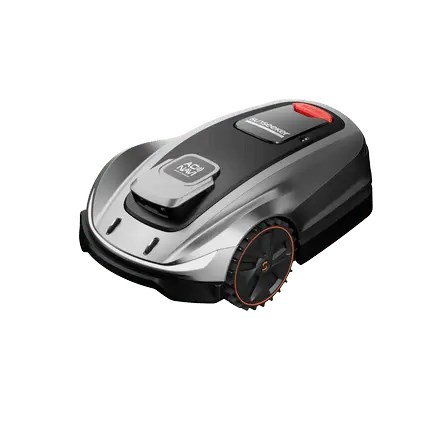
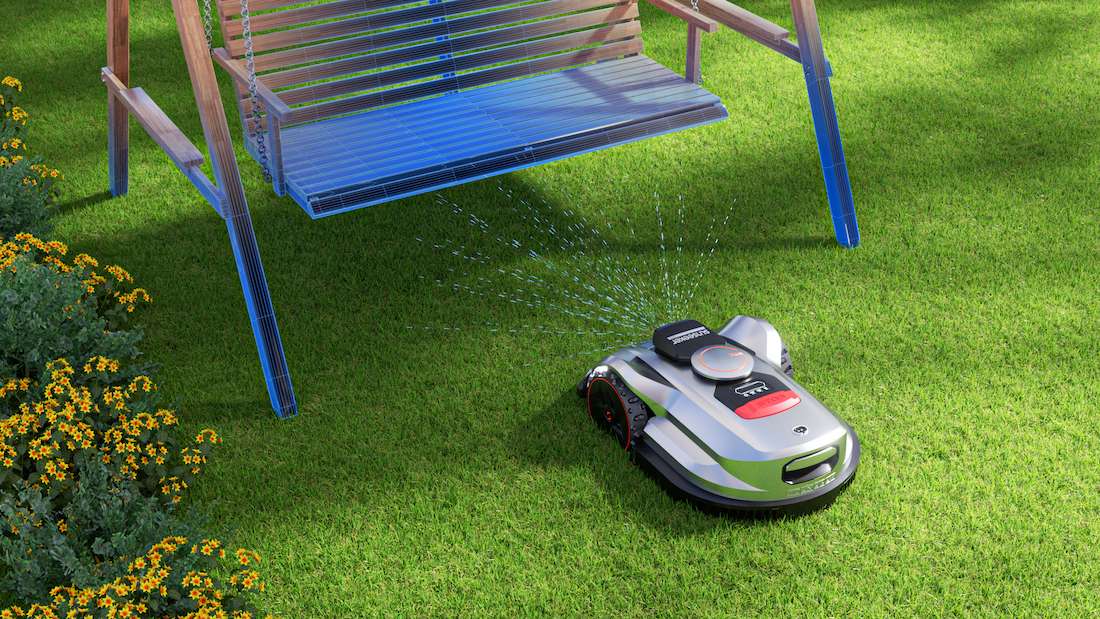
At this stage, mowing consistency becomes more important than manual effort. Many homeowners gradually shift toward automated maintenance tools such as the Sunseeker Elite X7 Gen 2, which helps maintain regular cutting frequency once the lawn is fully established and stable enough for routine mowing patterns, especially with a robot lawn mower designed for consistent, low-effort maintenance.
The lawn becomes dense, stable, and resilient to light use. Bare patches are largely filled, and growth appears consistent across the entire area.
Shift into routine lawn maintenance. At this stage, the focus moves away from germination support and toward sustaining density through regular mowing, seasonal feeding, and normal watering schedules aligned with grass type and climate conditions.
Lawn growth speed is most often reduced by a small number of controllable mistakes. These issues do not prevent growth entirely—they slow establishment, create uneven coverage, and extend the timeline to full lawn density.
Seed that does not make direct contact with loosened soil dries out quickly or fails to activate consistently. This leads to patchy germination and delayed uniform coverage, even if other conditions are ideal.
Interruptions in surface moisture during early germination cause seeds to pause or restart activation cycles. This creates uneven sprouting patterns and extends the time needed for visible lawn formation.
Seeding outside suitable temperature windows slows germination speed significantly. Even high-quality seed cannot compensate for conditions that are too cold or too hot for active growth.
Excess fertilizer during early stages pushes leaf growth faster than root development can support. This creates weak structure and slows overall establishment consistency across the lawn.
Cutting grass before root systems are stable disrupts seedling anchoring and reduces density formation. This delays the transition from sprouting phase to thick, uniform lawn coverage.
Learning how to grow a lawn fast comes down to executing a precise sequence: selecting the right grass seed, ensuring strong seed-to-soil contact, maintaining consistent moisture, and managing early care without disruption. These steps directly influence how quickly germination begins and how evenly the lawn establishes across the yard.
Speed is not driven by shortcuts, but by removing barriers at each stage of growth. When soil preparation, watering strategy, and mowing timing are properly aligned, lawn establishment becomes faster, more uniform, and more reliable under typical US climate conditions.
Yes, but it usually takes more care and may be slower. Seeding during extreme heat, drought, or cold can work, but it often requires steadier moisture, closer monitoring, and sometimes reseeding. For the best chance, choose seed suited to your region, loosen the soil, press seed into the surface, and keep it damp without soaking it.
Avoid regular walking, pets, mower traffic, and heavy use until the new grass is firmly rooted and established. Young seedlings are easy to disturb, especially when the soil is damp. If you must cross the area, use a temporary board or stepping path to spread weight and reduce compaction. Wait to mow until the grass is tall and strong enough.
The most common causes are poor seed-to-soil contact, inconsistent watering, planting outside the right season, or compacted soil. Even high-quality seed will fail to germinate evenly if these conditions are not controlled.