



FAQs
7/24/2026
Contents
Products
Residential Lawns





Explore
Where to Buy


Start with the freshest mound, probe for the active main tunnel, and place traps in both directions. Check them daily and reset near any new activity until fresh soil stops appearing. Repellents may shift a gopher temporarily but rarely remove it. Repair collapsed ground and damaged irrigation only after the lawn stays quiet.
A fresh mound appears beside the sprinkler line, then another shows up across the lawn the next morning. The grass may begin thinning, plants can disappear from below, and mower wheels may strike loose soil.
These are common signs of pocket gophers, underground rodents that can expand their tunnel systems quickly. Wondering how to get rid of gophers in your lawn? Start by confirming the pest, locating active burrows, and using traps correctly. Read the article below to learn practical control, lawn repair, prevention, and the point at which professional help makes more sense.

Before we discuss the ways to get rid of gophers, you should ensure that it's the gophers attributed to your lawn problems. Pocket gophers spend most of their time underground, so the damage they leave behind is often easier to spot than the animals themselves.
Gophers are difficult to remove because they spend nearly all their time underground. Their burrow systems can stretch across a large part of the yard and include feeding tunnels, nesting areas, storage chambers, and sealed escape routes. The fresh mound you see may sit several feet away from the section the gopher is using most often, so placing a trap directly in the loose soil usually fails.
They also react quickly when a tunnel is opened. A gopher may plug the damaged section with soil, push a trap aside, or avoid that passage entirely. Since gophers are usually solitary, several groups of fresh mounds can mean that more than one animal is active. Removing one may solve only part of the problem.
Control can also be temporary. Empty burrows often remain underground and may attract another gopher from a nearby field, vacant lot, or neighboring property. Gophers stay active throughout the year, and their movements are easy to miss between visible outbreaks.
So, how to remove pocket gophers from your lawn successfully? Successful control depends more on finding the active main tunnel than on placing traps in loose surface soil. Follow these steps to get them out completely.
Flatten old mounds first, then check the lawn the next day for fresh, dark soil. Stand on the plugged side of a new crescent-shaped mound and probe about 4 to 12 inches away. A gopher probe works best, but a long, sturdy screwdriver can help in soft soil.
Push down at several points until the tool suddenly drops about 2 inches. That change usually means you have entered the main tunnel, often 4 to 12 inches below the surface.
Mark the spot before digging. Do not rely on the mound itself; it sits over a short lateral tunnel that the gopher may not revisit. Probe slowly around irrigation lines and landscape wiring. If you cannot find the tunnel, move to another fresh mound.
Open the main tunnel with a small shovel or trowel, keeping both directions clear. Place two traps in the tunnel, one facing each way, and follow the manufacturer’s setup instructions. Pincer traps require less excavation, while box traps may feel easier for some beginners.
Secure each trap to a stake with wire. Cover the opening with sod, cardboard, plywood, or landscape cloth, then seal the edges with loose soil.
The cover blocks light and keeps children, pets, and wildlife away. Mark the location clearly and never leave an exposed trap in a busy yard. Wear gloves while handling equipment and check local rules before setting traps. Correct placement in the active tunnel matters more than adding food bait.
Inspect traps at least once each day. If there is no catch or sign that the site was visited within one or two days, move the traps to another fresh mound and locate the main tunnel again.
After a successful catch, reset near any remaining fresh activity. Flatten every old mound so new soil is easy to spot, then continue until no new mounds appear for several days.
Keep checking over the following weeks, especially along property edges, because another gopher may enter an unused tunnel system. Record trap locations or use small flags so none are forgotten. If a trap is repeatedly buried with soil, reprobe nearby; you may have set it in a lateral or plugged passage.
Begin repairs only after fresh mound activity stops. Rake loose soil across low areas, remove stones, and gently firm collapsed sections. For deep voids, add screened topsoil in thin layers and settle each layer before restoring the final grade.
Replace torn sod if it is still alive, or reseed thin patches with grass suited to your region. Keep repaired areas evenly moist during establishment.
Inspect sprinkler lines before covering damage because gophers can chew flexible tubing or redirect irrigation water through tunnels. Mark soft spots and keep people, pets, and mowing equipment away until the soil feels stable. Avoid filling active openings too early, since fresh soil may hide continued digging. Recheck after rain and add more soil if a filled tunnel settles.
Repellents may sound easier than trapping, but they can only play a supporting role, but they rarely solve an active gopher problem on their own. Castor oil granules or sprays may make soil and roots less appealing for a short time, especially around borders, garden beds, or newly repaired turf. Apply them according to the label and water them in evenly rather than pouring them into random mound openings.
Their main weakness is limited reach and durability. A gopher may simply move a few feet and continue feeding, while clay soil, dry ground, and thick thatch can prevent even distribution. If fresh mounds appear daily, trapping is usually the more dependable first step.
Plant-based deterrents such as garlic, daffodils, or gopher spurge may help protect small beds, but they cannot defend an entire lawn. Ultrasonic stakes are also inconsistent. Flooding is usually ineffective because tunnels are long, branched, and sealed, and it may damage turf or waste water.
Overall, repellents and deterrents may temporarily shift activity, but movement is not the same as removal. Watch for new mounds elsewhere before assuming the lawn is clear.
No method can guarantee that gophers will never return. The best prevention combines barriers around valuable areas with fast action when fresh mounds appear.

Call a gopher control professional when fresh mounds keep appearing across a large area, several tunnel systems are active, or repeated trapping has not worked. Expert help is also sensible when burrows run near foundations, retaining walls, irrigation mains, buried utilities, playgrounds, or areas used often by pets and children.
A professional can confirm that pocket gophers—not moles, voles, or ground squirrels—are causing the damage and select methods permitted in your state. Ask how tunnels will be located, how traps or treatments will be secured, and what follow-up monitoring is included. Some restricted burrow treatments are only available to licensed applicators.
Getting rid of gophers in a lawn starts with finding active tunnels, setting traps correctly, and checking the lawn until fresh mounds stop appearing. Once the animals are removed, repair sunken soil, damaged irrigation, and thin grass before normal mowing resumes.
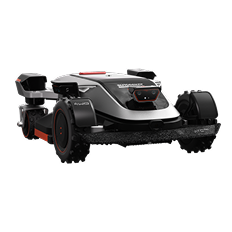
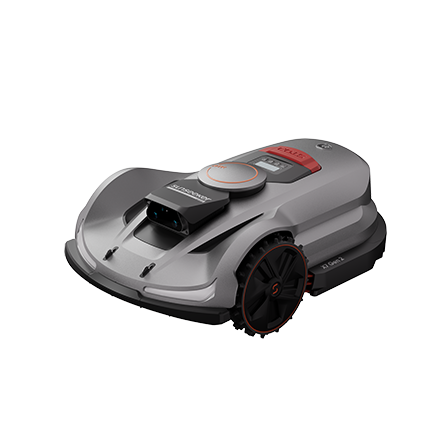
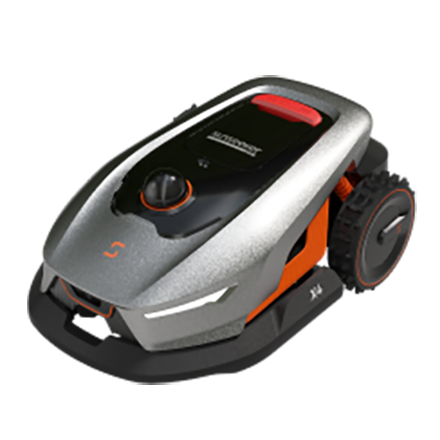
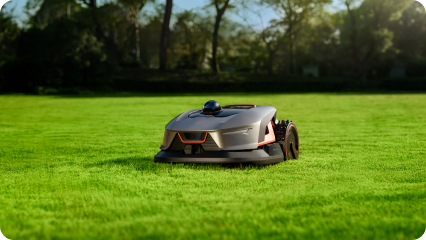
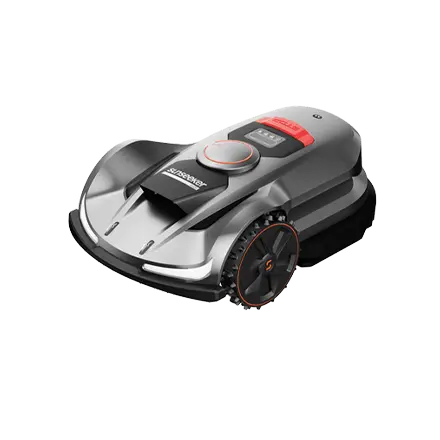
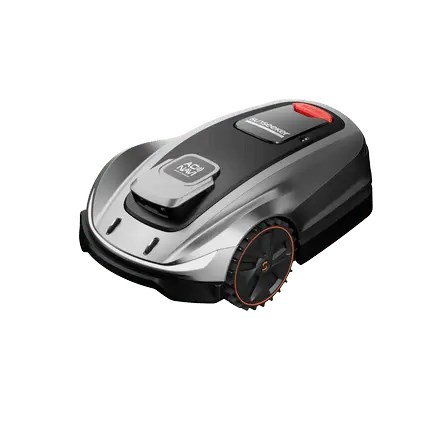
Good lawn care also matters because a healthy, even yard makes new damage easier to spot. For larger properties, robot lawn mowers can support regular cutting and consistent coverage, but routine inspections and fast action on gophers remain essential. Persistent or widespread activity is a good reason to bring in a qualified professional.
The fastest reliable method is trapping active tunnels. Locate a fresh mound, open the main tunnel, and place two gopher traps facing opposite directions. Cover the opening to block light and check traps daily. Treat several active areas at once. Repellents and sonic devices are usually less dependable than correctly placed traps.
First, identify active tunnels by checking fresh mounds and reopening plugged holes. Trap gophers systematically across the lawn, then flatten mounds and fill collapsed tunnels with soil. Repair damaged turf only after activity stops. Protect valuable plants with underground wire baskets and monitor for new mounds, because nearby gophers may move into cleared tunnels.
Gophers strongly dislike disturbed tunnels, blocked access, and physical barriers, but scent repellents rarely provide lasting control. The most effective deterrent is hardware cloth installed around raised beds or beneath new lawns, extending at least 18–24 inches underground. Castor oil products may temporarily reduce activity, but results vary and repeated applications are usually needed.
Your yard likely provides loose soil, abundant roots, and reliable moisture. Gophers are attracted to lawns, vegetable beds, bulbs, and irrigated areas where digging and feeding are easy. One gopher can create many mounds, so the population may be smaller than it appears. Persistent activity can also result from nearby untreated properties.