





FAQs
7/2/2026
Contents
Products
Residential Lawns







Explore
Where to Buy


Learn effective methods to eliminate creeping Charlie in your lawn, including hand removal, smothering, and using lawn-safe herbicides.
To effectively eliminate creeping Charlie from your lawn, start by identifying the patches and choosing the right removal method based on the infestation size. For small areas, hand-pulling or smothering can be effective, while larger infestations may require a selective broadleaf herbicide. After removal, reseed any bare spots to encourage healthy grass growth.
Creeping Charlie often shows up in the damp, shaded parts of a lawn first. You may notice scalloped leaves spreading through the grass, small purple flowers in spring, and long runners that root wherever they touch the soil. Once established, it can quickly form a dense mat that pushes out healthy turf if it is not controlled early.
The best way to deal with it depends on how large the affected area is and how strong the surrounding grass still is. In this article, you will learn how to identify creeping Charlie early, which removal methods work best for different infestation levels, and how to prevent it from coming back.

Creeping Charlie (also called ground ivy) is a low-growing perennial weed that spreads quickly across lawns. You can identify it by its round to kidney-shaped leaves with rounded or slightly scalloped edges. The leaves are usually bright to dark green and grow in opposite pairs along creeping stems that root at the nodes, allowing the plant to spread horizontally.
In spring and early summer, Creeping Charlie produces small, funnel-shaped purple or bluish flowers. These blooms appear close to the ground and can help confirm identification when the plant is flowering.
Another key sign is its growth pattern. Unlike grass, it forms dense mats that stay low to the soil and often invade shaded or moist areas where turf grass struggles. If you see patches that look “carpet-like” and spread outward in circular shapes, it is often Creeping Charlie.
When crushed, the leaves may give off a mild minty or herbal smell, which is another helpful clue for identification.
Once you’ve confirmed creeping Charlie in your lawn, the next step is deciding how to control it based on how far it has spread, how dense the runners are, and the growing conditions supporting it.
Look at how much creeping Charlie is in your lawn and how it is spreading. Small patches in shaded spots are usually easier to control, while larger connected areas mean it has already spread more deeply through the grass. Check how thick your lawn is, since thin or weak grass gives it more space to grow.
Also notice if the soil stays damp, if the area is shaded, or if the ground feels hard and compact. These conditions often explain why it keeps coming back and help you decide how to handle it.
For young or limited patches, water the soil lightly first, then loosen the turf edge with a hand weeder or garden fork. Pull slowly so the runners lift instead of snapping.
Bag the plants rather than composting them, since stem pieces can reroot. Check the area weekly for missed nodes and new growth.
Where creeping Charlie has overtaken a small corner, smothering can work if you are willing to sacrifice everything underneath the cover. Use cardboard or a dark tarp, pin the edges tightly, and leave it in place long enough to block light completely. Once you remove the cover, rake out dead material and reseed right away.
For larger, established patches where pulling or smothering is no longer practical, you can choose between targeted treatment or a more natural control approach to remove creeping charlie from lawn:
Use a broadleaf herbicide that is specifically labeled for creeping Charlie (ground ivy) and safe for your grass type. Apply on a calm day so it doesn’t drift to other plants. Avoid mowing right before or after treatment so the leaves can absorb the product properly, and follow the label for timing and repeat applications if needed.
Some natural lawn care approaches rely on iron-based products (such as chelated iron sprays) that weaken broadleaf weeds like creeping Charlie without heavily affecting the grass. These treatments often work gradually and may need more than one application. At the same time, improving lawn density is important—thicker grass from overseeding, proper mowing height, and better drainage helps block creeping Charlie from spreading again over time.
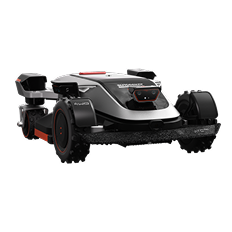
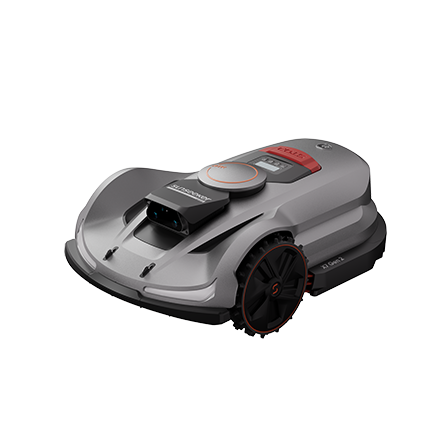
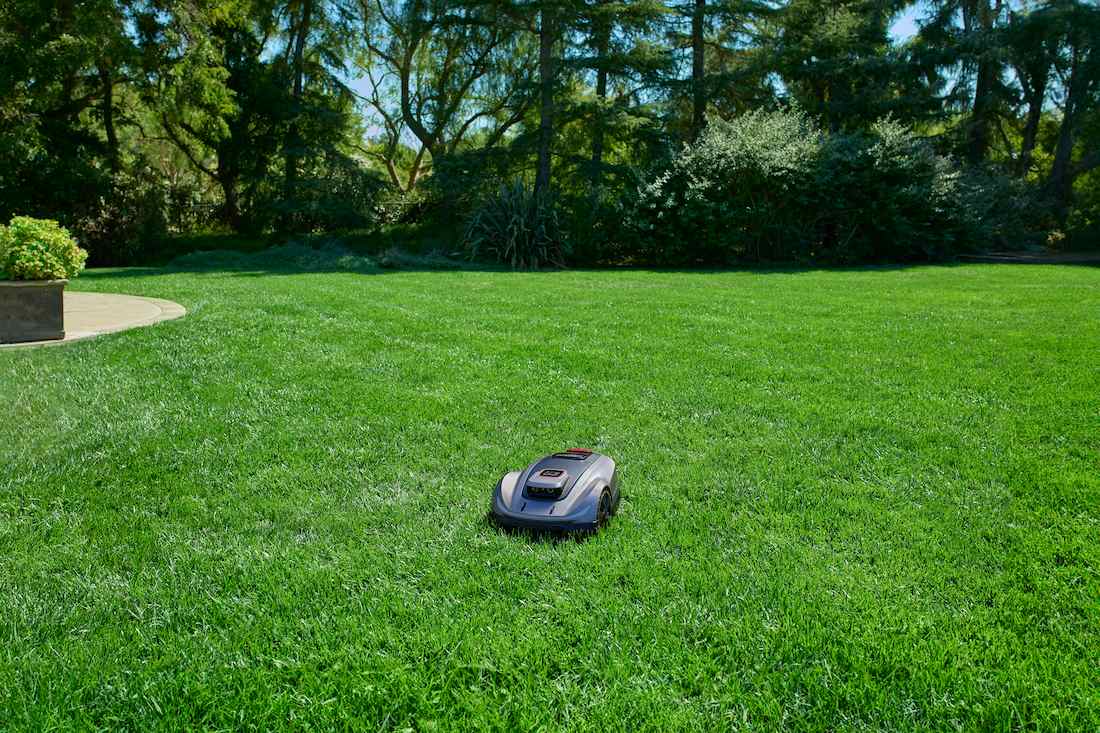
After removal, fill thin or bare areas with grass seed suited to your sun and shade conditions. Keep the seedbed consistently moist until seedlings establish, then mow at the higher end recommended for your turf type. If you use an automated mower such as the Sunseeker Elite X5, it fits best after the repair stage: regular mowing helps maintain an even stand of grass.
After the weed is under control, the next job is to make the lawn less inviting. Creeping Charlie thrives where grass is thin, shaded, damp, compacted, or mowed too short, so long-term control depends on improving those conditions and helping turf stay dense.
Trim low branches where appropriate, clear debris that keeps soil wet, and correct drainage problems that leave the lawn soggy. Creeping Charlie often takes over in damp shade because grass struggles there. If a spot gets very little sun, use a shade-tolerant grass mix or consider replacing the weakest turf with mulch, groundcover, or a planted bed instead of fighting the same patch every year.
Mowing too low weakens grass and lets creeping Charlie runners reach light at soil level. Keep the lawn at a healthy height for your grass type, and overseed thin areas during the right season for your region. A dense, well-maintained lawn leaves fewer open spaces for the weed to spread and also makes new runners easier to spot and control early.
Regular, consistent mowing also helps keep growth balanced, and a robot lawn mower like the Sunseeker Elite X5 can support this routine by maintaining an even cutting height without letting the grass get stressed from irregular mowing.
Frequent shallow watering favors weak roots and surface growth. Water deeply but less often when rainfall is not enough, and avoid overwatering shaded areas that already stay moist. Aerate compacted soil when needed, fertilize according to soil test guidance, and repair worn spots before they thin further. A lawn that is growing well and not under constant stress is much harder for creeping Charlie to dominate.
If you want to know how to get rid of creeping charlie in your lawn, the best results usually come from matching the method to the size of the problem: hand-pull or smother small patches, use a lawn-safe selective herbicide for larger infestations, and reseed bare spots so grass can fill back in. The key is removing rooted runners, not just the visible leaves.
For longer-lasting control, focus on the lawn conditions that let creeping Charlie spread in the first place. Healthier turf, better drainage, less shade, proper mowing height, and less stress on the lawn can all make future outbreaks easier to prevent.
A selective broadleaf herbicide labeled for creeping Charlie or ground ivy can kill it without killing lawn grass, as long as the product is safe for your grass type. For small patches, hand-pulling after light watering may work if you remove the runners and rooted nodes. Avoid borax, which can damage turf and leave excess boron in the soil.
Creeping Charlie spreads where grass is thin, damp, shaded, compacted, or mowed too short. Its runners root wherever they touch soil, so weak turf gives it room to form mats. Bare spots, shallow watering, poor drainage, and low light all make the problem worse. After removing it, reseed thin areas and improve lawn conditions so grass can compete.
The best time is when you can match the method to the patch and follow up with repair. Pull small patches after rain or light irrigation, when the soil is loose and runners lift more cleanly. For larger infestations, use a labeled lawn-safe broadleaf herbicide according to the product directions. Reseed bare spots promptly after removal so creeping Charlie does not reclaim them.