






FAQs
7/23/2026
Contents
Products
Residential Lawns



Explore
Where to Buy


Lawn stripes come from bending healthy grass blades in opposite directions rather than changing grass color or cutting height. Clear, lasting lines depend on suitable grass, proper mowing height, a sharp blade, and consistent mowing patterns. With the right setup, striping improves your lawn's appearance without adding complicated maintenance.
You finish mowing, and the lawn looks evenly cut, yet the crisp stripes you expected never appear. In many cases, the problem is not the grass itself. Lawn striping depends on how grass blades reflect light after mowing. The right grass type, mower setup, and mowing technique all affect the final result. The following sections explain why stripes appear, what equipment works best, how to get lines in your lawn step by step, and how to keep the pattern visible longer. Keep reading to make your lawn more eye-catching!
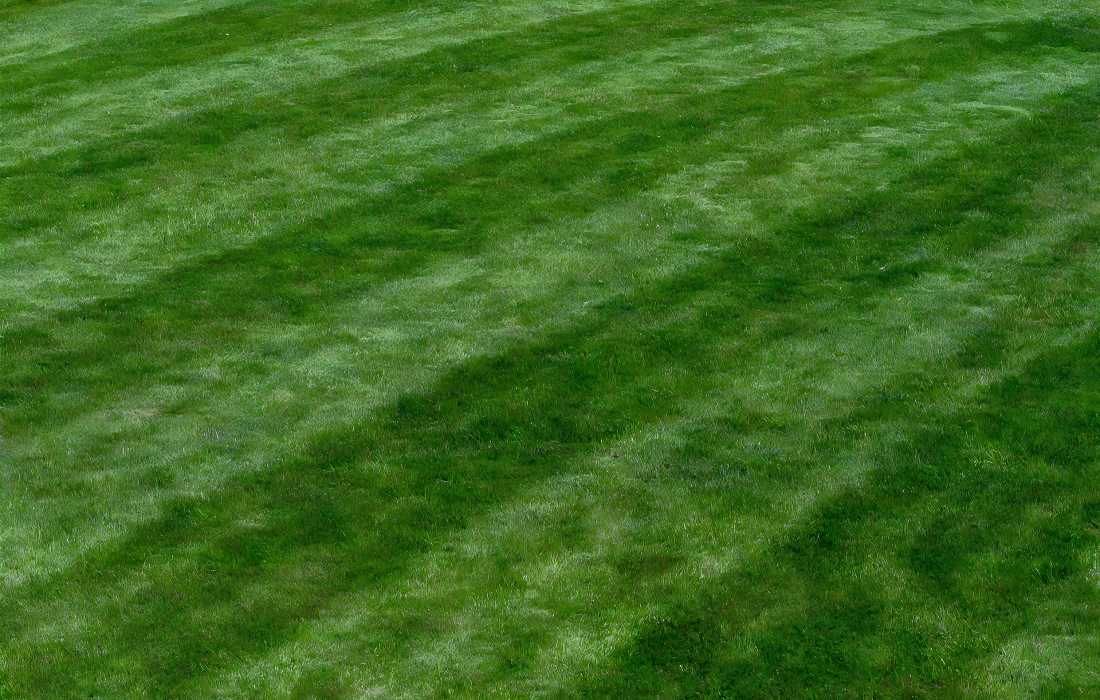
Before changing your mowing pattern, it helps to understand what creates lawn stripes. The mower is not painting the turf or cutting each stripe to a different height. The key is bending the grass in one direction on one pass and the opposite direction on the next. A stripe that looks light is usually grass bent away from you, reflecting more sunlight off the blade surface. A darker stripe is usually grass bent toward you, so you see more shadow. That is why the same pattern can look bold from the patio and weaker from the opposite side of the yard. However, the result is mostly decided by the lawn conditions. If the lawn is thin, scalped, drought-stressed, or cut too short, the pattern will stay faint no matter how carefully you steer.
Lawn stripes become more visible when healthy grass bends easily, and the mower is properly adjusted. When the turf and your mower are ready for striping, the whole process will become easier.
Overall, healthy and well-watered turf holds stripes longer, no matter it’s cool-season or warm-season grasses you’re dealing with.
Below some general rules for your mower setup.
The basics of how to mow stripes come down to the same consistent habits used below: choose a straight reference, keep each pass steady, and reverse direction cleanly. Follow these steps to build straight, even lines across the lawn.
Start along the longest straight edge of your lawn, such as a driveway, sidewalk, or fence. Pick a fixed point in the distance to guide your first pass instead of watching the mower. If your lawn has curved borders, mow a perimeter strip first to leave room for turning.
Walk at a steady pace and keep the mower moving in a straight line. Maintain a level mower deck and avoid sudden changes in speed or direction. At the end of each pass, continue into the border area before turning.
Overlap each pass by about 1–2 inches to avoid missed strips of grass. Mow back in the opposite direction to create the light and dark pattern. Make smooth turns outside the striped area to avoid visible wheel marks.
Once you’re comfortable with straight stripes, experiment with checkerboard or diagonal patterns. These designs add variety but usually require an extra mowing pass. If the stripes still look faint, improve grass health or mowing height instead of mowing the lawn repeatedly.
Even when you use the same mowing pattern, lawn stripes can look different from one yard to another. The contrast depends on how the grass bends, reflects light, and recovers after mowing. The following factors have the biggest impact on stripe visibility.
A striped lawn looks best when the grass stays healthy and grows evenly between mowing sessions. Good mowing habits help preserve the pattern longer while keeping the turf in good condition.
Pro Tips: Make Maintenance Easier with Consistent Mowing
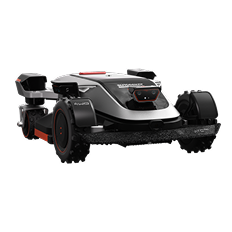
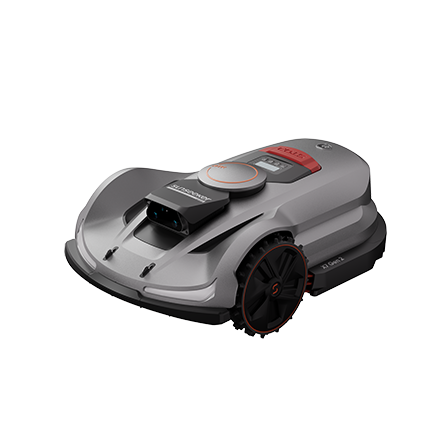
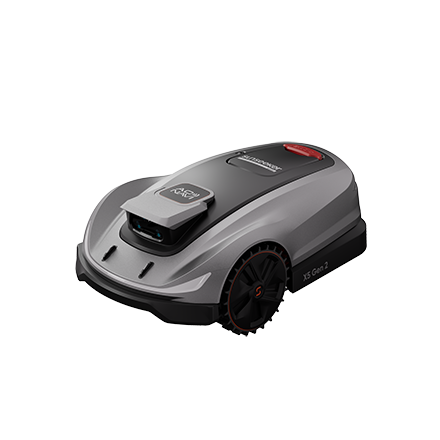
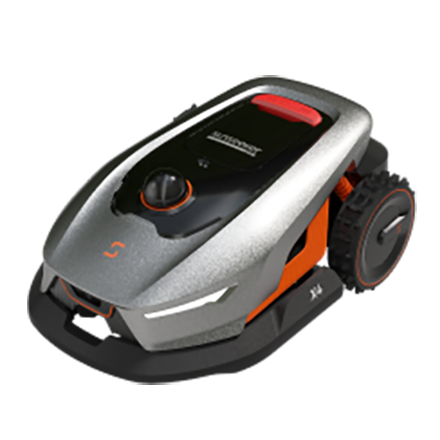
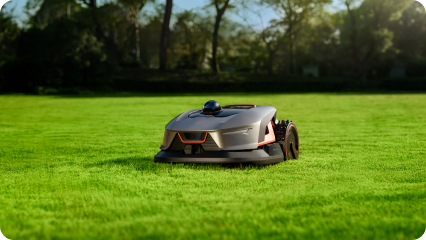
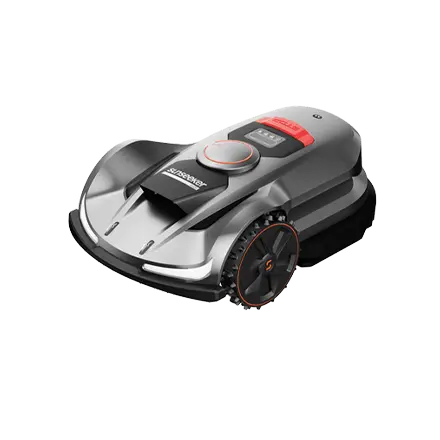
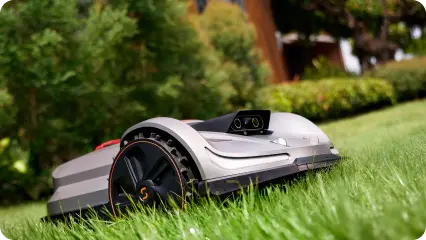
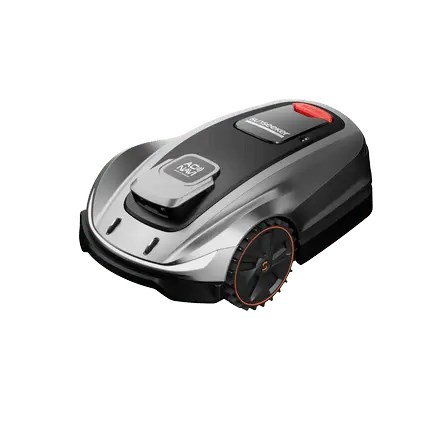
Regular mowing keeps grass growing at a more even height, making lawn stripes easier to maintain over time. Robotic mowers are designed for this type of routine care rather than creating dramatic stripes in a single pass. If you prefer less manual mowing, a model like Sunseeker Elite X7 Plus Gen 2 is worth trying. Unlike traditional robotic mowers, this unit is wire- and antenna-free. It doesn’t require buried wire. There is no worry about breaks or fixes anymore. The AONavi™ technology, which is backed by satellite, turns your lawn into a digital canvas. Therefore, besides scheduled mowing, you can also reshape or split mowing zones within invisible, unbreakable borders much more easily.
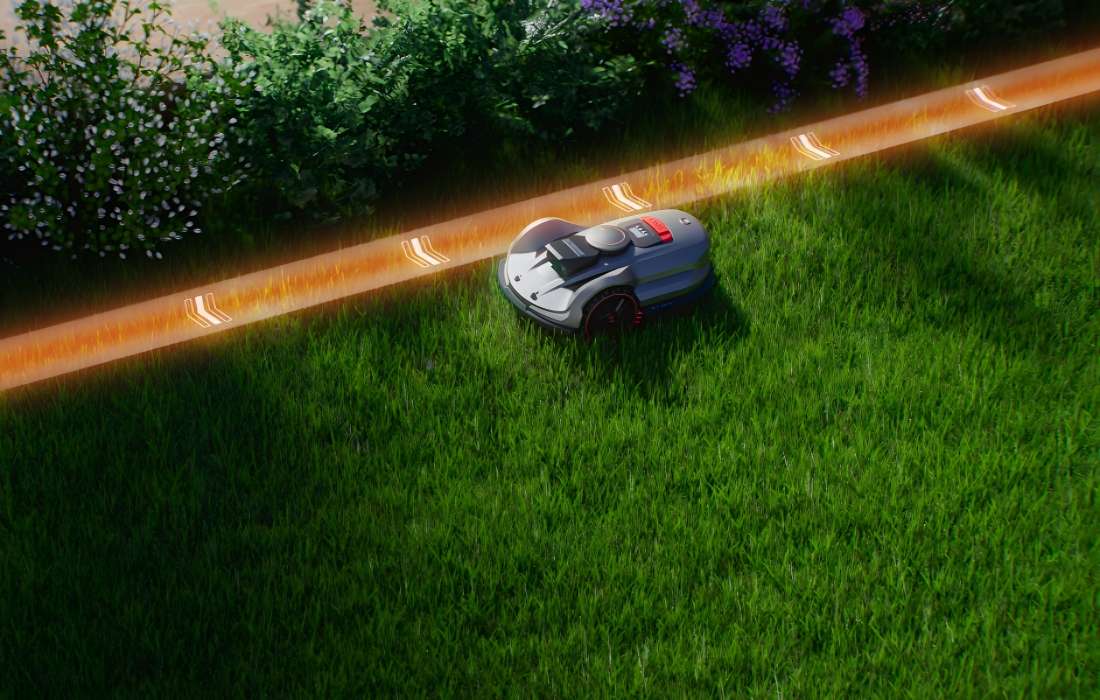
Clean lawn stripes come from consistent mowing rather than special tricks. Healthy grass, suitable cutting height, and straight mowing passes have a greater impact than expensive accessories alone. If maintaining even turf with less manual effort is also a priority, automated mowing solutions such as the Sunseeker Elite X7 Plus Gen 2 can complement a regular lawn care routine. Take one for a try to witness how it keeps grass ready for future striping.
Mow in straight, parallel passes and alternate direction with each row. Use a mower fitted with a rear roller or striping kit to bend the grass blades, which creates the light-and-dark effect. Keep the grass slightly taller, overlap each pass evenly, and mow when the lawn is dry for cleaner, more visible stripes.
Poor striping usually comes from short grass, weak turf, uneven mowing, or the lack of a roller. Raise the cutting height, sharpen the blade, and mow in straight lines at a steady pace. Fine-bladed, dense grasses stripe more clearly than coarse or sparse lawns. Dry, healthy grass also holds the pattern longer.
Groundskeepers use reel mowers or rotary mowers with heavy rollers that bend grass in opposite directions. They plan each pass carefully, use guide points to keep lines straight, and often mow the same pattern several times. Stripes appear brighter or darker depending on how the bent blades reflect sunlight toward or away from the viewer.