



FAQs
6/30/2026
Contents
Products
Residential Lawns



Explore
Where to Buy


Dog urine spots usually happen when concentrated nitrogen and salts sit in one small area of grass. Flush fresh spots quickly, remove dead turf when roots are gone, loosen the soil, reseed or patch with sod, and adjust your dog’s bathroom routine so the same damage does not return.
You step outside and see a round brown mark near the patio. A few days later, another patch appears beside the fence. For dog owners, this is a common lawn problem, and it is easy to confuse it with drought, fungus, or insects. In this guide, we will explain what the damage looks like, why it happens, how to repair it, and how to stop dog pee from killing lawn areas again.
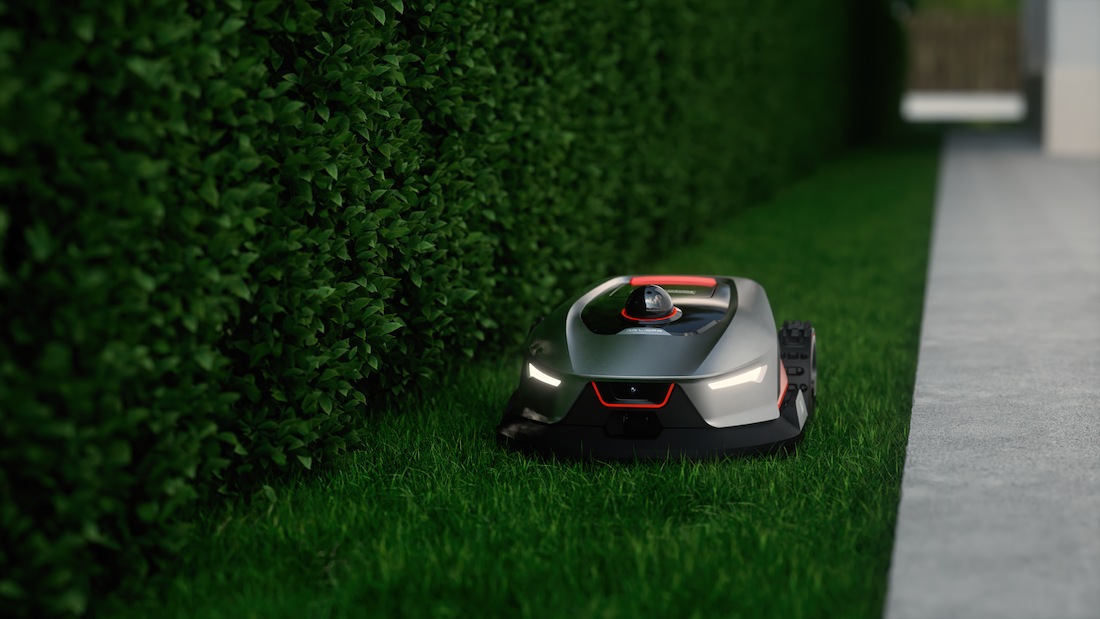
Dog urine damage has a clear look once you know the signs. Before you treat the lawn, check the shape, color, and root condition so you do not waste time on the wrong repair.
Most spots are small, round, and sharply marked. They are often 3 to 12 inches wide. The center may look straw-colored, tan, or brown. The edge may look darker green because diluted urine can act like a light dose of fertilizer. Several spots close together can turn into one larger uneven patch.
If you are trying to learn how to fix dog pee spots on lawn, test the grass first. Tug a few blades in the center. If they hold firm and show green near the base, the plant may recover. If the grass lifts out easily and feels brittle, the crowns are probably dead and the area will need seed or sod.
Dog urine spots often appear near gates, porch steps, fences, or a dog’s favorite path. Grub damage is different because turf may peel back like loose carpet. Fungal patches may show spots on leaf blades or a spreading edge. A quick root check helps you choose the right fix.
Dog urine burns grass because it is concentrated in a small area. Grass needs nitrogen, but too much nitrogen at once can scorch the blades and roots. Urine also contains salts, which can pull moisture away and leave the turf dry even when nearby grass looks healthy.
Damage is worse when the soil is dry, the dog uses the same spot often, or the lawn is mowed too short. Morning urine may be stronger because the dog has gone several hours without drinking. Large dogs can also leave more urine in one place, so the brown patch can appear faster.
The common idea that only female dogs cause spots is too simple. Female dogs often squat, so the urine lands in one clear circle. Male dogs can cause the same issue, especially on open grass. The real cause is concentration, not gender. That is why the best treatment focuses on dilution, soil recovery, and better lawn habits.
The repair of dog pee spots in lawn depends on how fresh the spot is. Yellow grass may recover with water and time. Dead brown centers need more work. Follow these steps when you want a practical plan for how to fix dog urine spots on lawn without damaging healthy turf nearby.
If you see your dog urinate on the lawn, water that area right away. Soak a circle wider than the wet mark and aim to moisten the top 3 to 4 inches of soil. A light sprinkle is not enough. The goal is to dilute nitrogen and salts before they sit around the roots.
Give yellow or pale spots a few days of steady moisture. Do not add fertilizer. If the grass starts to green up, keep it watered and avoid extra stress. If the center turns dry and brown, pull gently on the blades. Loose, brittle grass usually means the spot needs reseeding.
Rake out dead blades until you reach bare soil. Loosen the top 1 to 2 inches with a hand rake or small fork. You do not need to dig deeply. If the soil smells strong or looks crusted, flush it once more and let it drain before planting new grass.
Spread about 1/4 inch of screened compost or clean topsoil over the damaged area. This gives seed better contact with the surface. Keep the layer thin, because buried seed may not sprout well. Press the surface lightly so it is level with the surrounding lawn.
Use a grass seed that matches your lawn type. Cool-season lawns often use tall fescue, Kentucky bluegrass, or perennial ryegrass blends. Scatter seed evenly and press it into the soil. For a faster result, cut a small sod patch to fit the area. Sod still needs moisture while roots settle in.
Keep new seed damp for the first 7 to 14 days, especially during warm weather. After germination, water less often but a little deeper. Keep dogs, children, and heavy traffic away until the new grass has been mowed at least two times.
Some dog pee spots in grass grow back, but dead centers usually do not fill in fast on their own. The result depends on the grass type, season, spot size, and root health.
If only the leaf tips are burned, the grass may recover in 2 to 4 weeks with steady watering. If the crowns are dead, the patch will stay bare until nearby grass spreads or you reseed it. Kentucky bluegrass can slowly fill small gaps. Tall fescue and perennial ryegrass grow in clumps, so bare centers usually need seed.
Timing also matters. Cool-season grasses establish best in early fall or spring, when temperatures are mild and soil moisture lasts longer. Warm-season grasses repair best during active summer growth. During hot weather above 90°F, seed dries out quickly, so you may need extra watering or a sod patch.
Repairing the grass solves the visible damage, but prevention keeps the same patch from burning again. To stop dog urine killing lawn areas, reduce repeat urine concentration and keep the grass strong.
Rinse fresh spots when possible. Keep clean drinking water available for your dog, but do not use supplements or diet changes without a veterinarian’s advice. A dedicated bathroom area also helps. Choose a corner with pea gravel, mulch, or pet-friendly artificial turf, then reward your dog each time it uses that space.
Good mowing and watering habits also matter. Keep many cool-season lawns around 3 to 4 inches high, because taller grass supports deeper roots. Avoid extra fertilizer on areas used by dogs. Water deeply during dry spells, and aerate compacted soil if water runs off instead of soaking in.
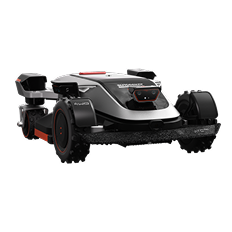
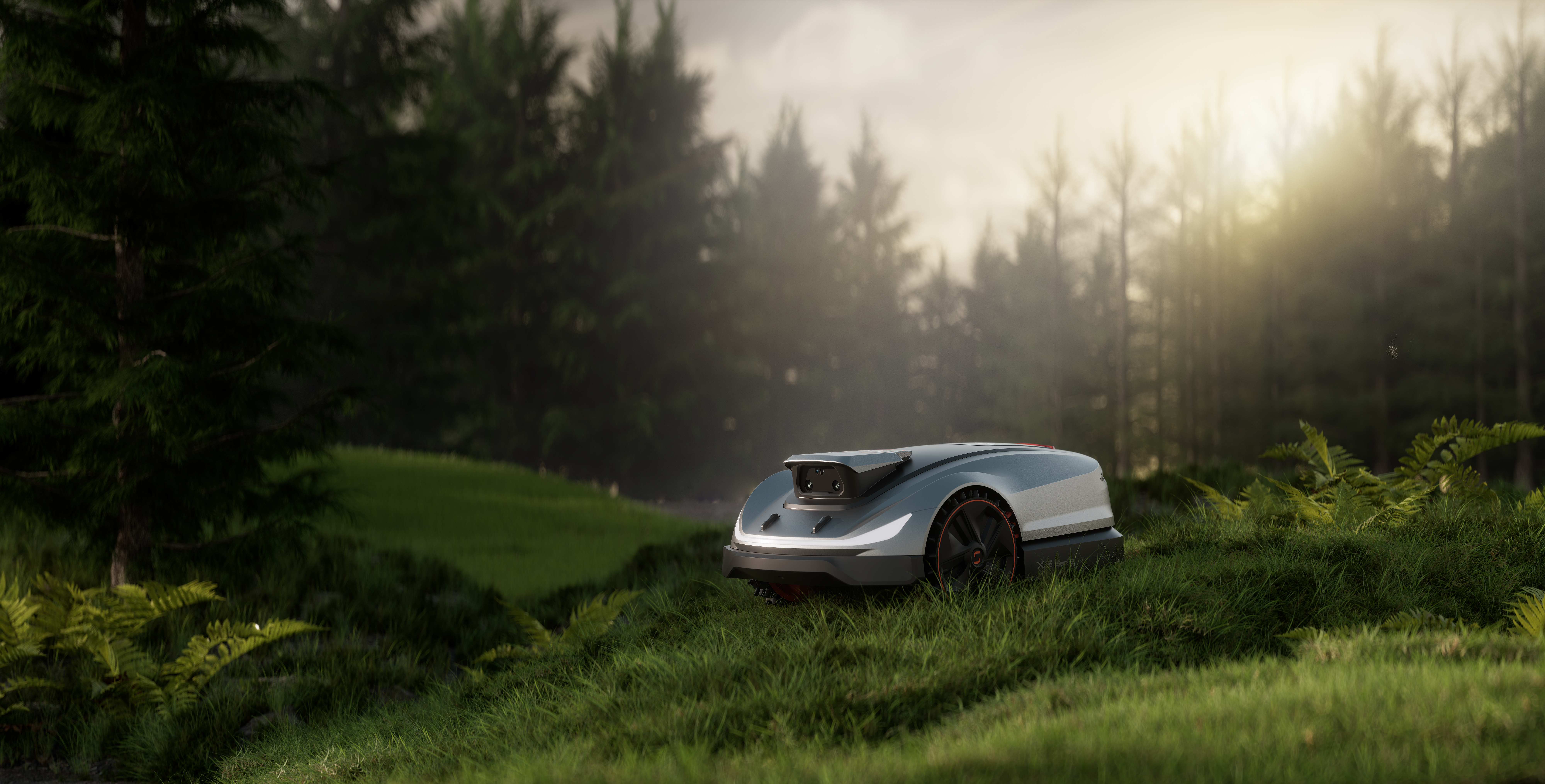
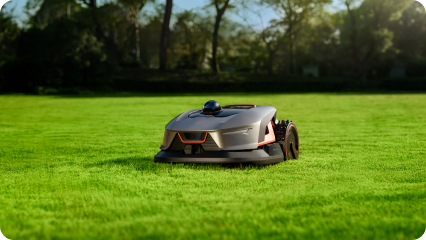
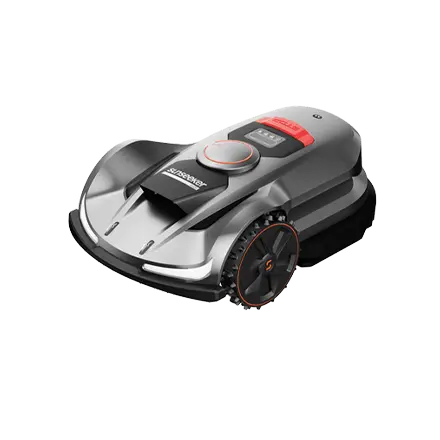
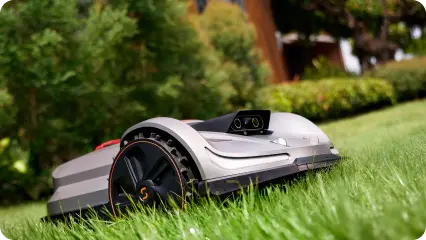
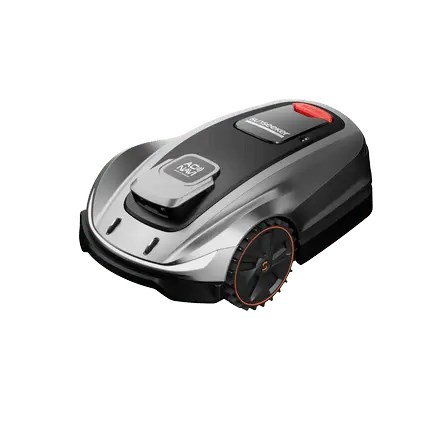
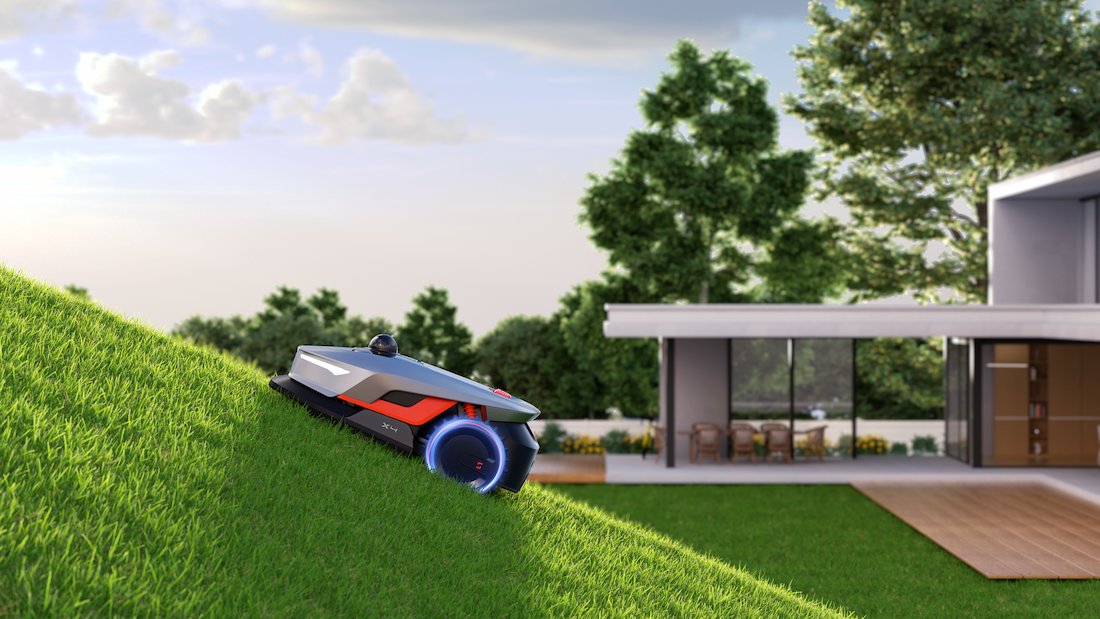
If you are comparing tools for a larger yard, a robot lawn mower can handle regular cutting and help maintain an even height. The Sunseeker Elite X7 Gen 2 uses wire-free mapping, virtual boundaries, smart path planning, app control, multi-angle mowing, and all-wheel drive for complex lawns. For pet owners, adjustable zones and efficient routes can help keep routine cutting consistent while you protect repair areas and guide dogs away from weak patches.
If neighborhood dogs are the problem, try gentle barriers. Low fencing, shrubs, pathway changes, or motion-activated sprinklers near the lawn edge can help. Repellents may fade after rain, so check labels and use only products marked safe for lawns and pets.
Many repairs fail because the first reaction is too harsh. Dog urine damage looks urgent, but strong treatments can add stress to grass that is already weak.
Avoid these common mistakes:
Be careful with products sold as instant urine neutralizers. Some may help with odor on hard surfaces, but lawn recovery still needs water, healthy soil, and new growth. Read every label and avoid anything not meant for living turf.
Dog urine spots are annoying, but they are usually manageable once you treat the cause. Flush fresh spots, remove dead turf, loosen the soil, reseed or patch, and protect the repair while roots grow. Long term, taller mowing, steady watering, a planned dog area, and consistent lawn care will keep your yard stronger. Sunseeker robot lawn mowers can also support a cleaner routine with less manual work.
Light yellowing may recover in about 2 to 4 weeks if the roots are alive and the spot is watered well. Dead brown centers need seed or sod. New seed often needs 1 to 3 weeks to germinate, then several more weeks before normal use.
Clean water is the safest first choice. Spray or soak the fresh spot as soon as possible to dilute nitrogen and salts. Avoid vinegar, bleach, baking soda mixtures, or strong cleaners on turf. They can harm grass and soil instead of repairing the spot.
Train your dog to use one bathroom area and reward that habit every time. For visiting dogs, try low fencing, shrubs, route changes, or motion-activated sprinklers near the lawn edge. If you use a repellent, choose one labeled for lawns and pets.