












FAQs
7/24/2026
Contents
Products
Residential Lawns










Explore
Where to Buy


To even out a lawn, identify low spots, bumps, drainage problems, and compacted soil first. Mow the grass short, loosen hard areas, then spread a thin layer of topsoil, sand, and compost. Rake it level, water gently, and repeat later if needed. Deep holes, drainage problems, or large slopes may require professional grading.
A lawn can look smooth from a distance but feel rough when you walk or mow across it. Low spots may collect water, raised areas can get scalped, and hidden dips may become a tripping hazard. These problems are common and often develop as soil settles, traffic compacts the ground, or water moves soil around.
So, can you, and how to even out your lawn yourself? Minor uneven areas are usually manageable with basic tools and a suitable leveling mix. The sections below cover the causes, DIY limits, repair steps, aftercare, and signs that professional help is needed.
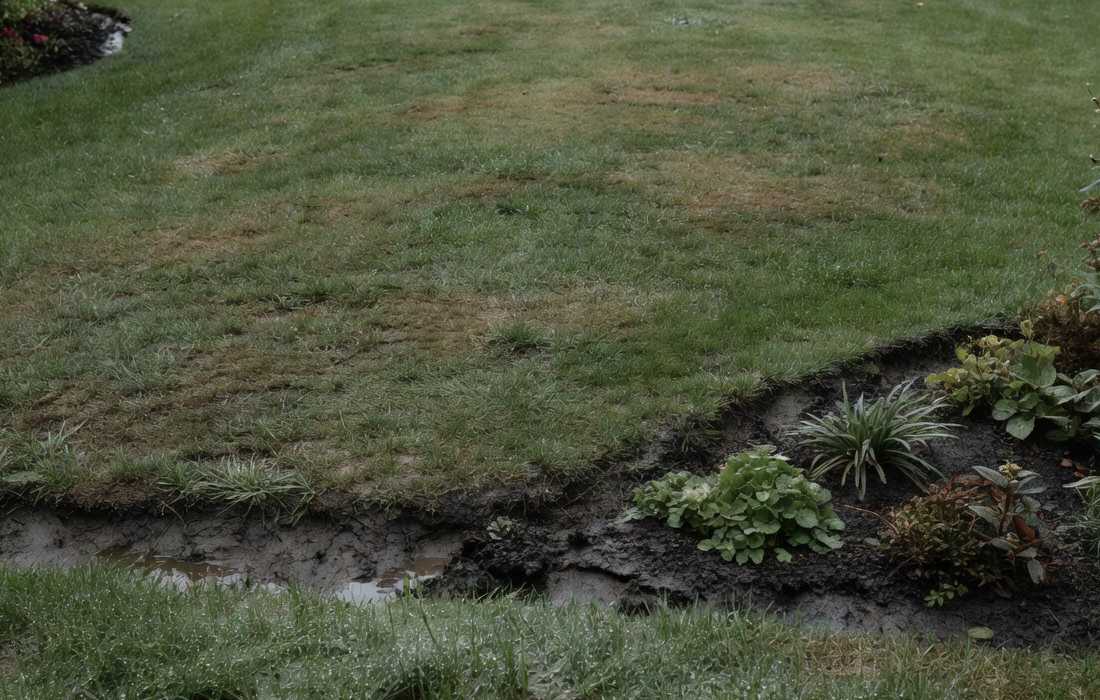
Uneven ground usually develops slowly. Finding the cause first makes the repair more effective and lowers the chance of the same problem returning throughout the year.
You can usually even out a lawn yourself when the unevenness is shallow, limited to a few low spots or bumps, and unrelated to major drainage or structural problems. Topdressing works best while the grass is actively growing and the soil is moist but firm—not waterlogged, frozen, drought-stressed, or baked hard.
DIY repair is also reasonable when you can identify and stop the cause, such as redirecting a downspout or reducing traffic. Deep depressions, broad slopes, exposed utilities, large tree roots, repeated washouts, or water flowing toward the foundation require more than a surface fix and may need professional assessment.
· Basic tools: Gather a lawn mower, garden or thatch rake, leveling rake or wide landscape rake, shovel, wheelbarrow, push broom, hose or sprinkler, and marking flags.
· Measuring tools: A long straight board, a string line, and a carpenter’s level help reveal dips and high spots. For compacted ground, use a manual or core aerator.
· Repair materials: Keep matching grass seed or spare sod for bare repairs. A practical leveling mix combines screened topsoil, fine sand, and mature compost, often about 40% topsoil, 40% sand, and 20% compost, although clay-heavy or sandy lawns may need a blend closer to the existing soil.
Finding easy DIY ways to level your lawn? Choose a mild day when the ground is firm and the grass is growing well, and follow the steps below to start. Remember to fix leaks, runoff, pest activity, or settling before you begin.
Mow the lawn a little shorter than normal, but do not scalp it. Follow the one-third rule and remove no more than one-third of the grass blade in one cut.
Bag thick clippings or rake them away so you can see the surface clearly. Walk across the yard in several directions and notice where the mower bounces, the blades cut too low, or your feet sink.
Look for muddy marks and standing water after rain. Push a screwdriver into different areas to compare soil firmness. Wait until the wet ground dries before starting the repair.
Use marking flags to outline low areas, raised patches, bare turf, drainage channels, and animal damage. This keeps you focused and prevents you from spreading soil where it is not needed.
Lay a long straight board across each area and measure the gap underneath. For larger sections, stretch a string between stakes and compare the ground height at several points.
Mark sprinkler heads, cables, drains, and landscape lighting before digging. Note exposed tree roots as well. Do not shave down large roots or bury them under a thick soil layer just to create a flatter surface.
Rake away loose thatch and lift matted grass so the leveling mix can reach the soil. Core-aerate hard areas where water drains slowly or grass growth is thin.
For a noticeable bump, cut the sod on three sides and peel it back carefully. Remove a small amount of soil, press the surface lightly, and place the turf back at the surrounding height.
Use the same method for a deeper dip. Lift the sod, add soil underneath in thin layers, firm each layer gently, and replace the turf.
Repair active mole tunnels, irrigation leaks, or grub damage before moving on. Bare or badly damaged sections may need fresh seed or replacement sod.
Mix the screened topsoil, fine sand, and compost until the material looks even and contains no stones, sticks, or large clumps.
Place small piles around the repair area. Pull the mix into the low spots with a leveling rake, working from several directions.
Over living grass, spread about 1/4 to 1/2 inch at one time. Keep most of the grass blades visible because a heavy layer can smother them.
Use a push broom to brush soil off the leaves and down toward the base. Fill deeper bare holes in several lifts and press each layer lightly.
Check the height again with a straight board. Add another thin layer later if the repaired surface still sits below the surrounding lawn.
Rake across the repaired area from different directions so the new soil blends into the surrounding lawn. Break up clumps and remove stones or other debris.
Water gently to settle the mix without washing it away. A strong stream can create new channels or push the loose soil into piles.
Walk across the lawn after the first watering and smooth any footprints or washed-out spots while the soil is still easy to move. Keep seeded or resodded areas evenly moist, but avoid soaking them.
Stay off soft sections and wait until the grass is upright and rooted before mowing. Some settling is normal. Check the lawn again after several rainfalls and add another thin layer instead of making one heavy correction.
Call a lawn care, drainage, or grading professional when dips are deep, the entire yard slopes incorrectly, or water repeatedly flows toward the house, driveway, or neighboring property.
Professional help is also wise for severe erosion, sinkholes, buried utility concerns, retaining-wall movement, large exposed roots, or recurring animal damage. These conditions may require drainage design, soil compaction, excavation, or complete regrading rather than topdressing.
A contractor can establish a safe drainage slope and use equipment without damaging structures or utilities. Before hiring, remember to request a diagnosis, grading plan, drainage details, repair method, and explanation of how the lawn will be reestablished.

The first few weeks affect how well the grass recovers and how evenly the new soil settles. Gentle care now can prevent another round of repair.
Once the repaired grass is firmly rooted and ready for regular mowing, a good robot lawn mower can make ongoing care easier. The Sunseeker Elite X5 can simplify regular mowing across large, sloped, or mildly uneven lawns. Its floating cutting disc follows changing ground contours for a more consistent cut, while all-wheel drive and independent front suspension provide stable movement over rough terrain. AONavi positioning, intelligent path planning, and multi-zone management also support organized coverage without boundary wires.
Learning how to even out a lawn starts with diagnosing why the surface changed, not simply covering every dip with soil. Shallow uneven areas can often be corrected with careful mowing, marking, aeration, and thin applications of a compatible leveling mix. Give the grass time to grow through each layer, monitor drainage, and repeat small corrections after settling.
Deep depressions, major slopes, or runoff near a foundation deserve professional attention. With patient repairs and sensible aftercare, your lawn can become safer to walk on, easier to mow, and more consistent across the growing season.
The best method is to mow the lawn short, mark low spots, and fill them gradually with a screened topdressing mix. Spread no more than 1/2 inch at a time, rake it into the grass, and water lightly. For deep depressions, lift the turf, add soil underneath, then replace and firm it.
Level your lawn during its active growing season so the grass can recover quickly. For cool-season lawns, early fall is usually best, with spring as a second option. For warm-season grasses, late spring to early summer works well. Avoid leveling during drought, extreme heat, frozen conditions, or when the soil is waterlogged.
Use topsoil or a topsoil-compost mix for deep low spots because it adds structure and nutrients. Sand works best for minor surface smoothing, especially on lawns growing in sandy soil. Avoid applying thick layers of pure sand over clay, as it may create drainage and compaction problems. Match the material closely to your existing soil.