








FAQs
7/24/2026
Contents
Products
Residential Lawns









Explore
Where to Buy


Cut the lawn when the grass is dry and the soil is firm. Set the mower to the recommended height for your grass type, then remove no more than one-third of the blade length. Use sharp blades, overlap each pass slightly, change mowing direction regularly, and leave only light, dry clippings behind.
A freshly mowed lawn can still look uneven, patchy, or stressed if the grass is cut too short, mowed at the wrong time, or handled with a poor mowing pattern. These problems are common, especially when the weather changes or the mower is not set correctly. Proper mowing starts with checking the lawn, choosing the right cutting height, and following a steady route. This guide will break the process into practical steps, along with safety checks and common mistakes to avoid.
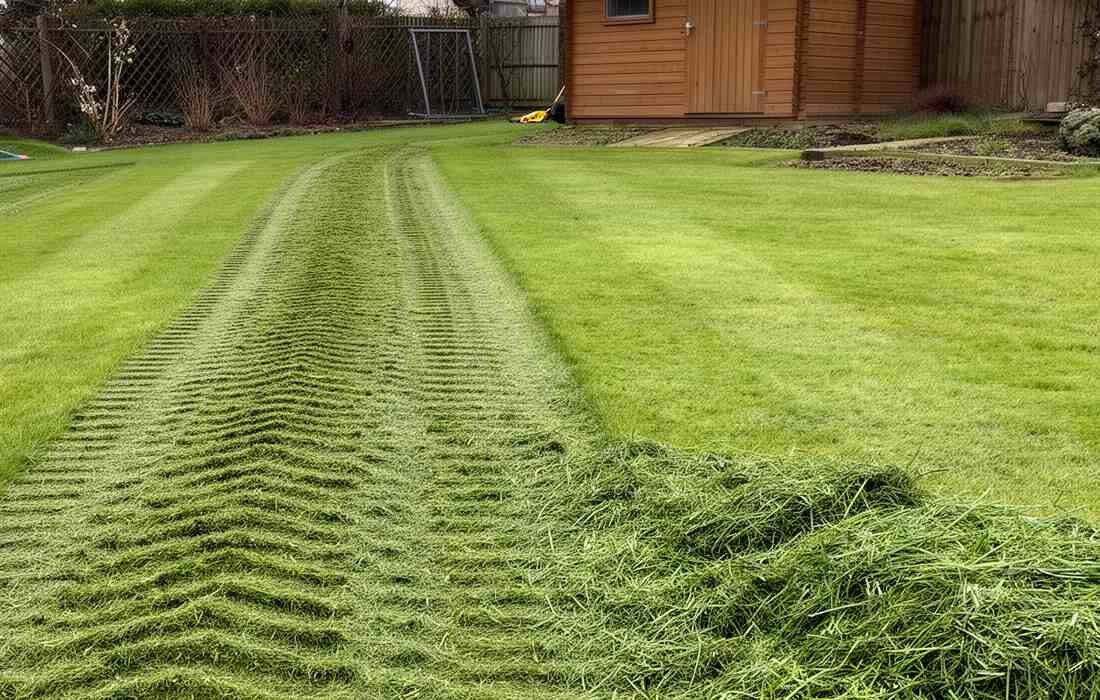
The right way to cut a lawn is to mow when the grass is dry, use a sharp blade, and remove no more than one-third of its height in one pass. Set your mower for your grass type, then work in straight, slightly overlapping rows so you do not leave narrow strips behind.
Change direction between mowing sessions to reduce wheel tracks and prevent grass from leaning one way. Fine, evenly spread clippings can stay on the lawn and return nutrients to the soil. Collect them when they are wet, heavy, or likely to smother the turf. Lower an overgrown lawn gradually rather than cutting it short in one session.
Most home lawns perform best within the recommended range for your grass species. Taller grass usually develops deeper roots, shades the soil, and competes better with weeds. Never remove more than one-third of the blade at once.
Generally, you can follow the chart below to mow your grass. Raise the mowing height by about 1/2 inch during hot or dry weather. Keep shaded areas slightly taller so the grass has more leaf surface for gathering light. Measure the result on a flat surface instead of relying only on the mower’s numbered deck settings.
Grass type | Practical mowing height |
|---|---|
Kentucky bluegrass / tall fescue | 3–4 in. |
Perennial ryegrass | 2.5–3.5 in. |
Bermuda grass | 1–2 in. |
Zoysia grass | 1.5–2.5 in. |
St. Augustine grass | 3–4 in. |
Before starting, check the lawn, mower, and surrounding area. These simple steps lower the chance of injury and help the machine produce a cleaner, more even cut.
Clear the lawn: Remove stones, sticks, toys, hoses, wire, and other objects that could damage the blade or be thrown by the mower.
Check the ground: Wait until the grass is dry and the soil feels firm. Avoid muddy areas, hidden holes, standing water, and slippery slopes.
Inspect the mower: Confirm that guards, shields, the discharge chute, handles, and safety controls are secure. Never disable built-in safety features.
Examine the blade and deck: Use a sharp, balanced blade. Clear packed grass only after disconnecting the power source or removing the battery.
Check the power system: Look for fuel leaks, damaged cords, loose batteries, worn wheels, and other visible damage before operation.
Wear suitable protection: Choose sturdy closed-toe shoes and eye protection. Use hearing protection when needed, and keep children, pets, and bystanders away.
Once height and safety are sorted, the actual mowing process is straightforward if you keep conditions, pattern, and clipping control consistent.
Start with a full walk-through, not from the mower handle. Remove debris, move furniture, pull hoses out of the mowing path, and mark anything the deck might strike. Check the soil with your heel. If footprints stay compressed or the mower wheels leave shiny tracks, wait. Mowing soft ground creates ruts, smears soil around the crown of the grass, and leaves damage that takes longer to repair than the delay.
Look at the slope and traffic areas before you start. On banks, mow across the slope with a walk-behind mower only when footing is secure; avoid steep, wet slopes entirely. Plan your turns so you are not repeatedly pivoting on the same worn corner.
Set all wheels to the same height before the engine or motor starts. Do not lower the deck halfway through because one section looks taller. That creates uneven color and invites scalping on minor high spots.
If the lawn is overgrown, use the highest practical setting for the first mow. Let the grass stand for a couple of days, then cut again to the target height. It looks less dramatic on day one, but the lawn keeps more leaf area and recovers more evenly.
Cut one or two passes around the perimeter first. That gives you a turning lane and reduces the need to drag the mower sideways at beds, fences, and paths. Then mow in straight rows across the main area.
Overlap each pass by a few inches so you do not leave uncut strips between wheel tracks. Keep a steady walking pace. Racing through thick turf causes missed blades and clumps; crawling too slowly can overprocess clippings and flatten soft grass. Listen to the mower. If the engine bogs or the deck sounds loaded, slow down, raise the height, or narrow your cutting width.
For a bagging mower, empty the bag before it is packed tightly. An overfilled bag reduces airflow and leaves ragged patches behind. For side discharge, aim clippings back onto the mown area only when they are light and dry enough to disperse.
Do not mow the same route every time. Grass leans in the direction it is repeatedly cut, and mower wheels compact the same lines. Alternate north-south, east-west, and diagonal patterns through the season.
Keep your turns wide and smooth. Tight turns on dry turf tear crowns; tight turns on damp soil make ruts. If you use a zero-turn mower, avoid spinning one wheel in place. Make a three-point turn or curve through the turnaround zone.
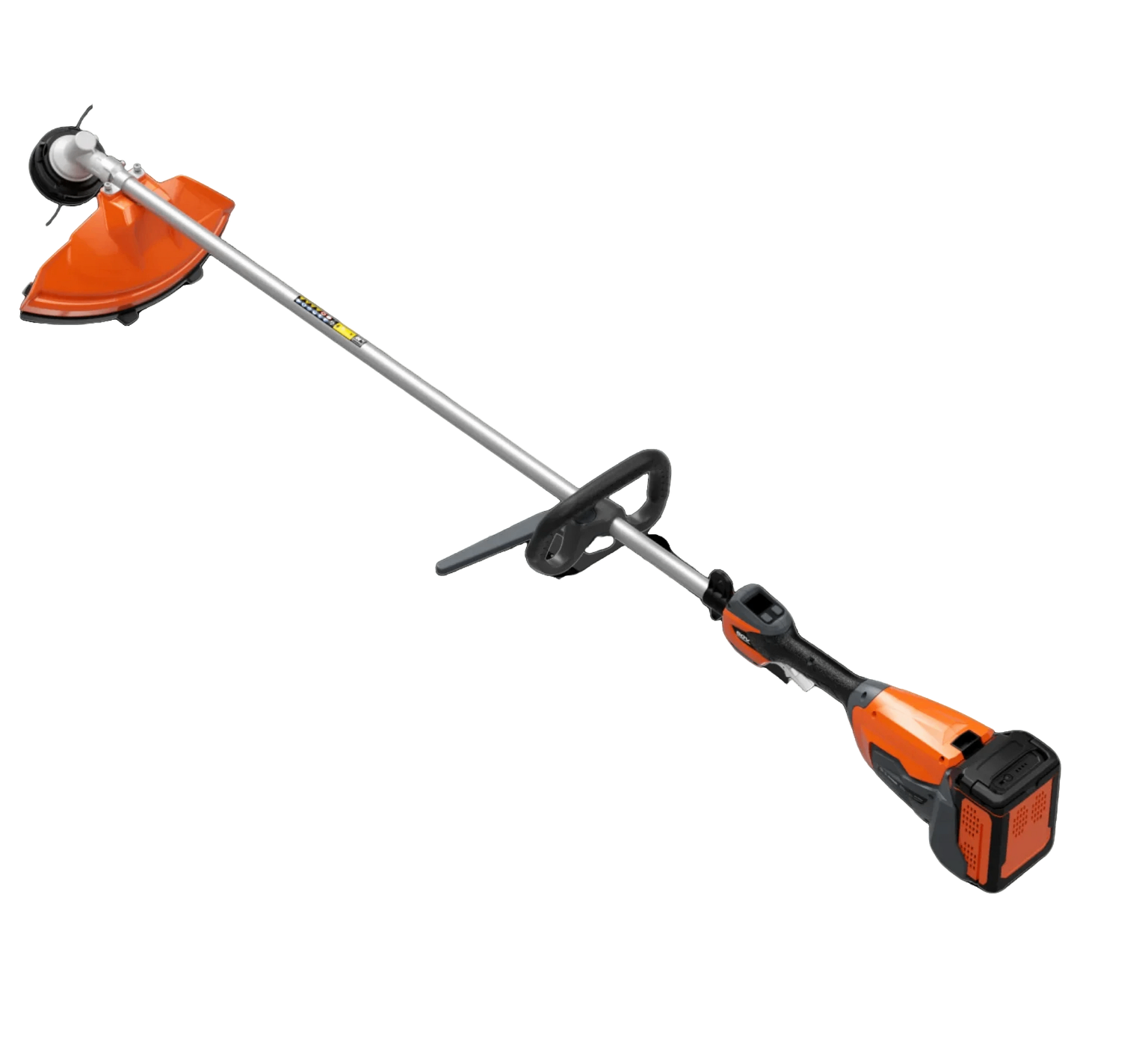
Trim after mowing if you want the cleanest edge, because the mower establishes the main height first. Use a string trimmer with the head level, not tilted into the turf. Scalped edges dry out first and invite weeds along walks and beds.
Leave clippings when they are short, dry, and evenly spread. They return nutrients and disappear quickly. Bag or rake only when clippings form wet mats, when weeds have gone to seed, or when disease is active and the lawn is covered with infected debris. Blow clippings off the pavement back into the lawn, not into the street or storm drain.
Mow by growth rate, not the calendar alone. During spring surges, a healthy cool-season lawn may need mowing every 4–6 days. In summer heat or drought, the same lawn may slow down enough that 10–14 days is better. Warm-season grasses usually need more frequent cutting during hot, active growth and less during cool shoulder seasons.
The best time of day is usually mid-morning after dew has dried or late afternoon when heat has eased. Avoid early morning wet grass, midday heat, and evening cuts that leave damp wounds overnight. Wet mowing clumps clog the deck, stain shoes and paths, and increase slipping risk.
Do not mow during drought dormancy unless uneven seedheads or weeds need topping. If the lawn is gray-green, footprints remain visible, or blades fold lengthwise, water management matters more than mowing. After heavy rain, wait until the soil firms up, even if the leaf surface looks dry.
A simple test beats guessing: walk the lawn, part the canopy with your hand, and check height, moisture, and wheel-track risk. If cutting today would break the one-third rule or rut the soil, change the plan.
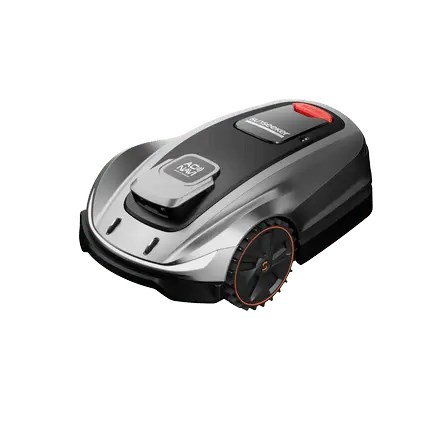
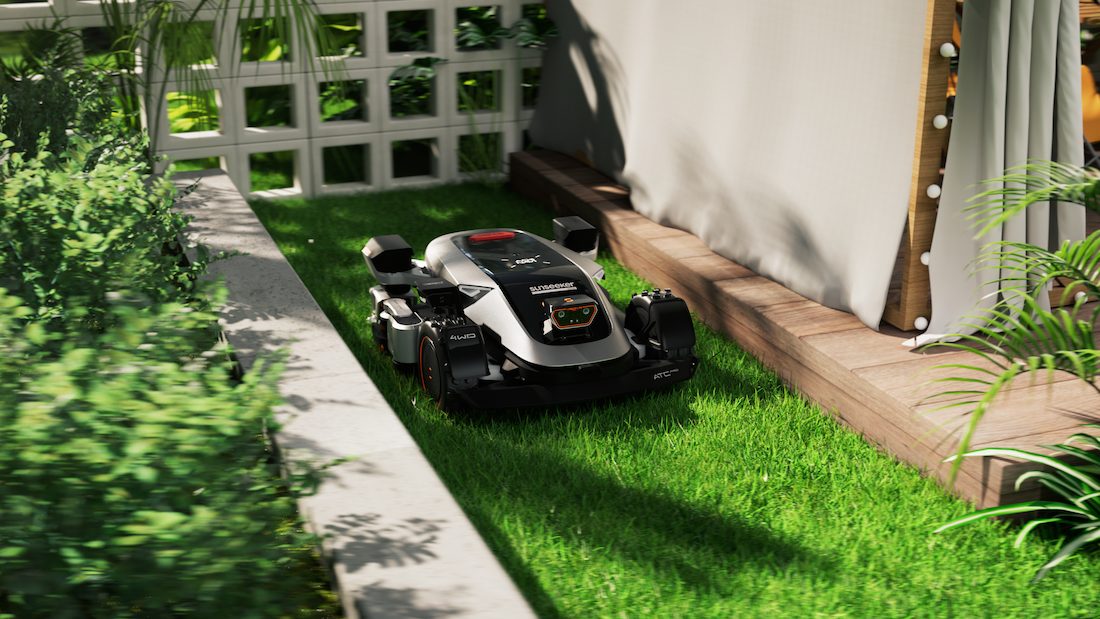
For large lawns that need frequent, consistent cutting, the Sunseeker Elite X9 can automate much of the routine. It provides scheduled mowing, automatic path planning, and an electric cutting-height range of 0.8 to 4 inches. A floating cutting disc follows changing ground contours, while AWD handles slopes up to 90% or 42°. Set the schedule around grass growth and avoid mowing wet, soft ground.
Cutting a lawn properly comes down to a few rules that do most of the work: keep the height right, follow the one-third rule, mow when the ground is firm, and keep the blade sharp. If your lawn is thinning, scalping, or showing wheel marks, check your timing and mowing height before you change anything else. A good robotic lawn mower for large lawns and the right mowing habits fix more lawn problems than most homeowners expect.
Mow only when the grass is dry, use a sharp blade, and remove no more than one-third of the blade height at a time. Set the mower height for your grass type, overlap each pass slightly, and change direction regularly. Leave fine clippings unless they form thick clumps, and avoid scalping uneven areas.
Check the lawn for stones, toys, and branches before mowing. Set the cutting height high for the first pass, then mow in straight, overlapping lines at a steady pace. Never cut more than one-third of the grass height. Trim edges afterward, clear heavy clumps, and clean the mower deck once the machine has cooled.
Start mowing when grass begins active growth, not on a fixed calendar date. In many cool-season regions, this is March or April; warm-season lawns may not need mowing until April or May. Wait until the lawn is dry, unfrozen, and at least one-third taller than your normal mowing height before making the first cut.