






FAQs
7/25/2026
Contents
Products
Residential Lawns










Explore
Where to Buy


Clover is a common lawn plant that often appears when soil conditions favor it. It can be removed with natural methods, selective herbicides, or better lawn care practices. The best approach depends on how much clover is present, why it is growing, and whether you want a pure grass lawn or a mixed lawn.
White clover often shows up quietly at first, then suddenly the lawn is dotted with white flowers and spreading green patches between mowing sessions. It is a common problem in lawns where grass has thinned, soil fertility is low, or open spaces give clover room to compete. If you are trying to keep a dense grass surface, learning how to control clover in lawn starts with understanding why it is spreading. In this blog, we’ll cover what clover indicates, how to remove it carefully, and how to strengthen the lawn so it is less likely to return.
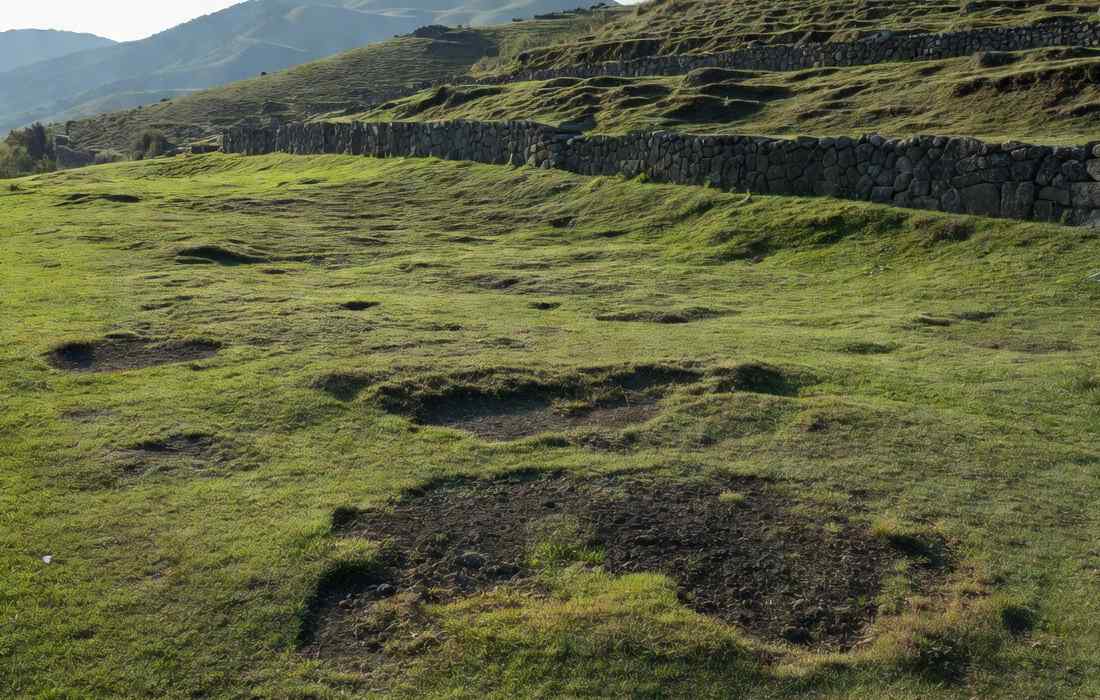
Clover is a low-growing broadleaf plant that belongs to the legume family. The most common lawn type is white clover, which has small three-part leaves and small white flowers. Unlike grass, clover can take nitrogen from the air with help from bacteria around its roots. This gives it an advantage in soils where grass may struggle.
A small amount of clover is not automatically a problem. Some homeowners actually keep clover because it stays green during dry periods, supports pollinators, and needs less fertilizer than many grasses. The issue begins when clover spreads faster than the grass and changes the look or use of the lawn.
Understanding the plant helps answer how to control clover in my lawn. You are not fighting a random weed. You are managing a plant that often succeeds because the lawn environment gives it an opportunity.
Clover usually appears because lawn conditions favor it more than the existing grass. Finding the reason behind the growth is important because removing visible clover without improving the lawn often leads to the same problem again.
Soil pH can also influence plant growth. Clover often tolerates a wider range of conditions than some lawn grasses. A soil test can show whether the lawn needs nutrients, lime, or other adjustments. The goal is not just to remove clover, but to create conditions where grass can compete better.
The choice depends on your lawn goals. Clover is not harmful in every situation. Some natural lawns intentionally include clover because it requires fewer inputs and remains green during stressful weather.
Keeping some clover can have benefits:
However, many homeowners prefer a uniform grass lawn. Clover can create uneven texture, spread into areas where you want grass, and produce flowers that some people do not want in play areas. If you want a traditional lawn appearance, learning how to control clover in your lawn is the better approach.
The right control method depends on the size of the problem. A few small patches can often be handled without chemicals. Larger infestations may need a stronger approach combined with lawn improvement.
Natural methods work best when clover growth is limited or when you want to improve the lawn without herbicides. They focus on making grass healthier instead of only attacking the clover.
Use these methods when clover covers a small area, you are reseeding soon, or you prefer a lower-chemical lawn approach:
Natural control takes patience. It is usually better for gradual improvement rather than immediate removal. The goal is to shift the balance back toward healthy grass.
Herbicides are useful when clover covers large areas or returns after basic lawn improvements. Choose a product labeled for clover control and your grass type. Selective broadleaf herbicides are often designed to target clover while leaving established grass unharmed when used correctly.
Use herbicides when:
Avoid spraying during extreme heat, drought stress, or when rain is expected soon. Follow the label carefully, because application timing and temperature can affect results. After clover is controlled, strengthen the lawn so new weeds have fewer chances to return.
Prevention starts with a stronger lawn. Clover often returns because the original conditions remain unchanged. A dense grass stand leaves less space for weeds and creates more competition below the soil surface.
Regular mowing also matters. Grass that is cut too low becomes stressed and leaves more sunlight available for low-growing weeds. A consistent mowing routine supports thicker turf and makes weed control easier.
For homeowners who want a more consistent lawn routine, the Sunseeker Elite X4 can support maintenance with smart navigation, app control, virtual boundaries, and obstacle detection. Regular mowing helps keep grass growth more even, which supports a healthier lawn after weed control work.
If you are comparing automated lawn care solutions, a robot lawn mower can help maintain a regular cutting schedule and reduce the chance of grass becoming overgrown or stressed.

Most clover problems can be managed by homeowners, but professional help may be useful when the lawn has several problems at once. Large infestations, poor soil, drainage issues, or repeated weed growth may require a more complete lawn assessment.
A professional can test soil, identify the main cause, recommend suitable treatments, and create a repair plan. This is especially helpful when clover appears together with moss, bare soil, fungal problems, or severe thinning grass. Removing the clover alone will not solve a weak lawn.
Learning how to control clover in lawn areas is about more than removing a weed. The best results come from understanding why clover grows, choosing the right removal method, and improving the conditions that help grass compete. Natural methods work well for small problems, while herbicides can help larger infestations when used correctly. With healthy soil, proper mowing, and consistent care, your lawn can stay thicker and less vulnerable to future clover growth.
Selective broadleaf herbicides are often designed to kill clover while protecting many common lawn grasses when applied correctly. Always check the label for your grass type. Natural methods such as hand removal, overseeding, and improving lawn health can also reduce clover without chemical treatment.
Heavy clover growth usually means the lawn has conditions that favor clover, such as low nitrogen, thin grass, compacted soil, or incorrect mowing. Clover spreads where grass is weak. Improving soil, feeding correctly, and filling bare areas can reduce future growth.
The best method depends on the size of the problem. Small patches can be pulled or improved through better lawn care. Large areas may need a selective herbicide followed by reseeding and soil improvement. The long-term solution is creating stronger grass that can compete with clover.