







FAQs
12/25/2025
Contents
Products
Residential Lawns




Explore
Where to Buy


One of the most common questions homeowners with yard ask is simple: "How often should I mow my grass?" The answer isn't a single number, but a smart balance that keeps your lawn healthy, your mower efficient, and your weekends free. Setting the right schedule transforms your mowing tool into a true lawn care partner. This guide walks you through the factors that matter and helps you build the perfect mowing plan for your unique yard.
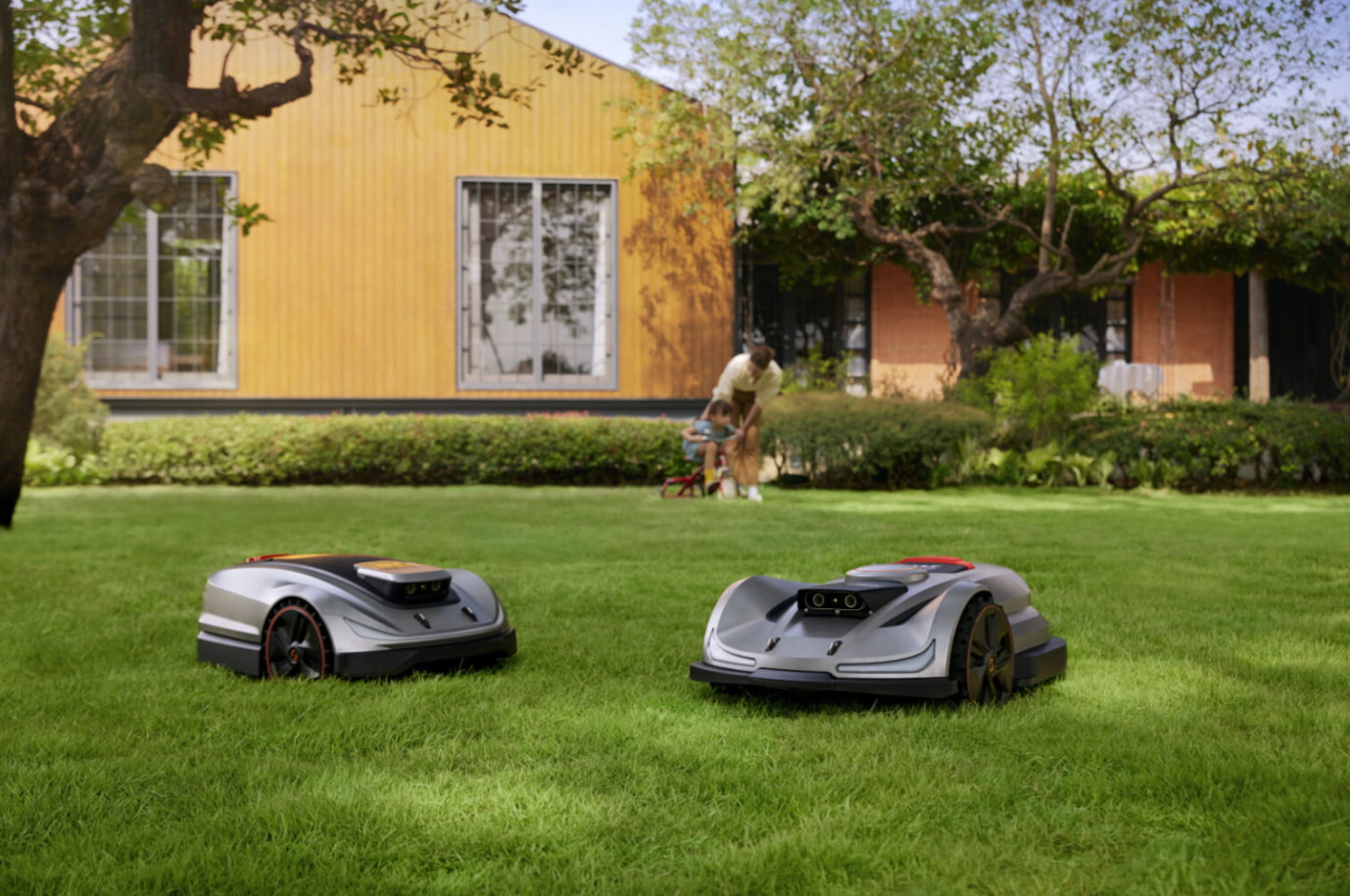
Understanding why frequency plays such an important role helps you set a schedule that supports both lawn health and appearance.
Frequent, lighter mowing helps maintain healthier grass. When only small amounts are removed at each cut, clippings break down quickly and return nutrients to the soil, supporting natural fertilization and moisture retention.
Regular trimming also encourages lateral growth, leading to a denser, more uniform lawn with a smoother appearance over time. While traditional mowers can follow this approach with a disciplined schedule, automated systems simply make consistency easier to maintain.
When mowing intervals stretch too far apart, the lawn begins to show signs of stress. Grass that grows too tall becomes fibrous and coarse, and the mower needs to remove more material at once, which weakens the plants.
Taller grass also shades the soil, creating an ideal environment for weeds to take hold. Infrequent mowing can also trap moisture at the base of the grass, increasing the risk of fungal diseases and pest infestations.
Long intervals between cuts may also force the mower to work harder. Instead of gliding through short growth, it needs to push through thicker, denser blades, reducing cutting efficiency and sometimes requiring multiple passes to achieve an even finish.
Some mowing setups allow extremely frequent cutting, but grass still needs time to recover between sessions. When mowing happens too often, especially during periods of heat, drought, or slowed growth, plants experience unnecessary stress that limits their ability to regenerate. Instead of strengthening the lawn, over-mowing gradually weakens it.
Excessive cutting can thin turf density, reduce root depth, and make grass more vulnerable to foot traffic, pests, and environmental pressure. Over time, soil structure may also suffer as roots pull back and organic matter declines. Regardless of mower type, the lawn’s natural growth cycle should guide frequency decisions. Healthy grass responds best when mowing supports seasonal rhythms rather than overriding them.
Several key elements influence how fast your grass grows and, therefore, how often your mower should run. Considering these will help you create a dynamic schedule that changes with the conditions.
Lawn size directly affects how often a robotic mower needs to operate. Smaller lawns reach full coverage quickly, allowing for shorter and more frequent sessions that maintain a neat, uniform look. Larger lawns require longer cycles and may need daily operation during peak seasons to keep growth under control. Matching mowing time to overall area ensures consistent results without unnecessary strain on the mower.
Growth habits differ significantly between cool-season and warm-season grasses. Cool-season varieties like fescue, ryegrass, and bluegrass grow rapidly during spring and fall. They often require more frequent mowing during these periods to prevent scalping and maintain a lush appearance.
In contrast, warm-season grasses such as Bermuda, Zoysia, and St. Augustine grow most vigorously during late spring through summer. Their growth slows down once temperatures drop, so mowing needs naturally decrease.
Temperature, rainfall, and sunlight play major roles in how quickly your lawn grows. After a rain-heavy week, growth may accelerate noticeably, requiring more frequent mowing. Prolonged heat or drought can slow growth to a crawl, so the mower can take longer breaks. Cloudy or shaded conditions may reduce growth, while long sunny days can rapidly increase it.
Mowing schedules often reflect personal expectations. Lawns maintained for a highly manicured, polished look usually require more frequent mowing to keep height uniform. Homeowners who favor a natural or low-maintenance style may choose less frequent mowing, allowing grass to grow slightly taller while reducing overall maintenance demands.
Different mowing equipment varies in efficiency and capacity. Cutting width, power source, blade design, and overall performance all influence how often mowing is needed. More efficient machines can cover larger areas evenly in fewer passes, for example, the Sunseeker X7’s dual-blade system delivers a 35 cm cutting width with a 120-minute charge time and 90-minute runtime, making it well suited for consistent, large-area maintenance.
But, smaller or lower-powered mowers may require more frequent operation. Understanding equipment capabilities helps set realistic schedules that balance lawn health and maintenance effort.
Once you know what affects growth, creating a balanced routine becomes much simpler. These general rules help you find the sweet spot between healthy trimming and practical efficiency.
Small, simple lawns usually stay well maintained with three to four mowing sessions per week.
Medium-sized yards often run four to five times weekly to keep growth under control.
Large areas up to one acre typically require daily mowing to achieve even, consistent results.
Commercial or high-traffic properties may schedule multiple mowing cycles per day to maintain a professional finish.
A foundational guideline for healthy mowing is the one-third rule, which means each session should remove no more than one-third of the grass height. This prevents stress on the plant, supports stronger root growth, and helps maintain a uniform, resilient lawn. Compared to gas or electric mowers, robotic mowers excel at this because they trim lightly and frequently, keeping the lawn in its ideal growth range.
Seasonal growth patterns influence how often your mower should run. The following four-level framework offers a clear, adaptable reference:
Level 1 – Peak Growth Season (Spring and Early Fall):
Daily or near-daily mowing maintains optimal height and prevents rapid overgrowth.
Level 2 – Moderate Growth Season (Late Spring and Early Summer):
Four to six mowing sessions per week support steady growth without stressing the turf.
Level 3 – Slow Growth Season (Hot Mid-Summer):
Two to four sessions per week help protect grass under heat stress and limited moisture.
Level 4 – Dormant or Minimal Growth Season (Late Fall to Winter):
Very little mowing is required; some lawns may not need mowing at all during full dormancy.
Your robot mower's brain and app allow you to implement a smart, customized plan. Moving from general guidelines to a specific plan for your yard is the final step.
Most robotic mowers now include advanced app controls that make scheduling simple. Within the app, you can set mowing days, adjust runtime windows, and fine-tune cutting heights. Some systems automatically recommend frequency based on grass type or local weather data.
The app also helps prevent over-mowing by allowing you to set rest days. This ensures the mower accommodates slow-growth periods without manual intervention.

Sunseeker Mobile App Showing Scheduling Setup for Robotic Mower
If your mower manages multiple zones, you can often set individual schedules for each area. A sunny front yard might need daily mowing, while a shaded backyard may only need it three times a week. Use the app to allocate more time or more frequent sessions to the zones that grow fastest, ensuring every part of your lawn gets the precise care it needs.
Finding the perfect mowing frequency is a blend of science and personal observation. By starting with the principles of grass biology and seasonal growth, then fine-tuning based on your lawn's direct feedback, you'll quickly land on a schedule that works.
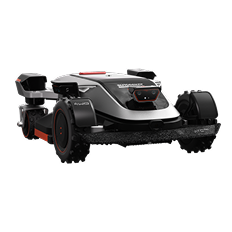
Robotic lawn mowers make this process far more convenient. Models like the Sunseeker Elite X-Series handle navigation, scheduling, and coverage automatically, reducing the need for constant oversight. App-based control allows easy adjustments as growth changes, while consistent, light cutting supports long-term lawn health. With basic upkeep such as blade maintenance and occasional debris removal, robotic mowing delivers reliable results and effortless care throughout the year.
Look at local gardening resources or use a plant identification app. Most residential lawns use cool-season grasses like Kentucky Bluegrass or warm-season varieties like Bermuda. Knowing this tells you when peak growth happens.
Yes, but check local noise ordinances first. While robot mowers are quiet, running them during daytime or early evening is often recommended for optimal navigation, safety visibility, and to avoid disturbing wildlife or neighbors.
Set your mower to its normal schedule and ensure the charging station is clear. For trips longer than two weeks during peak growth, ask a neighbor to check that the mower isn't stuck and that the lawn looks healthy.