




FAQs
7/2/2026
Contents
Products
Residential Lawns



Explore
Where to Buy


A well-maintained lawn typically lasts between 15 to 30 years, depending on various factors such as grass type, soil health, and maintenance practices. Neglected lawns may decline within 5 to 10 years. To extend a lawn’s lifespan, focus on proper mowing, watering, and fertilization, while addressing issues like compaction and disease. Recognizing warning signs of decline can help homeowners take timely action to preserve their lawns.
You step outside in spring expecting a uniform green carpet, but instead the lawn looks thin, patchy, and worn—even though you’ve been mowing and watering regularly. At that point, it’s natural to wonder whether the grass is simply stressed or whether the lawn is reaching the end of its usable life.
In reality, a lawn doesn’t have a fixed expiration date. Its lifespan depends on how it was established, how intensively it is used, and how consistently it is maintained. In this article, you will learn how long different types of lawns typically last, what signs indicate decline, and what you can do to extend the health and density of your turf over time.
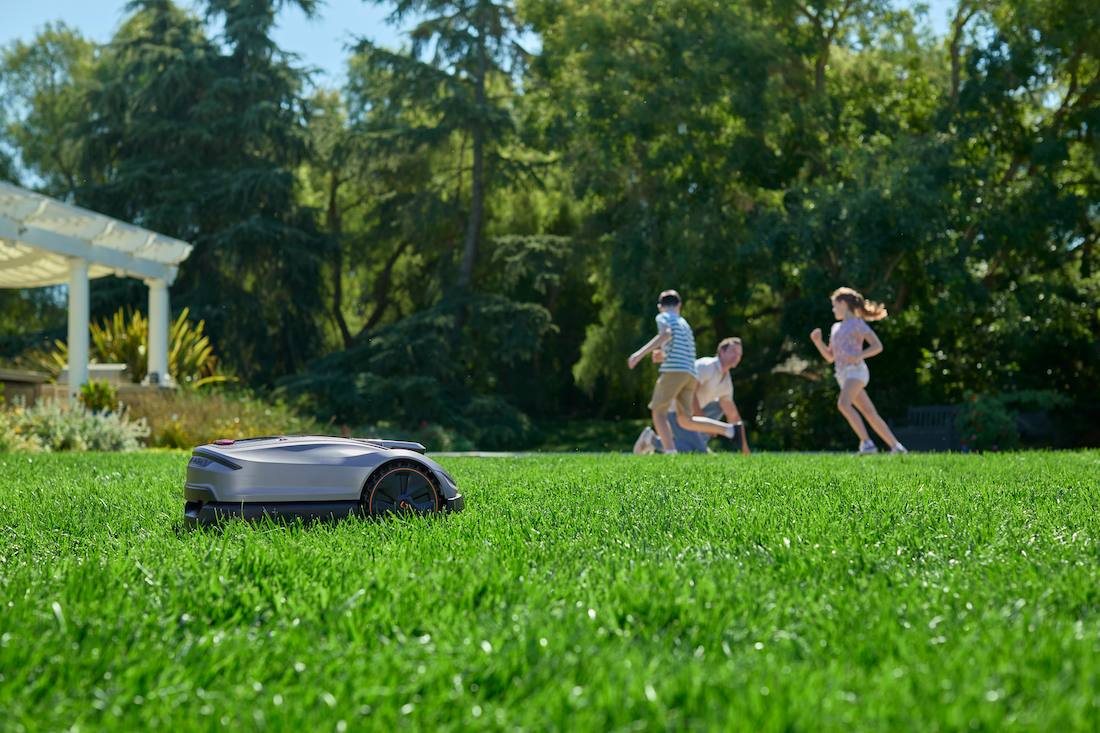
A well-built, well-maintained lawn can last 15 to 30 years or more, and some effectively last for decades because healthy growth, overseeding, soil care, and good mowing habits keep renewing the turf. A neglected lawn, or one growing in poor soil or the wrong climate for its grass type, may decline noticeably within 5 to 10 years.
The main point is that a lawn does not expire on a fixed date. Grass plants thin, spread, and get replaced over time. If the root zone stays healthy and bare spots are repaired early, the lawn can keep performing for a very long time. If compaction, weeds, disease, drought stress, or shade steadily take over, the lawn may still be alive but no longer worth maintaining in its current form.
How long a lawn lasts depends less on how it was started and more on soil quality, maintenance, and long-term growing conditions. Still, each establishment method has a typical lifespan range and behaves differently over time, which is easier to compare side by side.
Lawn type | Typical lifespan | Key strengths | Main risks / limitations |
Sod lawn | ~15–25+ years | Instant coverage, fast usability, uniform appearance from day one | Long-term success depends on soil underneath; poor soil preparation can shorten lifespan |
Seeded lawn | ~15–25+ years (often longer when well maintained) | Strong root adaptation to native soil, cost-effective, highly durable when established | Vulnerable during early establishment to weeds, uneven growth, and stress |
Overseeded lawn | Extends existing lawn life by many years | Improves density, fills thinning areas, delays full renovation needs | Not a full lawn replacement; effectiveness depends on existing lawn condition and maintenance |
Lawns last longest when grass type, soil, water, sunlight, and use patterns are aligned. They fail early when one or more of those factors stays wrong for years.
The grass has to match the region. Cool-season grasses generally do best where summers are moderate and winters are cold, while warm-season grasses handle heat better but often struggle in cooler zones. When the wrong type is planted, the lawn spends too much time recovering and not enough time thickening.
Healthy soil gives roots air, water access, and room to grow. Compacted soil does the opposite: water runs off, roots stay shallow, and thin spots spread. If the ground feels hard underfoot or puddles after rain, the problem may be in the root zone rather than the grass blades.
Too little water and too much water can both shorten lawn life. Deep, less frequent watering usually supports stronger roots, while constant shallow watering can leave turf weak and more disease-prone. Sunlight and drainage matter just as much. Persistent shade, soggy low spots, and reflected heat from pavement often create recurring trouble areas.
Heavy use wears grass down fastest along paths, play areas, and fence lines. Pets can add burn spots and compaction. Pests and fungal diseases may seem like sudden problems, but repeated outbreaks usually point to a broader imbalance such as excess moisture, poor airflow, weak soil, or chronically stressed turf.
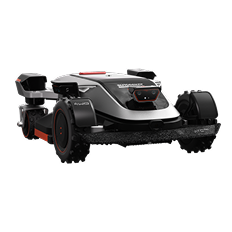
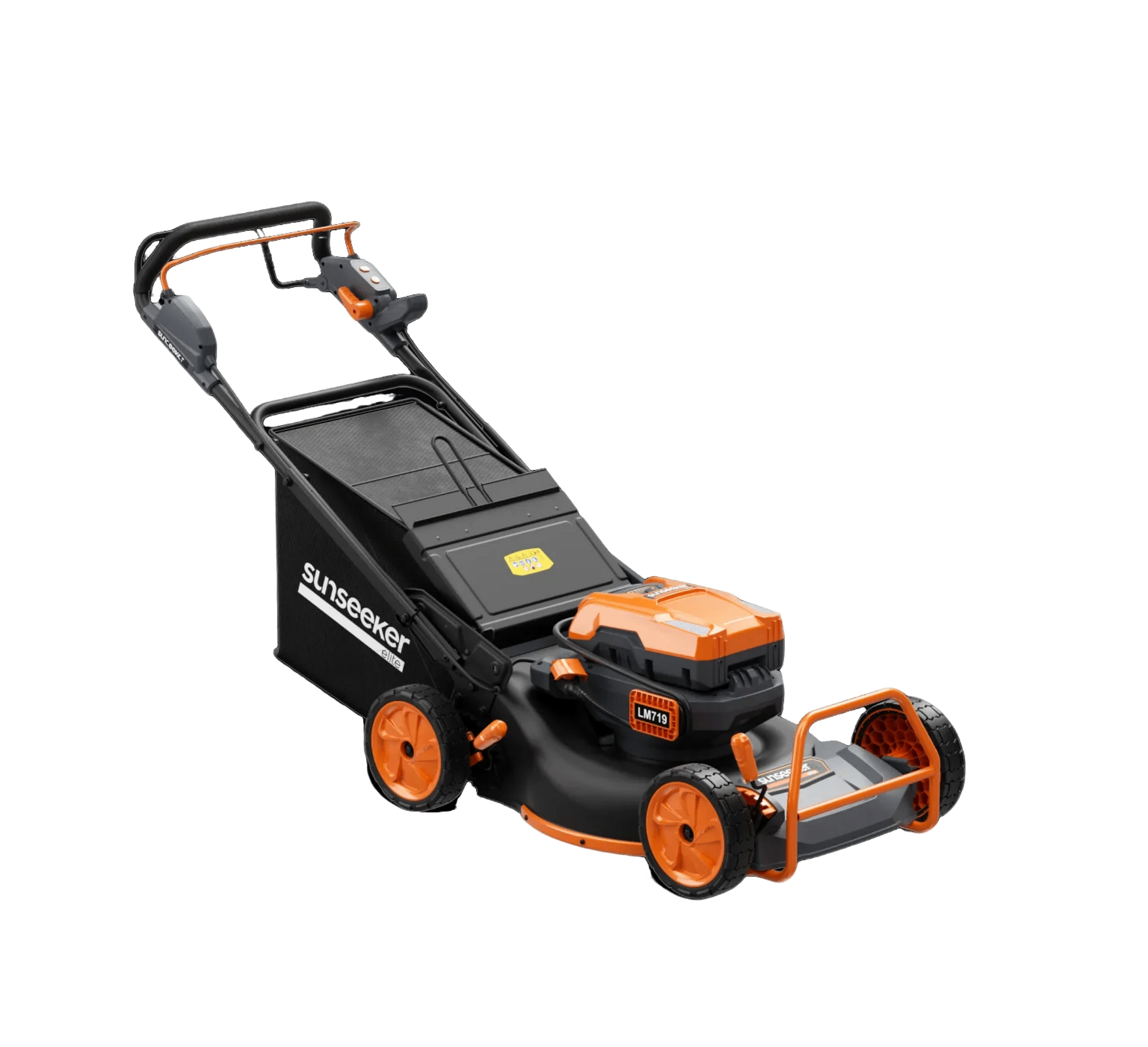
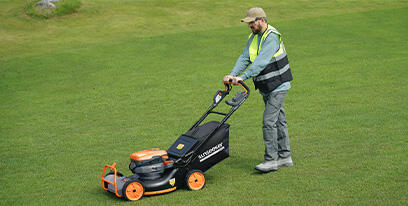
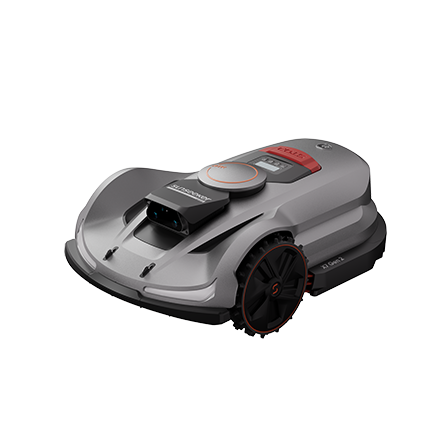
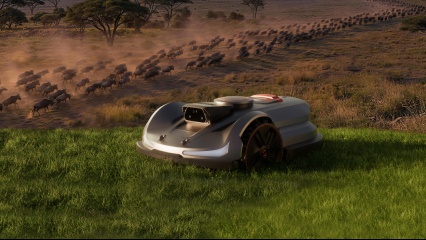
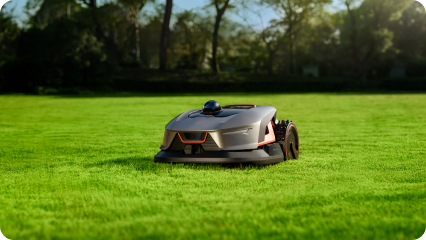
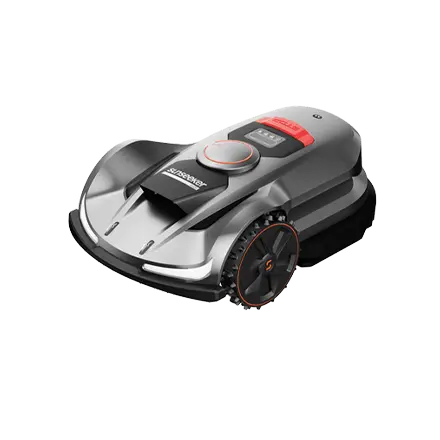
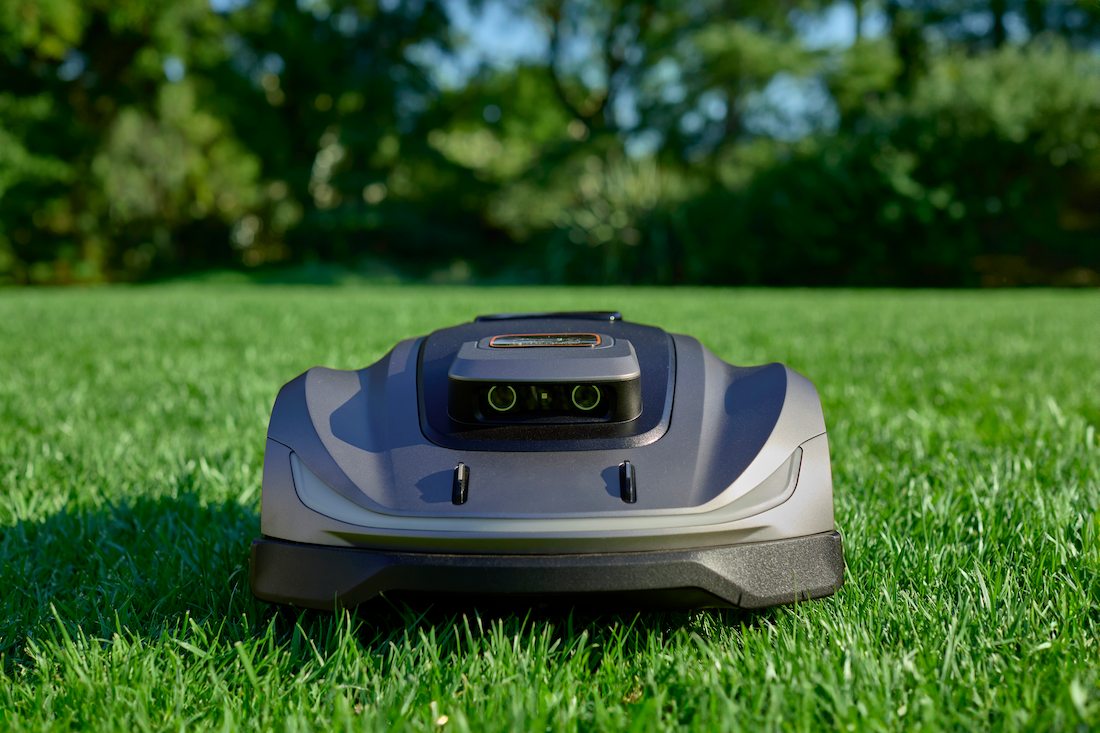
Mowing practices directly affect how dense and resilient a lawn becomes. Cutting too short weakens the grass and exposes soil, while irregular mowing can stress growth patterns and reduce root strength over time. Keeping a steady cutting height and avoiding excessive removal of leaf tissue helps grass stay thicker and more stable. Over time, consistent mowing habits encourage denser turf that can better resist weeds, drought stress, and wear. A robot lawn mower like the Sunseeker Elite X5 can help support this consistency by maintaining an even cutting height and regular mowing pattern, reducing sudden stress from infrequent or uneven manual mowing.
Since lawn lifespan depends on cumulative stress, the best way to extend it is through steady maintenance. The goal is deeper roots, denser turf, and fewer recurring weak spots.
Avoid cutting the lawn too short. Scalping weakens roots, exposes soil, and creates space for weeds to establish. A simple rule is to remove no more than one-third of the grass blade in a single cut, which usually means mowing more regularly so each pass is light and even.
Sharp blades also matter because clean cuts help grass recover faster and stay healthier. A robot lawn mower can support this by maintaining a steady cutting pattern and height over time, reducing the stress that comes from irregular or overly aggressive mowing cycles.
Deep watering encourages roots to grow downward. Shallow daily watering keeps roots near the surface and makes turf less resilient in heat or dry spells. Most established lawns do better with fewer, deeper watering sessions adjusted for rainfall, soil type, and local restrictions.
Watch the lawn, not just the calendar. Lingering footprints, dull color, or folded blades can signal drought stress. Mushy soil, mushrooms, or recurring disease often suggest excess moisture.
Fertilizer helps when it matches what the lawn actually needs. Too little can leave turf weak, while too much can produce soft growth that is more disease-prone and harder to manage. A soil test is the most reliable way to avoid guessing.
Aeration is especially helpful in compacted or high-traffic lawns because it opens channels for air, water, and root growth. When needed, pairing aeration with overseeding can improve recovery in thin areas.
Small thin patches are easier to fix than large bare ones. Overseeding adds new grass before weeds take over exposed soil. For better results, loosen the surface, improve seed-to-soil contact, water consistently during germination, and limit traffic until seedlings are established.
Even a well-maintained lawn has a lifespan, and at some point routine care may no longer be enough to restore healthy growth. The key difference is whether problems improve after normal maintenance or continue to return despite consistent care.
A lawn is likely approaching the end of its useful life when issues persist across multiple seasons even after proper mowing, watering, fertilizing, and overseeding.
Key warning signs include:
When these issues become widespread and persistent, patching and routine fixes often stop being effective, and more significant renovation may be needed.
How many years does a lawn last depends less on age alone and more on grass type, soil conditions, climate, and how consistently the lawn is maintained. In many cases, a healthy lawn can last 15 to 30 years or longer, while neglected turf may decline much sooner.
If your lawn is thinning, struggling to recover, or showing repeated issues like weeds, compaction, or drainage problems, the best next step depends on the cause. Minor damage may only need repair, broader decline may call for renovation, and a lawn with deeper site problems may be better replaced after those underlying issues are corrected.
A lawn does not need replacement on a fixed schedule. With suitable grass, healthy soil, and consistent mowing, watering, fertilizing, and overseeding, it can last 15 to 30 years or longer. Neglected lawns or lawns in poor soil may decline within 5 to 10 years. Replacement is usually considered when weeds, bare soil, drainage problems, compaction, or poor grass choice make routine repair ineffective.
Grass usually dies fastest from a combination of heat stress, drought, and poor soil conditions. Lack of water in hot weather can dry out roots within days, while overwatering in poorly drained soil can suffocate them. Chemical burns from overfertilizing or herbicide misuse can also cause rapid damage and leave permanent bare patches if the root system is destroyed.
Grass does not die of old age in the way animals do. Instead, lawns decline over time due to environmental stress, soil compaction, thinning turf, disease pressure, and poor maintenance. Individual grass plants are relatively short-lived, but healthy lawns persist because new shoots constantly replace older growth when conditions like soil, water, and mowing remain balanced.