






FAQs
6/30/2026
Contents
Products
Residential Lawns




Explore
Where to Buy


Small ant nests can often be managed with watering, mowing, soil repair, and targeted natural treatments. Large colonies may need ant bait or a lawn-safe insecticide. The goal is to kill visible ants and reduce the dry, loose, stressed lawn conditions that help them return.
You walk across the grass, notice sandy mounds near the path, then see ants moving in and out of the soil. It may look harmless, but the problem can spread when the lawn is dry, thin, or full of bare patches. Many homeowners ask how to get rid of ants in lawn because they want a clear answer that will not ruin healthy grass. The good news is that most lawn ant problems can be handled with a calm plan. Below, we will look at why ants appear, when they become a problem, how to remove them safely, and how to keep them away.
Ants usually move into a lawn because the site gives them shelter, warmth, and food. A few ants in the yard are normal, but repeated nests in the same places often point to lawn conditions that need attention.
Ants like dry, open, sandy, or compacted soil. They also settle where grass is thin because bare soil warms faster and is easier to tunnel through. Patchy growth near paving, walls, tree roots, or sunny slopes can become comfortable nesting sites.
Food sources can also bring ants into the grass. They may feed on small insects, plant residues, spilled drinks, dropped fruit, or honeydew produced by aphids. Once a colony finds a good site, it can push soil upward and create small mounds.
Common reasons ants choose a lawn include:
When people search how do you get rid of ants in the lawn, the best first move is to look at the whole lawn, not just the mound. Treating the mound helps, but fixing weak grass helps stop the next colony.
Not every ant nest is an emergency. Ants can aerate soil and feed on small pests, but they become a problem when nests disturb the surface, weaken roots, or affect yard use.
The main issue is the soil they bring up. Ant mounds can bury grass blades, dry out root zones, and create uneven spots that scalp easily during mowing. In a family yard, ants can also be annoying around play areas, picnic spaces, and pets.
You should take action when you notice several signs at once:
For many lawns, the answer to how to get rid of ants in lawn is a mix of control and repair. You do not need to remove every ant. You need to reduce colonies that damage turf or make the yard uncomfortable.
A good treatment plan starts gently, then becomes more targeted if the colony stays active. This approach protects the grass and avoids strong products before they are needed.
Look for dry soil mounds, small holes, and steady ant traffic. Mark the active spots so you can check them later. One small mound may only need soil repair and water. Several nests across the lawn may need wider treatment.
Use a stiff broom or the back of a rake to spread the mound soil across the grass before mowing. This keeps the mower from hitting loose dirt and helps protect the blades. After that, keep the grass about 2.5 to 3.5 inches high and avoid cutting it too short, as stressed grass is slower to recover around ant mounds.
Ants prefer dry soil, so deep watering can make the area less inviting. Give the affected zone about 1 inch of water in one session, then let the surface dry before watering again. Light daily sprinkling is less useful because it misses the deeper root zone.
Rake out dead material, aerate compacted soil, and overseed bare patches during the right season. A thicker lawn leaves less exposed soil for ants. Add a light layer of compost only where needed, keeping grass blades visible above the surface.
If ants are still moving after several days, use bait or a lawn-safe ant product. Place bait close to active trails, not randomly across the yard. Read the label carefully and keep children and pets away until the area is safe again.
The safest option depends on colony size, grass condition, and how close the nest is to children, pets, vegetables, or drains. Always choose products labelled for lawns.
Ant baits are often a good choice because worker ants carry the bait back to the colony. This can reduce the nest with less product on the grass. Baits work best in dry weather and should not be watered in unless the label says so.
Some people also want to know how to get rid of ants in lawn naturally. Natural options can help with small nests, but they are less reliable for large colonies. Try spreading mound soil, improving irrigation, using beneficial nematodes where suitable, or applying food-grade diatomaceous earth to dry, calm areas. Do not breathe the dust or use it before rain.
Avoid harsh home remedies that can burn grass. Boiling water may kill ants, but it can also kill turf roots. Vinegar, bleach, gasoline, and strong soap mixes can damage grass and nearby plants. If the goal is how to get rid of ants in my lawn naturally, lawn care habits should come first.
Long-term prevention is mostly about making the lawn less attractive to ants. Dense grass with balanced moisture gives ants fewer easy nesting places.
Focus on these prevention habits:
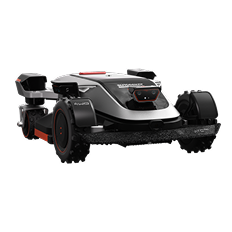
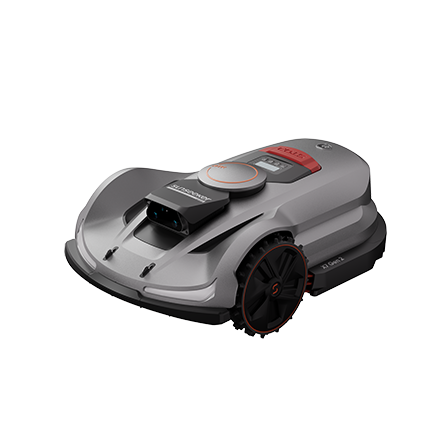
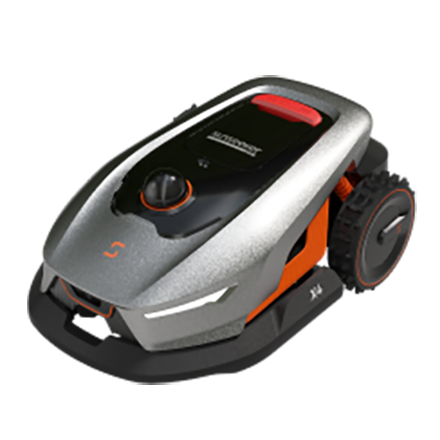
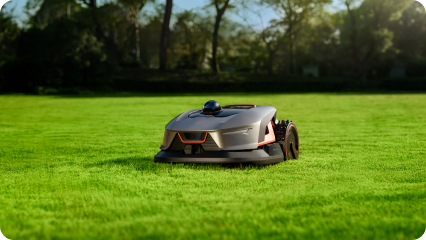
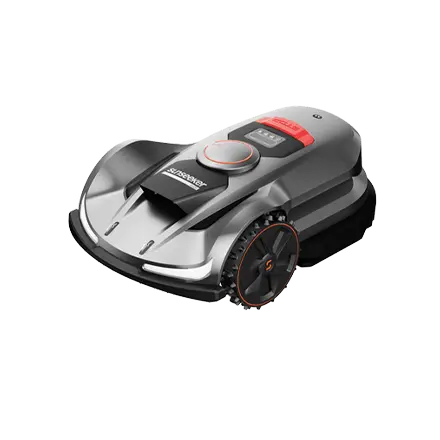
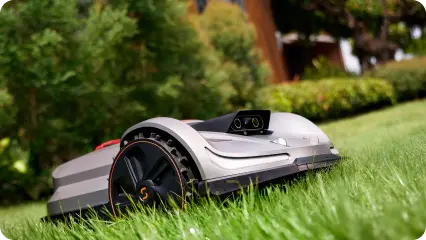
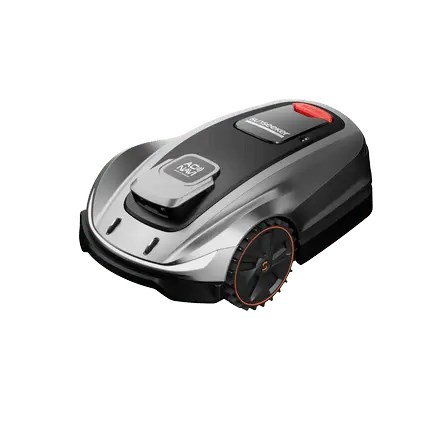
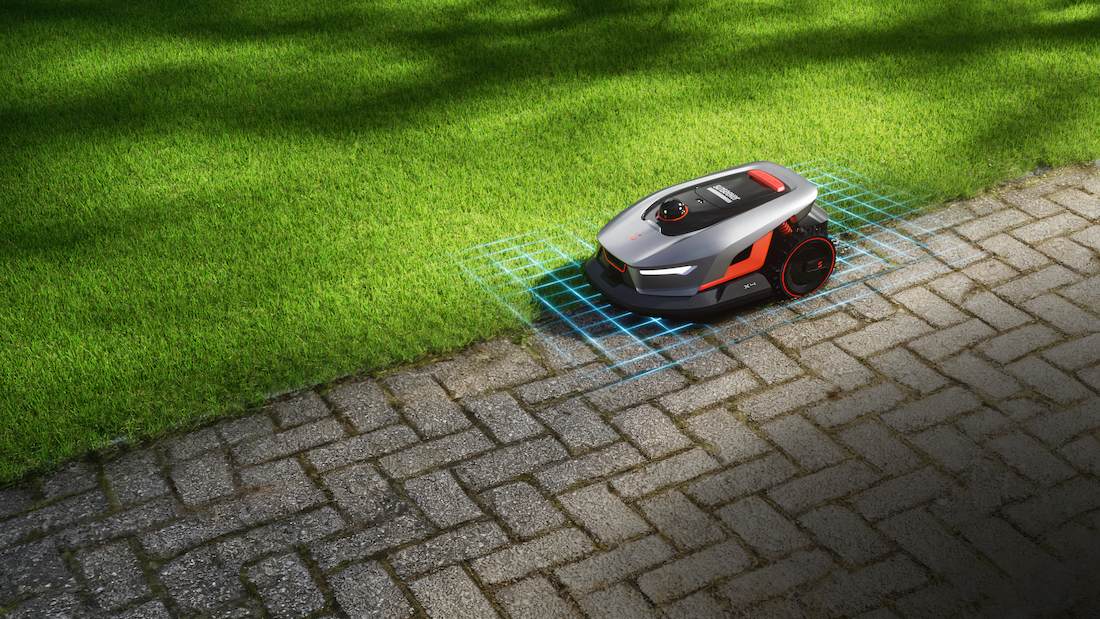
Regular mowing helps you spot new mounds early. For homeowners who want a steadier mowing routine with less manual work, Sunseeker Elite X4 can support lawn care with wire-free setup, app control, intelligent path planning, and 360° 3D LiDAR plus Vision AI obstacle avoidance. A consistent cut helps keep grass tidy, while virtual boundaries, multi-zone management, floating cutting, and slope handling up to 45% / 24° are useful for awkward edges, uneven ground, or complex areas.
Most small lawn ant problems can be handled at home. A professional becomes useful when ants spread widely, return after treatments, or appear close to the house foundation.
Call a lawn or pest professional if you notice many active nests, grass dying in several patches, or ants entering the home. Get help if you are unsure about the ant species. Fire ants, carpenter ants, and some invasive ants need more careful handling than common lawn ants.
Professional help is also wise when the lawn has bigger soil problems. If the grass stays thin after watering and feeding, the cause may be compaction, poor drainage, low nutrients, or a pH problem. A soil test can show what the lawn needs first.
Learning how do I get rid of ants in the lawn is about treating the colony and the lawn conditions that invited it. Brush away mounds, water deeply, repair thin grass, and use bait or lawn-safe products only when needed. Over time, steady mowing, better soil care, and smart maintenance reduce bare patches and make grass less welcoming to ants. Sunseeker robot lawn mowers can fit into that routine by helping keep the lawn neat with less daily effort.
A sudden ant problem usually appears after dry weather, soil disturbance, or a new food source. Thin grass, sandy soil, dropped fruit, aphids, and outdoor food scraps can all attract ants. Check the lawn surface, nearby plants, and patio edges to find what changed.
The fastest safe method is to spread mound soil, identify active trails, then place lawn-safe ant bait near the activity. Bait can reach the colony better than surface sprays. For severe infestations, use a labelled lawn insecticide or ask a pest professional for help.
Permanent removal is not realistic because new ants can move in later. The better goal is long-term control. Keep grass thick, water deeply, repair bare spots, remove food sources, and treat active nests early. A healthy lawn gives ants fewer dry, open places to build colonies.