











FAQs
7/2/2026
Contents
Products
Residential Lawns










Explore
Where to Buy


To flatten your lawn, start by identifying the specific issues, such as bumps or low spots, and address the underlying causes before adding or removing soil. For minor unevenness, mow short and apply a thin leveling mix, while deeper dips require lifting the sod and adding soil underneath. Avoid using a roller as a universal solution, as it can worsen drainage problems. Consistent maintenance and proper watering will help keep your lawn smooth after leveling.
You notice it when the mower starts to bounce, rainwater collects in the same shallow dips, or a chair wobbles on what should be a flat surface. An uneven lawn is more than a cosmetic issue: it can scalp the grass, trap excess water, and make every mowing session harder than it should be.
The right solution depends on what is causing the unevenness—whether it is small low spots, raised bumps, buried roots, drainage issues, or soil that has settled over time. In this article, you will learn how to identify the problem areas, choose the right leveling method, and restore a smoother, healthier lawn surface step by step.
Lawns become uneven because soil settles, compacts, erodes, or gets disturbed from below. The bump or dip you see is usually only the symptom, so diagnosing the cause helps you avoid repeating the same repair every season.
One common cause is soil settling. This often happens after construction, trenching, irrigation work, tree removal, or buried organic material breaking down underground. A low spot may appear slowly as the soil collapses into the space below. If the depression keeps returning after you fill it, the soil underneath may still be shifting.
Water is another major factor. Runoff can carry soil away from slopes, downspouts, bare patches, and high-traffic routes. Standing water can soften soil, thin the grass, and create muddy depressions that compact when walked on or mowed. If one area stays wet long after the rest of the lawn dries, leveling alone will not solve it.
Other causes include surface roots, burrowing pests, repeated foot traffic, and freeze-thaw cycles. These create different kinds of unevenness, which is why a quick visual check before you start saves time and rework later.
Before leveling a lawn, it helps to prepare tools for cutting, marking, mixing soil, and smoothing the surface. Having everything ready makes it easier to move through inspection, soil preparation, and final grading without stopping midway.
Tools
Materials
With these tools and materials ready, the leveling process becomes more controlled, allowing you to correct uneven areas step by step without damaging the surrounding turf.
Uneven lawns can cause drainage issues and reduce curb appeal, but leveling bumps and low spots is achievable with proper soil grading and simple repair techniques. Follow the steps below.
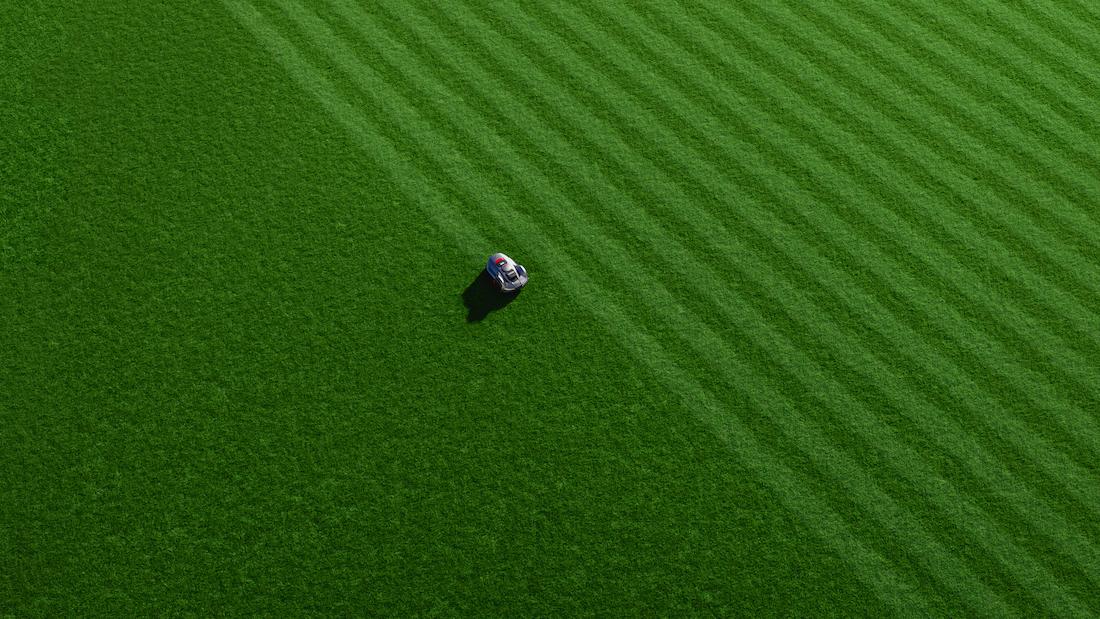
Mow the lawn a little shorter than usual, but do not scalp it. Shorter grass makes bumps and low spots easier to see and helps the leveling mix settle between blades. A robot lawn mower can help maintain a more even cut before inspection, making surface irregularities easier to spot without creating extra stress from uneven manual mowing. Walk the lawn slowly and mark problem areas with flags, paint, or small stakes. Note which spots are soft, wet, bare, raised, or sunken.
Use screened material so you are not adding stones, clods, or sticks. A practical lawn leveling mix is usually fine topsoil blended with compost for structure and nutrients. Sand can improve leveling in some situations, but adding pure sand over heavy clay can create a dense, poorly draining layer. Keep the mix dry enough to spread easily.
For deeper dips, cut and lift the sod, add soil underneath, then reset the turf so the surface sits flush with the surrounding lawn. If the area is badly thinned or torn during the repair, plan to reseed or patch it once the grade is right.
Rake the mix until it feathers smoothly into the surrounding grade. Lightly tamp or press the area so the soil makes contact without becoming compacted. Water gently to settle the material. After watering, check whether the soil dropped below the surrounding surface and add a small amount more if needed.
Any area with exposed soil or damaged turf should be reseeded or patched promptly. Good seed-to-soil contact and steady moisture matter more here than a thick layer of material. If you reset intact sod, focus on keeping it evenly moist until the roots re-establish.
Most leveling jobs are better done in small corrections than in one heavy application. Let the lawn settle, regrow, and show you whether the area is truly even before adding more material. If a spot sinks again quickly, revisit the cause instead of continuing to pile on soil.
Use a lawn roller only for specific situations, such as settling newly laid sod or lightly firming frost-heaved soil when conditions are right. Do not use it as the main fix for low spots, drainage problems, or ruts. Rolling wet soil can compact it, weaken roots, and make the lawn harder to level later.

Once the lawn is flatter, maintenance determines whether it stays that way.
Keep the grass dense. Thick turf reduces erosion and helps cushion pressure from walking or mowing. Mow at the correct height for your grass type, avoid cutting too much at once, and keep blades sharp for a clean cut. A robot lawn mower like the Sunseeker Elite X7 Gen 2 can help maintain a more even cutting height over time, which reduces uneven stress that may slowly lead to surface irregularities.
Water deeply rather than constantly. Frequent shallow watering encourages shallow roots and can leave the surface soft. Deep, less frequent watering usually supports stronger roots, though the exact schedule depends on grass type, weather, and soil. If the same area remains soggy, stop refilling it and look again at drainage.
Reduce traffic when the lawn is wet. Mower wheels, pets, and footpaths can press soft soil into ruts quickly. If one route across the yard gets used every day, a simple path or stepping stones may protect the lawn better than repeated repairs.
Aeration can help if the lawn is compacted. Core aeration removes small plugs of soil, allowing air, water, and roots to move more freely. This is especially useful on heavy-use lawns or clay soils, but it should be timed for the active growing season of your grass. After aeration, a light topdressing can improve surface smoothness gradually.
Finally, watch recent repairs. Newly leveled spots may sink slightly after rain and regular use. Touch them up with a thin layer of mix instead of waiting until they become major dips again. Also maintain gutters, downspouts, and slope transitions so water does not keep moving soil into or out of the same areas.
If you are asking how do I flatten my lawn, the best approach is to identify whether you are dealing with minor unevenness, deeper low spots, raised bumps, or an underlying issue like drainage or settling. Small corrections with a thin leveling mix usually work better than heavy fixes, while deeper depressions often need the sod lifted and soil added underneath before the turf is reset.
If you want the lawn to stay smooth, focus on the cause first, use a roller only in limited situations, and follow up with steady maintenance. Proper mowing, deep watering, reduced traffic on wet ground, and occasional touch-ups can help keep the surface even over time.
Yes, if the unevenness is minor, you can keep the grass in place. Mow short, spread a thin leveling mix over shallow low areas, rake it into the turf so grass blades are not buried, then water it in. For deeper depressions, it is better to lift the sod, add soil underneath, reset the turf, and keep it moist while it re-establishes.
Lawn leveling usually takes about 1–3 weeks to settle, depending on soil type, weather, and how much material was added. Light topdressing may stabilize within a few days, while deeper fills need more time and light watering cycles to fully compact. Rain and irrigation naturally help the soil settle, but low spots may still need small touch-ups after the first few mowing cycles.
Leveling can help if standing water is caused by a shallow low spot, but it will not solve every drainage problem. If runoff, compacted soil, downspouts, or a soggy area are the real cause, fix those issues before adding more soil. Otherwise, the same spot may stay wet, settle again, or turn into a muddy depression after mowing or foot traffic.