











FAQs
7/9/2026
Contents
Products
Residential Lawns





Explore
Where to Buy


A push mower that fails to start or delivers an uneven cut is often caused by common issues like old fuel, dirty filters, worn blades, or loose components. Many of these problems can be solved with simple troubleshooting steps instead of costly repairs. Routine cleaning, proper maintenance, and seasonal checks can help prevent failures, improve cutting performance, and extend the mower’s lifespan.
Like any mechanical tool, a push lawn mower experiences wear and tear over time. Learning how to fix a push mower at home can save time and reduce unnecessary service costs. It is where this guide comes in handy. We will show you solutions to the 6 most common push mower problems. You’ll also find simple maintenance habits that help keep a mower running smoothly through the mowing season.
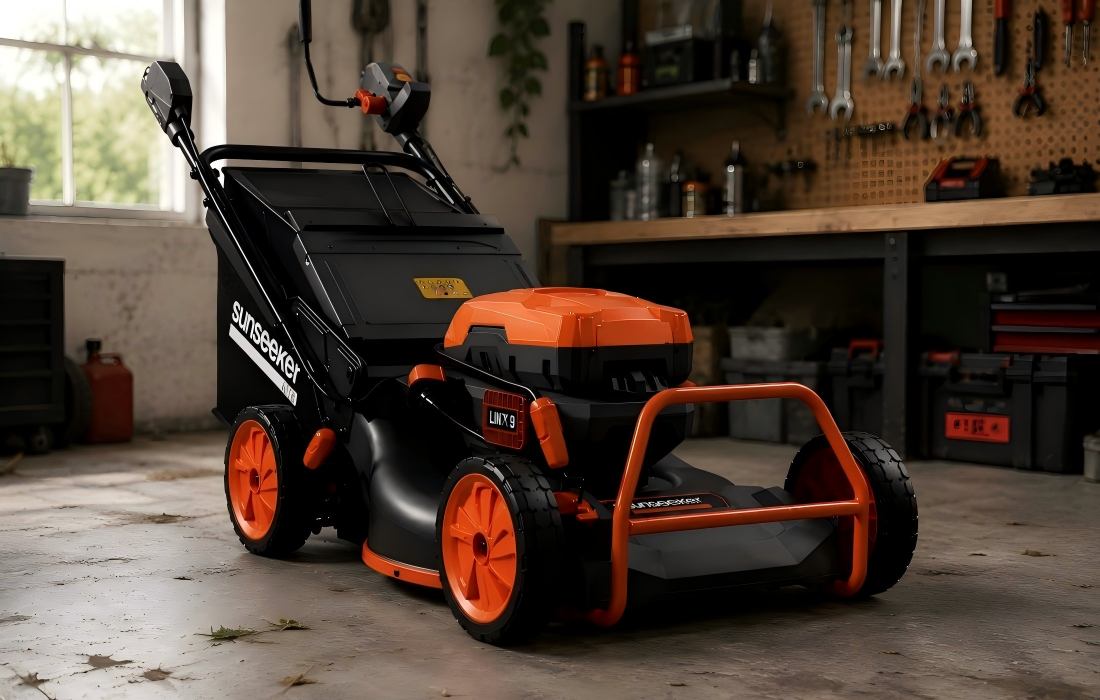
Most push mower problems come from wear, poor maintenance, or blocked components. Some issues appear gradually, while others happen suddenly during operation. Below are 6 common problems that many users will encounter when troubleshooting a push mower.
The starting failure is one of the most common push mower repair situations. Causes may include old fuel, a dirty spark plug, a disconnected ignition wire, or a clogged air filter.
If the engine shuts off after a few seconds, fuel flow problems are often responsible. Dirt in the carburetor or a blocked fuel line can interrupt combustion.
White, black, or blue smoke often points to oil problems. Too much oil, oil leaks, or engine overheating may cause visible smoke during operation.
Strong vibration can make the mower difficult to control and even damage internal components. Loose hardware, damaged blades, or debris trapped under the deck are common reasons.
Grass may look patchy or uneven after mowing. This usually happens when the blade becomes dull, bent, or incorrectly installed.
A mower that struggles in dense grass may have airflow restrictions, blade resistance, or engine performance issues caused by poor maintenance.
Once you diagnose the problem, you can apply targeted solutions. Here is a detailed breakdown of how to resolve the 6 issues outlined above.
The fuel, spark plug, and air filter are the main causes for a non-working engine. Follow the instructions below to fix it.
Dirt inside the carburetor can block fuel flow and interrupt engine operation. If the mower starts but stops quickly, inspect the fuel delivery system.
Strong vibration usually indicates loose or damaged moving parts.
Uneven cutting often comes from blade wear and imbalanced wheels. After turning the mower off completely and disconnecting the spark plug wire, you can:
When a mower loses power in tall grass, you can first try small sections or a higher cutting height. Then, check the airflow and blade resistance.
Regular maintenance reduces the chances of sudden breakdowns and helps extend the mower’s lifespan. Even the best push mower benefits from preventive maintenance, and most of these tasks take only a few minutes after each mowing session.
1. Seasonal Oil Changes: Change the engine oil every 50 hours of use or once per season. Fresh oil reduces internal friction, prevents overheating, and removes microscopic metallic debris from the crankcase.
2. End-of-Season Fuel Management: Never store a mower over winter with fuel inside the system. Run the engine until the tank is completely dry, or add a quality fuel stabilizer to prevent varnish formation inside the carburetor’s internal passages.
3. Regular Component Inspection: Repairing or replacing worn parts early often prevents larger engine problems later. Spark plugs and air filters should be inspected throughout the mowing season.
4. Blade Maintenance: Sharp blades place less stress on the engine and produce cleaner cuts that support healthier lawn growth. Sharpen and level your mower’s blades regularly.
5. Proper Storage: Storage affects long-term reliability. Dry, well-vented places with a protective cover are always recommended. Before winter storage, empty old fuel or use a fuel stabilizer to reduce fuel system buildup.
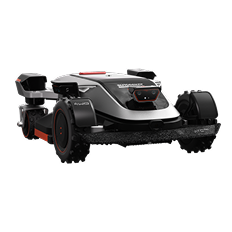
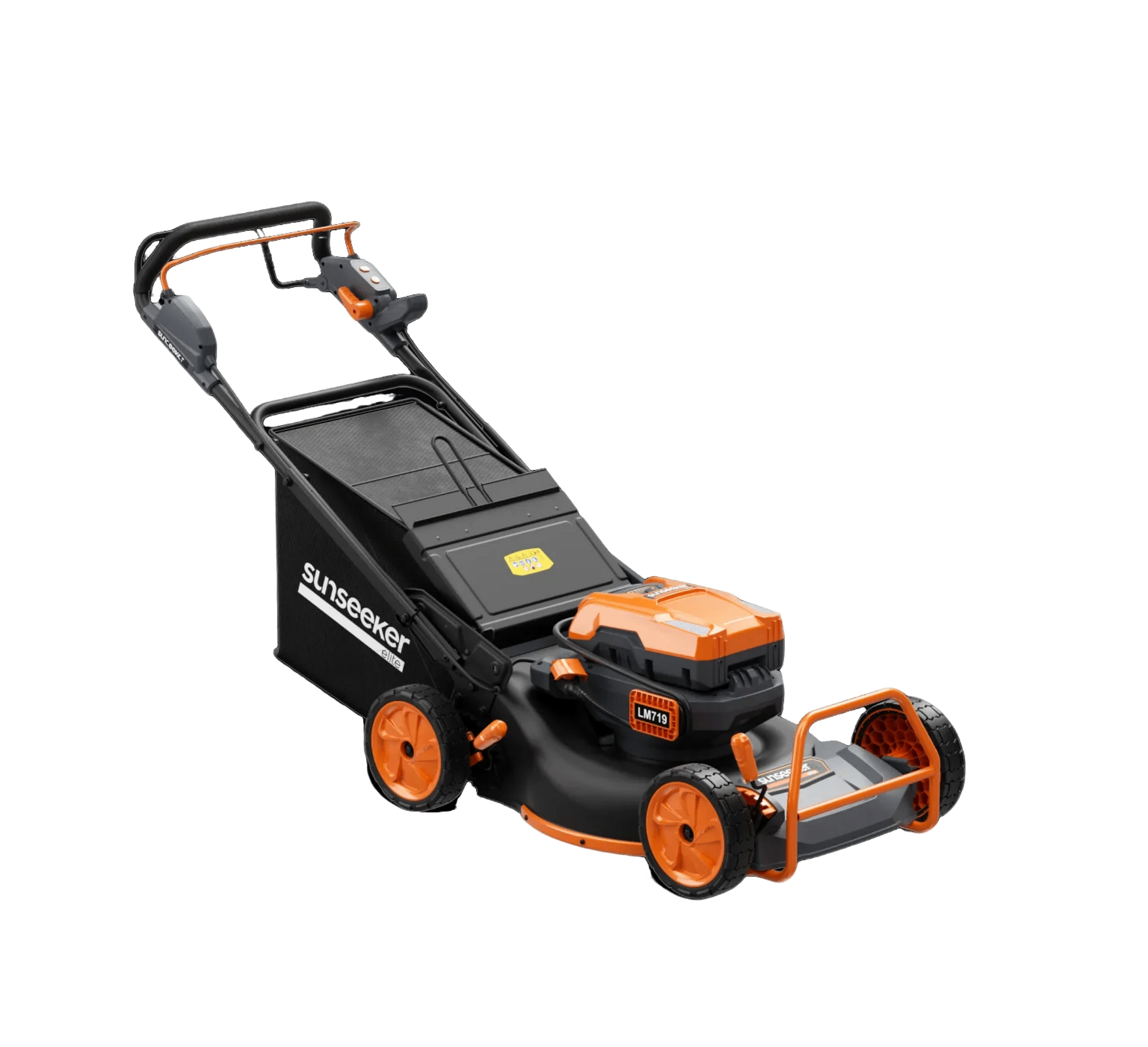
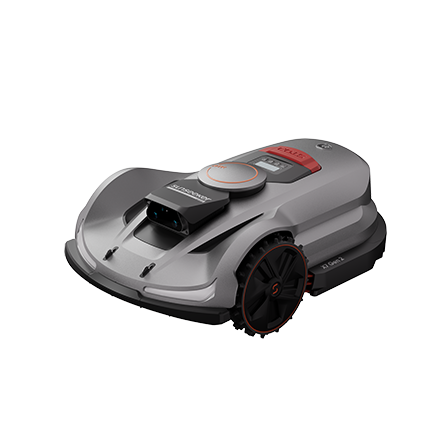
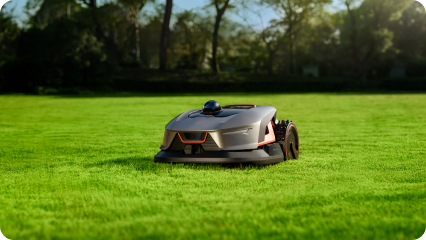
6. Try a Premium Model: Modern equipment designs are shifting toward modular, user-friendly connections to minimize common wear points. For instance, the Sunseeker lawn mower, which applies plug-in connection systems, is a good example. This reduces failures caused by aging wiring or carbon buildup in traditional fuel systems. You can also enjoy simplified operation and low-maintenance convenience.

From dirty air filters to dull blades, most push mower repairs require basic troubleshooting knowledge. This blog explores how to fix push mower issues. Applying them makes your troubleshooting steps easier to handle with fewer service visits. You can also try a modern design like the Sunseeker Elite lawn mower for reduced maintenance tasks. Its modular plug-in design ensures fewer wear points!
In many cases, yes. Minor repairs, such as replacing spark plugs, air filters, or blades, usually cost less than buying a new mower. However, if the engine block cracks or the crankshaft bends, buying a new mower is often more economical than paying for costly replacement parts.
Starting failure is one of the most common lawn mower problems. Old fuel, dirty spark plugs, clogged air filters, and carburetor buildup are frequent causes. These issues often develop gradually when the mower sits unused for long periods between mowing seasons.
Repair costs depend on the problem and the mower type. Home DIY repairs typically cost between $5 and $30 for basic components like filters, spark plugs, or fresh oil. If you take the machine to a professional repair shop, expect to pay between $50 and $100 per hour for labor, plus the costs of parts.
A standard gas-powered push lawn mower lasts between 8 and 10 years with proper care. Consistent maintenance, including seasonal oil changes, blade sharpening, and proper winter storage, can extend that lifespan to 15 years or more. Neglected machines often fail within 3 to 5 years.