













Achieving a golf-course finish requires the precision of an electric reel mower. While standard rotary blades often tear at the grass, these machines use a shearing mechanism to clip each blade cleanly. This approach not only creates a uniform, manicured look but also promotes better turf health and faster recovery.
This guide explores the specific benefits and drawbacks of modern battery-powered systems. By weighing these pros and cons, you can determine if an electric upgrade is the right choice for maintaining a pristine, professional-grade landscape.

What Is an Electric Reel Mower?
An electric reel mower is a specialized lawn care tool that uses a cylindrical blade system to cut grass with a scissor-like action. Unlike the common rotary mower, which uses a high-speed horizontal blade to "whack" the tops of the grass, a reel mower electric system traps the grass between a spinning reel and a stationary bedknife. This results in a much cleaner, more precise cut that minimizes stress on the plant, reducing the risk of disease and browning.
Historically, reel mowers were entirely manual, requiring significant physical force to spin the blades. Modern advancements have introduced the electric reel lawn mower, which uses a lithium-ion battery to power both the cutting reel and, in many cases, the drive wheels. This allows homeowners to achieve a professional, stadium-quality finish on their turf without the exhaustion associated with traditional hand-pushed models. These machines are particularly popular for low-growth grass varieties like Bermuda, Zoysia, and Bentgrass.
Who Is an Electric Reel Mower Best For?
A battery powered reel mower is not a universal solution for every yard; it is a precision tool for a specific type of user. This equipment is generally best for:
- Lawn Perfectionists: If your goal is for your front yard to mimic a professional putting green or a stadium field, the clean cut of a reel mechanism is essential.
- Frequent Mowers: Because these mowers perform best at lower heights, they are ideal for those committed to a strict schedule, often mowing twice a week during the peak growing season to keep grass within the 1.5 to 2.5 inch (38 to 63 mm) range.
- Flat Terrain Owners: A reel lawn mower electric performs most consistently on relatively level ground. Bumpy or uneven lawns can cause the reel to "scalp" high spots.
- Environmentally Conscious Neighbors: The electric motor operates at a fraction of the decibel level of gas engines, making it perfect for urban or suburban areas with strict noise ordinances or early-morning mowing habits.
- Low-Maintenance Physicality: If you enjoy the grooming process but want to remove the "sweat equity" of a manual push mower, the battery-assisted propulsion handles the heavy lifting for you.
Electric Reel Mower vs Manual Reel Mower vs Rotary Mower
Choosing the best reel mower for your lawn depends on the cut quality, effort level, grass height, and maintenance demands compared below.
Feature | Electric Reel Mower | Manual Reel Mower | Rotary Mower |
Cutting Action | Scissor-like shear | Scissor-like shear | High-speed impact (tearing) |
Power Source | Battery/Electric Motor | Human Power | Gas or Electric |
Effort Level | Low (Self-propelled) | High | Moderate |
Cut Quality | Excellent (Professional) | Excellent | Average |
Max Grass Height | Low to Mid | Very Low | High |
Noise Level | Very Quiet | Silent | Loud |
Maintenance | Blade sharpening/
Backlapping | Blade sharpening | Blade grinding/
Engine care |
Advantages and Disadvantages of an Electric Reel Mower
Choosing a battery reel mower involves balancing the desire for a perfect cut with the practicalities of lawn maintenance. That maintenance difference matters because regular reel mower sharpening is part of keeping the scissor-like cut clean as the reel and bedknife wear.
Advantages:
1. Superior Turf Health: The clean cut prevents the "shredded" tip look common with rotary mowers, which leads to a greener, healthier lawn.
2. Quiet Operation: You can maintain your lawn at any hour without disturbing the peace.
3. Eco-Friendly: Zero emissions at the point of use and no need to store volatile gasoline or oil in your garage.
4. Ease of Use: The electric motor does the hard work of spinning the heavy steel reel, making it accessible for users of all fitness levels.
Disadvantages:
1. Sensitivity to Debris: Hard objects like twigs or rocks can nick or stall the blades instantly, requiring frequent yard clearing.
2. Higher Initial Investment: These are specialized machines and often cost more than standard entry-level rotary units.
3. Height Limitations: Most reel mowers cannot handle grass taller than 3 or 4 inches (7.6 or 10.2 cm). If you miss a week of mowing, you may need a rotary mower to "reset" the lawn height.
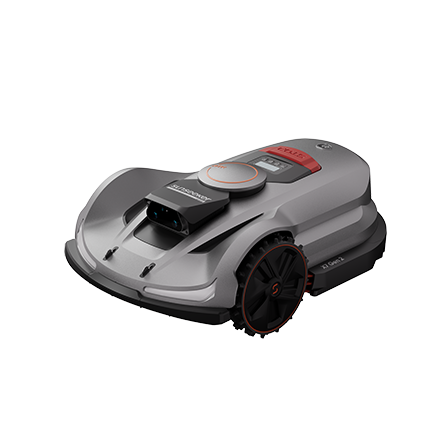
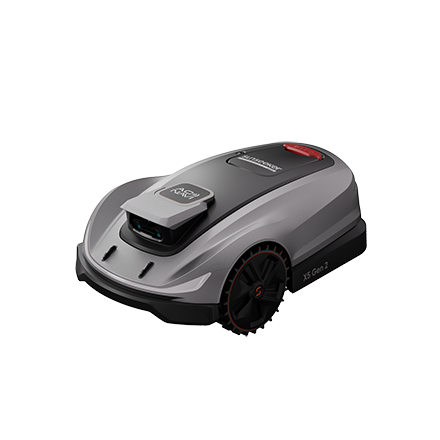
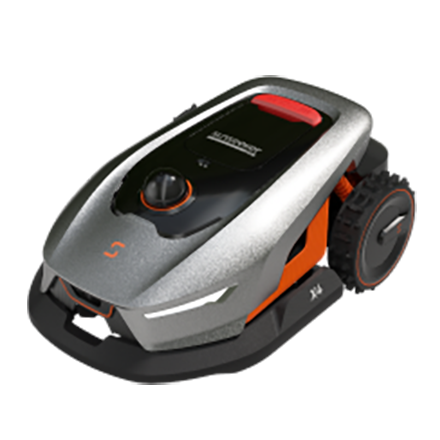
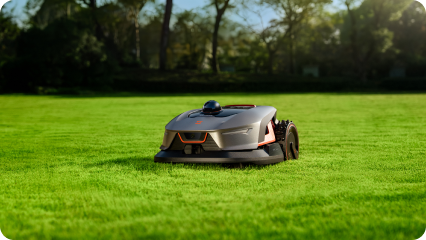
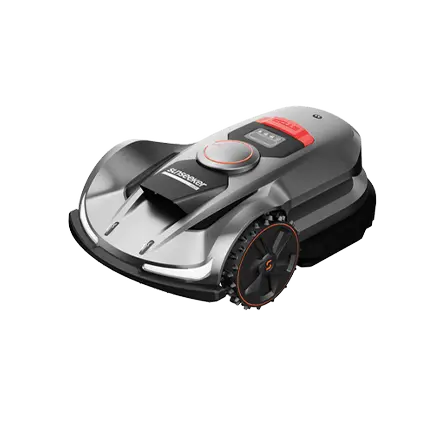
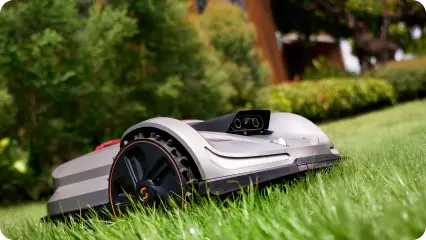
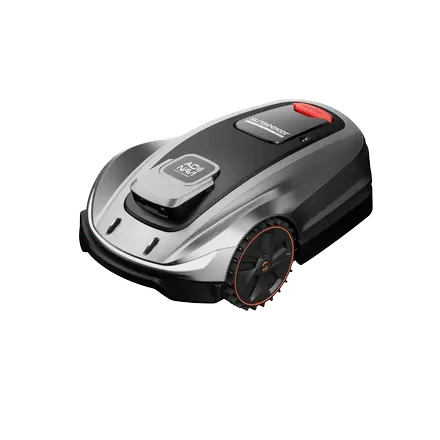
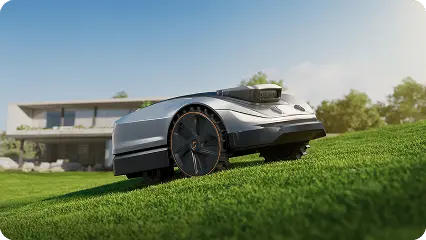
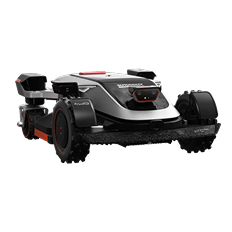
If your lawn often grows too tall between mowing sessions, an electric reel mower may not be the easiest choice to manage. Reel mowers work best when the grass is kept short and cut often, so missing a week can quickly make the next mow harder. In this case, a robotic mower such as the Sunseeker Elite X5 may be worth considering. It is built for regular automated mowing, with app scheduling, intelligent path planning, and multi-zone management to help keep the lawn maintained more consistently. By mowing more often with less manual effort, it can reduce the chance of grass getting too tall in the first place.