







FAQs
1/10/2026
Contents
Products
Residential Lawns





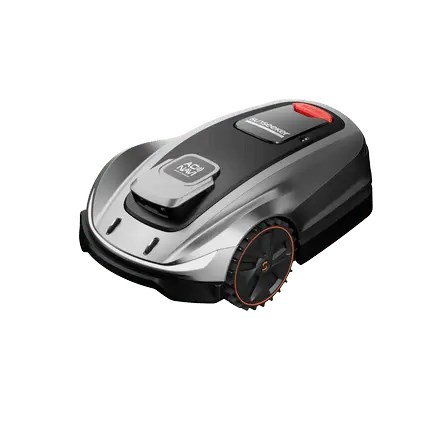

Explore
Where to Buy


A lush, green lawn is often seen as a hallmark of a beautiful home, but achieving that look does not have to come at an environmental cost. Sustainable lawn care offers a smarter way to maintain a healthy yard while conserving water, protecting soil, and supporting local ecosystems. In this guide, you will find practical, eco-friendly strategies that help your lawn thrive naturally, combining visual appeal with responsible, long-term care.
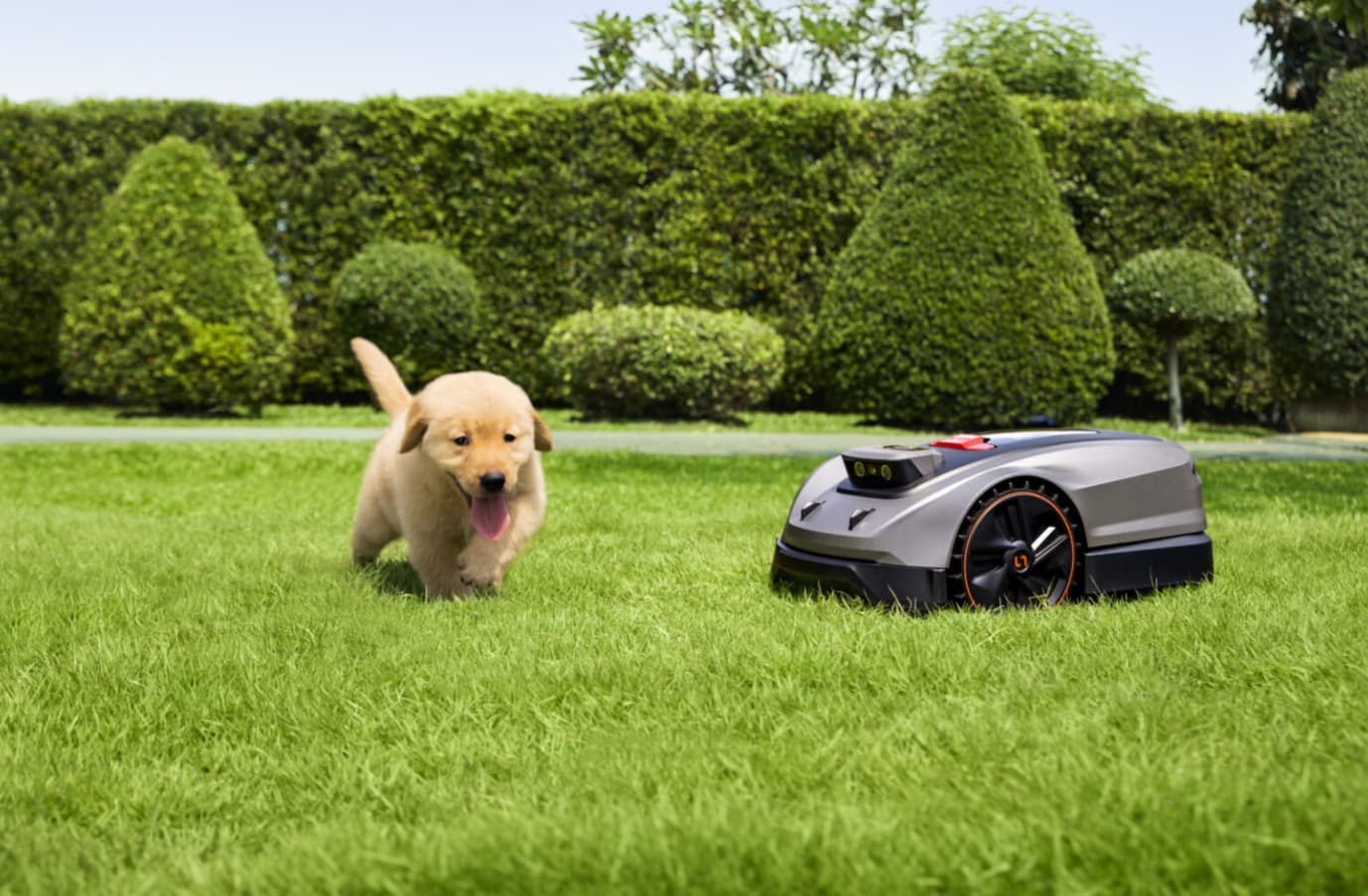
It's easy to think of a lawn as just a patch of grass, but how we care for it has a real impact that extends far beyond our property lines.
Conventional lawn care often relies heavily on synthetic fertilizers, chemical pesticides, and frequent watering. Over time, these inputs can degrade soil structure, contaminate groundwater, and contribute to runoff that pollutes nearby rivers and lakes. Excessive mowing and fuel-powered equipment also increase carbon emissions and noise pollution. While these methods may deliver short-term visual results, they often weaken the lawn’s natural resilience and place unnecessary strain on the environment.
Sustainable lawn care focuses on prevention rather than correction. Healthier soil supports stronger root systems, which helps grass tolerate drought, resist pests, and recover from stress more easily. Reduced chemical use protects beneficial insects, birds, and soil microorganisms. Water-wise practices conserve a vital resource, while low-impact equipment reduces emissions and neighborhood noise. Together, these changes create a lawn that supports biodiversity instead of working against it.
Eco-friendly lawn care often lowers costs over time. Healthier soil requires fewer fertilizers and treatments. Efficient watering reduces utility bills. Slower, more intentional mowing schedules mean less wear on equipment. By strengthening the lawn’s natural defenses, you spend less time and money correcting recurring problems and more time enjoying their outdoor space.
Putting sustainable principles into practice is easier than you might think. Here are actionable steps you can take to transform your lawn care routine.
Water conservation plays a central role in sustainable lawn care. Start by selecting drought-tolerant grass varieties suited to your climate. Water deeply but less frequently to encourage roots to grow downward, which improves drought resistance. Early morning or late evening watering reduces evaporation and helps moisture reach the soil where it is needed most.
Smart irrigation systems and soil moisture sensors further improve efficiency by delivering water only when conditions require it. Rainwater collection systems can supplement irrigation and reduce dependence on municipal water supplies. Together, these strategies significantly reduce waste without sacrificing lawn health.
Healthy soil forms the foundation of a sustainable lawn. Organic lawn fertilizers, and natural soil amendments improve soil structure and nutrient availability while supporting beneficial microorganisms. These inputs release nutrients slowly, reducing the risk of runoff and nutrient loss.
Avoid excessive fertilizer applications, which can cause rapid growth that weakens grass and increases mowing demands. Regular soil testing helps identify nutrient deficiencies and guides more precise, responsible applications. Over time, organic management builds soil that supports consistent, balanced growth.
Mowing habits have a direct impact on lawn health. Maintaining a proper cutting height protects grass blades from stress and supports deeper root growth. Removing too much grass at once weakens the plant and makes it more vulnerable to drought and disease.
Grasscycling, or leaving finely chopped clippings on the lawn, returns nutrients to the soil and improves moisture retention. Rotating mowing directions prevents soil compaction and encourages upright growth, leading to a more uniform and resilient lawn surface.
Sustainable pest management relies on balance rather than elimination. Encouraging beneficial insects helps keep pest populations under control naturally. Hand weeding, proper mowing height, and healthy soil reduce opportunities for weeds to establish.
When intervention is necessary, natural treatments and targeted solutions minimize harm to non-target organisms. Reducing chemical inputs protects soil life and prevents long-term ecological disruption, creating a healthier lawn system overall.
Monoculture lawns provide little ecological value. Introducing native plants, pollinator-friendly zones, and mixed plantings increases biodiversity and strengthens ecosystem stability. Reducing total lawn area in favor of planting beds or natural zones also lowers maintenance demands.
Seasonal planning further supports sustainability. Adjusting care routines throughout the year allows grass to grow according to natural cycles. Spring focuses on recovery and growth, summer emphasizes water efficiency, fall supports root development, and winter allows the lawn to rest.
Lawn equipment plays a significant role in energy use, emissions, and noise levels. Selecting low-impact tools supports both environmental goals and user comfort.
Manual reel mowers operate without fuel or electricity. Their simple design produces clean cuts that are gentle on grass blades. These mowers suit small lawns and homeowners who prefer a quiet, low-intervention approach. While they require more physical effort, they deliver excellent results with minimal environmental impact.
Electric mowers offer a balance between convenience and sustainability. They produce fewer emissions than gas-powered models and operate at much lower noise levels. Corded and battery-powered options work well for small to medium lawns and urban environments. Reduced maintenance requirements further enhance their appeal for eco-conscious homeowners.
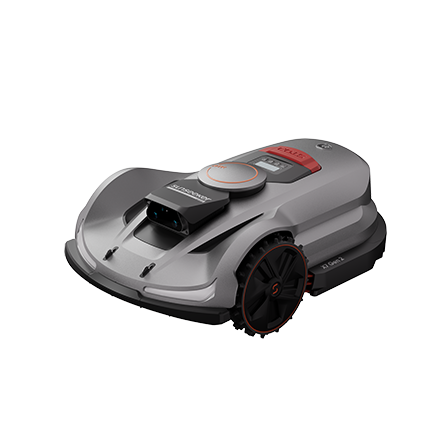
Robotic lawn mowers bring automation and precision to sustainable lawn care, with mulching at the core of their environmental benefit. By cutting grass into fine clippings and returning them directly to the soil, they create a natural nutrient cycle that improves moisture retention and reduces the need for fertilizers. Their quiet electric operation also helps minimize noise pollution, making frequent mowing less disruptive.
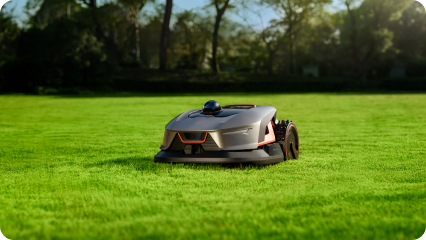
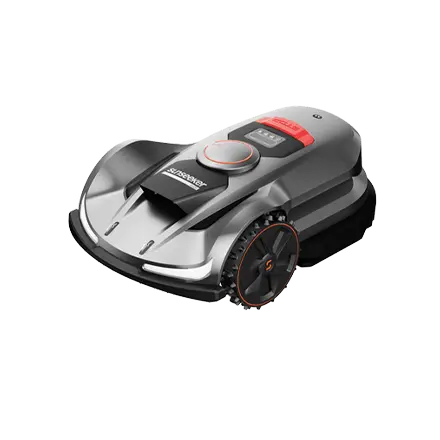
Models such as the Sunseeker Elite X-Series illustrate this approach well, using precise steering, adaptive cutting systems, and a built-in thatch scarifying function to care for the lawn gently. And, its floating cutting deck automatically follows ground contours, delivering an even, consistent cut that supports healthier turf over time.
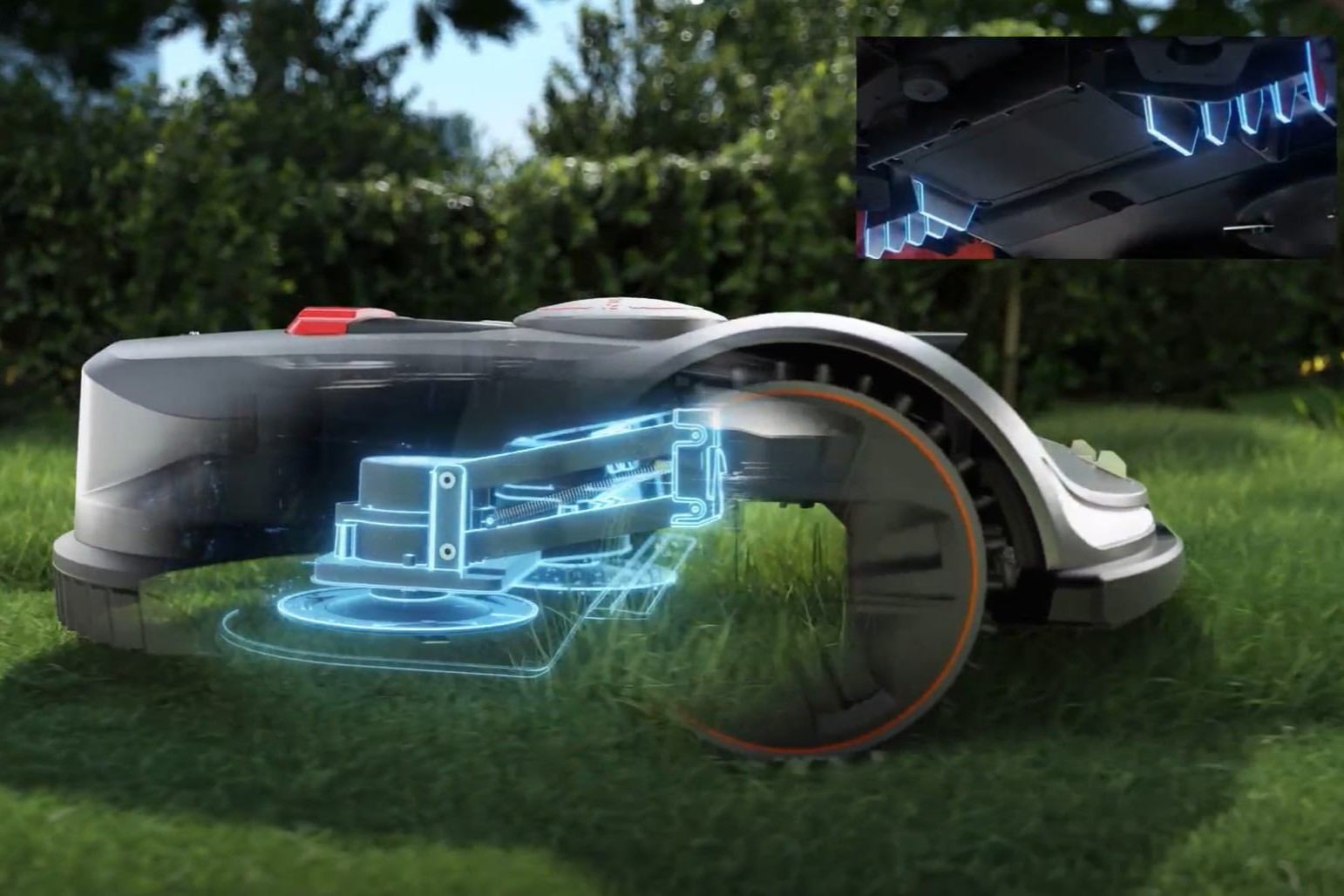
Sunseeker Elite X7 performing lawn trimming and scarifying
Sustainable lawn care provides a realistic and rewarding way to maintain a lush, green yard while respecting the environment.
By using water more efficiently, improving soil health with natural inputs, and selecting eco-friendly equipment, it becomes possible to reduce environmental impact without giving up a neat, attractive appearance. Over time, small and consistent improvements strengthen grass resilience, lower maintenance costs, and create better conditions for local wildlife. A well-managed lawn can be both beautiful and responsible.
If you are ready to take the next step toward smarter, lower-impact lawn care, consider exploring modern solutions like Sunseeker Elite robotic mowers that combine efficiency, convenience, and sustainability into everyday maintenance.
Visible improvements usually appear within one growing season. Healthier soil structure and stronger root systems develop first, followed by denser turf and better color. Consistency matters more than speed, and long-term benefits compound year after year.
Initial adjustments may take some planning, but ongoing effort is usually lower. Reduced mowing frequency, fewer chemical applications, and healthier grass growth simplify routine maintenance, making sustainable lawns easier to manage over time.
Robotic mowers maintain grass through frequent, light cuts that reduce plant stress and encourage denser growth. Their mulching approach returns fine clippings to the soil, improving nutrients naturally while using less energy and producing minimal noise.