







FAQs
7/25/2026
Contents
Products
Residential Lawns



Explore
Where to Buy


Grass seed can go bad because the living embryo inside each seed slowly weakens, especially after heat, moisture, or poor storage. Fresh seed gives the most even results, but older seed may still work after a germination test. Store it cool, dry, sealed, and off the floor.
You find a half-used bag of grass seed in the garage and pause before spreading it. The label looks fine, but the bag has been sitting through summer heat, winter cold, and maybe a little damp air. Nobody wants to prepare soil, water every day, and then wait two weeks for patchy results.
That is why the question does lawn seed go bad matters. Grass seed does not spoil like food, but it does lose viability. Age, grass type, storage temperature, and moisture all affect the final result. The sections below give you simple tests, clear shelf-life rules, and practical storage tips before you plant.
Lawn seed is a living product, even though it looks dry and inactive. Each seed contains a tiny plant embryo and stored energy. As that embryo ages, fewer seeds sprout, and the seeds that do sprout may grow more slowly.
So, does lawn seed go bad? Yes, but “bad” usually means weaker germination rather than sudden failure. A bag that once tested at 85% germination may drop to 50%, 30%, or lower after poor storage. The seed may still look normal, so appearance alone is not enough.
Moisture is the biggest warning sign. Damp seed can clump, mold, or swell before planting. A one-year-old bag stored indoors may perform better than a newer bag left in a hot, humid shed. For a whole lawn, fresh seed is safer. For a few thin spots, tested older seed may still be useful.
The shelf life of grass seed depends on seed quality and storage. Most lawn seed is strongest in the first planting season and may remain usable for another year or two when it stays cool and dry.
Check the label for a test date or sell-by date. That date matters because germination was measured before sale, not after years in storage. If the seed is past the date, test it before using it on a large area.
Seed age | Likely condition | Practical advice |
Less than 1 year | Usually strong if stored dry | Use the normal seeding rate after checking the label. |
1-2 years | Often still usable | Run a germination test if storage was hot or damp. |
3-5 years | Germination may be much lower | Test first, then mix with fresh seed for better coverage. |
Over 5 years | Usually unreliable | Avoid it for new lawns or important repair work. |
Cool-season grasses such as ryegrass, fescue, and Kentucky bluegrass may still sprout after a few years, but the rate often declines. Warm-season grasses can also lose strength and may already germinate more slowly. If you are seeding a full lawn, weak seed can leave thin areas that invite weeds.
Grass seed loses viability because heat, moisture, time, and damage slowly weaken the embryo inside the seed. The shell can still look fine while the seed no longer has enough energy to sprout.
Planting conditions can also look like a seed problem. Fresh seed may fail if it is buried too deeply, allowed to dry out, or spread on compacted soil. Cool-season grasses usually germinate best at about 50-65°F soil temperature. Many warm-season grasses need roughly 65-70°F or warmer.
You do not need special equipment to check old lawn seed. A few simple home tests can show if the seed is worth planting before you spend time on soil preparation and watering.
The float test is a quick first check, not a final answer. Put a small sample of seed in a glass of room-temperature water and wait 10-15 minutes. Seeds that sink are often heavier. Seeds that float may be empty, damaged, too dry, or simply holding trapped air.
Use this test only as a warning sign. Some viable grass seed may float, and some dead seed may sink. If many seeds float, follow with a germination test before planting.
A germination test gives the clearest answer. Count 20 or 50 seeds, place them on a damp paper towel, fold the towel, and seal it in a plastic bag. Keep it in a warm room out of direct sun. The towel should stay damp, not soaked.
Check every few days. Many lawn grasses sprout within 5-14 days, while slower types may need up to 21 days. If 16 of 20 seeds sprout, the sample is about 80% viable. If only 8 sprout, the rate is about 40%, and normal seeding rates will likely produce thin coverage.
Aim for 70% or higher for important repairs. For small patches, 50-60% may still work if you mix in fresh seed. Very weak, slow, or uneven sprouts are a sign to replace the bag.
Pour a small amount of seed onto a white plate or sheet of paper. Look for clumps, mold, webbing, insects, rodent damage, or a sour smell. Healthy seed should feel dry and loose. It should not stick together or leave damp residue on your fingers.
Coated seed needs extra attention. A light coating is normal, but sticky, broken, or powdery clumps suggest moisture exposure. If the bag smells musty or shows mold, do not spread it.
Old lawn seed is not always waste. The right choice depends on the germination test, the project size, and how much risk you can accept. A small bare spot gives you more room to correct thin growth later than a full new lawn.
If the seed passes a test, use it in low-risk areas such as thin patches, worn edges, or small overseeding jobs. You can raise the seeding rate slightly when viability is lower, but do not pour seed on heavily. Crowded seedlings compete for water, light, and nutrients.
For a new lawn, a visible front yard, or a repair that needs reliable coverage, mix older seed with fresh seed or replace it. If germination falls below about 50%, fresh seed is usually the better use of your time and water.
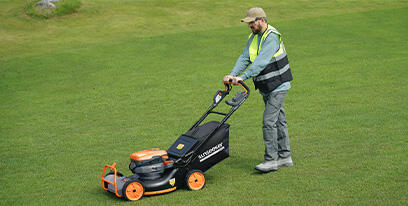
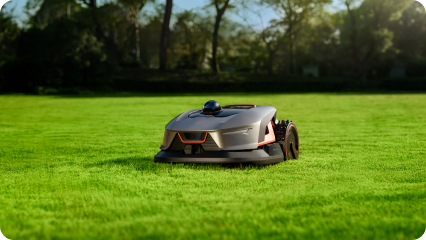
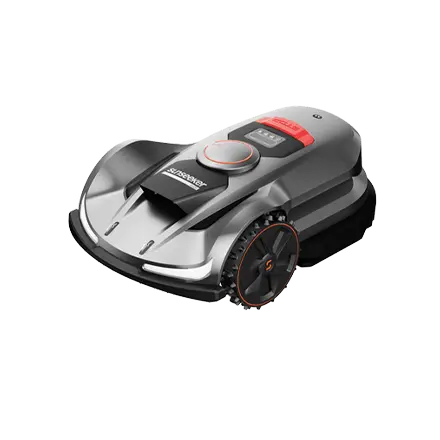
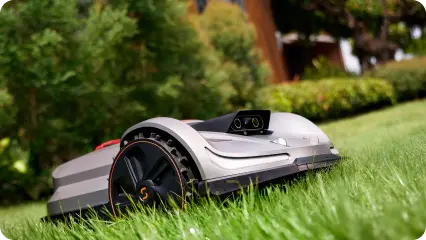
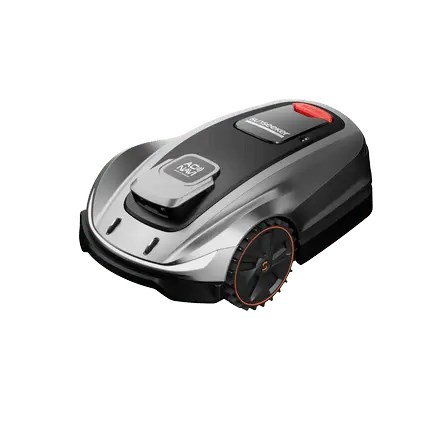
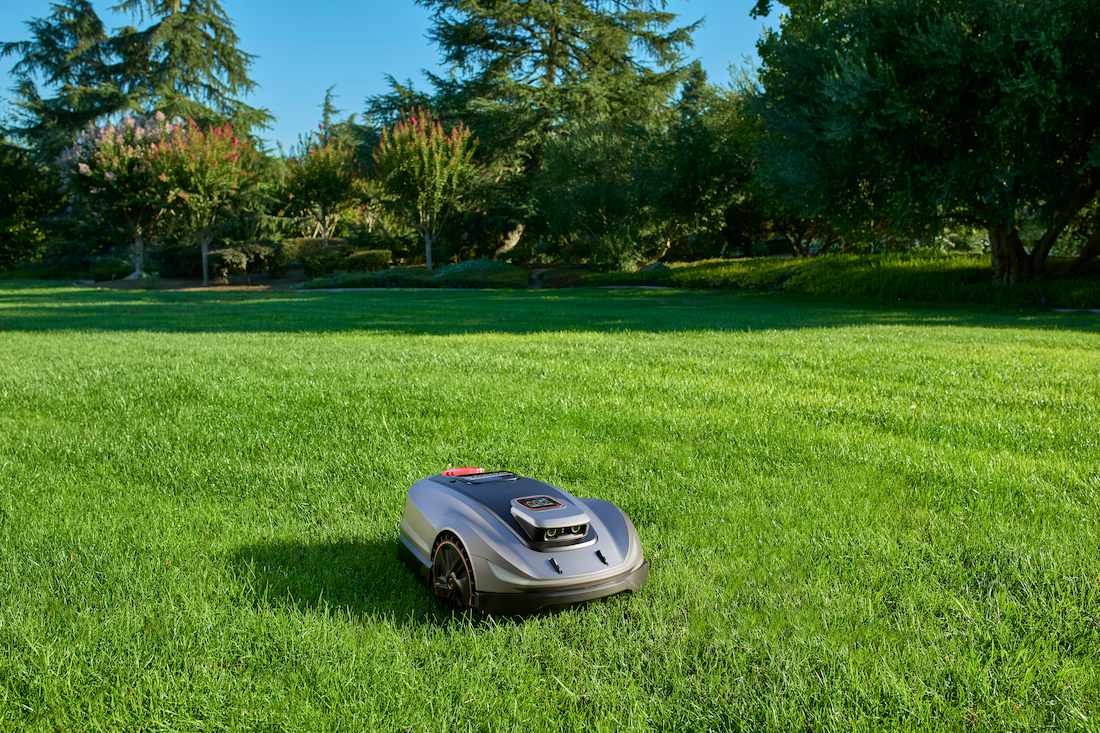
After the new grass has rooted, thickened, and reached mowing height, steady light mowing helps the lawn fill in without stressing young plants. For ongoing maintenance after establishment, Sunseeker Elite X5 supports routine lawn care with wire-free AI mapping and a floating cutting disc that follows lawn contours for a more even trim.
Good storage protects seed viability and reduces waste. The goal is simple: keep seed cool, dry, sealed, and away from pests until planting day.
Keep the original label with the seed so you know the grass type, test date, blend, and recommended seeding rate. If you move seed into a bin, tape the label to the outside or write the key details on the lid.
Do not store seed that has already become wet. Use it quickly for a low-risk patch if it still looks clean, or discard it if clumps or mold appear. Buying the right bag size also helps, because a large leftover bag may sit too long before the next seeding season.
So, does lawn seed go bad? Yes, but age is only part of the story. Cool, dry storage can keep seed useful longer, while heat and moisture can ruin it quickly. A germination test gives the clearest answer before planting. Use fresh seed for major projects, tested older seed for small repairs, and steady care after the grass is established. If you want easier long-term upkeep once the lawn is ready for routine cutting, you can also explore Sunseeker’s robot lawn mower options.
Grass seed can expire in the sense that its germination rate drops over time. It may not look spoiled, but fewer seeds will sprout each year. Check the label date, inspect the bag, and run a germination test before using old seed on important lawn areas.
You can test 5 year old grass seed, but do not rely on it without checking germination first. If very few seeds sprout, replace it. If the test shows moderate growth, use it only for small patches and mix it with fresh seed for better coverage.
Twenty year old grass seed is usually not worth using for a lawn. A few seeds might sprout after excellent storage, but the germination rate will likely be too low for even coverage. Fresh seed is the practical choice for repairs, overseeding, or new lawn work.