



FAQs
5/26/2026
Contents
Products
Residential Lawns

Explore
Where to Buy


A dethatching blade is useful only when a lawn has real thatch buildup, not as a regular mowing accessory. It can loosen dead grass and surface debris on smaller lawns, but fit and timing matter. Check mower compatibility, start with a higher setting, remove the loosened thatch, and give the lawn time to recover afterward.
A thick layer of thatch can make a lawn look tired, even when you mow and water regularly. A dethatching blade for a push mower offers a simple way to loosen dead grass, moss, and matted debris without renting heavy equipment. Still, it is not something to attach and use casually.
Check the article below to learn details about push mower dethatchers, match your lawn mower and dethatcher, and get the right approach to dethatch your lawn, so you can clear buildup while helping your grass recover more evenly.
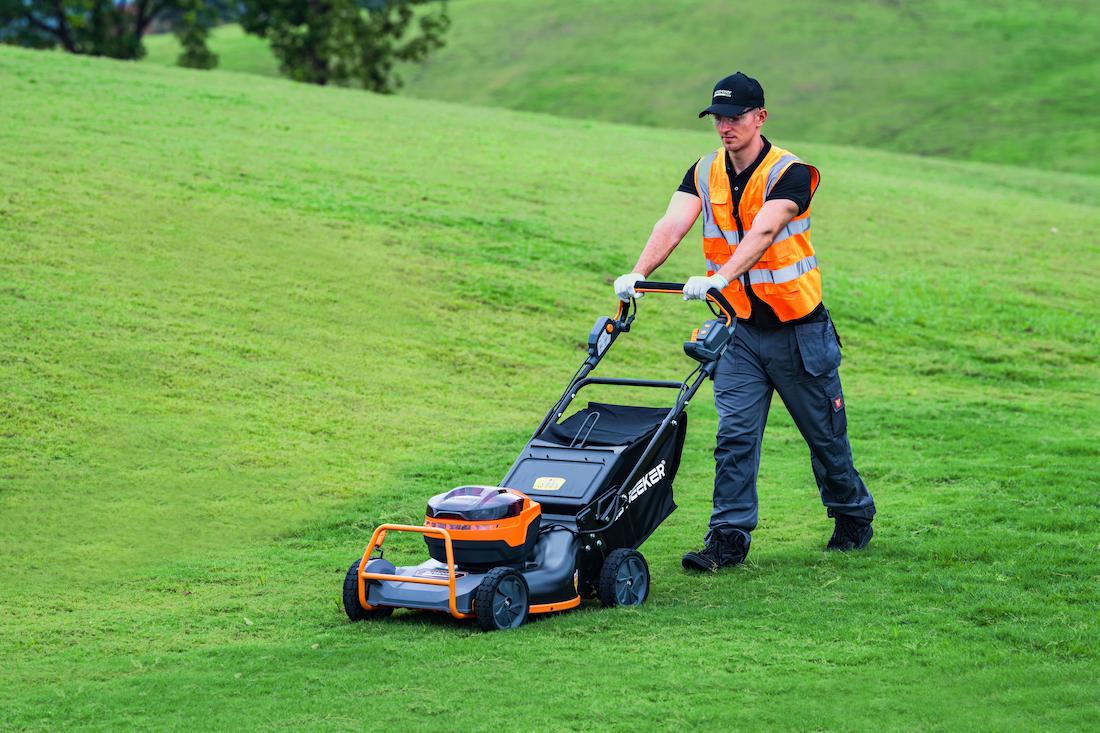
A dethatching blade for a push mower is a special mower attachment designed to rake up thatch instead of simply cutting grass. It usually has spring tines, metal teeth, or flexible dethatching lines that reach into the lawn surface and pull loose organic material upward. When dethatching the lawn with a mower, we often use it to replace the regular mower blade.
As the mower moves across the lawn, the lawn mower dethatcher combs through the grass and loosens dead stems, roots, and matted debris. A thin thatch layer can be helpful, but excess thatch can block water and nutrients from reaching the soil.
A regular mower blade and a dethatching blade may both attach to a mower, but they are made for very different jobs. Here is a chart to help you understand them better.
|
Feature |
Dethatching Blade |
Regular Mower Blade |
|
Primary function |
Loosens and lifts thatch. |
Cuts grass to an even height |
|
Design |
Metal bar with spring-loaded tines, prongs, flails, or flexible dethatching lines. |
Solid metal blade with sharpened edges and angled sails or “fins” for lift. |
|
How it works |
Combs through the lawn surface to loosen dead material between the grass and the soil. |
Spins to cut grass cleanly and move clippings into a bag, mulch chamber, or side discharge. |
|
Effect on the lawn |
Looks messy at first, but improves airflow, water movement, and nutrient access. |
Leaves the lawn trimmed, tidy, and even when used correctly. |
|
When to use it |
Only when excess thatch builds up, usually during spring or fall recovery periods. |
Every time you mow during the growing season. |
A push mower dethatcher attachment can be useful, but it is not a universal fit for every mower or every lawn. Before using one, think about your mower type, blade compatibility, lawn size, and how much thatch you actually need to remove.
Start with the mower manual and the dethatching blade instructions. The best push mower blade for dethatching is not simply the most aggressive option—it is one that matches the mower’s deck width, mounting system, and operating limits. Check the deck width, blade length, center hole, adapters, and clearance under the deck. A blade that does not fit correctly can vibrate, damage the mower, or become unsafe during use.
A dethatching blade attachment is often the most common choice for gas push mowers. Still, you should not assume every gas mower can use one. Always confirm the blade size, mounting system, and manufacturer guidance first.
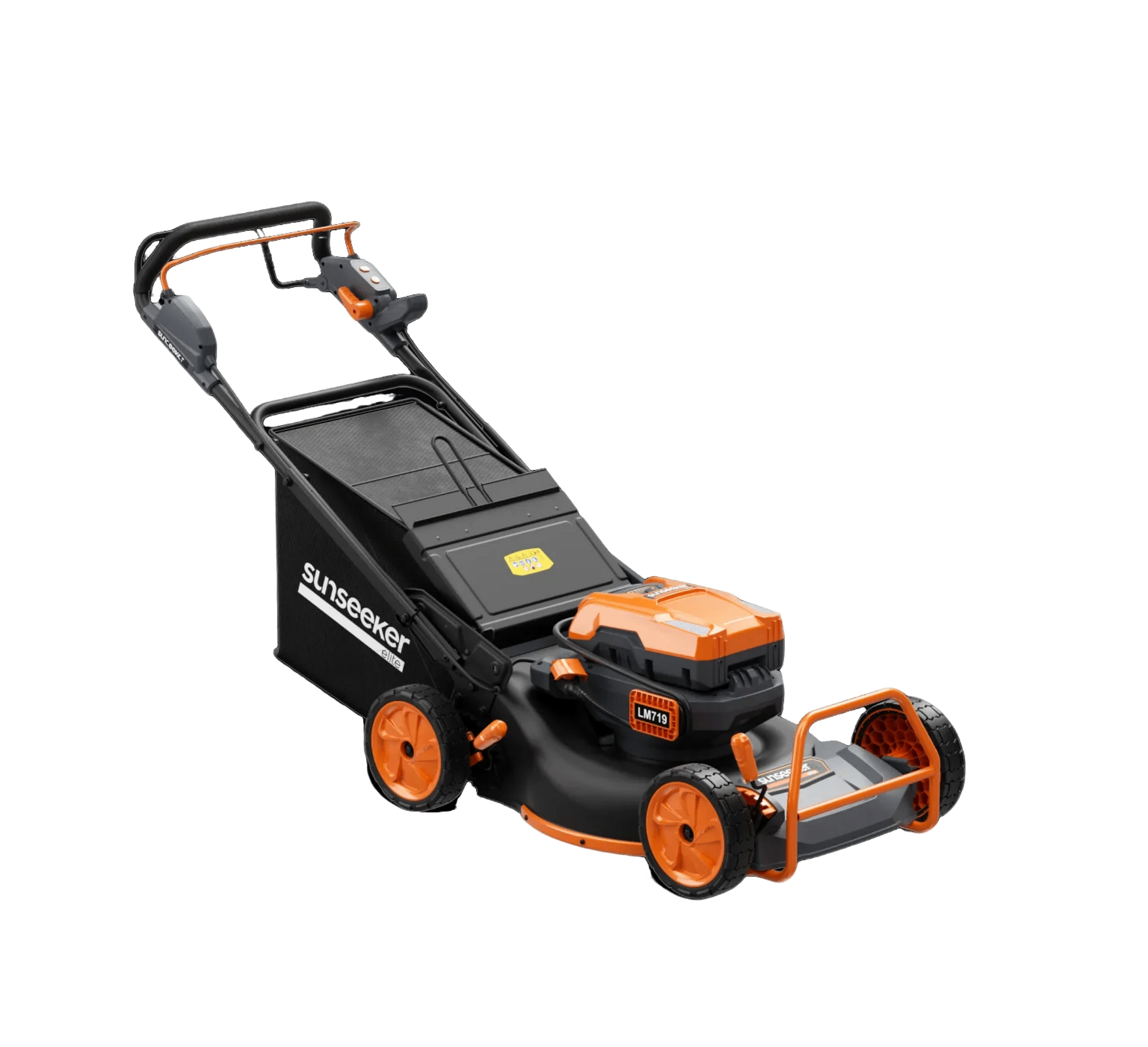
Electric push mowers need extra care. Some have lighter decks, different blade mounts, or motor systems that are not designed for third-party dethatching blades. For example, the Sunseeker Elite Lawn Mower (Plug-in Connect) features a heavy-duty steel deck, dual-blade system and commercial motor system for commercial-grade performance. If the manual does not approve a dethatching blade, use a dedicated dethatcher instead.
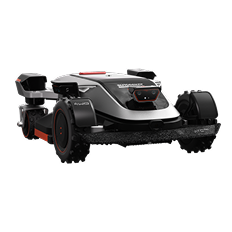
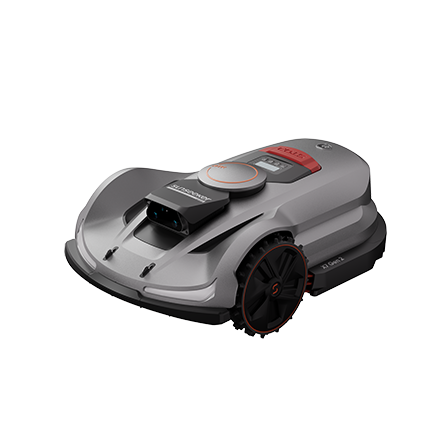
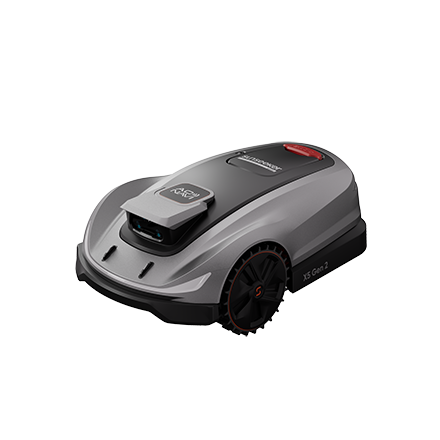
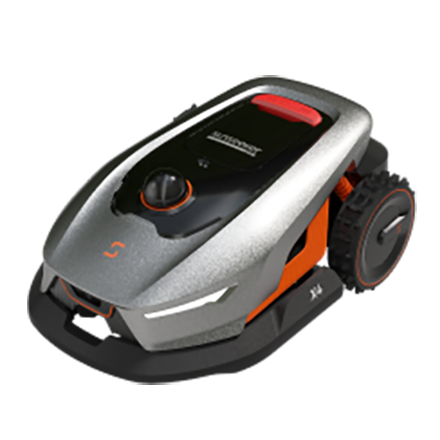
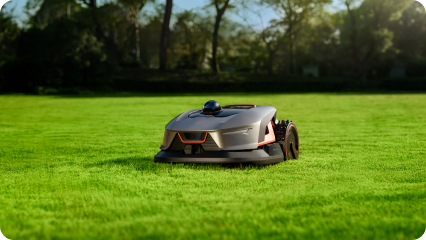
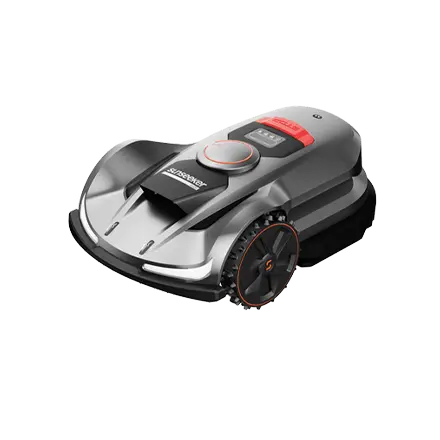
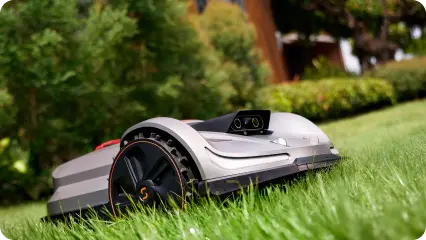
If you use robot lawn mowers , they are not designed for dethatching blades. They work best for frequent light mowing and keeping grass at a steady height. For thatch removal, use a manual rake, power rake, or dedicated dethatcher, then return to the robot mower for regular lawn care.
For a small lawn with light thatch, a compatible dethatcher blade for push mowers can be practical. For larger lawns, thick thatch, or renovation work, a dedicated dethatcher, power rake, or vertical mower is usually more efficient. Push mower dethatching blades are often better for occasional maintenance than heavy restoration.
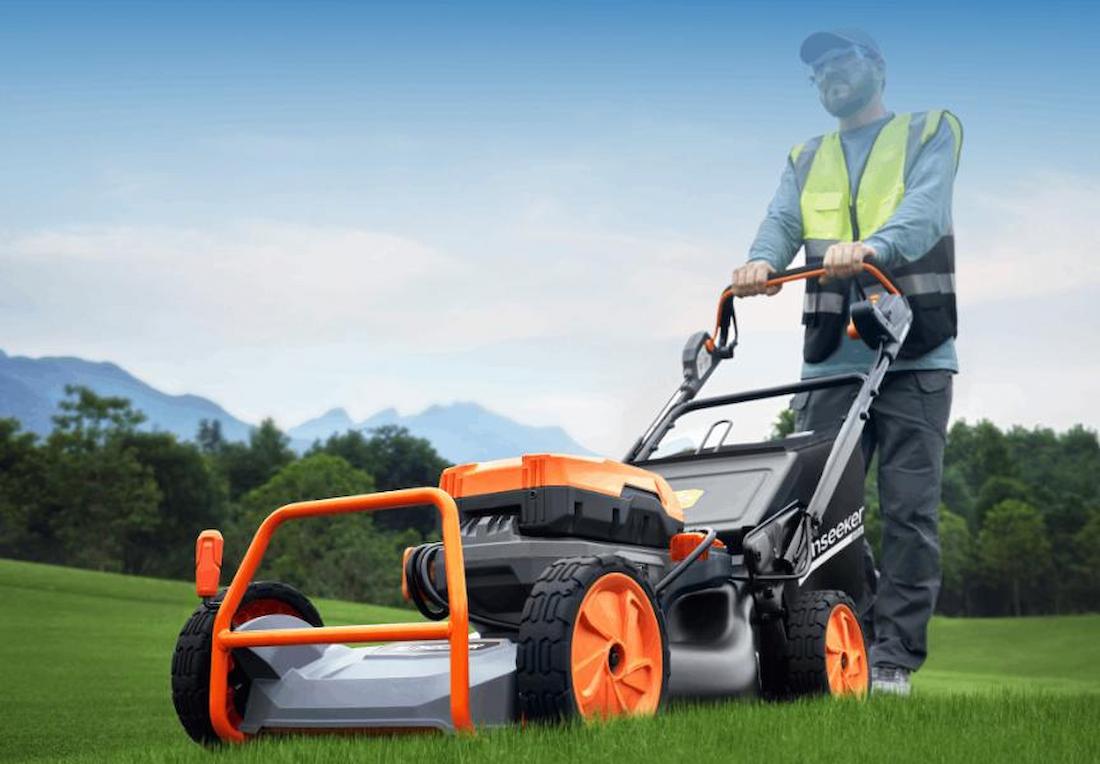
When dethatching a lawn with your mower, you should take more care than during regular mowing. The goal is to lift excess thatch without tearing up healthy grass crowns or digging into the soil.
Check the thatch layer before you begin. Cut a small wedge of grass and soil, then measure the brown, spongy layer between the green grass and the soil surface. Dethatching is most useful when thatch is thick enough to block airflow, water, and nutrients. A very thin layer does not need removal.
Mow the lawn slightly shorter than normal before dethatching, but do not scalp it. Remove sticks, stones, toys, and other debris that could hit the blade. Choose a dry day with moderate temperatures. Avoid dethatching when the lawn is dormant, drought-stressed, newly seeded, or recovering from disease.
Turn off the mower and disconnect the spark plug wire or power source before touching the blade area. Even if you already know how to change blade on push mower equipment, follow the dethatching blade manufacturer’s instructions because its adapters, orientation, and mounting requirements may differ from those of a standard cutting blade. Tip the mower as directed, remove the regular blade carefully, and install the dethatching blade so it is centered, tight, and facing the correct direction.
Spin the blade by hand before starting the mower to confirm it clears the deck. If anything rubs, wobbles, or feels unstable, stop and recheck the fit.
Begin with a higher setting rather than the lowest one. The tines or dethatching lines should brush through the thatch layer, not dig deeply into the soil. If the mower is set too low, it may scalp the lawn, pull healthy grass, or damage roots.
Test a small hidden area first. If too much green grass is being ripped out, raise the deck or stop using the blade.
Move slowly in straight, steady lines. Overlap each pass slightly so the lawn is treated evenly. Do not rush, bounce the mower, or repeatedly run over the same area. One pass is often enough for light buildup.
For heavier thatch, it is safer to make a second light pass in a different direction than to force the blade too low in one aggressive pass.
After dethatching, the lawn may look messy. That is normal. Use a rake, bagging mower, or lawn sweeper to collect the loosened thatch. Do not leave thick piles of dead material sitting on the grass, because they can block sunlight and airflow.
Dethatching stresses the lawn, so recovery care matters. Water the lawn deeply after cleanup if the soil is dry. Overseed thin spots if needed, and apply compatible fertilizer if necessary to help your grass recover.
A lawn dethatcher for push mowers can be helpful, but small mistakes can quickly turn a lawn-care project into lawn damage. Watch for these common problems before you start.
A dethatching blade for a push mower can be a practical tool for removing light to moderate thatch, but it works best when the mower, blade, and lawn conditions are all suitable. Check compatibility first, use the blade gently, and avoid dethatching when your lawn is stressed.
After the job, rake away debris and support recovery with water, overseeding, or proper fertilizer. For everyday lawn care, regular mowing with electric push mowers or robot lawn mowers can simplify routine lawn maintenance and keep grass healthier between occasional dethatching sessions.
Yes, a dethatching blade can work for light to moderate thatch. It uses tines, prongs, or flexible lines to loosen dead grass and matted debris. However, a push lawn mower dethatcher attachment is not as strong as a dedicated dethatcher or power rake for heavy buildup.
It depends on the lawn condition. A dethatching rake works well for small areas or light buildup, but it takes more physical effort. A mower dethatching blade or dedicated dethatcher is better for larger areas or thicker thatch that needs more consistent removal.
Dethatch after mowing the lawn slightly shorter than usual. Shorter grass allows the dethatching blade or rake to reach the thatch layer more easily. Do not scalp the lawn, and always remove sticks, stones, and debris before dethatching.
No. Not every push mower can safely use a dethatching blade or attachment. You need to check the mower manual, deck size, blade mount, center hole, and attachment instructions. Also, many electric mowers and robot mowers are not designed for dethatching. If the blade does not fit correctly, use a dedicated dethatcher instead.