












FAQs
6/17/2026
Contents
Products
Residential Lawns






Explore
Where to Buy


Most gas lawn mowers run on SAE 30 or 10W-30 oil. Some car oils carry the same ratings, but the formulation differences matter for long-term engine health. Checking the owner's manual is always the right first step.
You are ready to change the mower oil, but the only bottle nearby is the same oil you use for your car. It seems like an easy fix, especially if the viscosity number looks right. So you may be wondering, “Can you use car oil in a lawn mower?” The answer depends on the oil type, the mower engine, and whether this is a one-time emergency or your regular maintenance plan. This guide explains when car oil may be acceptable, what your mower actually needs, and what to do if the wrong oil has already been used.

When it comes to can you use motor oil in a lawn mower, the answer depends on your engine type. Check your owner's manual to confirm before proceeding. Most modern residential gas mowers use four-stroke engines, but it's worth verifying.
Two-stroke engines: Do not use car oil. These engines require oil mixed directly with fuel, and using straight automotive oil will damage the engine.
Four-stroke engines: Car oil with the correct viscosity can work in an emergency, but is not recommended for regular use. If the mower is critically low on oil and no alternatives are available, using a car oil with the correct viscosity rating is better than running the engine dry. SAE 30 or 10W-30 car oil will lubricate the engine temporarily without immediate damage in most cases.
That said, can you use car oil on a lawn mower regularly? No, and here's why.
Lawn mower engines run hotter and without a cooling system. Car engines are water-cooled and operate at controlled temperatures. Lawn mower engines are air-cooled and run at higher, less regulated temperatures. The additive packages in automotive oil are optimized for car engines, not the simpler, hotter conditions of a small single-cylinder mower engine.
Automotive oil may contain additives that don't belong in a mower. Some car oils include friction modifiers designed for automotive wet-clutch systems. Over time, these additives can reduce the efficiency of small engine components and contribute to accelerated wear.
The right oil for your mower depends on two things: your engine type and the temperature you typically mow in. Here's how to choose:
Always confirm with your owner's manual. The engine manufacturer's recommendation overrides any general guidance.
Both may share a viscosity rating on the label, but they're formulated for different jobs.
|
Factor |
Lawn Mower Oil |
Car Oil |
|
Engine cooling |
Air-cooled, runs hotter |
Water-cooled, temperature regulated |
|
Additive package |
Optimized for small single-cylinder engines |
Optimized for multi-cylinder automotive engines |
|
Friction modifiers |
Minimal or none |
Often present for fuel economy |
|
Detergent levels |
Moderate |
Higher, for longer drain intervals |
Higher detergent levels in car oil can cause foaming in small engines. Friction modifiers, useful in cars, can reduce the efficiency of small engine components over time. Neither causes immediate damage, but regular use of car oil accelerates wear compared to the right oil.
The impact depends on whether the viscosity matches your engine's requirement.
If the viscosity is wrong, problems show up immediately. Oil that's too thick won't flow properly during cold startup, leaving engine parts momentarily unlubricated. Oil that's too thin can't maintain a protective film at operating temperature. Both cause faster wear than any other scenario. This is the situation to avoid most urgently.
If the viscosity matches, the engine runs normally at first. The risks build gradually:
How to Change Mower Oil if You Used the Wrong Type
If car oil has been used, switching to the correct small engine oil as soon as possible minimizes any potential impact.
1. Run the engine for a few minutes to warm the oil. Warm oil drains more completely than cold.
2. Disconnect the spark plug wire to prevent the engine from starting while you work.
3. Drain the old oil by tilting the mower or removing the drain plug, depending on the model.
4. Check the owner's manual for the correct oil type and capacity before refilling.
5. Refill with the correct small engine oil to the full mark on the dipstick.
6. Reconnect the spark plug wire and start the engine. Check for leaks around the drain plug or fill cap.
If car oil has been used repeatedly over multiple seasons, one oil change may not be enough to flush residual deposits. In that case, refill with the correct oil, run the engine for a normal mowing session, then do a second oil change. This helps clear out what the first drain left behind before returning to a normal change schedule.
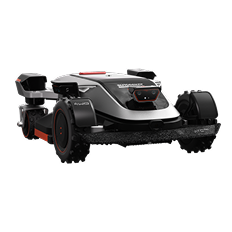
For homeowners who'd rather skip oil changes permanently, a robot lawn mower runs on battery power with no engine oil, no spark plugs, and no seasonal maintenance routine. Set the schedule once and it handles the rest.
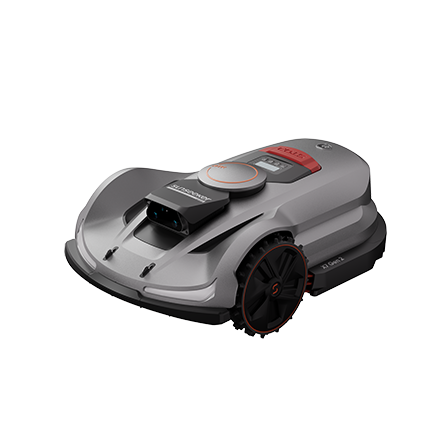
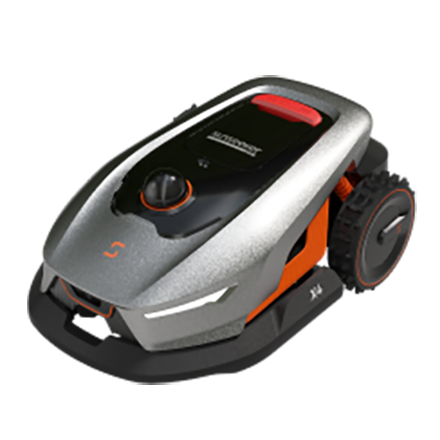
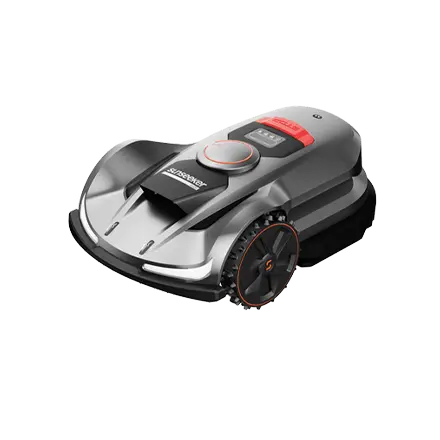
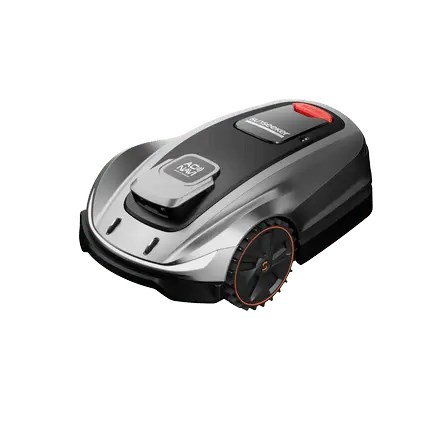
So, if you want to stop worrying about oil types altogether, the Sunseeker Elite X5 is worth considering. It runs on battery power with no engine oil required. No viscosity ratings to match, no oil changes to schedule, and no risk of using the wrong product. Covers up to 0.5 acres, operates at 60 dB(A) quietly enough for daily runs, and handles slopes up to 45% (24°) with wire-free setup. It maps the lawn automatically, navigates around obstacles, and runs on an app-based schedule without any manual input.

Using car oil in a lawn mower isn't an immediate disaster if the viscosity matches and it's a one-time emergency. For regular use, dedicated small engine oil formulated for air-cooled engines is the right choice. Can you use car oil for a lawn mower long-term? No. The additive differences add up and accelerate wear over time. Check your owner's manual for the correct grade and stick to it.
In an emergency, a car oil with the correct viscosity (SAE 30 or 10W-30 depending on your engine) will work temporarily. Switch to the correct small engine oil at the next opportunity. Never use two-stroke oil in a four-stroke engine, and never run the engine without any oil.
Yes, in most cases. Many modern lawn mower engines accept 5W-30, and synthetic 5W-30 is a good all-temperature option. Some older air-cooled engines are optimized for SAE 30 in warm weather and may consume 5W-30 slightly faster. Check your owner's manual to confirm.
Yes. SAE 10W-30 is one of the most widely recommended grades for residential lawn mowers, especially riding mowers and engines used across a range of temperatures. It flows better than SAE 30 in cold conditions and is safe for most four-stroke small engines. If your manual lists 10W-30 as an option, it's a reliable everyday choice. Can you use engine oil in a lawn mower rated 10W-30 from a car oil brand? In most cases yes, though dedicated small engine formulations are preferable for long-term use.