








Buyer's Guide
6/18/2026
Contents
Products
Residential Lawns




Explore
Where to Buy


For flat, well-maintained lawns under half an acre, a reel mower delivers a noticeably cleaner cut than most rotary alternatives. The best models combine a wide cutting deck, a good blade count, and comfortable handling. Budget and grass type do most of the filtering from there.
Push mowers come in all shapes, but few deliver the clean, scissor-like cut that a best reel mower provides. Where rotary blades tear grass, reel mowers slice it, which reduces browning, lowers disease risk, and gives a lawn a noticeably healthier appearance over time. This guide covers the top five picks, what to look for when comparing models, and when a reel mower is genuinely the right tool for your yard.

Every reel mower on this list has been selected based on verified specs and real-world performance reputation. Here's how the top options break down by use case.
The widest cutting deck in the standard residential reel mower category at 18 in, with the InertiaDrive™ reel delivering twice the cutting power of standard reel mowers and making the mower 60% easier to push. The StaySharp blade system uses precision-ground hardened steel blades that cut without touching, greatly reducing friction and blade wear — no annual sharpening needed. VersaCut™ technology adjusts cut height from 1 to 4 in with a single touch. A strong all-around performer for maintained lawns up to half an acre.
At 14 in wide and about 21 lbs , this is one of the lightest and most maneuverable reel mowers available. The 5-blade heat-treated alloy steel reel handles well-maintained grass on tight, compact yards with a scissor-action cut. Its narrow profile fits easily through gates and around obstacles. Cutting height adjusts from 1 to 2.25 in . Best suited for yards under 1,500 sq ft with fine, regularly mowed turf.
An 18 in 5-blade reel mower designed for small to medium lawns up to a quarter acre. The scissor-cut blade action promotes healthier grass and reduces water loss compared to rotary mowing. Nine cutting height positions from 0.7 to 2.6 in give good flexibility across grass types. The included 35L grass catcher keeps the lawn clean without raking. Solid construction with a comfortable handle makes it easier to push for extended sessions.
One of the most consistently recommended entry-level options on the market. The 5-blade 16 in reel handles standard cool-season and warm-season grasses cleanly when mowed regularly. Cutting height adjusts from 0.5 to 2.5 in. At under $100, it's a practical choice for small, flat yards where the priority is a clean, low-noise cut without a large upfront investment. A reliable good reel mower for budget-conscious homeowners who mow weekly.
The 7-blade configuration makes this the standout choice for thick, coarse, or hard-to-cut grass varieties. More blades produce more cuts per wheel revolution, which means cleaner results on grass types that challenge standard 5-blade models. The 16 in cutting width suits yards up to a quarter acre. Cutting height adjusts from 0.5 to 2.5 in. A best rated reel lawn mower for homeowners dealing with tougher turf like Bermuda, Zoysia, and St. Augustine.
|
Model |
Blades |
Cutting Width |
Cutting Height |
Best For |
|
Fiskars StaySharp 18-Inch Max |
5 |
18 in |
1–4 in |
Best overall, up to 0.5 acre |
|
American Lawn Mower Co. 1304-14 |
5 |
14 in |
1–2.25 in |
Small yards, tight spaces |
|
LawnMaster LMRM1801 |
5 |
18 in |
0.7–2.6 in |
Medium yards, includes grass catcher |
|
Great States 16-Inch |
5 |
16 in |
0.5–2.5 in |
Budget buyers, small flat yards |
|
Earthwise 7-Blade |
7 |
16 in |
0.5–2.5 in |
Thick or coarse grass |
The options narrow quickly once you match the mower to your specific situation. A few factors do most of the work.
1. Cutting width. Wider decks cover more ground per pass, which matters on larger lawns. A 14 in model is efficient for compact yards under 1,500 sq ft. For anything larger, a 16–18 in deck reduces the number of passes and total mowing time.
Blade count. Five blades suit most standard residential grass types and mowing schedules. Seven blades make a meaningful difference on thicker or coarser grass, or when mowing intervals stretch beyond a week. A reel lawn mower best matched to your grass type will cut cleaner and require less effort per pass.
3. Cutting height range. Most reel mowers max out at 2.5 to 4 in. If your grass type benefits from being kept taller, check the upper limit before buying. Cool-season grasses like tall fescue often perform best at 3–4 in, which some budget models can't reach.
4. Weight and maneuverability. Heavier mowers stay grounded better on slightly uneven terrain, while lighter models are easier to push and store. For yards with gates, stairs, or narrow paths, weight and handle width are practical considerations worth checking.
Blade sharpening. sharpening. Some models, like the Fiskars StaySharp, have systems designed to extend blade life. Others require periodic lapping compound treatment or professional sharpening. Factoring in maintenance effort over time is part of a realistic cost comparison.
Reel mowers perform best in specific conditions, and knowing when they're the right tool saves frustration.
A reel mower suits your yard well when the grass is fine to medium textured, the lawn is flat or only gently sloped, and mowing happens at least once a week during the growing season. Regular mowing keeps grass at a height where the reel can cut efficiently without bogging down or scalping.
They're less suited to lawns with thick, coarse grass like St. Augustine or tall, overgrown turf. Reel mowers struggle when grass exceeds the mower's maximum cutting height, since the reel can't make contact with the tips effectively.
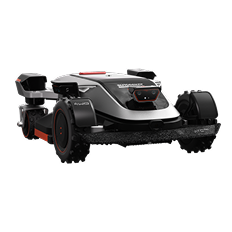
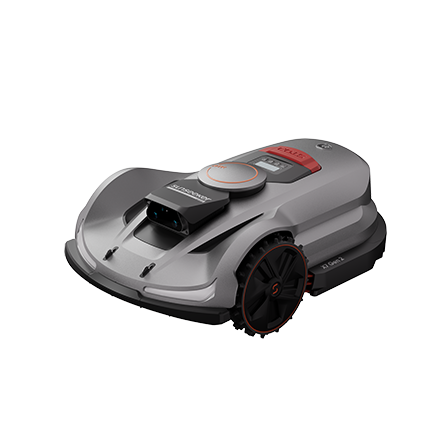
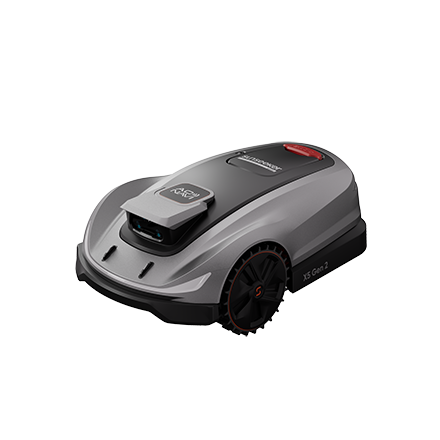
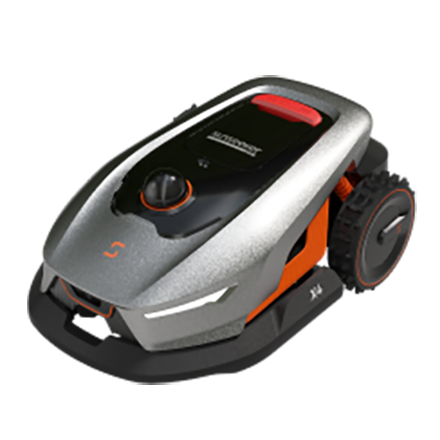
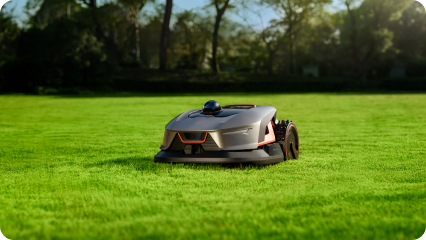
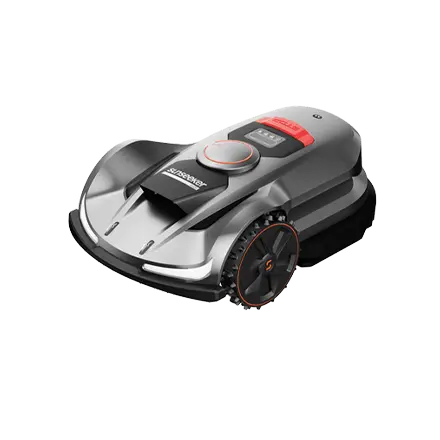
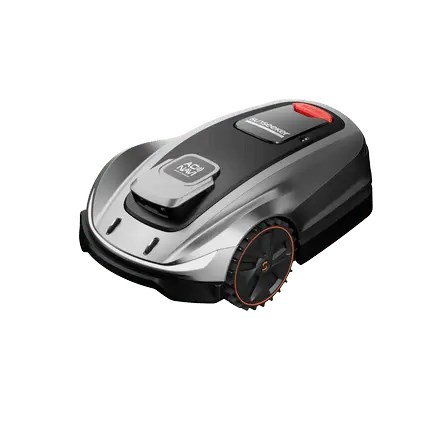
For homeowners with larger properties, complex terrain, or irregular mowing schedules, the physical effort of reel mowing adds up. A robotic mower removes that effort entirely. The Sunseeker Elite X7 Plus Gen 2 handles up to 1.5 acres wire-free, using AONavi™ with RTK and VSLAM 2.0 to plan routes and navigate the full lawn automatically. With app-based scheduling and 60 dB(A) quiet operation, it runs on your timetable without any manual pushing, making it a practical step up for yards that have outgrown what a reel mower can comfortably handle.

Getting consistent results from a reel mower comes down to a few habits that make the difference between clean cuts and a frustrating session.
Consistent mowing frequency is one of the biggest factors in how well a reel mower performs week to week. A robot lawn mower keeps that schedule automatically, maintaining optimal grass height through regular cuts rather than infrequent sessions that let the lawn get ahead of you.
A reel mower works best when it's matched to the right lawn: fine, regularly mowed turf on flat ground. Blade count, cutting width, and height range do most of the filtering once yard size is established. For the right conditions, any of the five models above is a reel mower best suited to delivering a cleaner cut than most rotary alternatives at a fraction of the noise and maintenance.
For the right lawn type, yes. Reel mowers deliver a cleaner scissor-cut that rotary blades can't replicate, which promotes healthier grass over time. They're quiet, require almost no maintenance, and cost significantly less to run than gas or battery alternatives. The trade-off is that they work best on flat, fine-textured lawns mowed regularly. On the wrong lawn or mowing schedule, they underperform noticeably.
It depends on the grass type. A 7-blade reel produces more cuts per wheel revolution, which gives a cleaner result on thick, coarse, or fast-growing grass. For standard fine-textured turf mowed weekly, a 5-blade model performs just as well and is typically lighter. The extra blades add weight and cost, so the upgrade is worth it mainly when the grass type genuinely demands it.
A rotary mower handles tall grass significantly better. Reel mowers are designed for grass within a specific height range, and attempting to cut tall or overgrown turf typically results in the reel pushing the grass over rather than cutting it cleanly. For lawns that grow tall between mowing sessions or have coarse grass varieties, a rotary mower is the more practical tool.