







Buyer's Guide
6/18/2026
Contents
Products
Residential Lawns

Explore
Where to Buy


For most suburban yards, a quality electric riding mower handles the workload without the gas maintenance burden. Zero-turn models dominate for speed and maneuverability, while tractor-style options offer a more familiar experience. Picks range from entry-level rear-engine riders to premium zero-turns covering several acres per charge.
Electric riding mowers have changed significantly in recent years, and the best electric riding mower for a given yard depends on size, terrain, and how much runtime you actually need. This guide covers the top five picks across every major use case, what specs matter most, and an honest comparison with gas alternatives.

A few key specifications narrow the field quickly.
Each model below has been selected based on verified specifications and real-world performance reputation. Here's how they break down by use case.
A well-rounded best electric riding lawn mower for most residential yards. It covers up to 2 acres per charge with the included batteries, with room to expand to 3 acres by adding two more. Three driving modes give flexibility for different conditions, and the 42 in deck supports mulching, bagging, and side discharge. A 2-hour recharge time keeps downtime short. The best-balanced option across power, runtime, and usability for yards up to 2 acres.
The iDrive intelligent joystick replaces traditional lap bars with single-handed speed and direction control, making it easier to manage on larger properties. Covers up to 3 acres per charge with 31 HP equivalent output from four brushless motors. The CROSS CUT multi-blade system handles mulching well. A strong best battery riding lawn mower option for homeowners who prioritize runtime and intuitive control on bigger lots.
Built on the same proven Accel Deep™ deck platform used on John Deere's gas Z300 series. The 48 in deck covers up to 1.8 acres per charge, and when the battery runs low, blades switch off automatically and a reserve lets you drive to a charging outlet rather than stopping mid-lawn. Outdoor-storable with weather-resistant construction. A premium best riding electric lawn mower backed by John Deere's dealer network and a 5-year battery warranty.
The right pick for homeowners who prefer a steering wheel over zero-turn controls. SmartCut Technology automatically adjusts power output based on grass density, so it doesn't bog down in thick or wet conditions. Covers up to 2 acres per charge and fully recharges in 90 minutes. Handles slopes up to 15° with adaptive traction control. A practical best battery powered riding lawn mower in a familiar tractor format.
The most accessible entry point into electric riding mowers. Covers up to 1 acre per charge with a compact 30 in rear-engine deck, no oil changes, no spark plugs, no belts. Recharges in 4 hours via a standard outlet. Comes with a 3-year residential and 4-year battery warranty. Best suited for flat yards under 1 acre where keeping costs down is the priority.
|
Model |
Deck |
Coverage |
Drive Style |
Best For |
|
EGO ZT4204L |
42 in |
Up to 2 acres |
Zero-turn |
Best overall |
|
Ryobi 80V iDrive |
42 in |
Up to 3 acres |
Zero-turn iDrive |
Large yards |
|
John Deere Z370R |
48 in |
Up to 1.8 acres |
Zero-turn |
Premium zero-turn |
|
Greenworks CrossoverT |
42 in |
Up to 2 acres |
Tractor |
Steering wheel preference |
|
Cub Cadet CC30E |
30 in |
Up to 1 acre |
Rear-engine |
Budget, small yards |
For most homeowners, yes, but the comparison depends on yard size and usage patterns.
Where electric wins. No pull cords, no oil changes, no fuel storage, and significantly less noise. Electric riders run at roughly 60–70 dB(A) compared to 90–100 dB(A) for gas equivalents. Start-up is instant and operating costs over time are lower.
Where gas still has an edge. Runtime flexibility. A gas mower can be refueled in two minutes and continue indefinitely. For properties over 3 acres or situations where charging time would interrupt a session, gas remains more practical. Gas riders also tend to have wider availability for parts and service through independent repair shops.
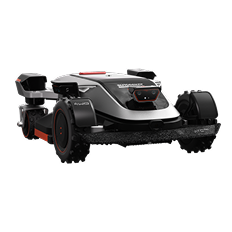
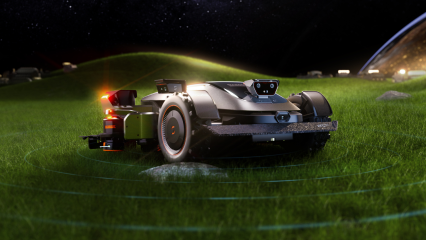
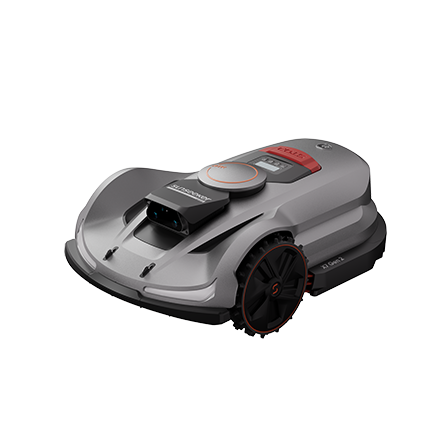
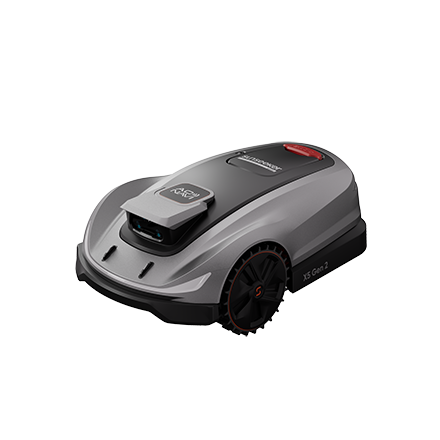
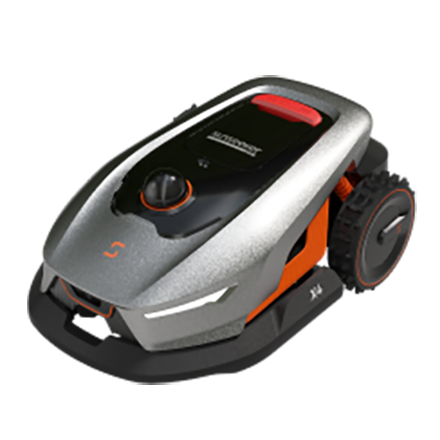
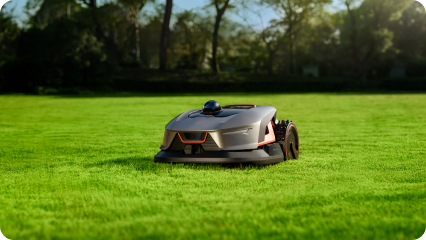
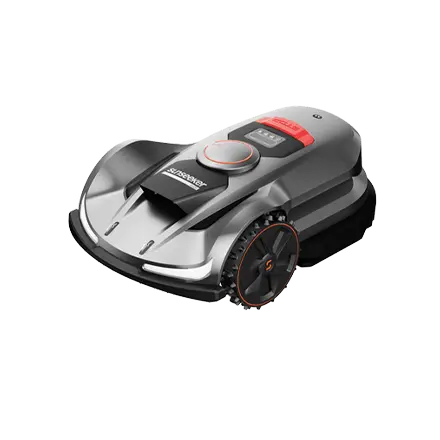
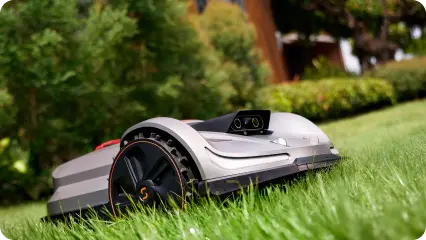
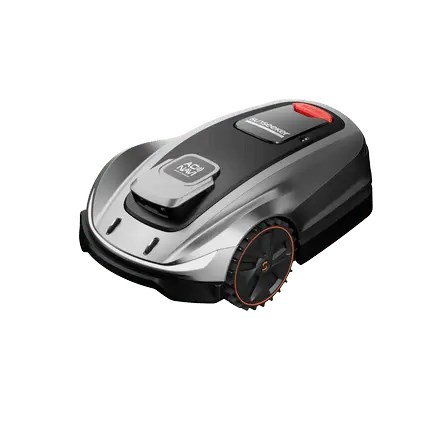
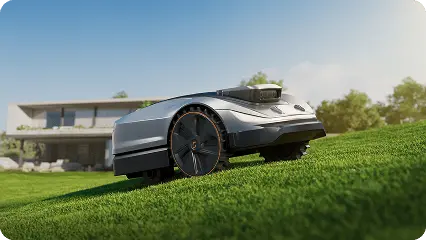
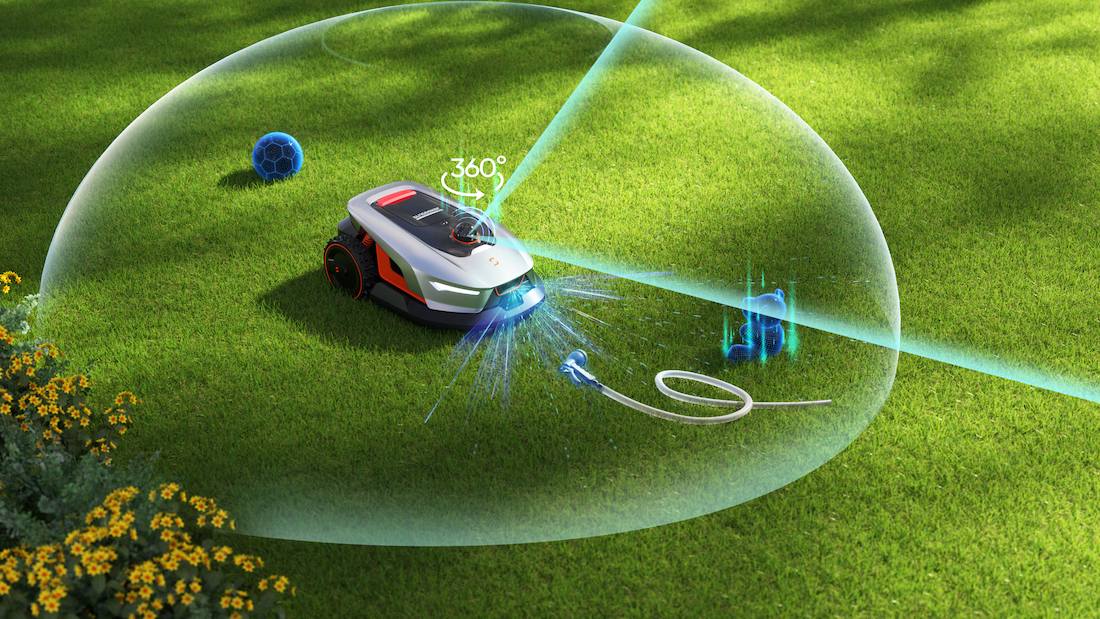
But the choice is not only between gas and electric riding mowers. If your main goal is to spend less time mowing, a robot lawn mower is another option to think about. Instead of replacing one ride-on mower with another, a robotic mower handles routine cutting on its own. For example, the Sunseeker Elite X4 uses 360° 3D LiDAR and Vision AI to map the lawn, plan mowing routes, and avoid obstacles. With app scheduling and automatic mowing, it can help keep smaller lawns maintained without turning every mow into a weekend task.
Matching battery capacity to yard size is the most important decision when choosing an electric riding mower. For yards under 2 acres, most premium zero-turn models handle the job comfortably on a single charge. Larger properties benefit from expandable battery systems or models rated for 3 acres or more. Budget-conscious buyers with smaller yards have a genuine entry-level option in the rear-engine category. Across all types, the best battery riding mower delivers meaningfully less maintenance and noise compared to gas, with performance that has closed the gap considerably in recent years.
For most residential yards under 2 acres, yes. Modern electric riders match gas performance, start instantly, and eliminate oil changes, spark plugs, and fuel storage. The upfront cost is higher than comparable gas models, but lower running costs and minimal maintenance offset that over a few seasons. Matching battery capacity to yard size is the key decision.
Runtime is the most significant limitation. Most electric riders cover 1.5 to 3 acres per charge, and recharging takes 90 minutes to 4 hours depending on the model. For large properties or back-to-back mowing sessions, this can be a constraint. Higher upfront cost compared to gas equivalents is another factor. Battery degradation over many charge cycles will eventually reduce range, though most manufacturers warrant batteries for 3 to 5 years.
The motor and chassis of a quality electric rider can last 10 or more years with normal care. The lithium-ion battery pack typically handles 300 to 500 charge cycles before noticeable capacity loss, which translates to 5 to 8 years of regular use. Replacement battery packs are available from most manufacturers, extending the mower's useful life significantly.