





FAQs
7/17/2026
Contents
Products
Residential Lawns









Explore
Where to Buy


Most cities restrict or outright prohibit parking vehicles on unpaved front yards. Driving across a lawn, even briefly, can compact soil, create ruts, and damage underground utilities. Knowing the rules before a truck ends up on your grass saves both legal headaches and costly repairs.
The question of whether are you allowed to drive truck onto front lawn isn't straightforward. It depends on local laws, property ownership, and context. A delivery driver cutting across a corner, a neighbor turning around, or a contractor parking on your grass each raises different questions. This guide covers the legal side, the physical damage trucks cause, and what homeowners can do to protect their lawns.
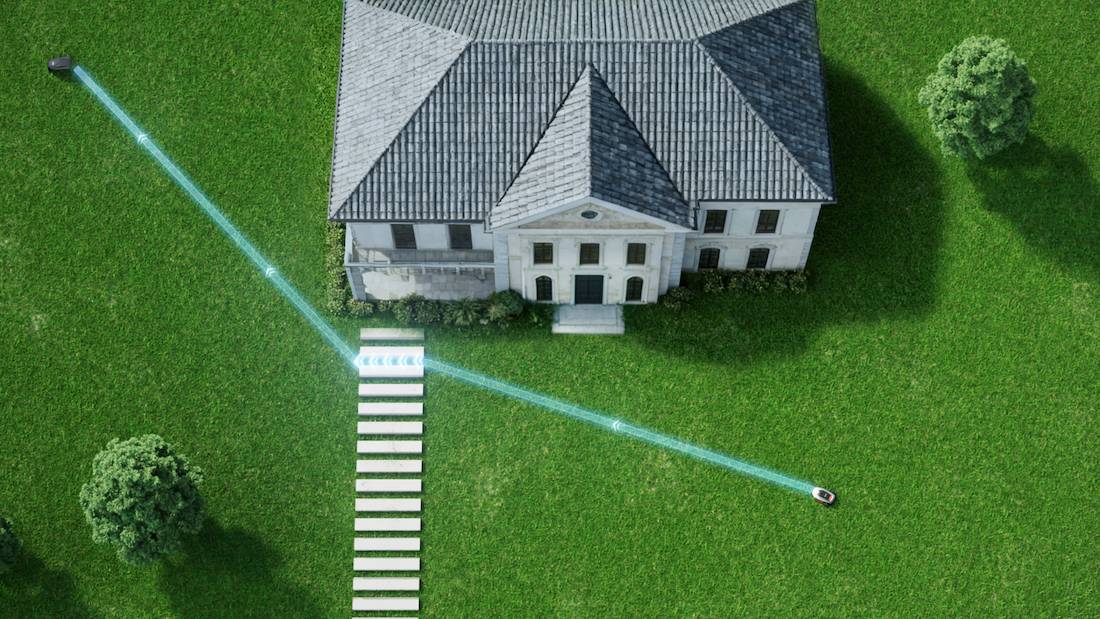
There is no single national law that governs driving or parking on a front lawn. The rules come from local municipal ordinances, HOA agreements, and general property law, and they vary significantly by location.
Municipal ordinances. Many cities and municipalities explicitly prohibit parking vehicles on unpaved front yards. Some local codes state that no vehicle may be parked in the front yard of any residential property unless on a paved driveway or approved hard surface. These rules vary widely by location. Check your local city or county code for the specific regulations that apply to your area.
HOA restrictions. Homeowners in communities with a homeowners association face an additional layer of rules. HOAs often restrict where vehicles can park on a property to maintain neighborhood appearance and protect property values. These rules may be stricter than local ordinances, and violations can result in fines.
Your own property vs. someone else's. If a truck drives onto your lawn without permission, that can constitute trespassing on private property, regardless of local parking ordinances. The property owner has the legal right to control vehicle access, and unauthorized entry, even a brief crossing, can support a claim for trespass and any resulting damage.
Temporary exceptions. Most ordinances allow temporary exemptions for moving trucks, emergency vehicles, and construction vehicles actively working on the property. These exemptions are usually time-limited and may require notification or a permit depending on the municipality.
The safest approach: check your city's ordinances and HOA rules before allowing any vehicle onto your front lawn, even for a short time.
The physical damage from a truck on a lawn can range from minor to serious depending on soil conditions and moisture levels.
Soil compaction. A truck's weight compresses soil particles together, reducing the air pockets that grass roots depend on. Compacted soil drains poorly and becomes harder for roots to penetrate. A single pass on wet ground can compact soil several inches deep. Recovery without mechanical aeration can take months.
Ruts and surface damage. Tire tracks leave visible depressions. On soft or wet soil these can be deep enough to affect drainage and create pooling. Filling and reseeding ruts often leaves visible repairs for a full growing season.
Underground utility damage. Irrigation lines, electrical conduit, and drainage pipes typically run within the top 6–12 in of soil. A heavy truck can crack pipes, break conduit, or sever cables. Repair costs for underground utilities can significantly exceed surface grass repairs.
Grass death. Grass crowns crushed by heavy weight, especially on hot or dry days, may not recover. Affected areas require reseeding or sodding.
There are situations where temporary vehicle access to a lawn is accepted, expected, or permitted by local code.
Construction and renovation work. Contractors often need to access areas of a property that aren't reachable by driveway. Most municipal ordinances include exemptions for construction vehicles actively working on a project. Plywood or ground protection boards can be laid down to minimize damage.
Moving and delivery. Large moving trucks occasionally need to cross a lawn strip to reach a driveway or make a turn. Most ordinances allow brief temporary access for moving purposes. Document the condition of your lawn before and after to support any damage claim.
Emergency vehicles. Emergency access overrides typical vehicle restrictions. Fire trucks or utility vehicles responding to an emergency cannot be held to standard parking rules.
Owner permission. A property owner can grant permission for a vehicle to access their lawn. Permission doesn't eliminate the risk of physical damage, but it does resolve the legal trespass question.
Prevention is significantly easier than repair.
Physical barriers. Landscape edging, low fencing, decorative boulders, or bollards along the lawn edge signal where vehicles shouldn't go and physically discourage crossings. Even a modest barrier is more effective than signage alone.
Signage. Polite signage near the curb or driveway edge can deter delivery drivers and contractors who might otherwise cut across the corner out of habit. Combine with a physical marker for best results.
Communication with contractors and neighbors. If construction is happening nearby, speak directly with the site foreman about keeping equipment off your lawn. Most contractors will cooperate if asked before the problem starts rather than after.
Legal options for repeat trespassing. If vehicles repeatedly cross your lawn without permission, contact your local code enforcement office or non-emergency police line. Documenting each incident with photos, dates, and times strengthens any formal complaint or civil claim for damages.
Heavy trucks can compact the soil, flatten grass, and leave deep ruts that prevent water and air from reaching the roots. To revive a lawn, start by removing debris and checking the area for damaged irrigation lines. If the ground is still wet, wait until it dries slightly before working, as walking on saturated soil can cause more compaction.
Loosen the affected soil with a garden fork or core aerator, working 4–6 inches deep. Fill deep tire tracks with a mixture of screened topsoil and compost, then level the surface with a rake. For lightly damaged areas, the existing grass may recover after aeration, watering, and a light application of fertilizer.
Where grass has been torn away, spread seed suited to your lawn type, cover it with a thin layer of soil, and keep the area consistently moist. Avoid mowing until the new grass reaches about 3–4 inches, and keep vehicles off the lawn while the roots become established.
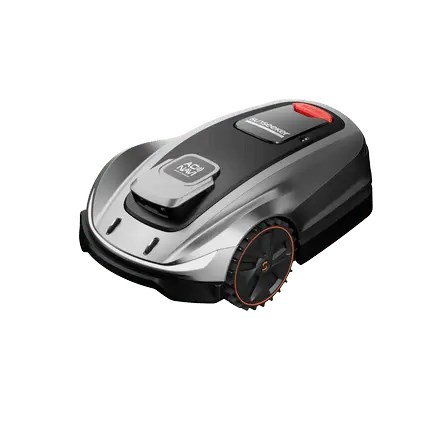
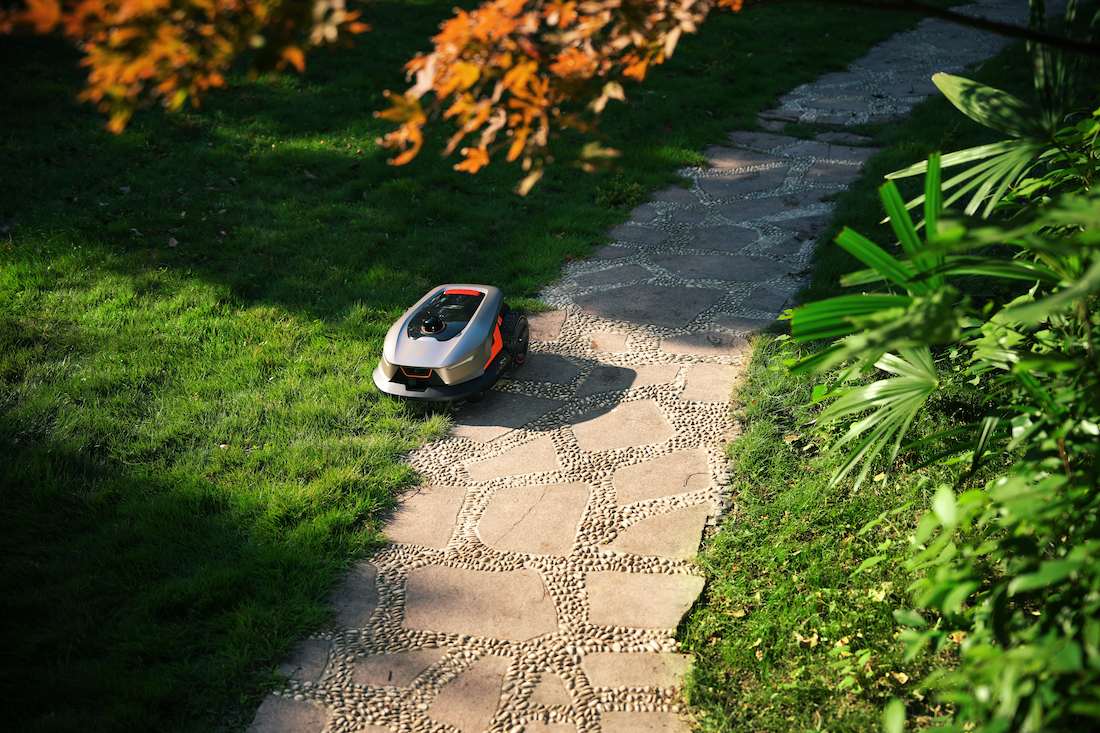
Repaired ruts and reseeded sections need protection while their roots are still shallow, but established parts of the lawn may still require regular mowing. A robot lawn mower can maintain these unaffected areas without disturbing the repair work.
The Sunseeker Elite X4 uses virtual boundaries to avoid recovering patches, while multi-zone management keeps mowing confined to healthy turf and away from soft soil or young grass.
Driving a truck onto a front lawn sits in a legal gray area that depends heavily on local ordinances, HOA rules, and whether the property owner has given permission. Most cities restrict or prohibit parking on unpaved front yards, and unauthorized access can constitute trespassing. The physical damage (compaction, ruts, utility line breaks, and dead grass) can be costly regardless of the legal outcome. Whether you're trying to prevent access, recover from damage, or understand your rights, knowing the local rules and documenting conditions before and after any truck access are the most practical steps a homeowner can take.
Physically, yes. Legally, it depends on local ordinances, whether it's your property, and why the truck is there. Many municipalities prohibit parking on unpaved front yards. Even on your own property, HOA rules may restrict vehicle access to paved areas. Driving briefly across a lawn (to turn around or access a driveway) is a different situation from parking, but repeated access or damage can still create legal and neighbor issues.
It depends on where you live. Many cities and municipalities explicitly prohibit parking in front yards except on paved driveways or approved hard surfaces. HOAs often add further restrictions. Check your local municipal code and any HOA rules that apply to your property before parking on grass regularly. Even where it's legal, the physical damage to soil and turf from regular vehicle weight is worth considering.
Start with a direct, calm conversation if the relationship allows it. Physical barriers (boulders, bollards, edging, or low fencing) are the most reliable long-term solution. Polite signage near the curb adds a visible cue. If the issue persists, contact your local code enforcement office and document each incident with photos and dates. In cases of repeated damage, a civil claim against the responsible party is an option, supported by your documentation and repair cost estimates.