



FAQs
5/28/2026
Contents
Products
Residential Lawns


Commercial Landscapes
Explore
Where to Buy


Knowing when to stop mowing is just as important as knowing when to start. Grass doesn't shut off the moment temperatures drop. It keeps growing, just more slowly. Getting the timing and final cut height right sets your lawn up for a healthier recovery in spring.
Most homeowners stop mowing when the grass looks like it's stopped growing. That's not always the right call. When to stop mowing the lawn depends on what's happening at soil level, not just what you can see on the surface. Getting this wrong can affect how well your lawn comes back in spring.
The general rule is simple: keep mowing as long as the grass is still growing. For most cool-season grasses like Kentucky bluegrass, tall fescue, and ryegrass, that can mean mowing well into October and sometimes November. If you're looking for a rough timeframe, stopping about one to two weeks before the first expected frost in your area is a reasonable target for most lawns.
That said, soil temperature is a more reliable signal than the calendar. When it drops below 50°F (10°C), grass growth slows sharply and stops almost entirely around 40°F (4°C). Mowing after that point stresses the plant when it's least able to recover and can damage crowns that are already entering dormancy.
Rather than picking a date and sticking to it, watching the lawn itself gives you a more accurate read. The signs below tell you when when should you stop mowing your lawn is getting close.
On top of watching these signs, some conditions are best avoided regardless of where the season is at. When not to mow lawn: skip frosty mornings, waterlogged ground after heavy rain, and any time the mower would compact soil that's already soft from autumn moisture.
Even with the signs above as a guide, when stop mowing lawn isn't the same answer for every yard. A few variables can shift the timing by several weeks in either direction.
Grass type. Cool-season grasses stay active longer into fall than warm-season varieties. Bermuda grass and zoysia go dormant earlier, often by mid-October, while tall fescue may still be growing in November.
Climate and region. In the northern areas, the last mow often happens in October. In the South and transition zones, how late can you mow your lawn in the fall can stretch into December for warm-season grasses. If you're wondering what is the best time to mow lawn in late fall, choose a dry day after the morning dew has evaporated and before temperatures drop sharply.
Rainfall and shade. A wet autumn keeps grass growing longer. Shaded areas also stay greener longer than exposed sunny patches, so different parts of the yard may wind down at different times.
Lawn health. A well-fertilized lawn, especially one that received a fall nitrogen application, stays active longer than a nutrient-depleted one.
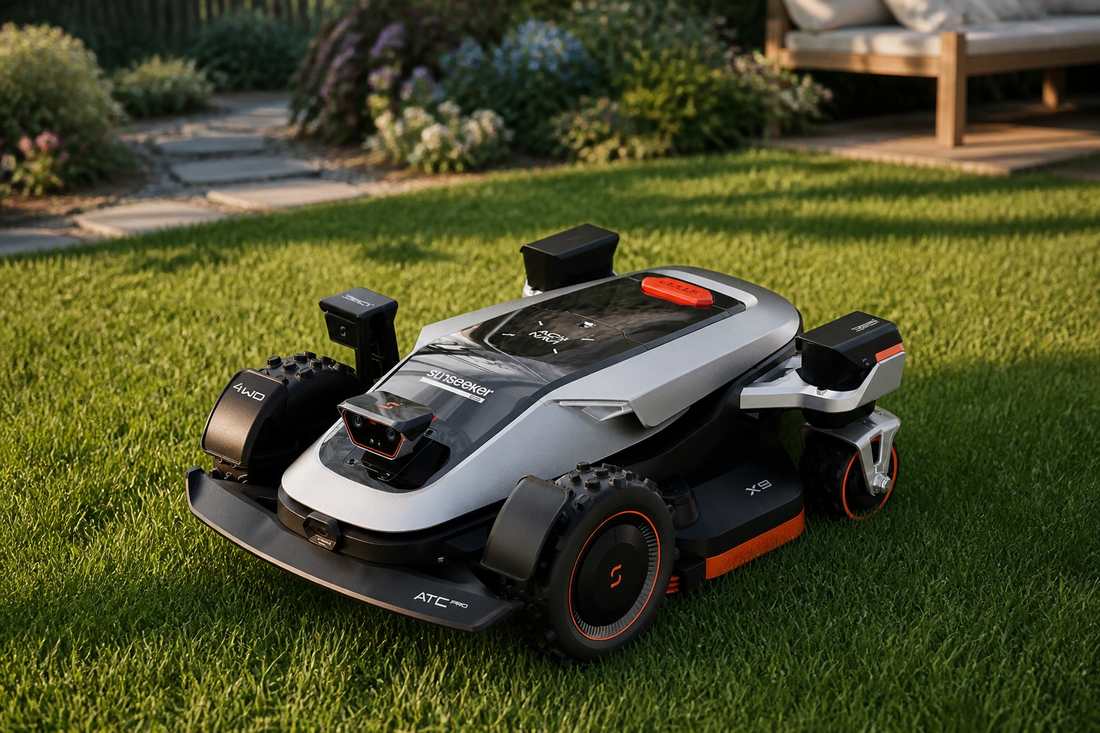
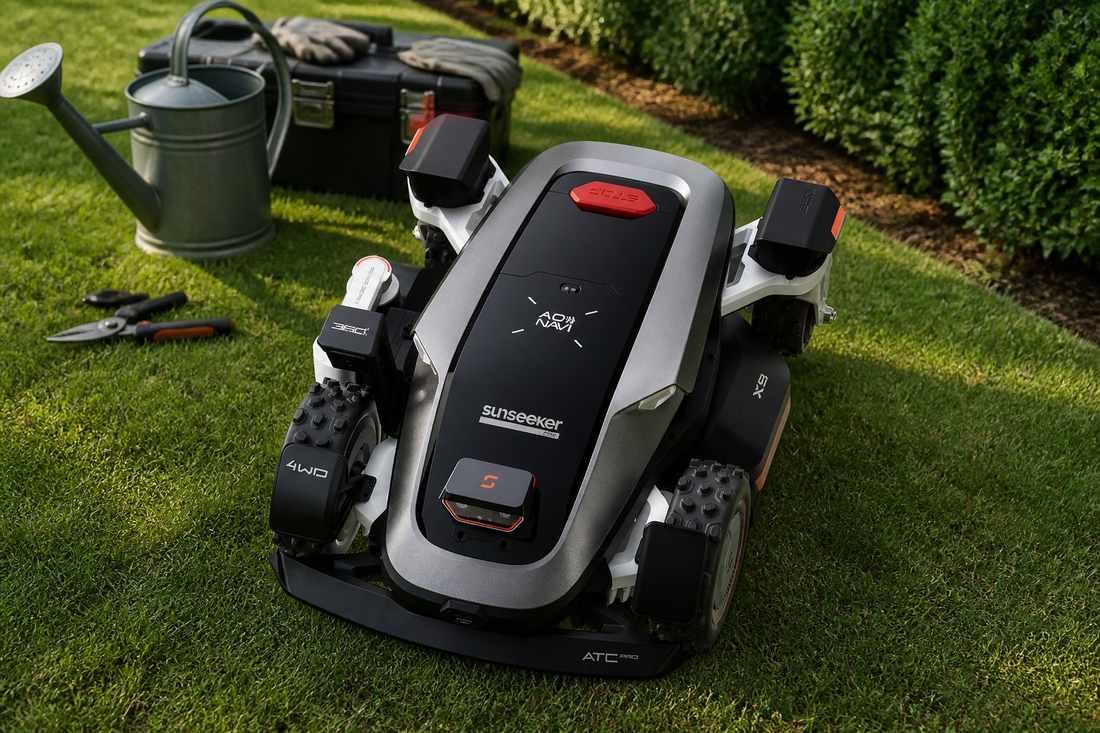
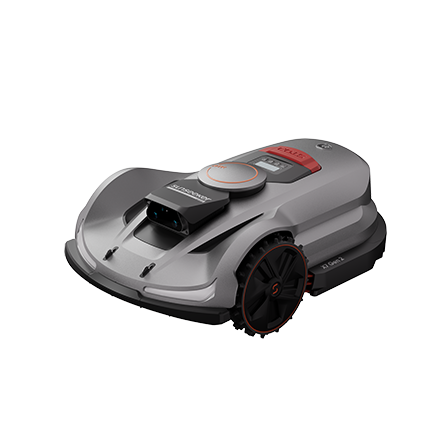
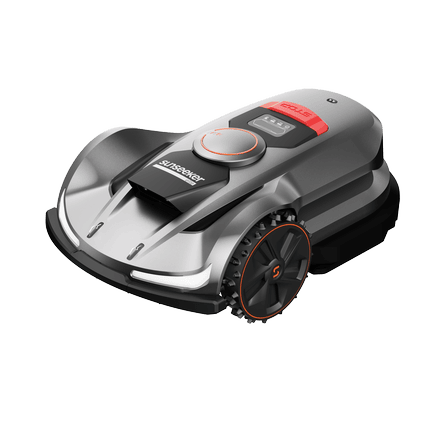
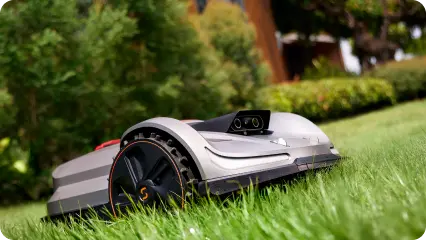
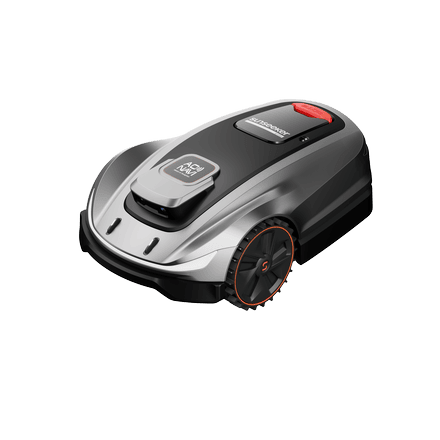
All of these variables shift the timing in ways that can be hard to predict week to week. The Sunseeker Elite X5 takes a lot of that management off your plate. It maps your lawn automatically using AONavi™, which combines RTK-GNSS satellite positioning and VSLAM visual technology for centimeter-level accuracy. Vision AI handles obstacle detection, and an independent front suspension keeps it stable across uneven ground. Set a schedule in the app and it mows on its own, covering yards up to about 2,000 m².

When do you stop mowing the lawn, the height you leave it at matters just as much as the timing. Too long and the grass mats under snow, trapping moisture and creating the right conditions for snow mold, a fungal disease that can damage your lawn over winter. Too short and the plant heads into dormancy stressed, with less energy stored in the roots.
|
Grass Type |
Recommended Final Height |
|
Kentucky Bluegrass |
3.8 cm |
|
Tall Fescue |
5 cm |
|
Ryegrass |
3.8 cm |
|
Bermuda Grass |
2.5 cm |
|
Zoysia Grass |
2.5 to 3.8 cm |
If the grass has gotten longer than the target height, don't try to reach it in one cut. An important part of learning how to mow a lawn before winter is lowering the blade gradually over two or three sessions to avoid scalping.
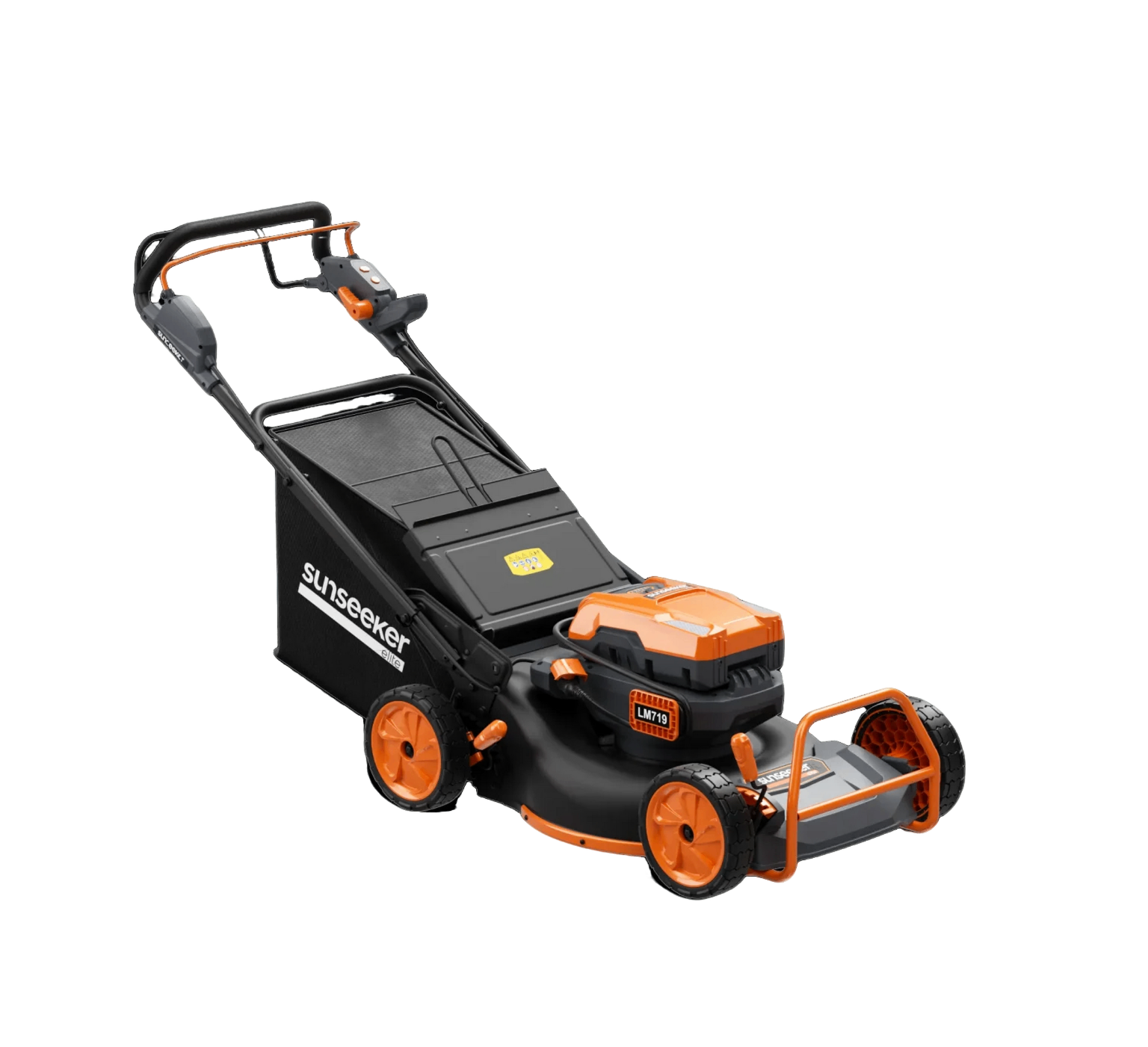
Having a mower with a wide cutting height range makes hitting that final target much easier. The lawn mower from Sunseeker Elite offers 7 height settings from 1.0 in to 3.50 in, so you can step down gradually without guesswork. It runs on a 60V system with a 560 mm dual-blade deck and noise at or below 98 dB(A).
The last mow is part of a broader end-of-season routine, and when should I stop mowing my lawn is really just one item on a short checklist. Taking care of the rest now means the lawn comes back in better shape next spring.
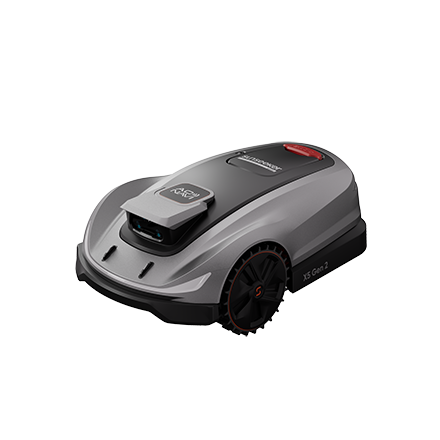
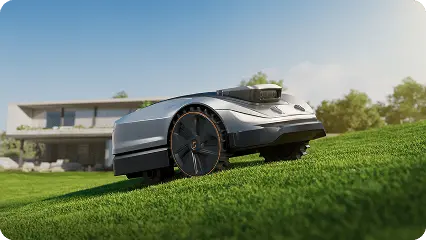
For homeowners who'd rather not manage the fall mowing schedule at all, the Sunseeker Elite X7/X7 Plus handles it automatically. It covers yards up to about 6,000 m², handles slopes up to 70% (35°) with its AWD system, and uses AONavi™ with Vision AI to detect over 200 types of obstacles. Set a schedule once and it adjusts through the season without any input needed.

When to stop mowing lawn before winter comes down to reading the grass, not the calendar. Keep mowing while growth is active, aim for the right final height for your grass type, and finish the season with the rest of the care checklist. A lawn that goes into winter properly mowed, aerated, and fertilized comes back faster and in better condition in spring.
For most cool-season lawns, the last mow falls in October or early November. Warm-season grasses in the South may stop growing earlier, around September or October. When to stop mowing lawn in fall depends more on soil temperature than the month. Once soil drops below 50°F (10°C), it's usually time to wind down.
Not at all. For cool-season grasses, October is often when the final mowing decisions are made. The grass may still be growing, and stopping too early can leave it too long going into winter, raising the risk of snow mold and fungal disease. When should you stop mowing your lawn before winter is about grass behavior, not the calendar.
Slightly shorter is better, but not drastically so. Long grass creates conditions for snow mold and matting. Too short stresses the plant going into dormancy. Aim for the recommended final height for your grass type, generally 3.8 cm to 5 cm for most cool-season varieties, and reach it gradually over the last two or three sessions.