



FAQs
4/22/2026
Contents
Products
Residential Lawns








Commercial Landscapes
Explore
Where to Buy


Proper lawn mowing combines preparation, technique, and maintenance. Dry grass, correct cutting height, sharp blades, varied patterns, and edged borders produce cleaner, healthier results. Consistent schedules, attention to season, fertilization, and optional robotic mowing ensure even growth. Small upkeep steps like cleaning the deck and checking wheels make a noticeable difference over time.
Whether you're tackling your lawn for the first time or just looking to get better results, knowing how to mow a lawn properly makes the whole process quicker and the outcome noticeably cleaner. The basics are straightforward, but a few details, like cutting height, mowing pattern, and timing, make a bigger difference than most people expect.
This guide walks you through the full process step by step, covers the mistakes worth avoiding, and includes a few tips that take your lawn from tidy to genuinely well-kept.

Maintaining a healthy, even lawn starts with proper mowing technique that protects grass and improves appearance. Follow these practical steps to achieve clean, consistent results every time.
Mowing dry grass gives you a cleaner cut and less cleanup. If there's still morning dew on the lawn or it rained recently, waiting a few hours makes a noticeable difference. Wet grass bends instead of cutting cleanly, clumps on the surface, and can contribute to fungal issues over time.
Also take a quick walk across the lawn before you start. Clear any sticks, stones, or debris that could catch the blade or become a projectile.
This is one of the most important decisions you make before each mow. Cutting too short, anything under 6.5 to 7.5 cm for most grass types, stresses the turf, exposes the soil to heat, and encourages weeds. Cutting too long leaves a messy, uneven result.
A good rule of thumb is the one-third rule: never remove more than one-third of the grass blade in a single session. If your lawn has gotten long, it's better to mow twice at a higher setting than to scalp it in one pass.
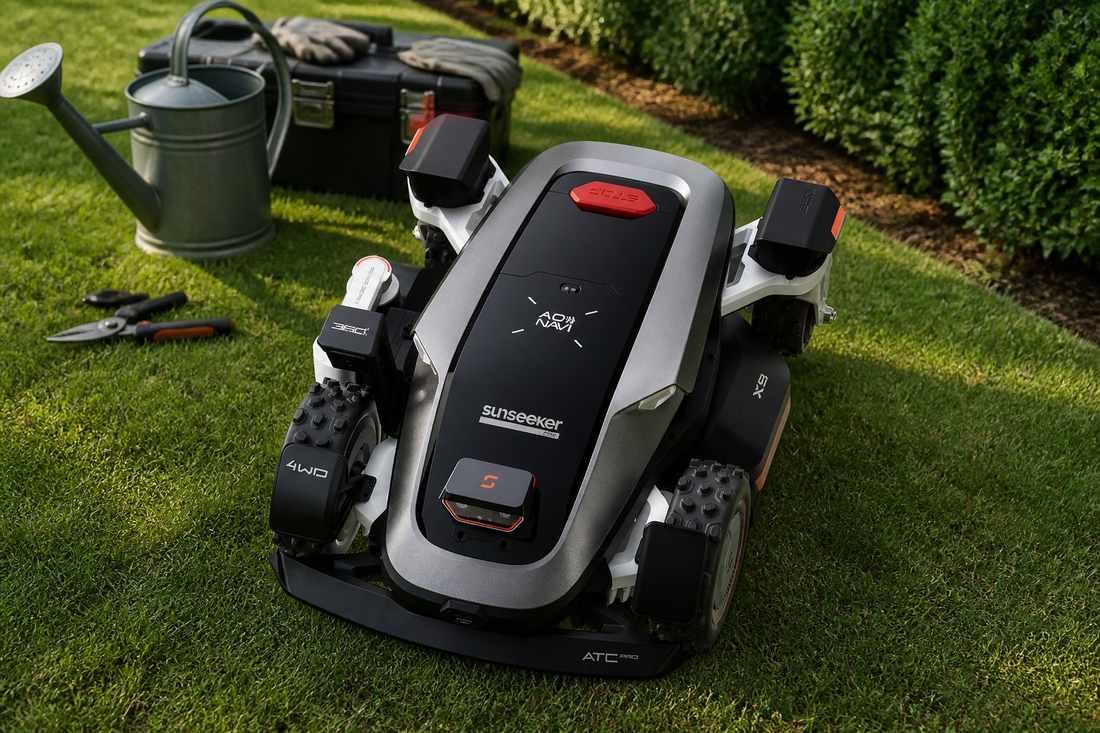
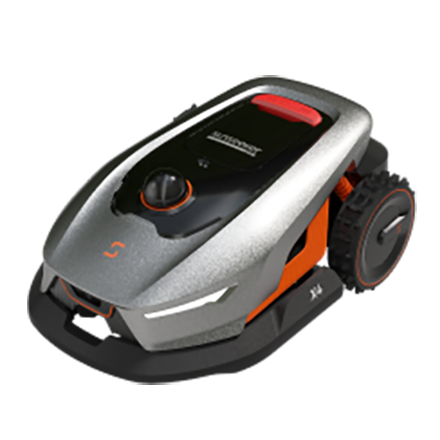
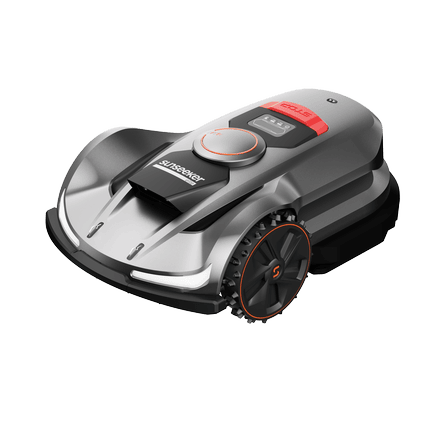
To make this easier to manage, a robotic mower like the Sunseeker Elite X4 can help maintain a consistent cutting height through regular, scheduled mowing. With precise navigation and planned paths, it trims small amounts each time, which naturally keeps the lawn within the right height range and avoids sudden, heavy cuts.
Most lawns do well being mowed when the grass reaches around 9 to 10 cm, cutting it back to roughly 6.5 to 7.5 cm. Mowing on a consistent schedule, rather than waiting until it looks overgrown, makes each session easier and keeps the lawn healthier over time.
Running your mowing lines in the same direction every time compresses the grass in one direction and can leave tracks over time. Alternating your pattern, switching between vertical, horizontal, and diagonal passes across different sessions, helps the grass grow more upright and evenly.
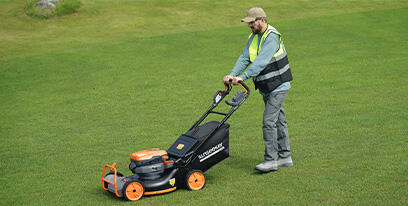
For most home lawns, mowing in straight parallel lines gives the cleanest visual result. Starting from the perimeter and working inward is an easy way to keep track of where you've been.
Leaving a few cm of overlap between each mowing pass ensures you don't miss strips of grass. This is especially noticeable near borders and edges, where a small missed strip stands out once the rest of the lawn is cut.
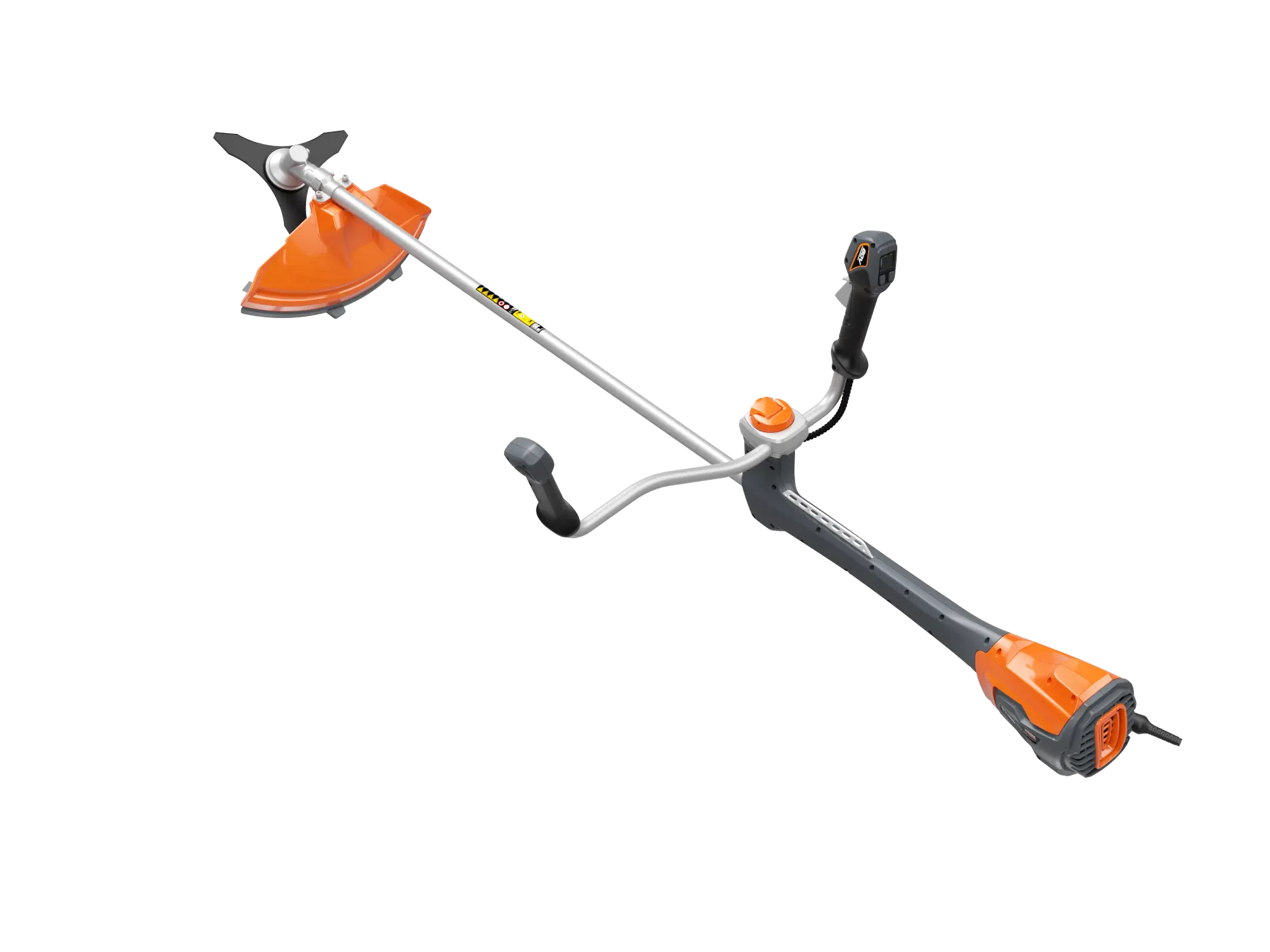
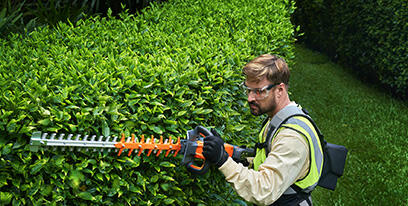
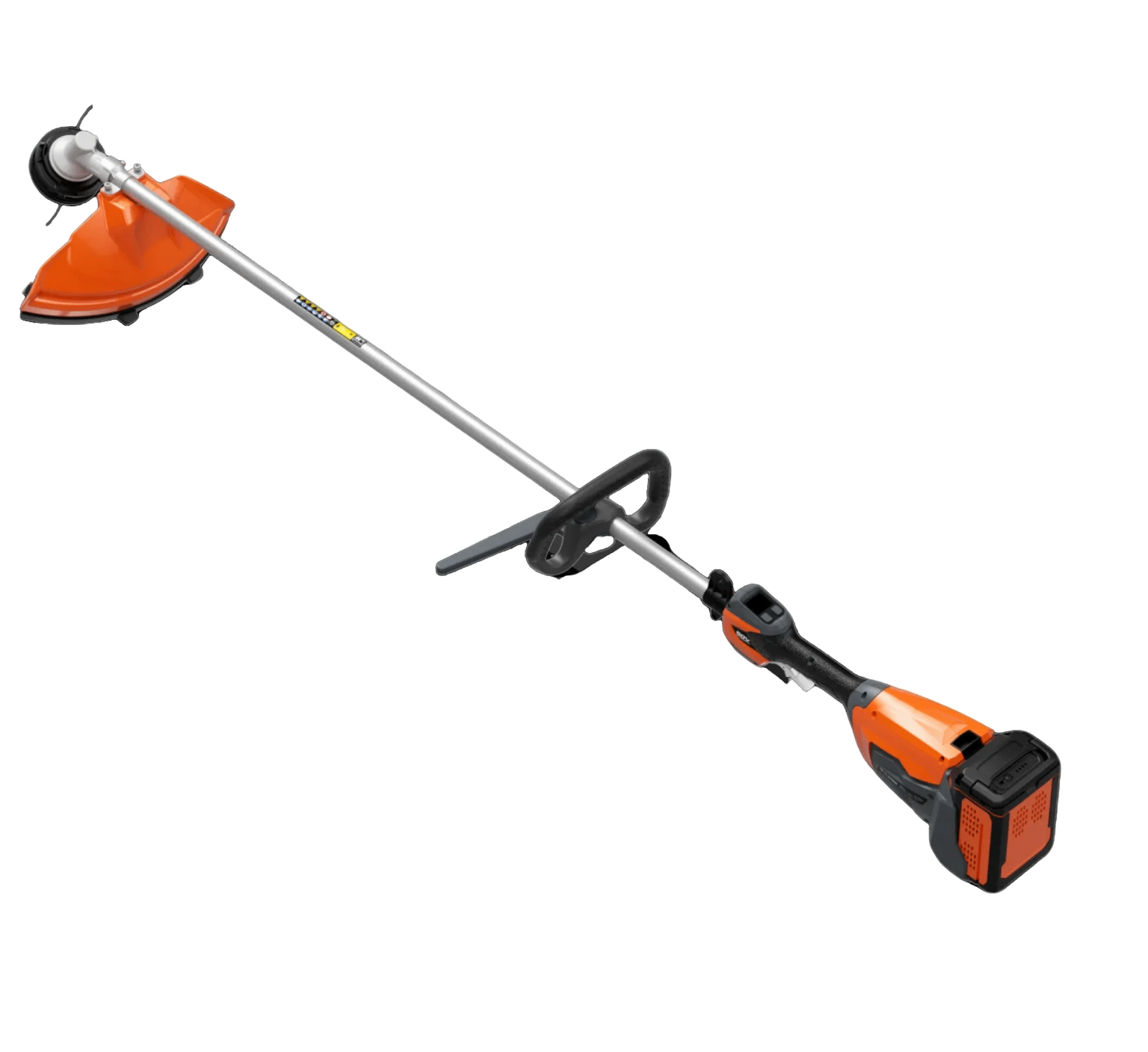
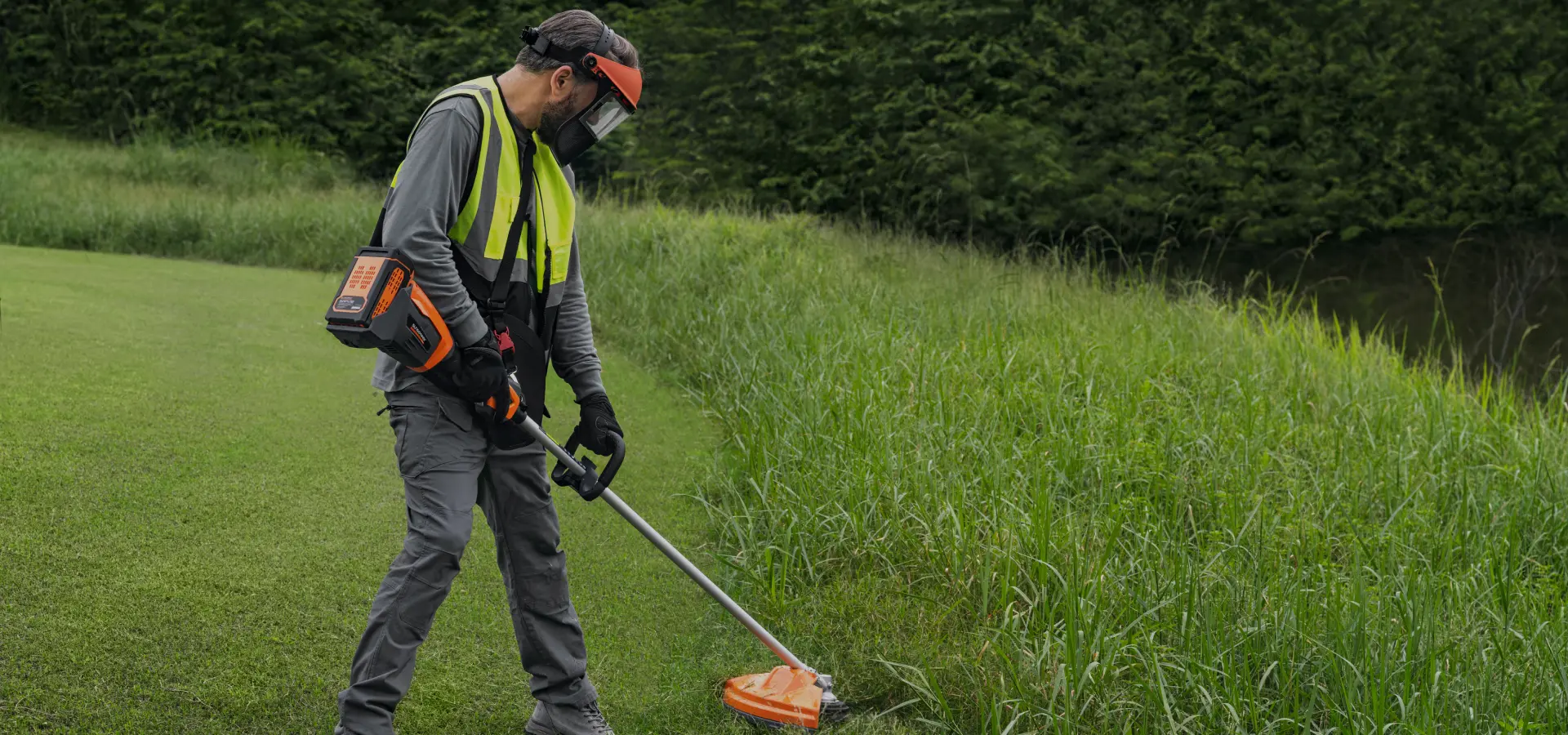
The mower handles the open lawn, but the edges along paths, flower beds, and fences need a trimmer or edger to look finished. Running the trimmer after mowing gives you a clean reference line from the freshly cut lawn to work against.
Short clippings from a regular mow can be left on the lawn as a light natural fertilizer. If the grass was long and the clippings are clumping in thick mats, it's better to collect or disperse them so they don't block light and moisture from reaching the turf.

Most lawn problems that build up over a season trace back to a few repeated habits. Here's what tends to cause the most damage quietly.
Scalping the lawn is the most common mistake. Grass cut too short loses its ability to shade the soil, which dries it out faster and gives weeds a foothold. If you've been cutting short for a while and the lawn looks patchy or thin, raising your cutting height and sticking with it for a full season usually brings it back.
A sharp blade cuts cleanly. A dull blade tears the grass, leaving ragged tips that turn brown and make the lawn look stressed even after a fresh cut. Blades are worth sharpening at least once a season, more often if you're mowing frequently or have a larger lawn.
Grass leans in the direction it gets cut. Mowing the same pattern every session trains the grass to grow at an angle and can create visible ruts over time. Rotating your pattern every few mows is one of the simplest lawn mowing tips for beginners that makes a real visual difference.
Occasional wet mowing isn’t a big issue, but doing it often leads to compaction, uneven cuts, and a higher chance of fungal problems. Wet clippings also stick to the mower and the lawn, affecting both performance and appearance. Waiting until the grass is dry gives a cleaner cut and helps protect the overall health of your lawn.
Mowing the main lawn but leaving ragged borders gives the whole yard an unfinished look. The edges and transitions are what people notice first, so including a trimmer pass in your routine makes the whole result look more deliberate.
Getting from a tidy lawn to a great-looking one usually comes down to a few details that are easy to overlook.
Mow in the evening or early morning.
If you're wondering what is the best time to mow lawn areas, early morning after the dew has dried or early evening is generally ideal. The middle of the day in summer is the hardest time for freshly cut grass, which loses moisture quickly in heat and direct sun. Mowing when temperatures are cooler gives the lawn time to recover before the next hot part of the day.
Keep your mowing height slightly higher in summer.
Taller grass shades the soil, holds moisture better, and handles heat stress more easily. Dropping your cutting height in cooler months is fine, but raising it back up in summer is grass cutting advice that makes a real difference to how the lawn looks through the hottest part of the year.
Fertilize on a schedule, not just when the lawn looks bad.
A well-fed lawn grows more evenly, recovers from mowing faster, and is more resistant to weeds and disease. The timing and type of fertilizer depend on your grass variety and climate, but a consistent schedule beats reactive feeding every time.
Consider a robotic mower for consistency.
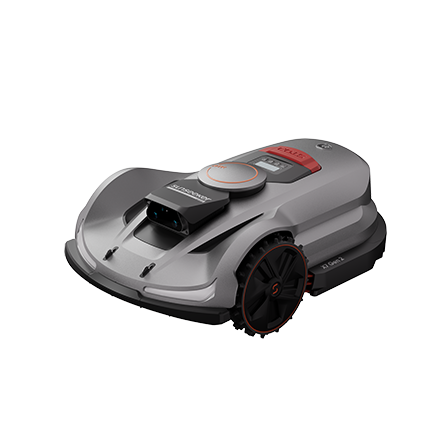
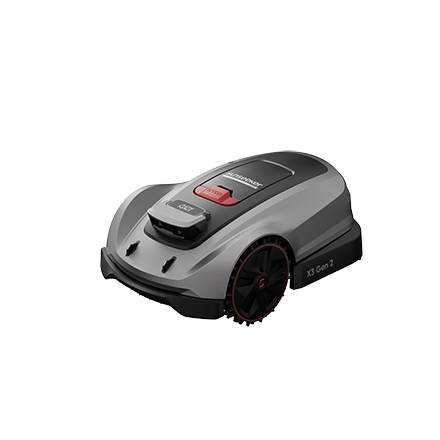
When deciding how often to mow lawn areas, focus on the grass growth rate rather than following a fixed schedule. One of the reasons professionally maintained lawns look so even is that they get mowed frequently, at a consistent height, in varying patterns. A robotic mower handles that automatically. The Sunseeker Elite X7 Plus Gen 2 is worth a look if you want that level of consistency without the time commitment. It navigates the lawn on its own schedule, adjusts to terrain, and keeps the cut regular in a way that's hard to replicate manually.
Don't overlook the mower itself.
Clean the deck after each session, check the blade regularly, and make sure the wheels are at the same height setting on both sides. Small maintenance habits keep the results consistent and extend the life of the machine.
Now you know how to properly mow a lawn. Just pay attention to the right cutting height, a sharp blade, varied patterns, and clean edges. None of it is complicated, but skipping any one of these regularly shows up over time in how the lawn looks and recovers. Get the basics right, add a couple of the pro habits, and most home lawns can look genuinely well-kept without a lot of extra effort.
The most important things to get right early are cutting height and timing. Set your deck to remove no more than one-third of the grass blade in a single session, mow when the grass is dry, and clear the lawn of debris before you start. Alternating your mowing direction each session also helps the grass grow more evenly. Start with these basics and the rest becomes easier to build on.
For most common grass types, a cutting height of 6.5 to 7.5 cm is a reasonable target. Going shorter than this stresses the turf, exposes the soil, and gives weeds more opportunity to establish. In summer, slightly higher is better, around 8 to 9 cm, since taller grass handles heat stress more easily and holds soil moisture better.
Slower tends to give a cleaner result, particularly on uneven ground or when the grass is a little longer than usual. Moving too quickly can cause the mower to miss patches or produce an uneven cut, especially around borders and slopes. That said, on a flat, well-maintained lawn with a sharp blade, a steady moderate pace works fine. What is the best way to mow your lawn consistently is to match your speed to the conditions rather than using the same pace every time.
Leaving short clippings on the lawn is generally fine and adds a small amount of nitrogen back to the soil. If the clippings are long or clumping in thick mats, collecting or dispersing them is better, since dense clumps block light and can contribute to fungal conditions. The proper way to mow a lawn when growth has gotten ahead of schedule is to bag the clippings that first session and leave them on subsequent regular mows.