





FAQs
4/30/2026
Contents
Products
Residential Lawns





Commercial Landscapes
Explore
Where to Buy


Mid-morning is usually the safest time to mow because dew has dried, the grass stands upright, and the day is not too hot yet. Late afternoon can also work if the lawn is dry and still has time to recover before night. Wet grass, midday heat, and mowing near dark can leave the lawn stressed, torn, or more open to disease.
You might find your lawn looking yellow and stressed just two days after a fresh cut. Before blaming the fertilizer or your grass type, look at your watch. Finding the best time to mow lawn avoids ragged edges and fungal issues that give a lawn a patchy look.

The best time of day to mow lawn is mid-morning, between the hours of 8 a.m. and 10 a.m. The dew will have dried and the grass will be standing up so the lawn mower makes a clean cut and not a ragged tear. The heat of the day hasn’t developed so the plants won’t be stressed and the tips of the leaf won’t be singed.
If you don't have time to cut the grass in the mornings, then the late afternoon is also a good time (between 4 p.m. and 6 p.m.). This time period is after the heat of the day has passed and will help reduce stress on the grass. In addition, the grass will get a few hours of sunlight after being cut and before darkness, which will help the grass seal up the cut and decrease the chance of disease.
If you want to keep your lawn in peak condition, it's important to know that some times of day are better for yard work than others. Here is a list of times when you shouldn't start your mower.
Early Morning (Before 8 a.m.)
There is still heavy dew on the grass blade; when you cut wet grass, it tears instead of cuts cleanly. The soggy soil under the grass can compact underneath the weight of the mower, and even a small mowing implement can leave permanent clay ruts. The same applies to grass clippings: when cut wet, they clump together and smother the healthy grass beneath them.
Midday (10 a.m. to 2 p.m.)
This is when the temperature is the hottest. If you mow a heat-stressed lawn, the mower's tires will crush the fragile grass, leaving brown, dead trails across the yard, causing an effect similar to what the herbicide Roundup would do.
Evening (After 6 p.m.)
Mowing close to dark does not give the grass time to heal. Without sunlight to dry the wet tips, they will remain moist overnight, making them susceptible to fungal diseases such as dollar spot.
To keep your lawn looking its best all year long, you'll need to adjust your care routine as the seasons change. The following guidelines explain how to mow a lawn throughout the year without placing unnecessary stress on the grass.
Begin to mow the lawn when soil temperatures reach 12–15°C and the grass is actively growing. Use a slightly higher cutting depth during the first mowing sessions to allow the grass time to adapt. When deciding how often to mow lawn in spring, a weekly schedule is usually suitable during active growth, although fast-growing grass may need cutting every five to seven days.
When determining the best time to mow lawn in summer, aim for the mid-morning or early evening to minimize stress on the grass, making these periods the best time of day to mow lawn in hot weather. Raise the deck height of your mower so that the grass is cut longer. Cutting the grass too short exposes the soil to direct sunlight and heat, adversely affecting the establishment of the plant roots. In hot temperatures, when grass plant growth rate decreases, mow less often than you normally do.
Cool-season grasses like fescue, bluegrass, and ryegrass will begin to enter into semi-dormancy and will not grow as quickly as they usually do. Try to keep mowing during the mid-morning or early evening to help avoid excessive sunlight during the hottest times of day.
As the weather cools, the grass will begin to prepare for winter by storing energy. It's a good idea to continue mowing until it stops growing to reduce the risk of snow mold and winter pest issues.
In most regions, top growth stops in late fall or early winter, and mowing can stop with it. If you do mow late in the season, make sure the soil isn't frozen and the grass is dry to avoid damaging the turf. In warmer areas, you may still need to cut every few weeks if grass keeps growing into December.
Keeping your grass thick, green, and safe from disease and weeds requires more than just knowing when to mow.
Do not remove more than one-third of the grass height; cutting too deeply may shock the root systems and therefore minimize its heat tolerance.
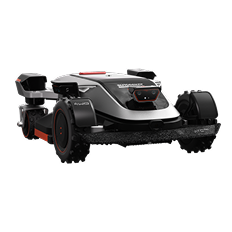
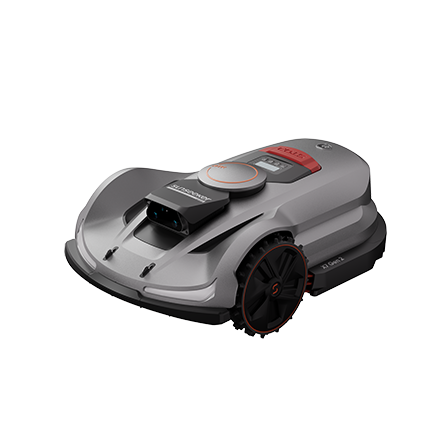
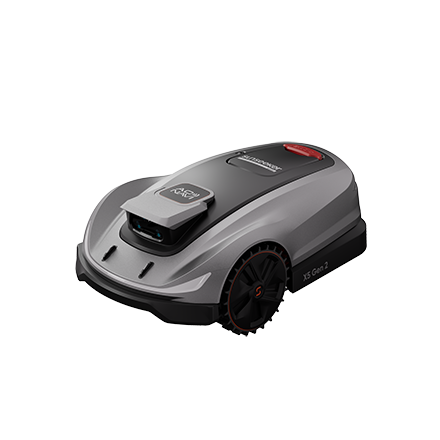
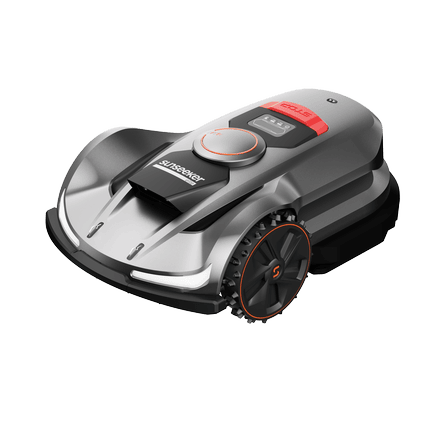
Don’t mow every Saturday in the same location and direction. Alternate directions among vertical, horizontal, and diagonal cuts. This prevents the grass from leaning too much in any one direction and further prevents your wheels from making permanent trenches. For complete automation of your lawn care routine, intelligent robotics such as the Sunseeker Elite X5 Gen 2 can change mowing paths and angle for you without any manual intervention because they have an intelligent algorithm that knows when to change while mowing.
Dull blades will not slice the grass, but will tend to tear it, leaving the edges ragged. Such edges often turn yellow and invite infection. So, do have your blades sharpened at least once a year.
The quicker they break down, the more nitrogen they will add back to the soil, as natural fertilizer. Bag any clippings only in cases where clippings were cut too long, and thereby remain in a clump.

An attractive lawn does not come from expensive fertilizers or "miracle in a bag" type products but rather from finding the best time to mow lawn. Additionally, remember to change your direction every week while mowing. These habits require no additional cost. If you work with the grass's natural cycles, you will see better results than any combination of fertilizer could ever achieve.
Yes. 7 pm is too close to sunset. After your lawn is mowed, it needs at least two hours of sunlight to start to heal itself. If the tops of the grass are wet during the night (ending around 6:30 pm) there is chance of fungus or other lawn diseases. If you have to mow anywhere close to dark (after 6 pm), please ensure your lawn has at least two hours to recover before the sun goes down.
No, October is an excellent time to mow, especially cool-season grasses that do very well during the cooling fall period. Keep mowing as long as the grass is growing. October is usually good through the end of November. Mowing the grass before winter will help reduce the chance of snow mold and thatch build-up.
You should avoid mowing when the grass is so wet that walking creates a slipping hazard. Wet conditions also compact the soil and leave mower tracks that can remain visible for weeks. If the grass blades are wet when you mow, please wait an hour before attempting to mow again.
When you mow in temperatures over 30°C, this puts stress on the grass, and it causes it to brown and takes longer for it to recover. Cool-season grasses are the most susceptible to heat stress. When the temperatures are above 35°C, the cool-season grasses have already been stressed all summer, therefore, if a heat wave moves through and the temperature is above 35°C, please wait until the temperature drops before mowing.
Please mow only after the grass is dry. When the grass is wet, the mower blade tears the grass instead of cutting it cleanly. Furthermore, the weight of the mower will compact the wet soil, potentially leaving ruts that are difficult to repair. If you do not have any option and need to mow the entire yard slightly damp, just raise your mower's height when you mow the grass so there is less stress.