










FAQs
4/28/2026
Contents
Products
Residential Lawns



Commercial Landscapes
Explore
Where to Buy


Lawn mower battery voltage varies by type: most gas-powered riding mowers use 12V lead-acid batteries, while robotic and electric models rely on lithium-ion batteries ranging from 18V to 60V. A fully charged 12V battery reads 12.6–12.8V, and lithium packs typically sit slightly above their nominal rating. Voltage must match manufacturer specifications to avoid damage.
Battery voltage defines how a lawn mower starts, runs, and holds power. A mismatch leads to weak starts or stalled work. This guide answers one core question: what voltage should a new lawn mower battery have? It also explains common voltage types, how to test a battery, and how to choose the right one for your mower. Read on to avoid common mistakes and keep your mower working as expected.

Lawn mower batteries are not universal. Their voltages also vary with the mower type. Below are the voltage breakdowns of two common types.
Most gas-powered riding mowers utilize a 12V lead-acid battery with a capacity often ranging from 18Ah to 35Ah. It is enough to start the engine, power the lights, and operate basic electronics. Some older or compact walk-behind mowers might occasionally use a 6V system, but the 12V standard has dominated the market for decades.
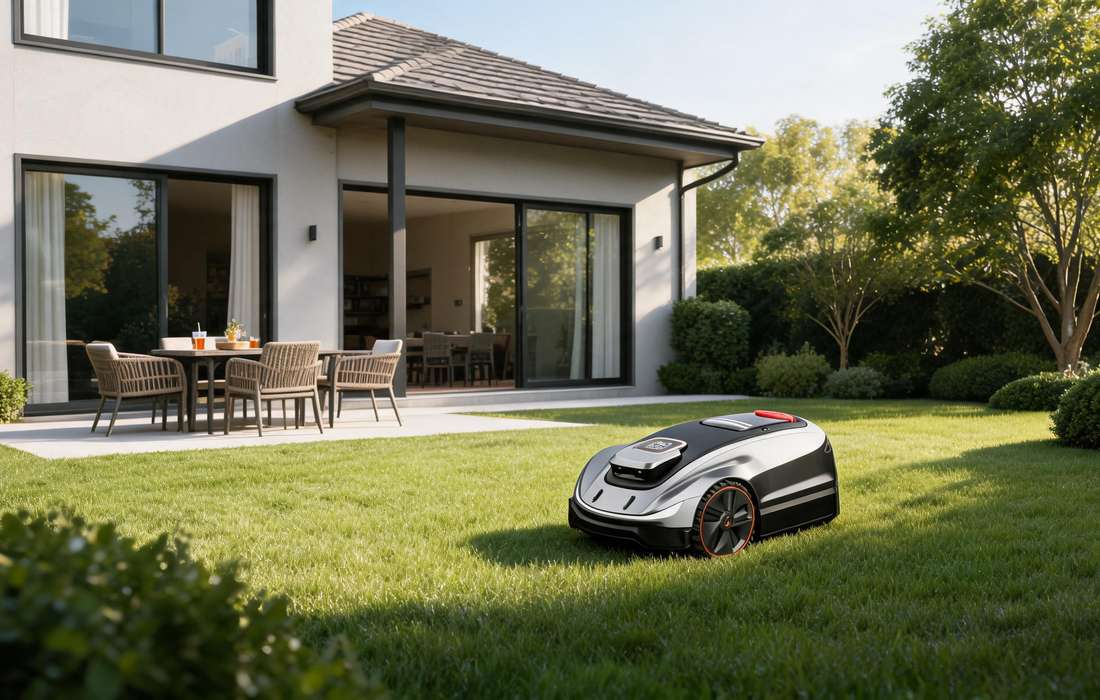
Robotic mowers operate on a different electrical logic. Instead of a high-burst starter, they require sustained, efficient power for autonomous navigation and constant cutting. These machines typically use lithium-ion batteries, and the voltage varies more widely. It often falls into the following range:
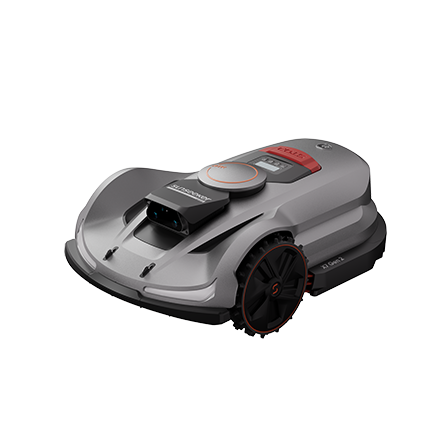
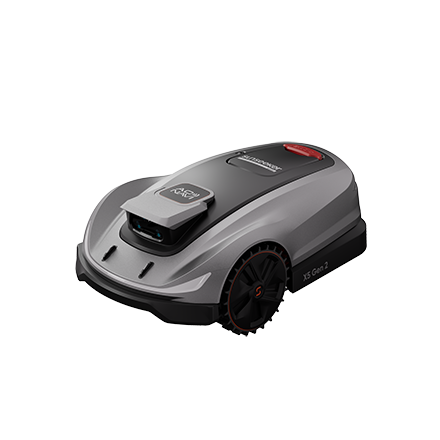
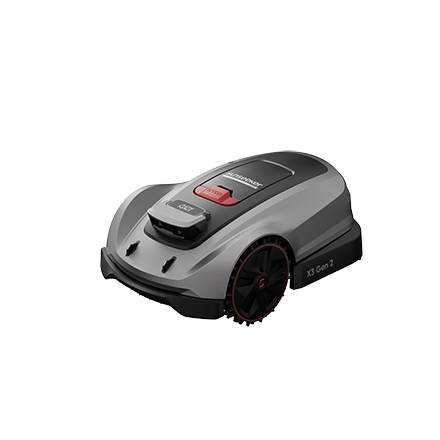
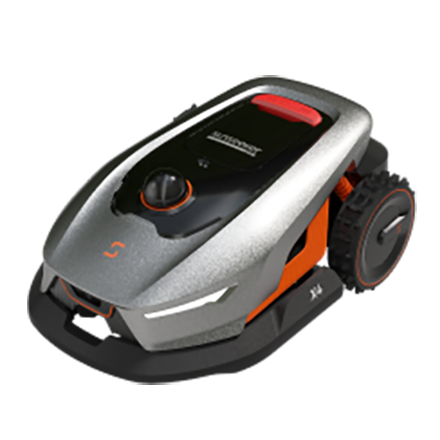
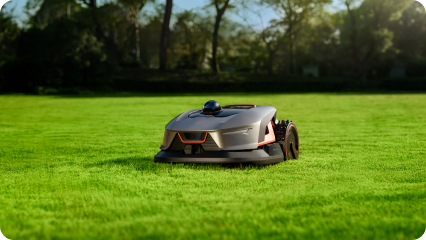
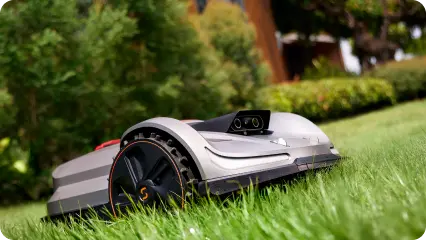
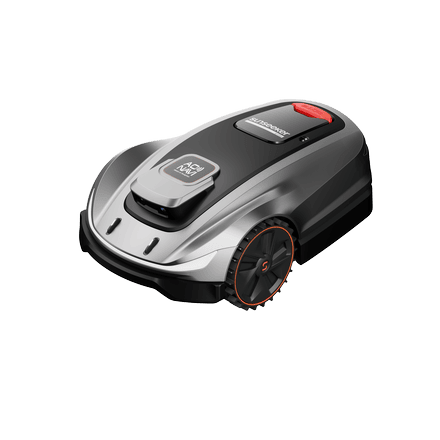
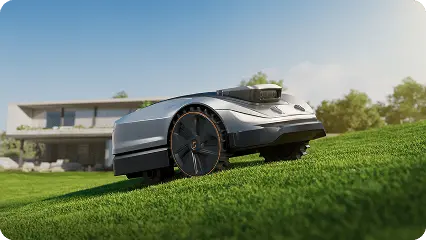
For instance, the Sunseeker Elite X7 Gen 2 utilizes high-density lithium-ion batteries available in 5 Ah and 10 Ah configurations, with 20V-25V voltage. This means enough power support for the edge-cutting Vision AI 2.0 technology. Only in this way can the X Gen 2 Series precisely detect obstacles day and night. The stable power output also leads to smoother mowing. More obviously, lithium batteries are lighter than lead-acid batteries. This reduces the robotic mower’s footprint in soft soil.
Alt:
You may wonder, “How many volts are the lawn mower batteries, if they are brand-new?” A new battery does not always mean a full battery. Even a battery sitting on a store shelf can lose charge over time.
For a standard 12-volt battery, a healthy reading is actually higher than 12 volts. A brand-new, fully charged lead-acid battery should read between 12.6V and 12.8V.
For lithium-based robotic systems, the voltage reading will vary by the specific manufacturer’s nominal rating. However, a new lithium pack should always sit slightly above its nominal rating. For example, a 20V battery might read 21V+ when fully charged.
How many volts are in a lawn mower battery? You can check it by yourself. Below is a step-by-step guide with the required tools.
The whole process is quite easy. Here’s the how-to instruction.
Step 1. Turn off the Mower
Make sure the machine is completely off. This avoids electrical risk.
Step 2. Access the Battery
Open the battery compartment. For riding mowers, this is usually under the seat or the hood. For robotic mowers, you may need to open a sealed hatch or use the onboard diagnostic screen. If you see white or blue powder, use your wire brush to clean the metal contacts.
Step 3. Set the Multimeter
Turn the dial to the DC Voltage (VDC) setting. Select a range slightly above the expected voltage. That is, 20V for a 12V battery.
Step 4. Connect the Probes
Touch the Red probe to the positive (+) terminal and the Black probe to the negative (-) terminal. Ensure firm contact, or you’ll get inaccurate readings with loose contacts.
Step 5. Read the Display
Hold steady and read what voltage a lawn mower battery is showing. Avoid moving the probes during the reading.
Now you know how to check a lawn mower's voltage. But what do these readings mean? Use the reference ranges below to interpret the result.
For a 12V lead-acid battery:
For lithium batteries, readings vary by system. A drop under the nominal range may indicate wear or imbalance. You can check the manual for verification.
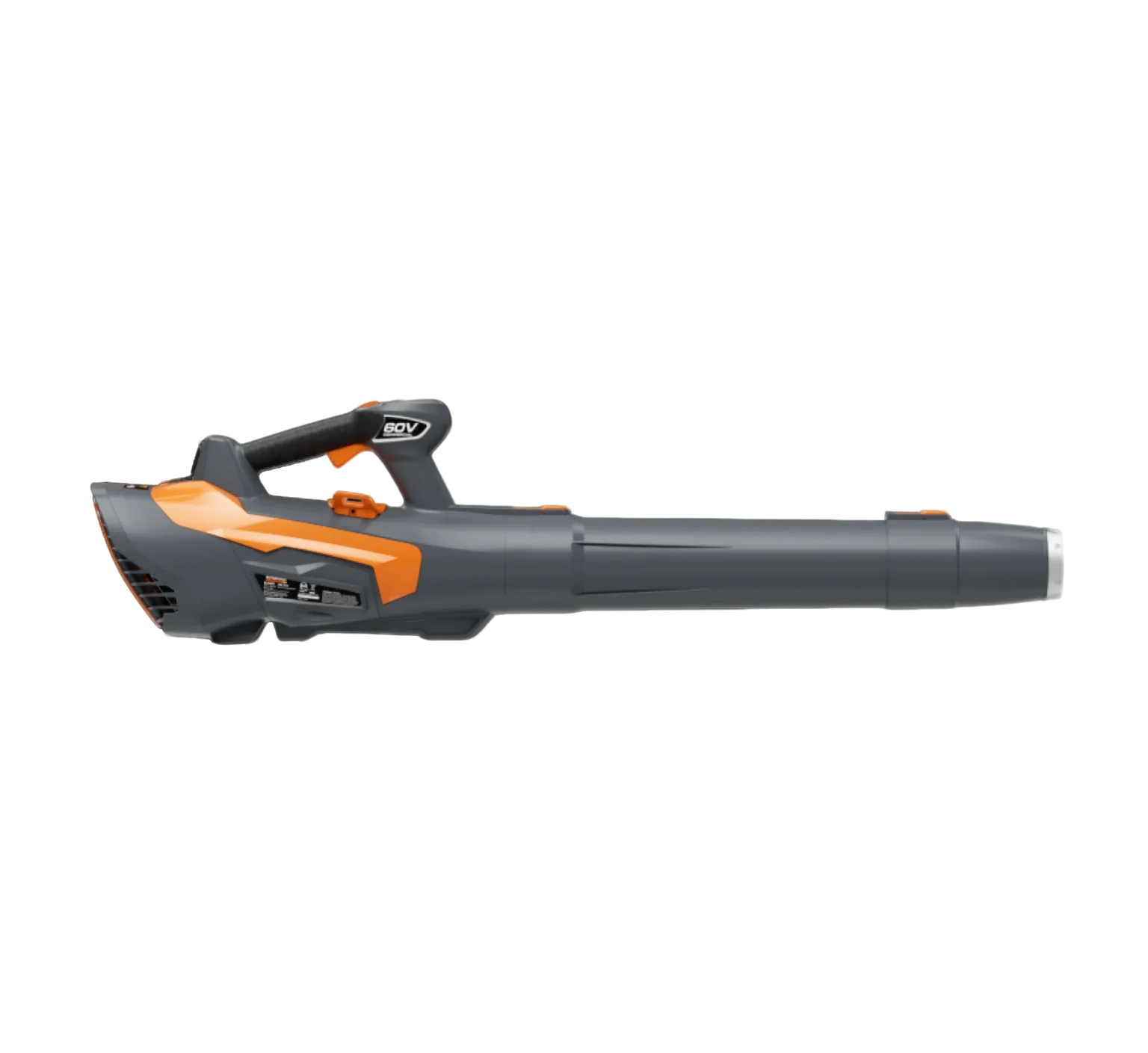
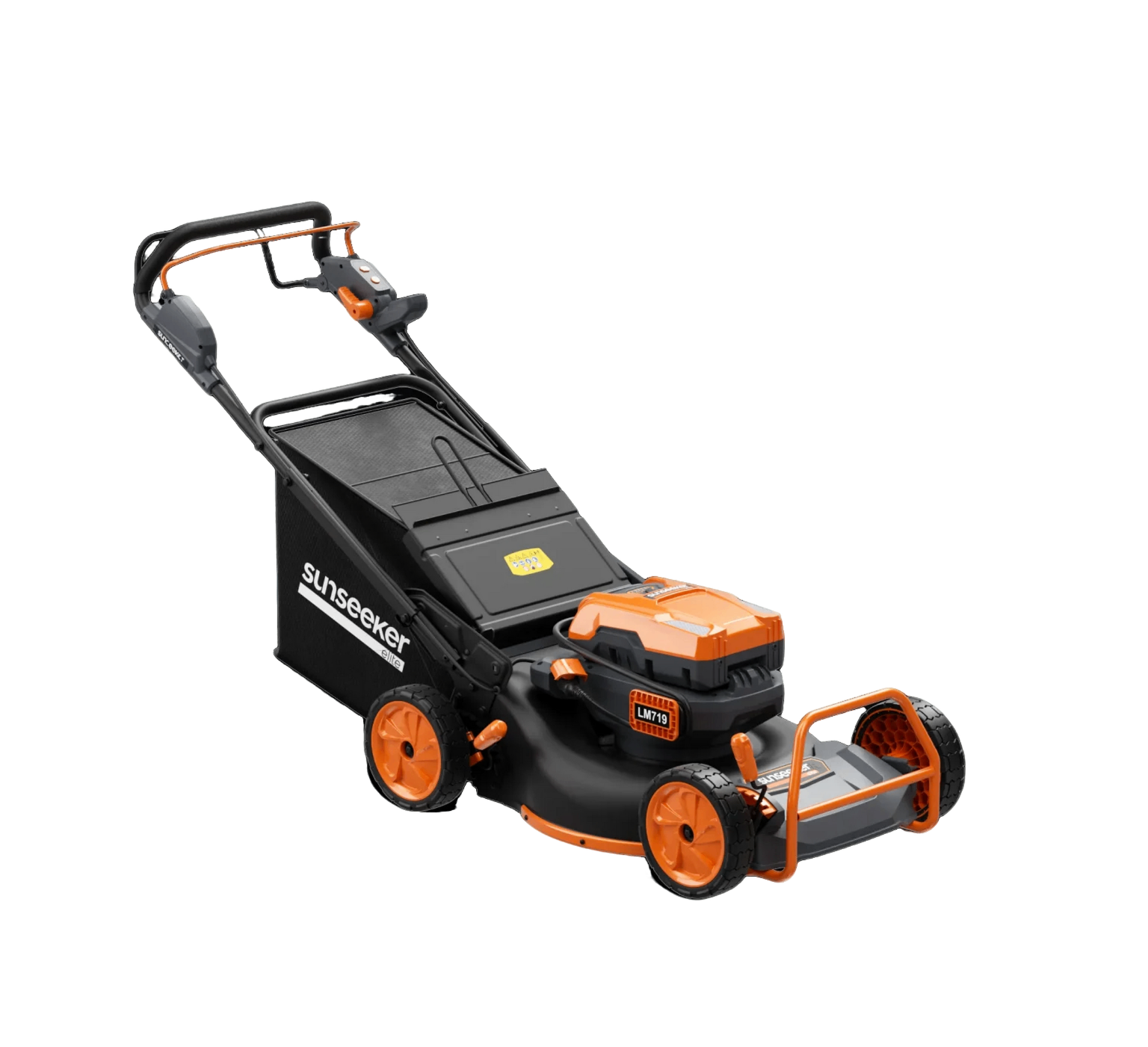
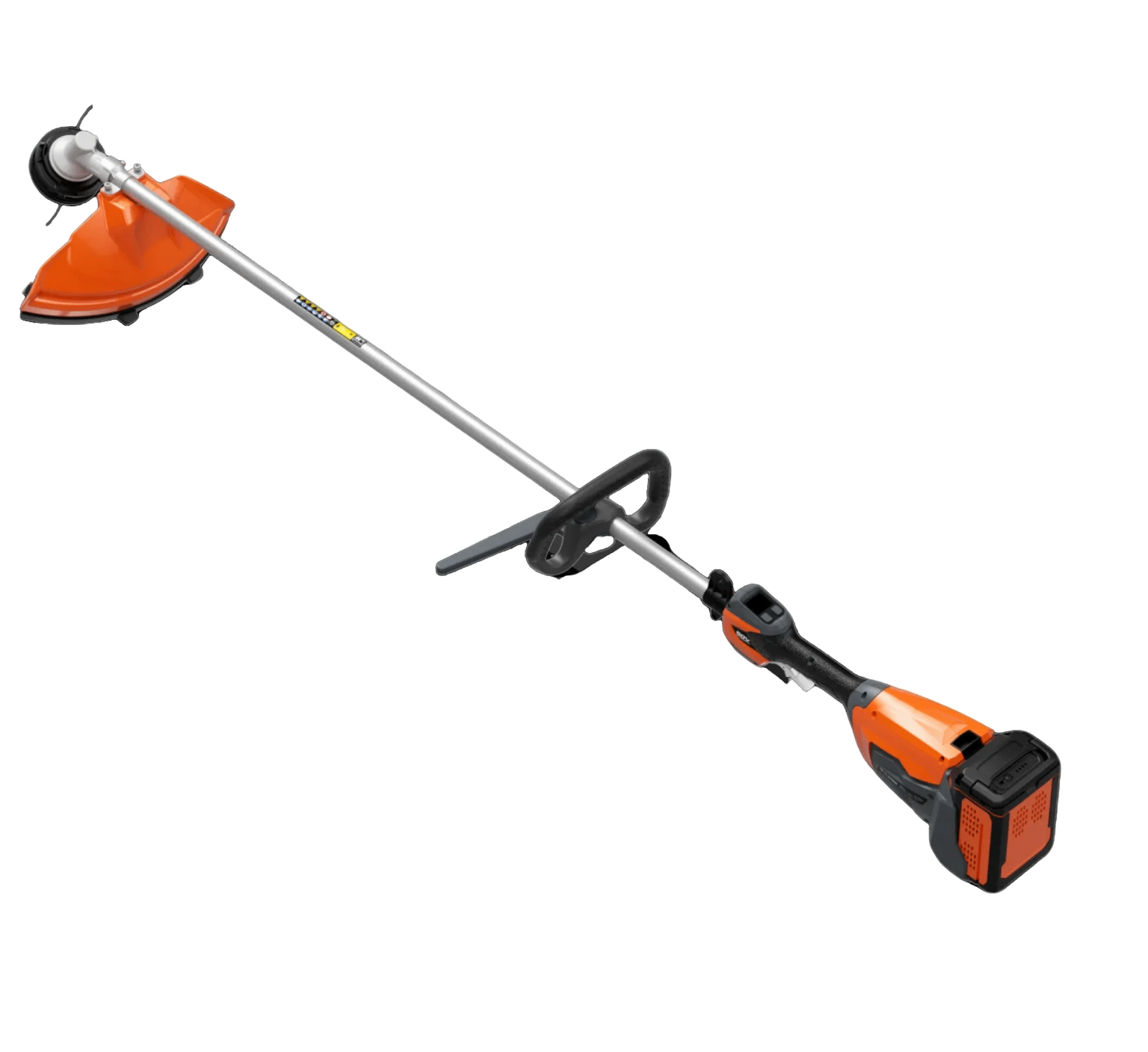
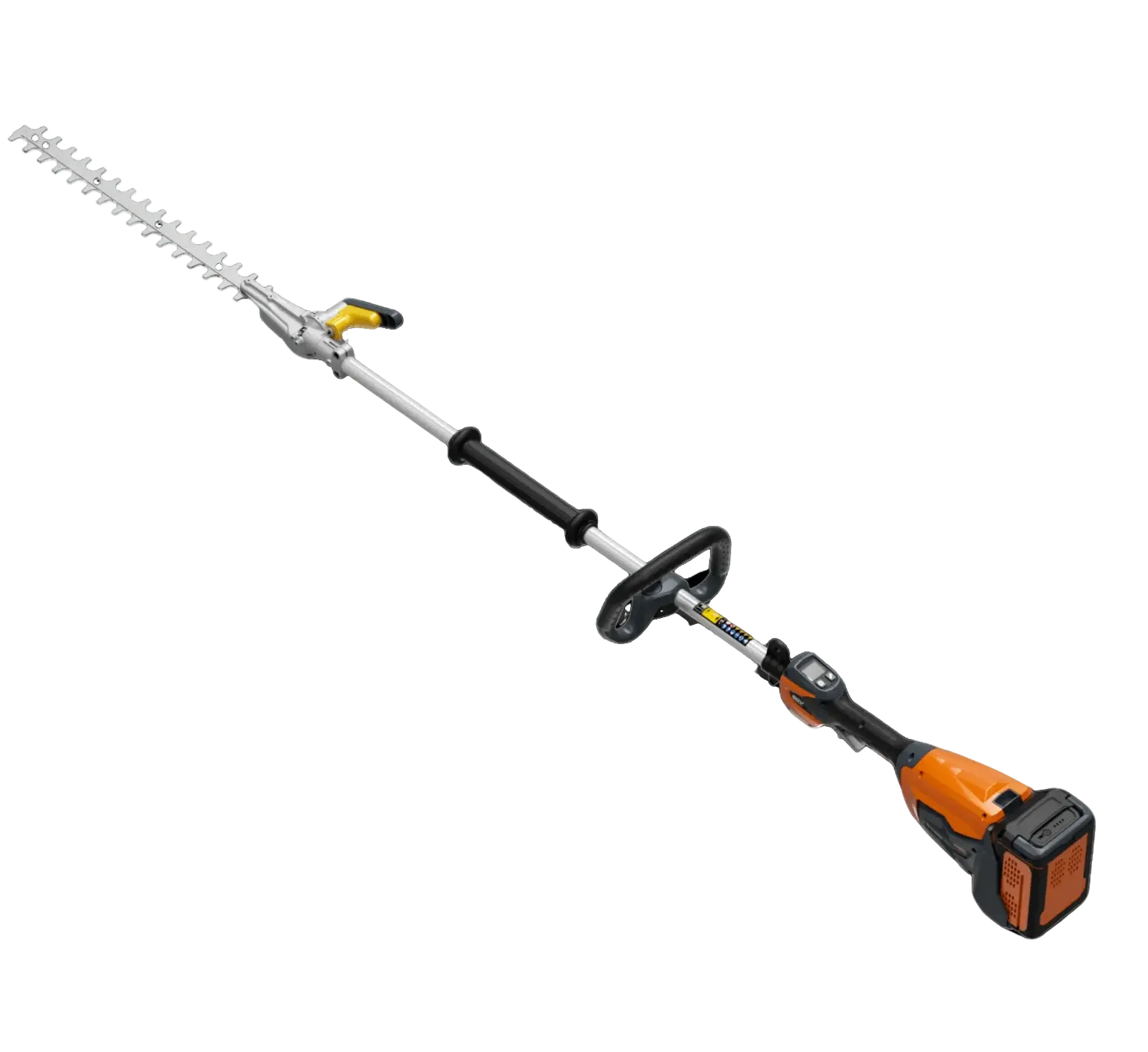
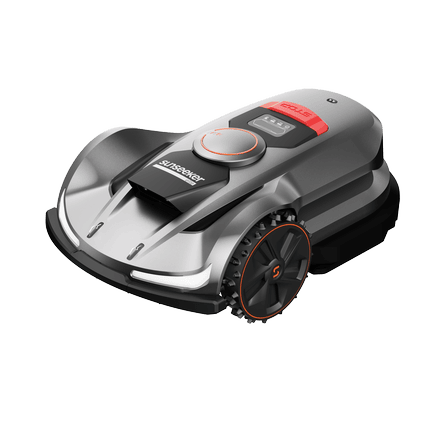
Your cutting needs really matter. For routine grass cutting in average yards, standard 12V or 20V systems are suitable. However, professional landscaping requires higher torque to manage thick growth and large acreage. A high-voltage system, such as a Sunseeker 60V commercial lawn mower, is necessary. The higher voltage means longer runtime and cleaner cuts in thick grass. This suits larger lawns or commercial use. The Sunseeker model is also a 3-in-one unit. You can choose from mulching, rear discharging, or bagging of grass clippings for different landscaping needs.

No, you should never replace a battery with one of a higher voltage than the manufacturer specifies. Components are designed for a fixed voltage range. Higher input stresses circuits and are likely to damage them. Excess voltage also reduces lifespan due to increased speed and heat. In extreme cases, overheating may lead to failure or fire.
When you install lawn mower battery replacements, you should always match the voltage specified in your owner’s manual. If you need more power, choose a battery with higher capacity (Ah), not higher voltage. This extends the runtime without changing the system stress.
You should always match the voltage specified in your owner’s manual. If you need more power, choose a battery with higher capacity (Ah), not higher voltage. This extends the runtime without changing the system stress.
So, what voltage should a new lawn mower battery have? The blog fully explains it. Most gas mowers use 12V batteries. Robotic and electric models utilize lithium-ion batteries with voltages ranging from 18V to 60V or more. You can follow the instructions to test and verify your mower’s voltage. Under no circumstances should you replace a lawn mower battery with a higher voltage. A safer path is to upgrade to a higher battery capacity device, such as Sunseeker’s 60V commercial lawn mower or Sunseeker Elite X7 Gen 2!
Most modern lawn mowers use a 12V battery, especially riding models with electric starters. Some older or smaller machines may use 6V systems, but this is less common today. Always check the mower’s specifications to confirm the correct voltage before replacement or charging.
Yes, if the battery is 12V, a 12-volt charger is suitable. You can use a smart charger or a low-amp trickle charger (2 amps) to prevent damage. Also, make sure the charger matches the battery type. That is, do not use a 12V lead-acid charger for lithium-ion batteries.
Yes, it is close to dead for a 12V battery. At 11.7V, the battery is heavily discharged. It may still accept a charge to power lights, but lacks the current to turn over the engine. Repeated low-voltage states can shorten lifespan and lead to permanent performance loss over time.
Not necessarily. Voltage represents power output, but battery capacity (Ah) and efficiency determine the runtime. Higher voltage systems are often more efficient, which can indirectly lead to more work done per charge.