







FAQs
4/28/2026
Products
Residential Lawns








Commercial Landscapes
Explore
Where to Buy


Watering your lawn seems straightforward, but timing makes a bigger difference than most people expect. Water at the wrong time of day and you lose most of it to evaporation, invite fungal disease, or end up with shallow roots that dry out quickly. Knowing the best time to water grass helps you get more out of every watering session and keeps your lawn healthier with less effort overall. This article will show you all the details. Read on!
The best time to water lawn is early morning, between 6 a.m. and 10 a.m. At this time of day, temperatures are cooler, wind is usually calmer, and the grass has time to absorb moisture before the heat of the day increases evaporation. Water that reaches the roots in the morning is used efficiently rather than lost to the atmosphere.
Here is how the different times of day compare:
When is the best time to water your lawn if you have an automated system? Set it to run just before sunrise so the cycle completes by mid-morning. This takes advantage of the full early morning window without requiring you to be up at dawn.
Most lawns do best with deep, infrequent watering rather than light daily sessions. The general guideline is 25 to 38 mm of water per week, delivered in one or two sessions rather than spread across seven days.
Frequent shallow watering encourages grass roots to stay near the surface where they dry out quickly and become less resilient to heat and drought. Deep watering once or twice a week pushes roots further into the soil, where moisture is more stable and the grass can draw on it during dry spells.
A few factors affect how often your lawn actually needs water:

The target for most lawns is 25 to 38 mm of water per week, including rainfall. The challenge is knowing how much your sprinkler or irrigation system actually delivers in a given session.
If you are trying to determine how long to water lawn areas, use the tuna can test. Place several empty cans of the same size around the lawn while the sprinkler runs. After 30 minutes, check how much water has collected in each can. The average gives you a rough delivery rate per hour, which you can use to calculate how long to run the system to reach your target depth.
A few other points worth keeping in mind:
Checking whether the lawn has received adequate water takes a couple of minutes and removes the guesswork from your watering routine.
1.The screwdriver test. Push a 15-cm screwdriver or garden probe into the soil after watering. If it slides in easily to the full depth, moisture has penetrated far enough. Resistance before 15 cm means the water hasn't reached deep enough.
2.Footprint test. Walk across the lawn and look back at your footprints. If the grass springs back quickly, it has adequate moisture. If the impressions stay flattened, the lawn is dry and needs water.
3.Soil color. Moist soil is noticeably darker than dry soil. Digging a small plug of turf with a trowel and checking the color at 7.5 to 10 cm depth gives a quick read on moisture levels below the surface.
4.Grass color and texture. Grass that is losing its bright green color or starting to feel slightly crisp underfoot is showing early drought stress. This is the point to water, before the lawn goes fully dormant or starts to brown.
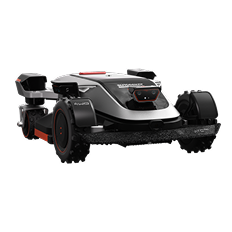
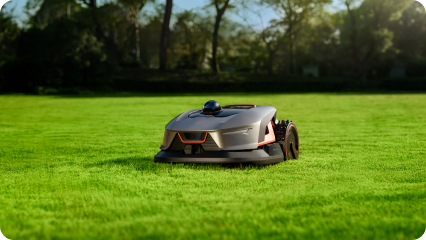
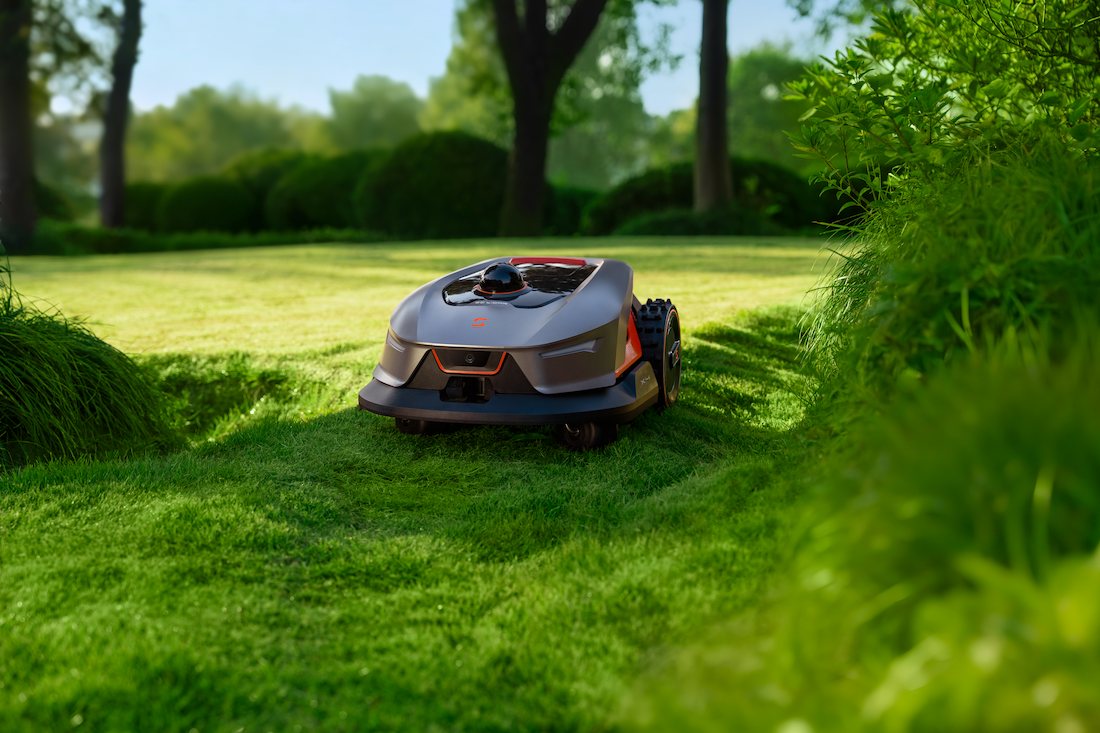
Keeping the lawn consistently healthy through good watering habits also means mowing frequency matters. The Sunseeker Elite X3 Gen 2 operates on an automated schedule that keeps grass at an even height, which reduces moisture stress and supports healthier root development over the season without any manual scheduling.
The best time to water grass is early morning, when conditions favor absorption and the lawn has time to dry before nightfall. Pair the right timing with deep, infrequent sessions of 25 to 38 mm per week, and most lawns stay healthy through the growing season with minimal intervention. Adjust for your grass type, soil, and weather, and use simple tests to confirm the water is actually reaching the roots rather than evaporating from the surface.
Early morning between 6 a.m. and 10 a.m. is the best time. Temperatures are cooler, evaporation is low, and the lawn dries before evening, which reduces the risk of fungal disease. If early morning watering isn't possible, late afternoon between 4 p.m. and 6 p.m. is an acceptable alternative, though the lawn will have less time to dry before nightfall.
The footprint test is the quickest check. Walk across the lawn and see whether the grass springs back. If footprints stay flattened, the lawn is dry and ready for water. You can also look for a slight blue-gray tint to the grass, a sign of early moisture stress.
Water when the lawn shows early signs of moisture stress rather than on a rigid daily schedule. The footprint test and screwdriver test both give quick reads on whether the lawn actually needs water. Most lawns need 25 to 38 mm per week, so once or twice a week is sufficient in typical conditions. Always account for recent rainfall before running the sprinkler.
It depends on your sprinkler's output rate, but most residential sprinklers deliver around 13 mm of water per hour. To reach the 25-mm weekly target in a single session, running for approximately two hours covers most setups. Use the tuna can test to measure your actual delivery rate and calculate the right run time for your system. If water starts pooling or running off, split the session into two shorter cycles with a 30-minute break between them.