







FAQs
4/28/2026
Products
Residential Lawns











Commercial Landscapes
Explore
Where to Buy


A great-looking front yard doesn't require a large landscaping budget. Most of the improvements that make the biggest visual difference, such as clean edges, healthy grass, and well-placed plants, cost very little and can be done in a weekend. Whether you're working with a small patch of lawn or a larger space, these cheap simple front yard landscaping ideas give you practical starting points that won't stretch your finances.
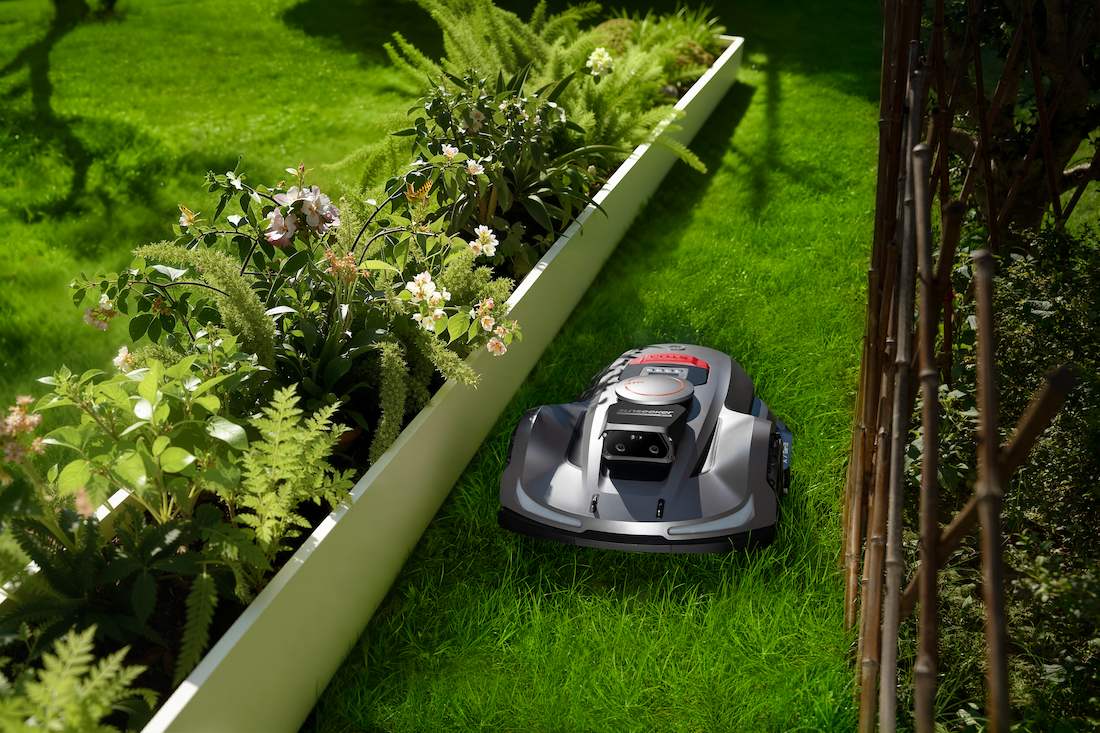
These ideas range from basic lawn care to simple planting and structural changes. Most can be done without professional help and with materials that are easy to source locally or already on hand.
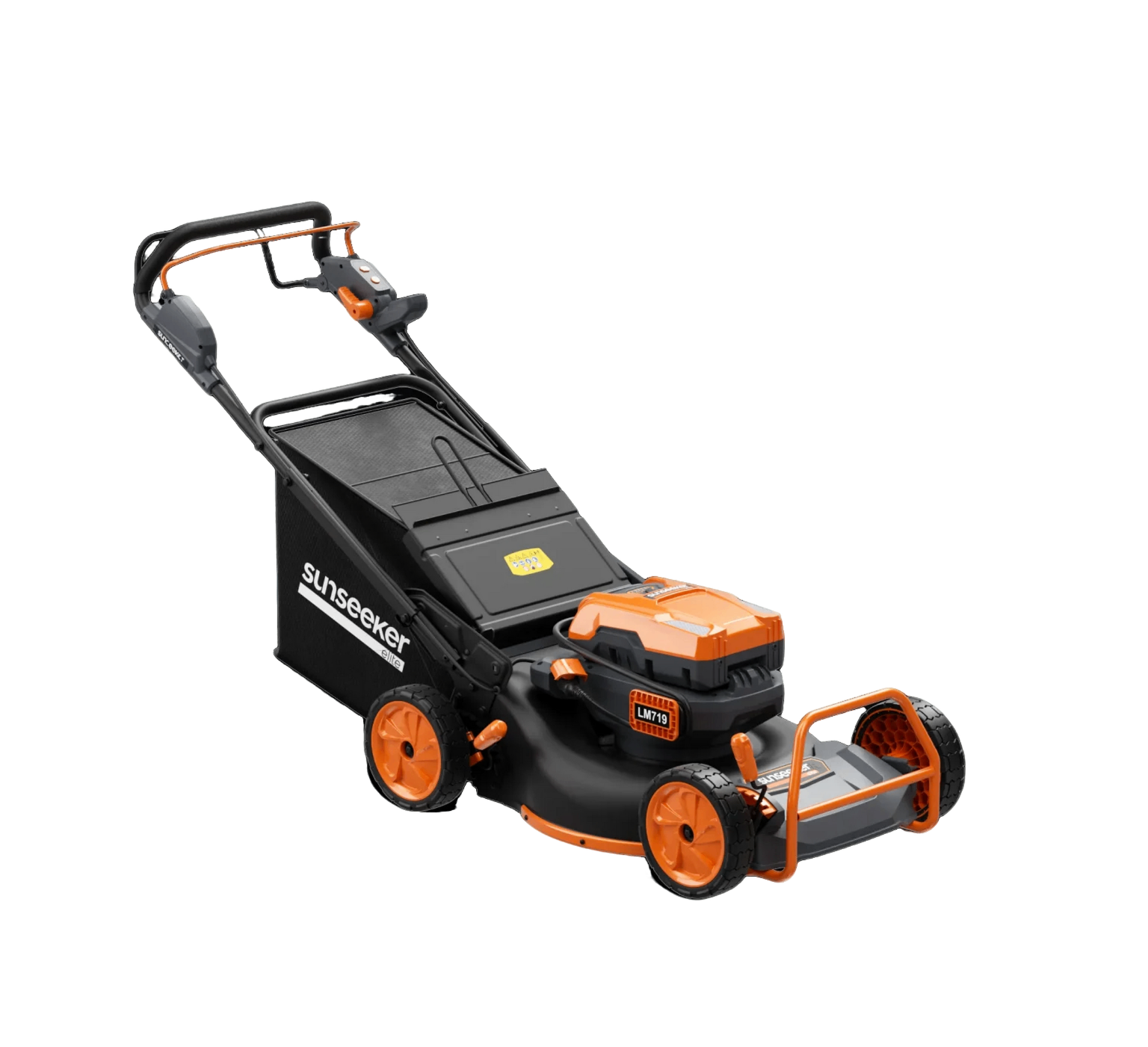
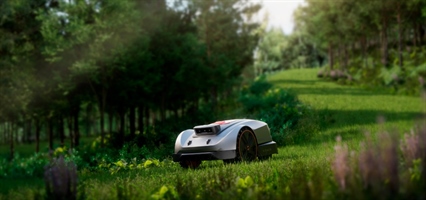
A well-maintained lawn is the foundation of any front yard, and it costs nothing beyond basic upkeep. Mowing at the correct height, watering consistently, and edging along the driveway and walkways make more difference to curb appeal than almost any other single change. If keeping up with mowing is a challenge, the Sunseeker Elite X5 Gen 2 handles it autonomously on a schedule, so the lawn stays consistently trimmed without manual effort.
Fresh mulch is one of the cheapest landscaping ideas available and one of the highest-impact. A 75-mm layer of wood chip or bark mulch in garden beds suppresses weeds, retains moisture, and gives the whole front yard a cleaner, more finished appearance. A cubic yard of bulk mulch from a local supplier costs a fraction of bagged mulch from a garden center and covers a significant area.
Native groundcover plants spread to fill bare areas without much help, reducing both maintenance and watering needs. Options like creeping thyme, clover, or native sedge establish quickly, tolerate drought once settled, and look intentional rather than neglected. Many are available cheaply as seeds or small divisions from neighbors and community plant swaps.
Clean edges between lawn and garden beds make the whole yard look more deliberate. A half-moon edger or flat spade costs very little and creates a sharp, defined line along any border. Maintaining those edges every few weeks takes minutes and has a disproportionate effect on how tidy the front yard looks from the street.
Replacing high-maintenance grass or bare soil in problem areas with gravel or pea shingle is a practical low cost landscaping idea that reduces both watering and mowing. Gravel works particularly well along pathways, under trees where grass won't grow, or in drought-prone strips. Use a weed membrane underneath to reduce future maintenance.
Perennial flowers like coneflower, black-eyed Susan, and lavender return year after year from a single planting, making them one of the most cost-effective ways to add color to a front yard. Buying seeds rather than established plants cuts the cost significantly. Sow in autumn or early spring and they'll establish with minimal effort.
A freshly painted front door changes the entire feel of a property from the street and costs very little. Bold colors like navy, red, or forest green tend to stand out well against most brick and siding. This isn't strictly landscaping, but it works alongside yard improvements to lift overall curb appeal significantly.
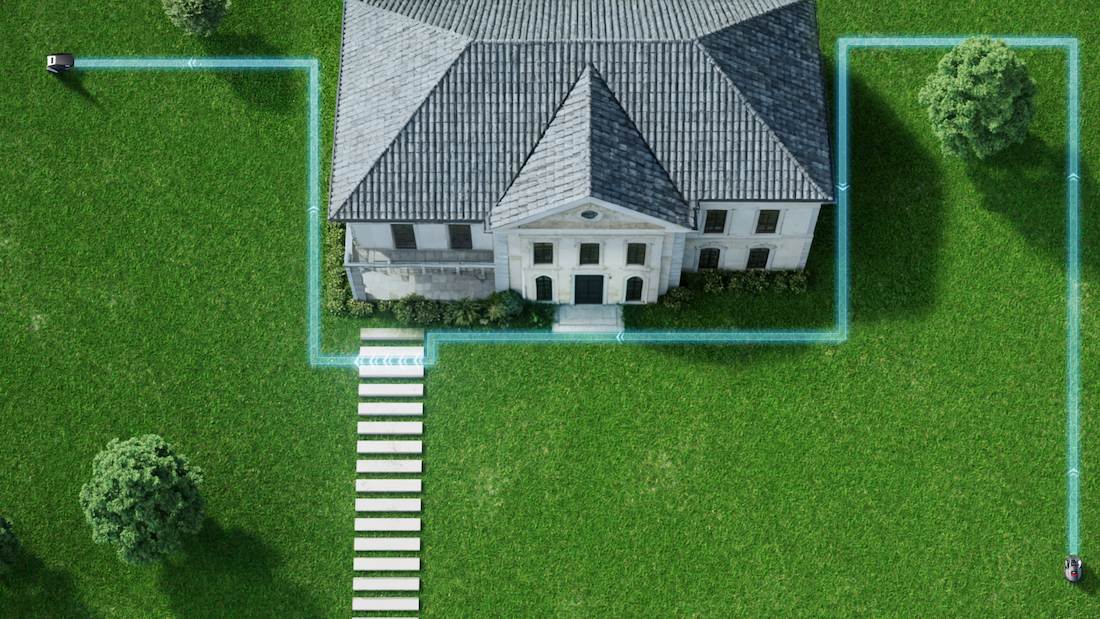
A clear path from the street or driveway to the front door adds structure to the yard and guides visitors naturally. Stepping stones set into the lawn are one of the most inexpensive landscaping ideas for creating this effect — reclaimed stone, concrete pavers, or even thick timber rounds all work well and can be sourced cheaply secondhand. For families exploring simple egg hunt ideas in spring, the pathway can also define safe search zones and keep children away from delicate flower beds.
Planters and window boxes add color and life to the front of the house without requiring any ground work. Fill them with seasonal annuals or trailing plants like petunias or sweet potato vine for a low-effort display that changes with the season. Wooden planter boxes can be built from basic timber at minimal cost.
Before buying anything new, look at what's already in the yard. Many perennials and grasses benefit from being divided every few years, and the divisions can be replanted elsewhere to fill gaps. Hostas, ornamental grasses, daylilies, and many groundcovers all divide easily in spring or autumn. It costs nothing and refreshes the existing planting at the same time.
A small rock garden in a sunny corner or along a slope is a low-maintenance alternative to lawn or bare soil. Use rocks sourced locally or salvaged from the yard itself, and plant between them with drought-tolerant species like sedums, creeping phlox, or alpine plants. Once established, a rock garden needs almost no ongoing attention.
Solar lights along a front path or driveway edge improve the yard's appearance at night and require no wiring or ongoing electricity cost. Basic solar stake lights are inexpensive and widely available. Even a simple row of lights along the front path adds definition and makes the entrance feel more welcoming after dark.
Simple raised beds built from timber planks add height and visual structure to a flat front yard. They don't need to be large or elaborate — even a single low bed planted with herbs, flowers, or ornamental grasses adds dimension. Basic untreated pine or reclaimed timber keeps costs minimal, and the structure itself adds interest even when plants are small.
A low hedge planted along the front boundary defines the yard, adds privacy, and looks established within a season or two. Species like boxwood, privet, or native shrubs are affordable as young plants and establish quickly with regular watering in the first season. A hedge costs less over time than fencing and requires no materials beyond the plants themselves.
Mowing in alternating directions creates light and dark stripes across the lawn that look professional and cost nothing extra. The effect comes from the way light reflects off grass bent in different directions, and it's visible from the street. A lawn mower with a roller or rear-wheel drive tends to produce more defined stripes, but any mower can achieve the effect with consistent directional passes.
Improving your front yard doesn't have to be expensive or complicated. The most effective cheap simple front yard landscaping ideas include: a well-maintained lawn, clean edges, fresh mulch, and a few well-placed plants go further than most elaborate projects. Start with what you already have, keep maintenance consistent, and add to the yard gradually. Curb appeal is mostly the result of regular care rather than a big budget.
Keeping the lawn healthy and well-edged is the cheapest and highest-impact option for most front yards. Beyond that, mulching garden beds with bulk wood chip, dividing and replanting existing perennials, and growing plants from seed are all low or zero-cost ways to improve the yard's appearance.
Native perennials and groundcovers top the list for low maintenance. Creeping thyme, coneflower, black-eyed Susan, lavender, and ornamental grasses all establish with minimal care and return year after year. Succulents and sedums work well in dry or rocky areas. The key is matching the plant to the conditions.
Small front yards benefit most from vertical interest, clean lines, and restrained plant selection. A single focal point, such as a small ornamental tree, a well-placed planter, or a defined bed of perennials, reads better in a small space than scattered planting across the whole area.