






FAQs
4/28/2026
Products
Residential Lawns











Commercial Landscapes
Explore
Where to Buy


Finding mushrooms in lawn areas can be surprising, especially when they seem to appear overnight. They're not always a sign of a problem, but understanding why they're there and how to manage them makes a difference in keeping your yard looking its best. This guide covers the causes, whether you actually need to worry, and exactly how to get rid of mushrooms in your lawn if you'd rather not have them around.

Mushrooms are the visible fruiting bodies of fungi living underground. The fungus itself feeds on organic matter in the soil, and mushrooms appear when conditions are right for reproduction, typically after rain, in humid weather, or when the soil stays consistently moist.
The most common reasons mushrooms growing in lawn areas appear include:
If you are wondering, “why do I have mushrooms in my lawn?”, the most likely explanation is moist soil combined with decaying organic matter below the surface. In most cases, mushrooms in lawn areas are not harmful to the grass itself. The fungi responsible are typically saprophytic, meaning they feed on dead organic matter rather than living plant tissue. In fact, the decomposition process they drive returns nutrients to the soil, which can benefit turf over time.
That said, there are a few situations where mushrooms are worth addressing:
Removing mushrooms and reducing their recurrence involves addressing both the visible growth and the underlying conditions supporting it.
Pick or dig out mushrooms as soon as they appear, before they release spores. Removing them early reduces the chance of new growth spreading to other areas. Wear gloves and dispose of them in a sealed bag rather than the compost, especially if you're unsure of the species.
If mushrooms keep appearing in the same spot, there's almost certainly decaying wood or roots beneath the surface. Dig down to locate and remove the source material. This is the most effective long-term step since the fungus has nothing left to feed on once the organic matter is gone.
Aerate the lawn to reduce compaction and improve water movement through the soil. Core aeration once or twice a year makes a noticeable difference in how quickly the lawn dries after rain. Topdressing with sand can also help in areas with heavy clay soil.
Water deeply and less frequently rather than giving the lawn light daily water. This allows the surface soil to dry between sessions, which discourages the consistently damp conditions fungi prefer.
A thick thatch layer holds moisture and provides additional organic material for fungi to feed on. If thatch is deeper 13 mm, dethatching in early autumn helps reduce both moisture retention and the food source supporting mushroom growth. Similar moisture and compaction problems can also encourage moss, so learning how to get rid of moss in lawn areas may be helpful if you notice both issues at the same time.
Nitrogen accelerates the breakdown of organic matter in the soil, which speeds up the decomposition process the fungus is feeding on. Once the material is fully broken down, the food source is gone. Use a balanced lawn fertilizer and follow label directions to avoid over-application.
Fungicides do not eliminate the underground mycelium but can suppress mushroom emergence temporarily. For fairy rings specifically, liquid fungicide applied to the ring area can reduce surface growth. This is a management tool rather than a permanent fix, and it works best alongside the other steps above.
Consistent lawn care habits reduce the conditions that allow mushrooms to establish and keep coming back.
Fallen branches, grass clippings left in piles, and leaf accumulation all become food sources for fungi over time. Clearing these regularly reduces what's available for the fungus to feed on.
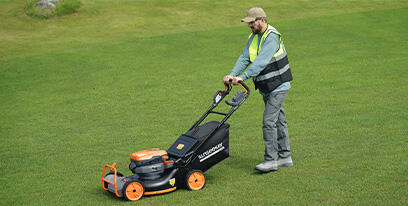
Keeping grass at a consistent height improves air circulation at the soil surface and reduces moisture retention in the turf. A lawn mower set to the correct cutting height for your grass type makes a real difference in how quickly the lawn dries after watering or rain.
Shaded areas stay damp longer and are far more prone to fungal growth. Thinning out overhanging branches lets more light and airflow reach the lawn, which helps the surface dry faster after moisture.
Regular aeration reduces compaction and improves drainage throughout the lawn, not just in problem spots. Once a year in autumn is sufficient for most residential lawns.
If you've had a tree removed, have the stump ground down and the root system removed where possible. Leaving stumps and large roots to decay in place provides a long-term food source for fungi that can persist for years.
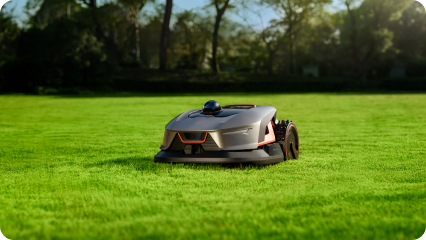
Consistent mowing frequency plays a role in reducing thatch buildup and maintaining a healthier lawn surface overall. The Sunseeker Elite X4 runs on an automated schedule, keeping the lawn trimmed regularly without the gaps that allow thatch and moisture to accumulate. Frequent light cuts are better for lawn health than infrequent heavy ones, and a robotic mower makes that routine effortless to maintain.
Mushrooms growing in lawn areas are rarely a serious problem, but they're worth managing if they recur regularly or if children and pets use the yard. Now you know how to get rid of mushrooms in lawn. The most effective approach combines removing visible mushrooms promptly, eliminating the buried organic matter feeding the fungus, and improving drainage and airflow so conditions are less favorable for future growth. Consistent lawn care habits handle most cases over time without needing chemical intervention.
The most reliable way to stop mushroom growth is to remove the organic matter the fungus is feeding on, whether that's a buried stump, dead roots, or a thick thatch layer. Alongside that, improving drainage through aeration, adjusting watering frequency, and keeping the lawn well-maintained reduces the moisture conditions that favor fungal activity.
There's no product that kills the underground fungus responsible for mushroom growth. Fungicides can suppress visible mushroom emergence temporarily, particularly for fairy ring management, but they don't eliminate the mycelium below the surface. The most effective approach is removing the organic material the fungus feeds on and improving drainage so conditions become less favorable over time.
Permanent removal requires eliminating the food source. If mushrooms keep appearing in the same area, there is almost certainly decaying organic matter beneath the surface feeding the fungus. Digging it out is the most direct solution. Once the organic material is fully decomposed or removed, the fungus has nothing left to sustain it and mushroom growth stops naturally.
Mushrooms growing in lawn areas is almost always a sign of fungal activity feeding on decaying organic matter beneath the surface. Common causes include buried tree roots or stumps, old construction timber, excess thatch, or simply soil with high organic content. Damp conditions after rain or in shaded areas accelerate mushroom emergence.