



FAQs
4/27/2026
Contents
Products
Residential Lawns
Commercial Landscapes
Explore
Where to Buy


A good lawn mower combines consistent cutting, appropriate power, adjustable height, ease of maintenance, and durability. Push, self-propelled, riding, zero-turn, and robotic models serve different yard sizes and terrains. Factors like engine or motor strength, cutting width, and noise levels influence efficiency, while regular maintenance ensures long-term reliability and optimal lawn health.
With so many lawn mower models out there: gas, electric, robotic, and self-propelled, it’s easy to feel confused about what actually makes sense for your yard. And most importantly, what’s a good lawn mower? In this guide, let’s keep things simple. We will walk you through the different types of mowers, explain what really matters when choosing one, and share some of the top-rated lawn mowers in 2026. Just keep reading!

What is a good lawn mower? The answer isn’t one-size-fits-all. Before answering the question directly, it’s crucial to understand the basic types available. Here’s a quick breakdown of the main options:
A good lawn mower goes beyond brand name or price tag. It should be a practical solution that delivers consistent, clean cuts while matching your yard. In this part, let’s dive into the features that make a mower truly good.
Engine (or motor) power plays a huge role in how smoothly your mower handles real-world conditions like thick, tall, or slightly wet grass. For most push and self-propelled lawn mowers, gas engines in the 140-200cc range or battery systems around 40V-60V+ with brushless motors are more than enough for most residential yards.
If you are dealing with a larger property, riding mowers usually step up with 12-20+ HP engines to support wider decks and heavier workloads. Robotic lawn mowers take a different approach; they rely on efficient electric motors and smart power management rather than raw strength, delivering consistent cutting over longer periods.
Cutting width directly affects how long it takes to finish mowing. Most walk-behind mowers sit in the 51-56 cm range, which offers a nice balance between speed and maneuverability. Riding mowers go much wider, which is often 71 to 137+ cm, making them ideal for large, open lawns.
Robotic lawn mowers, on the other hand, use narrower cutting paths (around 20-36 cm) but make up for it by mowing more frequently and precisely. If your yard has lots of obstacles, a narrower deck helps you navigate easily. For wide, open spaces, a larger cutting width saves serious time.
What's a good lawn mower? A good mower should give you flexibility when it comes to cutting height. Most models offer around 5-7 height settings, ranging from about 25 to 100 mm.
This matters more than people think. Keeping your grass slightly taller during hot months helps protect roots and retain moisture, while shorter cuts give that clean, manicured look. Robotic lawn mowers take this a step further by maintaining a consistent height automatically, which helps keep your lawn looking evenly trimmed all the time.
Maintenance can make or break your overall mowing experience. Traditional gas mowers need regular upkeep: oil changes, air filters, spark plugs, and fuel management. If you prefer something simpler, battery-powered and electric mowers are much easier to maintain, with no fuel or engine servicing required.
Robotic lawn mowers are the most low-maintenance of all, often featuring tool-free blade changes, weather-resistant designs, and even app-based diagnostics. No matter the type, you still need to clean the deck and sharpen blades occasionally, but electric and robotic options can save you a lot of time over the long run.
Noise is something many people overlook until it becomes a problem. Gas powered lawn mowers, whether push, self-propelled, or riding, are the loudest, often reaching 90-100+ dB. That can limit when you mow and may bother neighbors.
Battery-powered models are noticeably quieter, usually in the 70-85 dB range. Robotic lawn mowers are even quieter, often around 60 dB, meaning they can run in the background without disrupting your day. If peace matters, electric or robotic options are definitely worth considering.
A mower should be built to last, especially if you are using it regularly. Look for strong materials like steel or reinforced composite decks that can handle impacts and resist wear over time. Solid wheels, sturdy handles, and a well-built frame are rather important for push and self-propelled models.
Robotic lawn mowers focus more on weather resistance and reliable drive systems, particularly for handling slopes and different terrains. Across all types, a good warranty and strong brand support are often signs of a mower that’s built for the long haul.
What's a good lawn mower? Getting started should be quick and hassle-free. Many modern walk-behind mowers arrive mostly assembled, with foldable handles and simple setup steps that take just minutes. Riding mowers may require a bit more effort during initial setup.
The latest robotic wire-free models simplify things with smart mapping and virtual boundaries set through an app. These systems are much easier to install and adjust, making them a great option if you want a more convenient experience right from the start.
The lawn mower market in 2026 is shifting quickly toward powerful battery and robotic models. At the same time, traditional gas and riding mowers still hold their ground for larger properties. So, what is the top rated lawn mower in 2026, and how can you choose the best lawn mower for your yard? Below are 10 standout models that cover a wide range of lawn sizes and user needs.
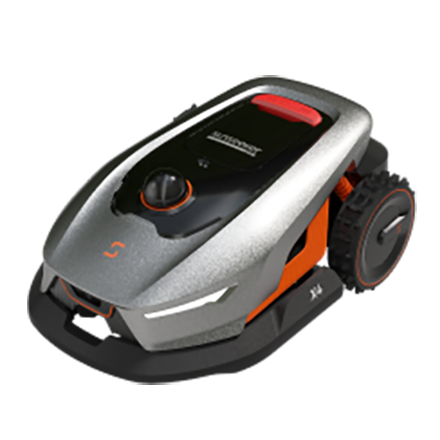
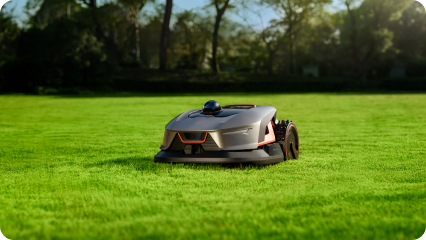
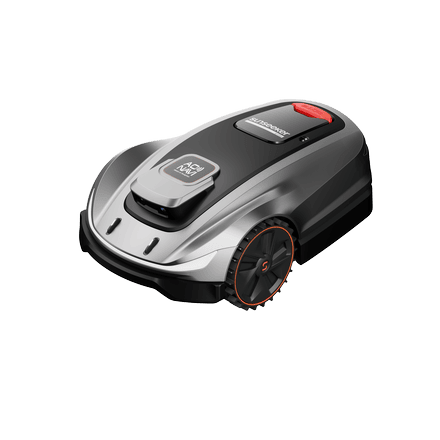
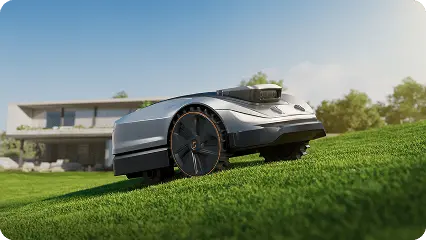
The Sunseeker Elite X4 features the AONavi™ positioning and navigation system with LiDAR and vision-based guidance for precise movement. It handles slopes up to 45% and uses an independent front system for rugged terrain. Ultra-quiet operation reduces noise while the wire-free setup simplifies installation. This smart robotic mower is designed for medium-sized yards (up to 1200m²), offering reliable cutting performance with minimal effort.
This high-performance battery-powered self-propelled mower features interchangeable blades for mulching, bagging, or side discharge. It delivers gas-like torque and extended runtime, with smooth variable-speed control that improves further adjustment. Offering consistent and clean cuts, the mower is a reliable choice for medium-sized residential lawns.
The Toro Recycler 22-Inch 60V Self-Propelled mower is a high-performance battery-powered walk-behind designed for medium-to-large residential lawns. It combines a powerful 60V system with Personal Pace drive and Recycler mulching technology, delivering gas-like performance with less maintenance and quieter operation.
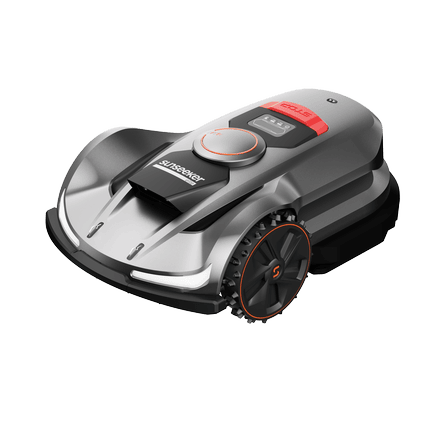
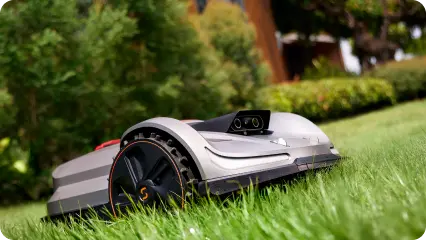
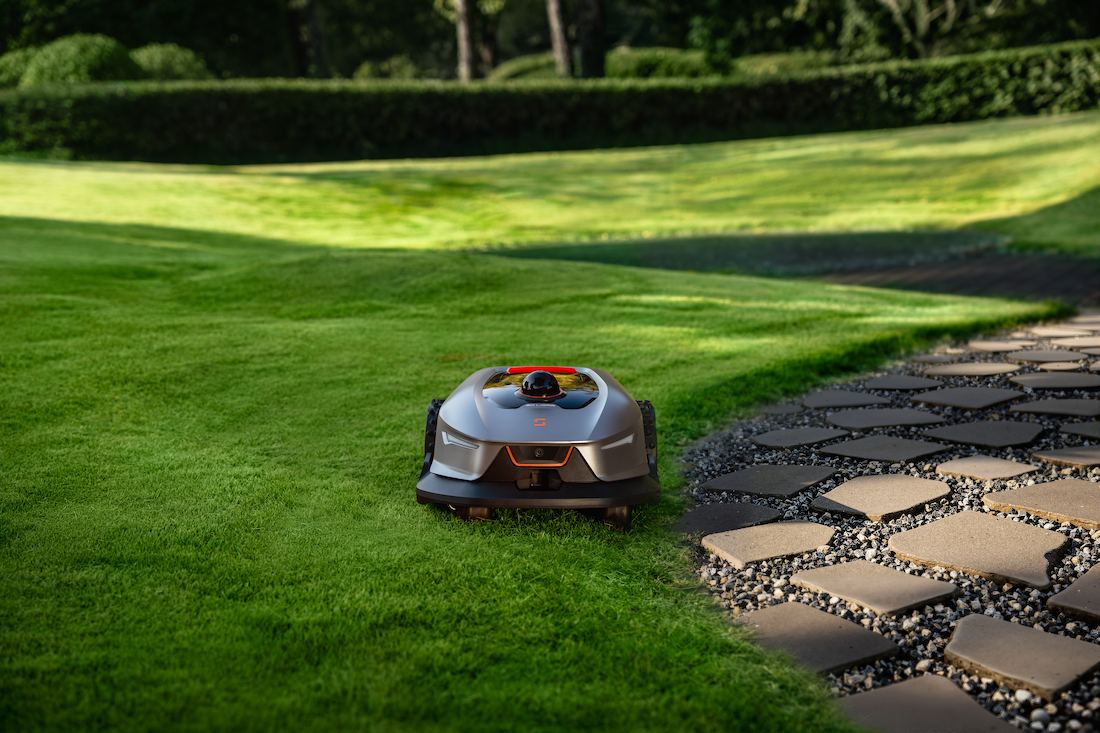
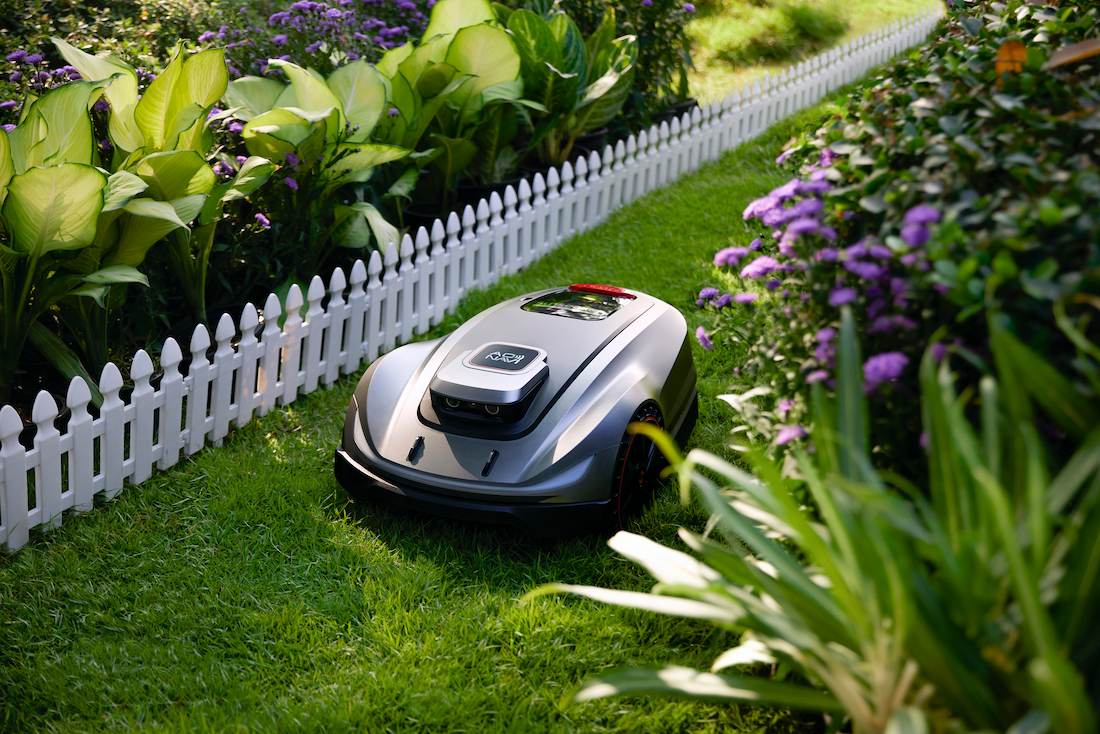
The Sunseeker Elite X5 uses the AONavi™ positioning and navigation system for accurate mapping and path planning, along with advanced obstacle avoidance for smooth navigation. Its powerful all-wheel drive improves traction, while the independent front system enhances stability on uneven ground. The floating cutting disc can automatically adjust to lawn contours for a more even finish. This premium robotic mower offers efficient, precise mowing, and it’s built for larger, more complex lawns (up to 2000m²).
The Ryobi 40V HP 21-Inch Self-Propelled mower is a powerful battery-powered alternative to gas models, designed for lawns up to 3000 m². Its brushless motor delivers strong, consistent cutting performance, while variable speed control improves handling. Convenient features like vertical storage and low maintenance make it a practical choice for homeowners.
The Greenworks 80V 21-Inch Brushless Self-Propelled mower delivers strong, efficient cutting with its high-voltage brushless motor. Its 4-in-1 system supports mulching, bagging, and more, while SmartCut™ technology adjusts power automatically. It also includes dual battery ports with Auto Switch™ for extended runtime and uninterrupted mowing.
The Sunseeker Elite X7 Plus Gen 2 is the next-generation robotic mower powered by AONavi™ 2.0 navigation (nRTK + VSLAM) for centimeter-level positioning and smart path planning. It uses Vision AI 2.0 with a binocular camera for daytime detection and an iToF sensor for clear night vision, enabling reliable 24/7 operation. Designed for all-terrain performance, it handles slopes up to 70% with ease, while 4G connectivity and multi-zone management keep everything running smoothly and automatically. The robotic model is your intelligent mowing companion that can efficiently maintain large lawns up to 6000m² with ultimate precision.
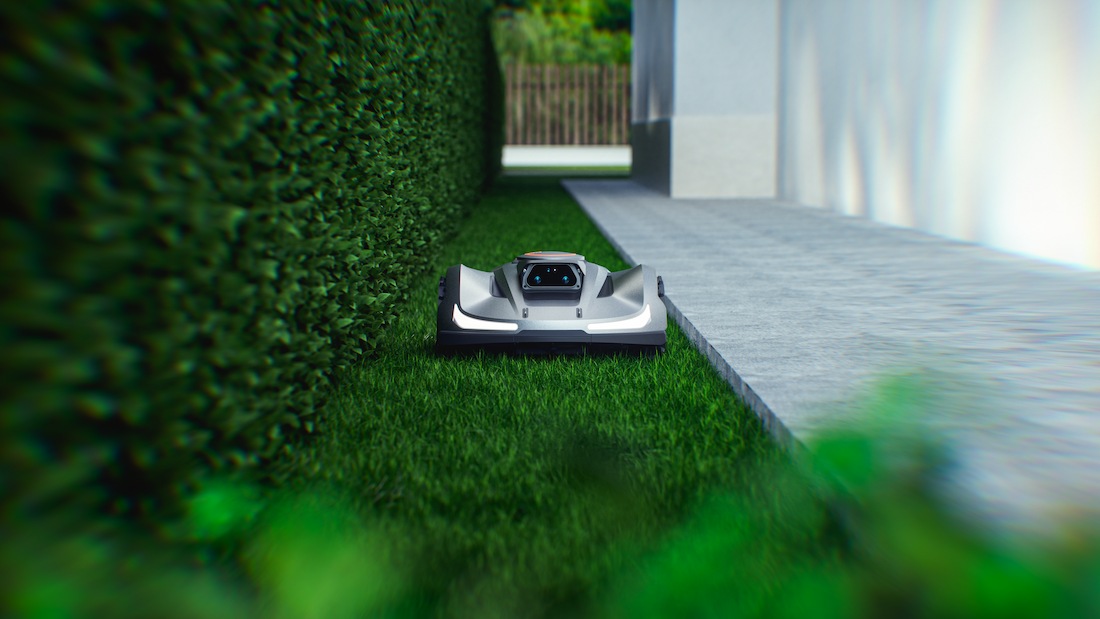
The Husqvarna Automower 450X EPOS uses satellite-based RTK technology to create precise, wire-free virtual boundaries, eliminating cable installation. Through the Automower® Connect app, you can control schedules, define work zones, and set temporary stay-out areas. Its systematic mowing patterns ensure even, consistent coverage, making it a strong option for homeowners searching for the best automated lawn mower for large, open lawns.
The Cub Cadet XT1 LT46 Riding Lawn Tractor is powered by a 725cc Kohler twin-cylinder engine for strong, reliable performance. Its 117-cm steel cutting deck offers multiple height settings, while the hydrostatic transmission ensures smooth, pedal-controlled operation. With enhanced steering, it provides tight turns for efficient mowing across larger lawns.
The Toro SmartStow Recycler 20340 Gas Push mower features SmartStow® vertical storage, reducing storage space by up to 70% without leaks. Its Personal Pace® system automatically matches your walking speed. The 163cc Briggs & Stratton engine with ReadyStart® technology requires no priming or choking, ensuring easy starting and low-maintenance performance.
What’s a good lawn mower? The answer comes down to finding the right balance between performance and convenience for your specific needs. You can also refer to the features and models introduced above to compare options and choose what best fits your lawn. If you are looking for a modern and reliable solution, the Sunseeker Elite range is a strong place to start. With these highly sophisticated robotic lawn mowers, you can upgrade your lawn care experience and enjoy a healthier lawn with less effort.
A lawn mower typically lasts between 8 and 15 years, depending on its type, usage, and maintenance. Gas-powered models often last around 8-10 years with proper care, while riding mowers can exceed 15 years. Battery-powered mowers may require battery replacement after several years, but the machine itself can last much longer with proper storage and upkeep.
Self-propelled lawn mowers are better for larger lawns or uneven terrain because they reduce physical effort and make mowing quicker. Push mowers are ideal for smaller, flat yards since they are lighter, more affordable, and easier to maneuver. The best choice depends on your lawn size and how much effort you are willing to put into mowing.
The best time to buy a lawn mower is typically in the fall, when retailers offer discounts to clear out seasonal inventory. Late October through winter often brings the lowest prices. While spring offers the newest models, prices are usually higher due to increased demand, so off-season purchases are the most cost-effective option.