

Buyer's Guide
6/18/2026
Contents
Products
Residential Lawns

Commercial Landscapes
Explore
Where to Buy


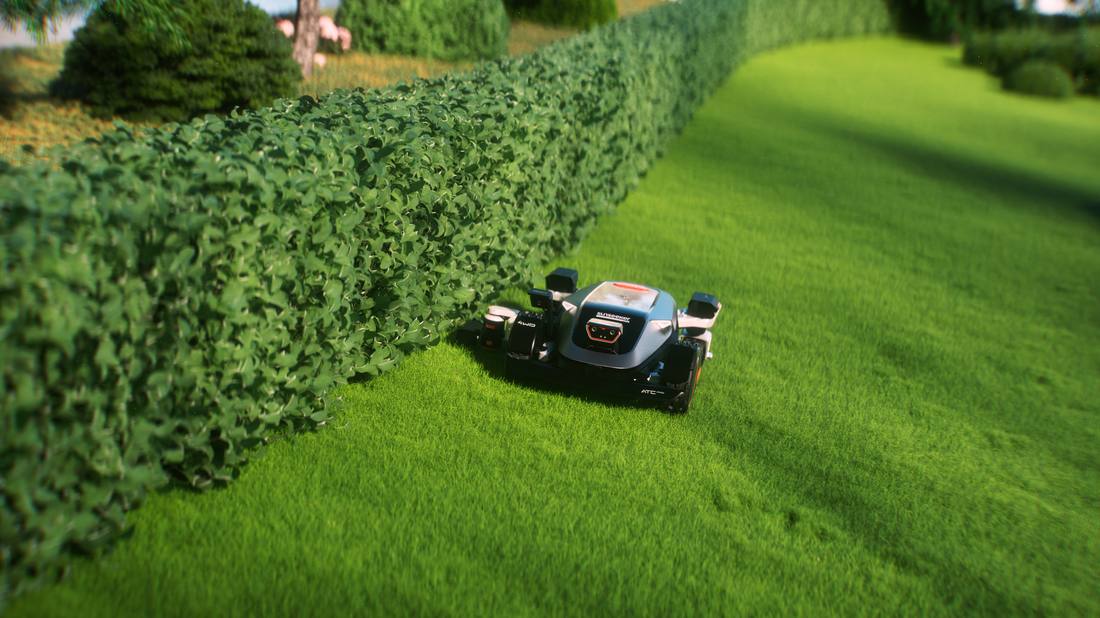
Automated lawn mowers have become genuinely practical for most residential yards. Wire-free navigation, AI obstacle detection, and app-based scheduling have removed the main barriers to adoption. Matching coverage area and terrain capability to your yard does most of the work when comparing models.
Choosing the best automated lawn mower for your yard comes down to two questions: how big is the lawn, and how demanding is the terrain? This guide covers the top six picks across every major use case, what to look for when comparing models, and an honest look at whether robot mowers are worth the investment.
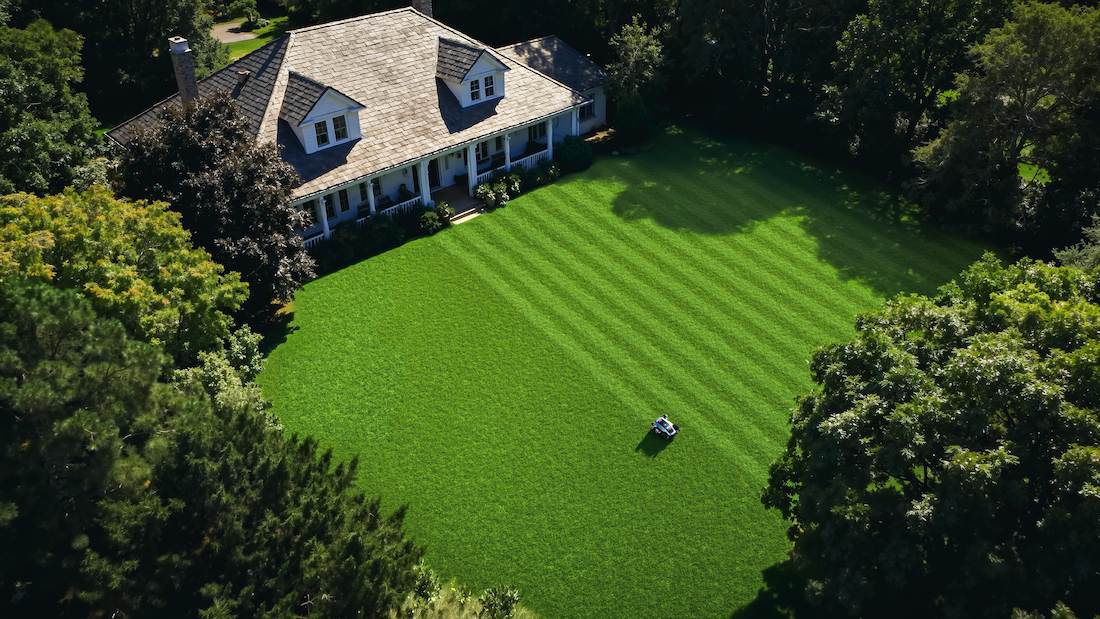
Each model has been selected based on verified specifications and real-world performance reputation. Here's how they break down by use case.
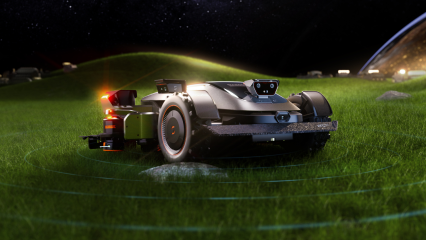
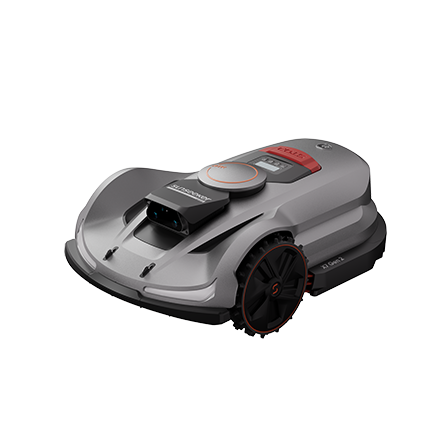
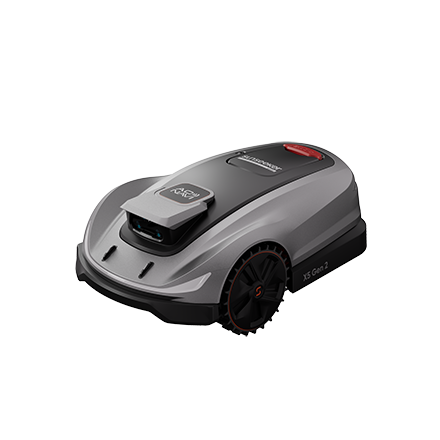
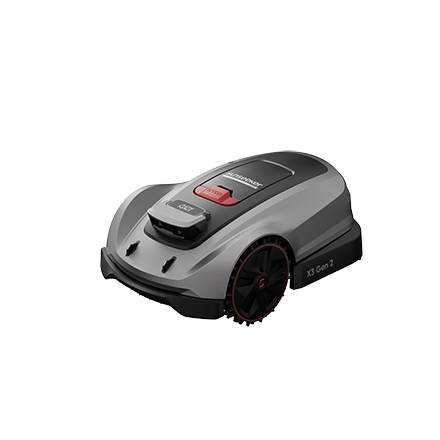
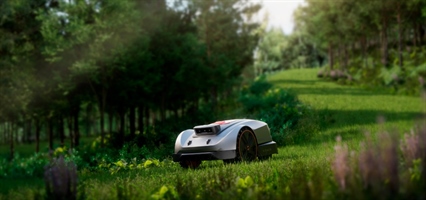
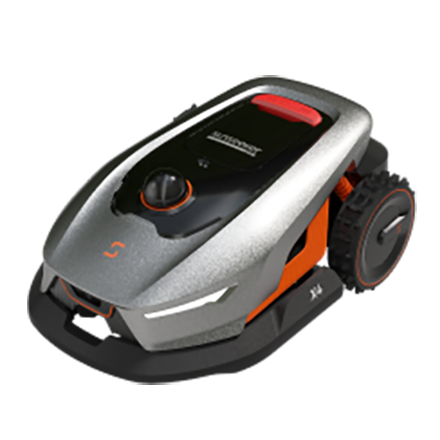
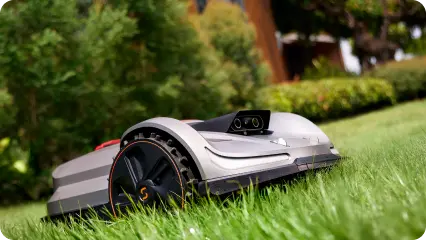
The most balanced pick for most residential yards. Wire-free setup means no boundary installation. The X5 maps the lawn automatically on its first run using AONavi™, which combines RTK satellite positioning with VSLAM 2.0 for accurate navigation even in shaded or signal-blocked areas. Vision AI detects and avoids obstacles day and night, and app-based scheduling lets it run on a timetable that fits your routine without any manual input. Covers up to 2,000 m². A strong best robo mower for homeowners who want a capable, low-setup wire-free experience on standard residential terrain.
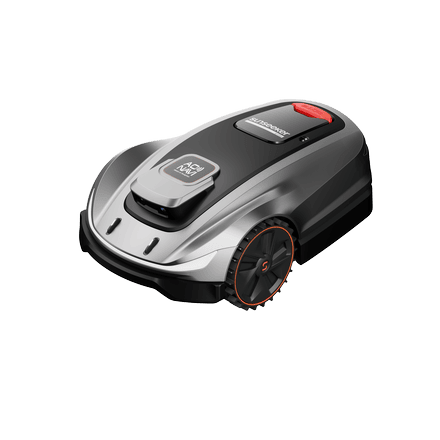
A compact wire-free option designed for yards up to 500 m². EFLS 2.0 combines RTK GPS and Visual SLAM for centimeter-level accuracy without a local antenna, and VisionFence AI obstacle detection recognizes over 150 object types. Operates at 58 dB(A), quiet enough for early morning or evening runs. Cutting height adjusts from 50–90 mm. IP66-rated for weather resistance. Starting at around €692, it's one of the most accessible wire-free robot mowers for compact, well-maintained yards.
Built on Husqvarna's 30-year Automower platform, the 430X NERA covers up to 3,200 m² with GPS-assisted navigation and optional wire-free EPOS installation. Object detection reduces unplanned stops, and Automower Zone Control lets you create multiple work areas and temporary stay-out zones from the app. Runs at 56 dB(A). Backed by Husqvarna's dealer network for servicing and warranty support. A reliable robot lawn mower best suited for medium-sized yards where long-term reliability and brand support matter.
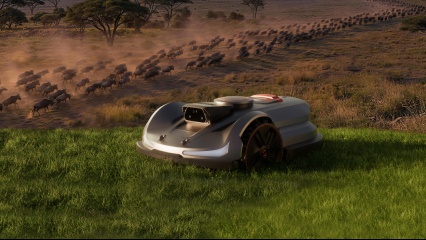
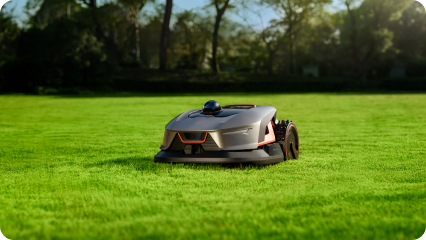
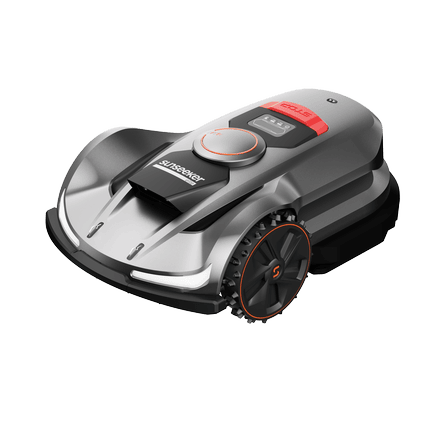
The Sunseeker Elite X7 Plus Gen 2 is a strong choice for homeowners looking for the best autonomous lawn mower for large or complex yards. The X7 Plus Gen 2 supports wire-free mapping for lawns up to 6000 m² and uses AONavi™ with RTK and VSLAM 2.0 for accurate navigation, even where signals can be blocked. Vision AI 2.0 helps detect obstacles during day or night mowing, while smart routing reduces random movement and improves efficiency. With all-terrain capability on selected models, it is designed for bigger lawns that need reliable, low-effort care.
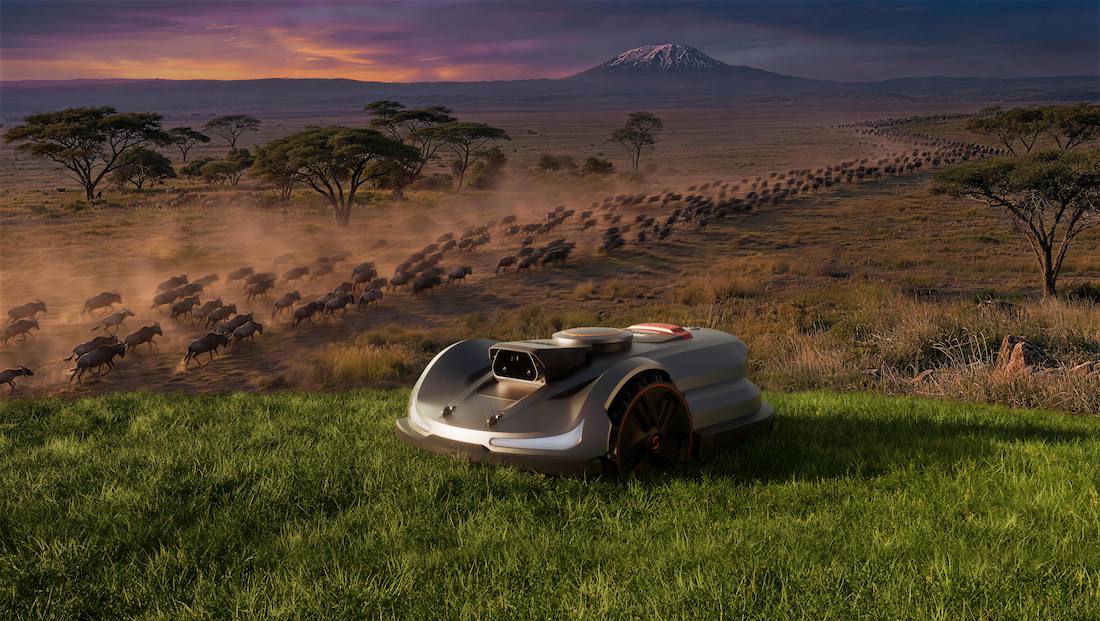
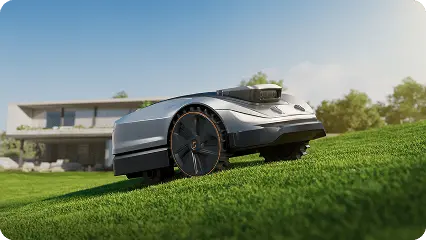
Built specifically for yards where traction and stability are the binding constraint. All-wheel drive with omnidirectional casters handles slopes up to 80% (38°), the highest consumer slope rating available, and maintains grip on wet, uneven, or rough ground where 2WD models stall or slide. RTK-GNSS and UltraSense AI Vision work together to keep navigation accurate even under dense tree cover where satellite signals weaken. Covers up to 5,000 m² with support for up to 30 mowing zones. For homeowners whose main challenge is terrain rather than coverage area, this is the most capable option on the market.
The most practical entry point for homeowners who want wire-free robot mowing without a premium price. RTK Cloud navigation delivers inch-level accuracy without a local antenna, and Vision AI with a high-resolution stereo camera automatically maps the lawn and avoids obstacles from day one. Cut-to-Zero module trims close to edges without additional manual work. Covers up to 4,000 m² with a cutting height range of 1.57 to 3.54 in (40–90 mm) and 30% slope capability. Rain sensor and IP54 weather resistance handle outdoor conditions.
|
Model |
Coverage |
Slope |
Navigation |
Best For |
|
Sunseeker Elite X5 |
2,000 m² |
Standard |
RTK + VSLAM 2.0 |
Best overall |
|
Segway Navimow i105N |
500 m² |
30% (17°) |
RTK + Visual SLAM |
Small yards |
|
Husqvarna 430X NERA |
3,200 m² |
50% (27°) |
GPS-assisted |
Medium yards |
|
Sunseeker Elite X7 Plus Gen 2 |
6,000 m² |
70% (35°) |
RTK + VSLAM + Vision AI |
Large yards |
|
Mammotion LUBA 2 AWD 5000 |
5,000 m² |
80% (38°) |
RTK + AI Vision |
Steep slopes |
|
Worx Landroid WR340 |
4,000 m² |
30% (17°) |
RTK Cloud + Vision AI |
Budget pick |
A few key factors narrow the field quickly once yard size is established.
For the right yard, yes. Recent models are considerably better than what was available even two years ago.
Wire-free navigation has improved to the point where most suburban yards with standard GPS visibility work well without the boundary wire installation that was previously required. AI obstacle detection has reduced the interruptions and stuck-mower issues that gave earlier models a mixed reputation.
The main trade-offs remain the same: upfront cost is higher than push or riding mowers, and performance drops on very thick or overgrown grass that exceeds the mower's cutting height range.
On the other hand, the frequent light-cutting approach that robot mowers use actually promotes healthier, denser grass over time. Fine clippings decompose quickly and return nutrients to the soil, which is a genuine advantage over weekly deep cuts.
For homeowners who want a consistently maintained lawn without spending time on it, the value proposition is strong. Setup is measured in hours, not days, and the ongoing effort is close to zero once the mower is running on a schedule.
A robot lawn mower that fits your yard's size and terrain requirements will handle regular cutting reliably, adjust to weather conditions automatically, and return to its charging station without any manual input. The question isn't really whether they work. It's whether the upfront investment makes sense for your situation.
Matching coverage area and slope capability to your lawn does most of the work when choosing an automated mower. For standard suburban yards, a wire-free model with solid AI navigation covers the basics reliably. Larger or more complex properties benefit from AWD traction and higher slope ratings. Budget-conscious buyers can now access genuine wire-free technology without paying a premium price. Across all categories, the best robo mower is the one sized and spec'd to your actual lawn rather than the most feature-rich option on the market.
The best automatic lawn mower depends on your lawn size, slope, and layout. A good model should offer wire-free navigation, obstacle avoidance, app scheduling, and multi-zone management. The Sunseeker Elite X7 Plus Gen 2 is a strong option, with AONavi™ 2.0, Vision AI 2.0, intelligent route planning, and models for lawns up to 6000 m².
The main trade-offs are upfront cost, limited cutting height range compared to rotary mowers, and performance constraints in very thick or tall grass. Most robot mowers work best on regularly maintained turf rather than overgrown lawns. Wire-free models with RTK navigation can also struggle in yards with heavy tree canopy that blocks satellite signals, though VSLAM and LiDAR fusion helps compensate in signal-weak areas.
The motor and chassis of a quality robot mower typically last 8–10 years with normal care. The main consumables are the cutting blades, which need replacement every 1–3 months depending on lawn size and grass type, and the battery pack, which generally degrades noticeably after 300–500 charge cycles, roughly 3–5 years of regular use. Most manufacturers offer replacement battery packs, which extend the mower's usable life significantly.