


Buyer's Guide
6/13/2026
Contents
Products
Residential Lawns

Commercial Landscapes
Explore
Where to Buy


Most suburban yards fall into a size range where battery-powered mowers handle the job cleanly and quietly. Gas still has its place for larger or more demanding properties, and robotic mowers have matured enough to be a serious option for homeowners who want lawn care taken off their plate entirely.
Picking the right best lawn mower for your yard matters more than most people expect. The wrong type can mean exhausting mowing sessions, patchy results, or equipment that can't handle your terrain. The right one makes the whole job noticeably easier. With so many types on the market, from battery push mowers to fully autonomous robots, narrowing down the options can feel overwhelming. This guide covers the main mower types, what each does best, specific recommendations for different needs, and the features worth paying attention to before buying.
Not every mower suits every yard, and choosing the wrong type means fighting the machine instead of just cutting the grass. Here's a quick overview of what's available and where each type works best.
|
Type |
Power Source |
Best Yard Size |
Key Advantage |
|
Push mower |
Battery or corded |
Up to 1,000 m² |
Lightweight, low cost |
|
Self-propelled |
Battery or gas |
1,000–2,000 m² |
Less physical effort |
|
Riding mower |
Gas or electric |
2,000 m²+ |
Speed and comfort on large areas |
|
Robotic mower |
Battery (auto-charge) |
Varies by model |
Fully autonomous, zero effort |
The right starting point is yard size. Push and self-propelled mowers cover most suburban lawns well. Once the area goes beyond half an 2,000 m² or the terrain gets complex, riding or robotic options become more practical. Among the best lawn mower brands, you'll find strong options across all these categories at different price points.
Every yard has a different set of demands, so the best lawn mower for one homeowner may not suit another. The picks below match specific use cases to keep the choice straightforward.
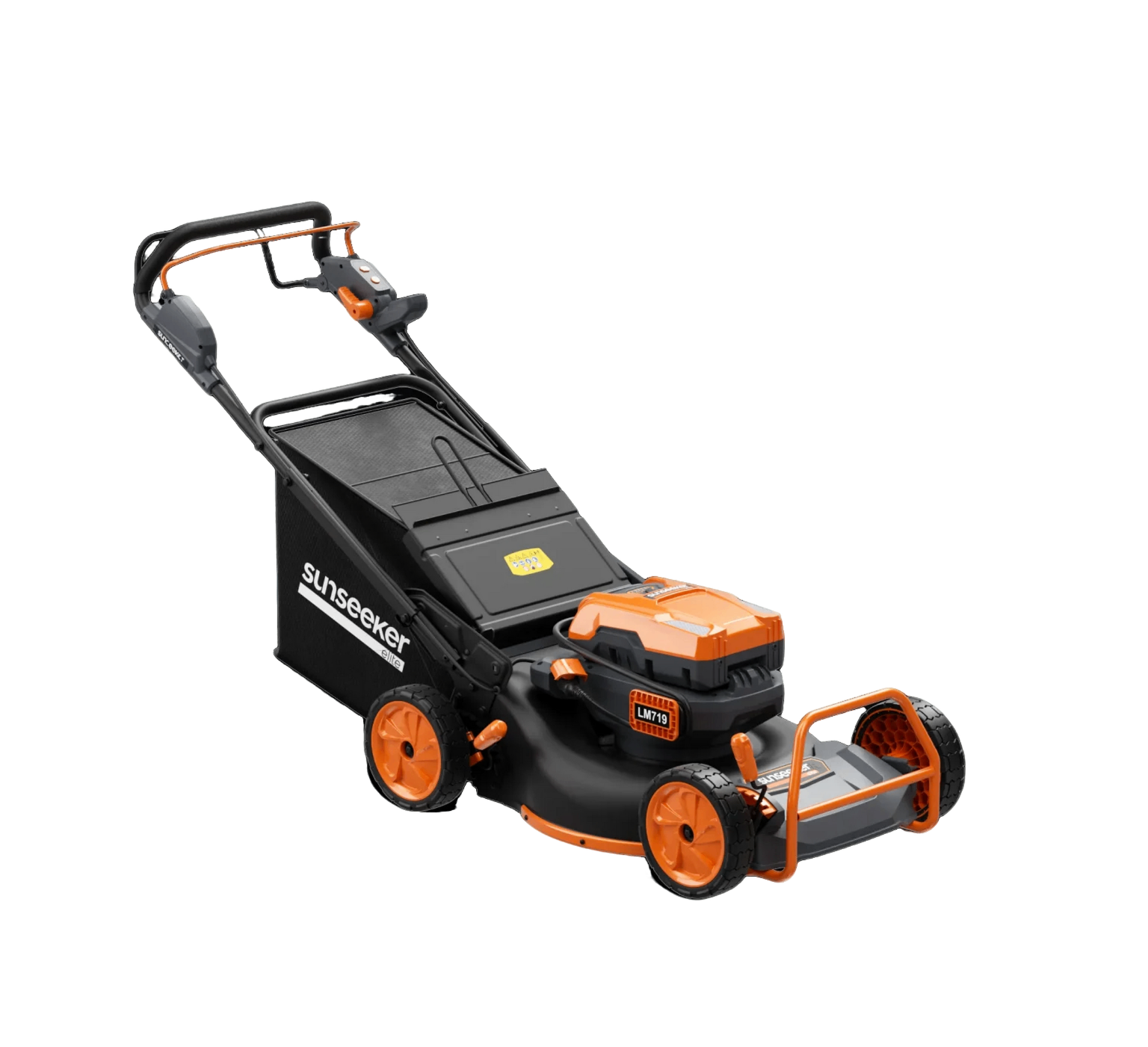
For homeowners who want gas-level cutting performance without the engine maintenance, the Sunseeker Elite LM719 is a strong option. It runs on a 60V Commercial platform with a dual-blade system and a 56 cm steel deck, which handles dense or tall grass without bogging down. The 3-in-1 functionality covers mulching, rear discharge, and bagging, and seven cutting heisght positions 2.5–9 cm give it real flexibility across different lawn conditions.
A reliable option for flat yards up to 1,000 m², the Greenworks 40V 51-cm Cordless Push Mower is lightweight, quiet, and handles standard residential turf cleanly on a single charge. A good fit for homeowners who want a good lawn mower and a best budget lawn mower without overspending on features they won't use.
The EGO Power+ LM2135SP handles yards up to 2,000 m² with a 56V platform and a 53 cm cutting deck. The self-propelled drive reduces fatigue on longer sessions or uneven ground, and the variable speed control lets you set the pace. It's one of the more capable mower recommendations in the battery-powered self-propelled category.
A durable gas-powered option, the Husqvarna TS 354XD comes with a 137 cm cutting deck and hydrostatic transmission for smooth speed control, suiting properties over 4,000 m² where covering ground efficiently is the priority. Riding mowers involve more upfront cost and storage space, so they're worth it mainly when yard size genuinely justifies the investment.
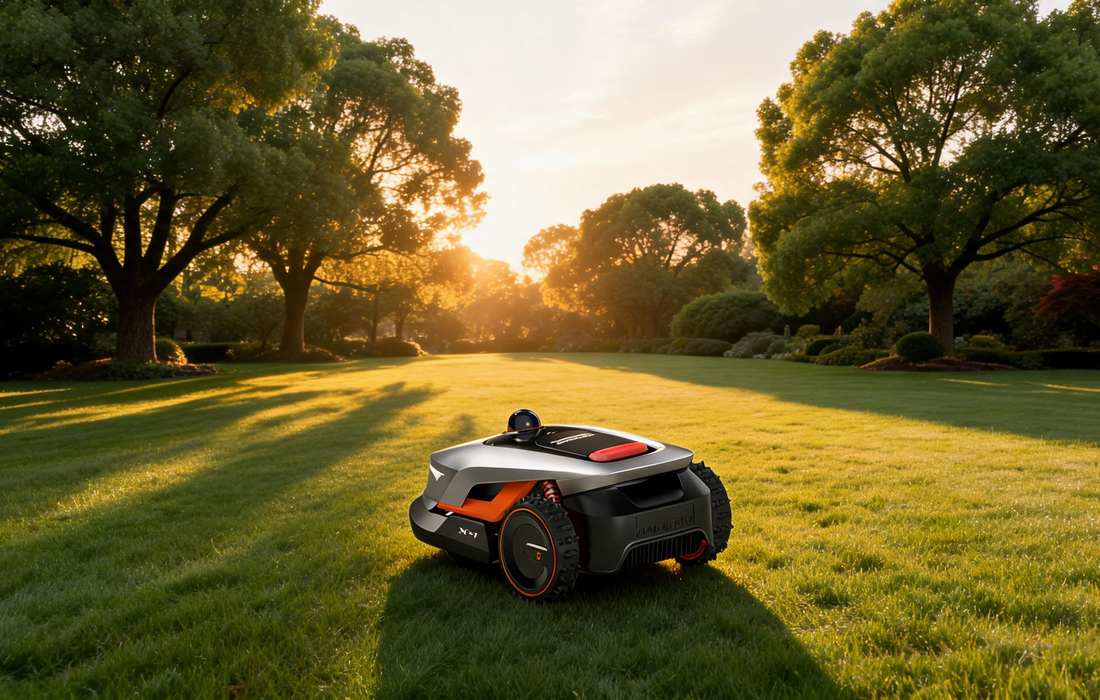
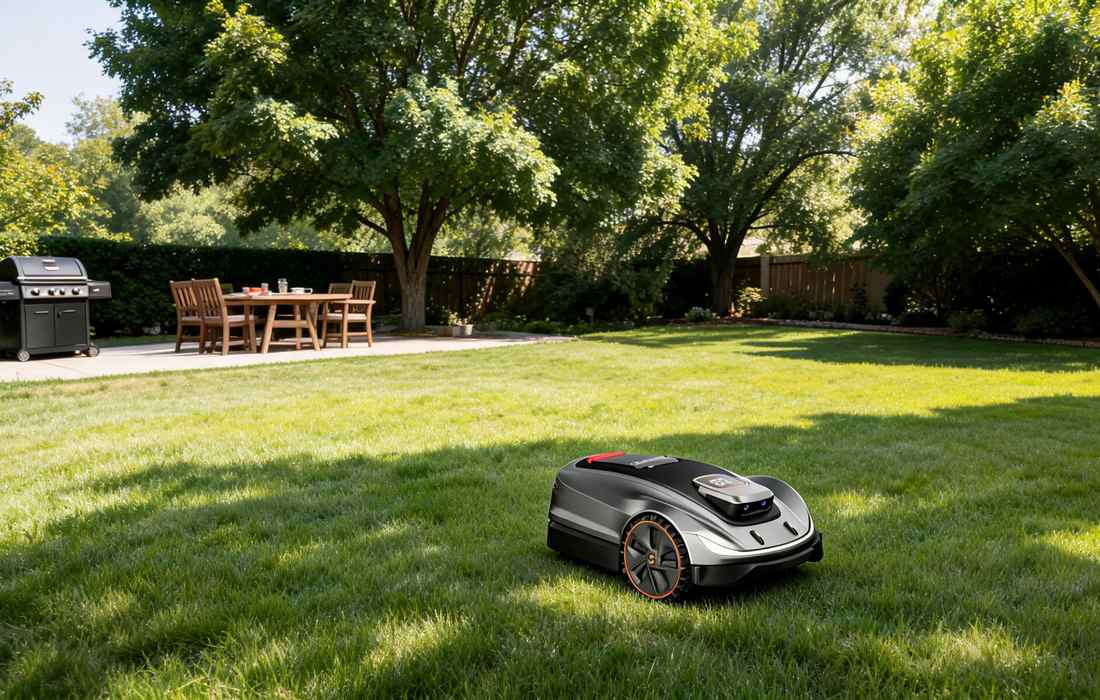
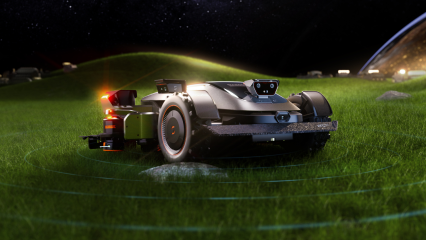
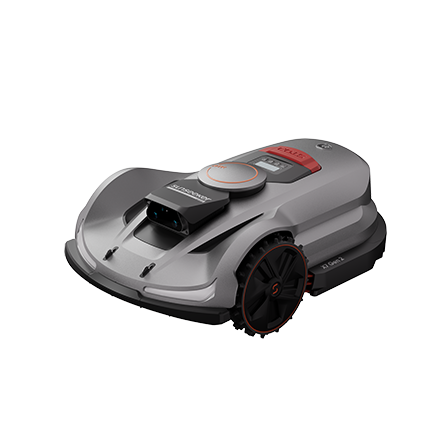
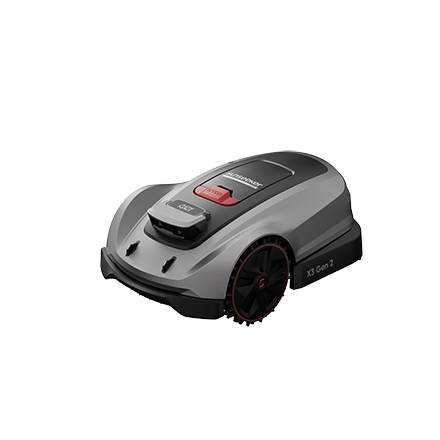
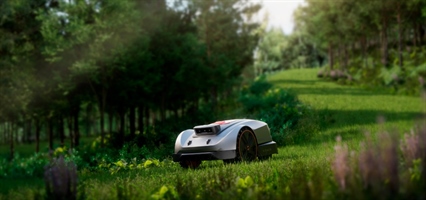
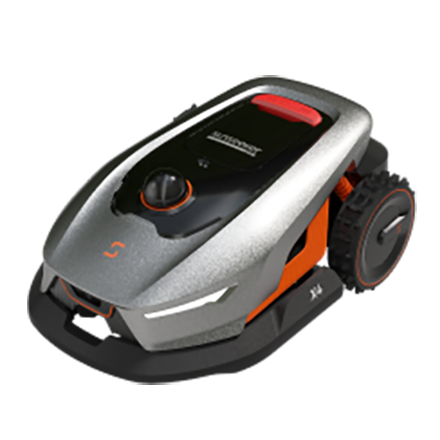
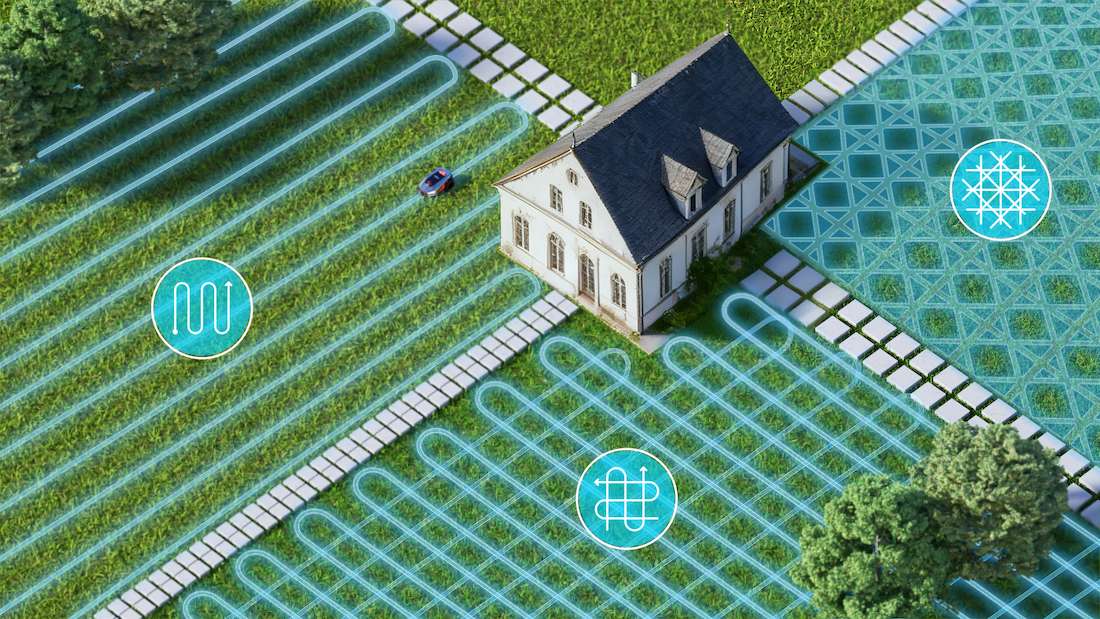
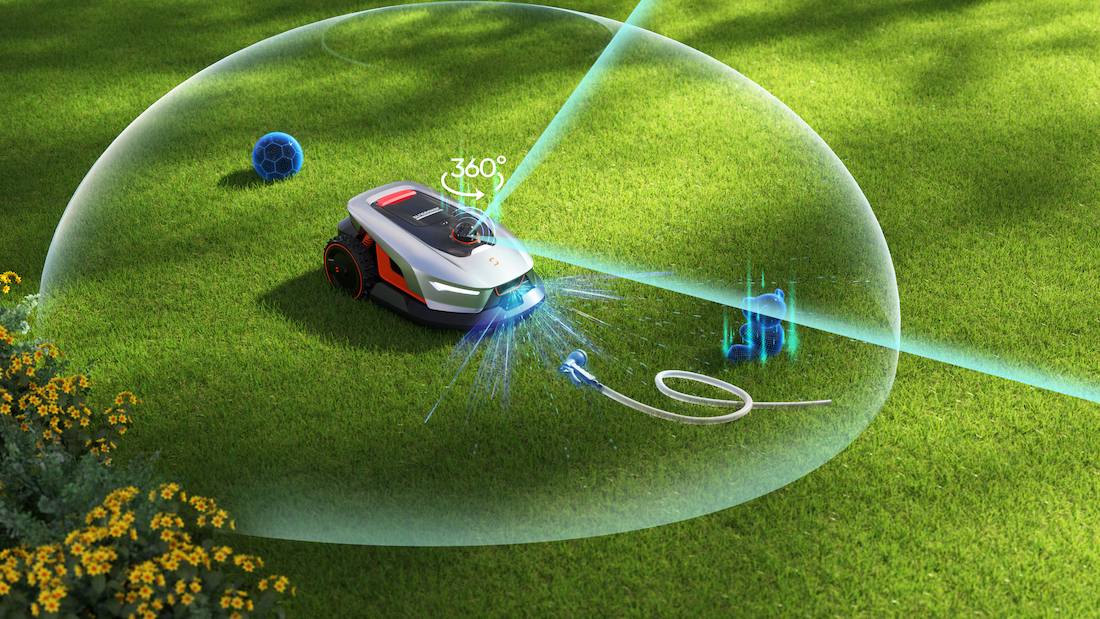
One of the more capable robotic mowers available, Sunseeker Elite X4 uses a 360° 3D LiDAR and Vision AI dual fusion sensing system to map the yard automatically and plan efficient mowing routes without boundary wires or antenna stations. The 10 TOPS AI chip processes obstacles in real time, covering floating objects, low-profile items, and moving targets day or night. It handles slopes up to 45% (24°) and manages multi-zone layouts through the Sunseeker app, making it a practical choice for complex or larger properties that benefit from fully autonomous mowing.
A small grass mower in the 40V battery range is usually enough for yards under 185 m², and this is a solid best small lawn mower pick that's compact, easy to store, and handles tight spaces well. It's also a practical best budget lawn mower for homeowners who need reliable basic performance without a premium price tag.
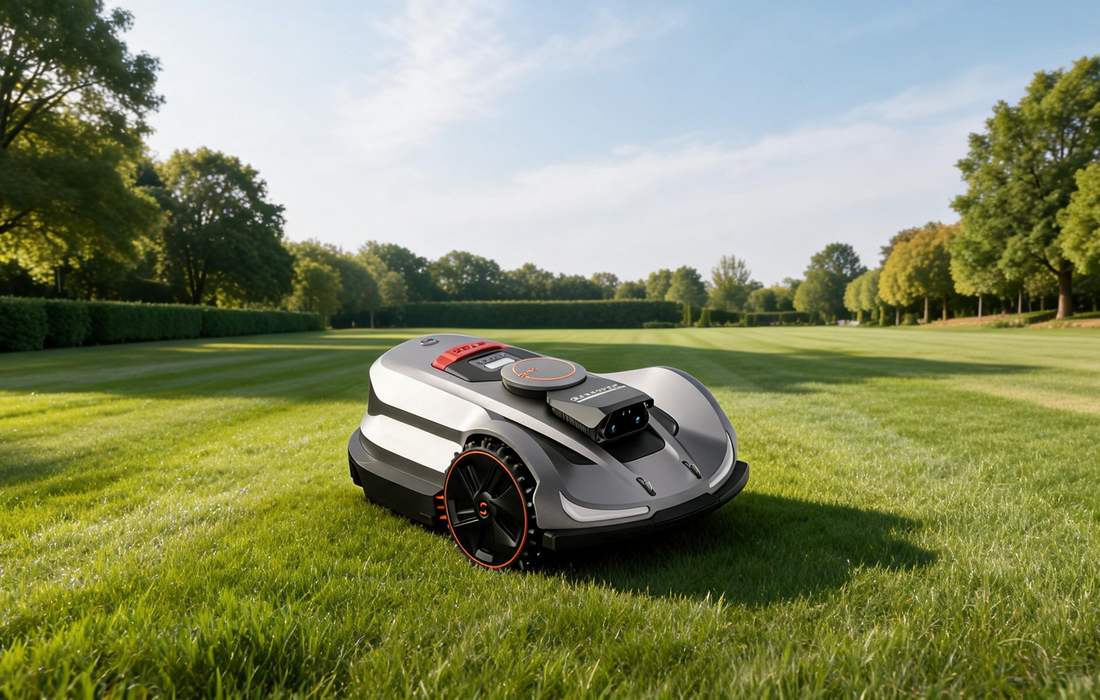
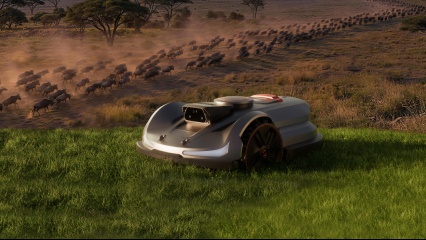
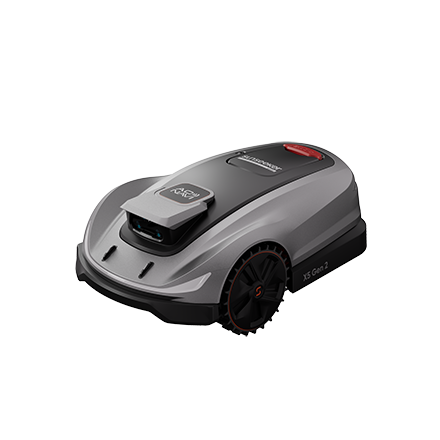
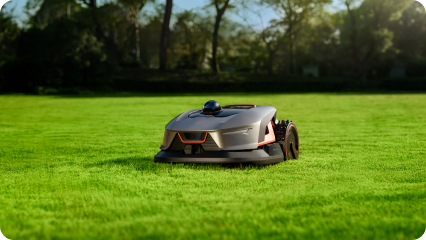
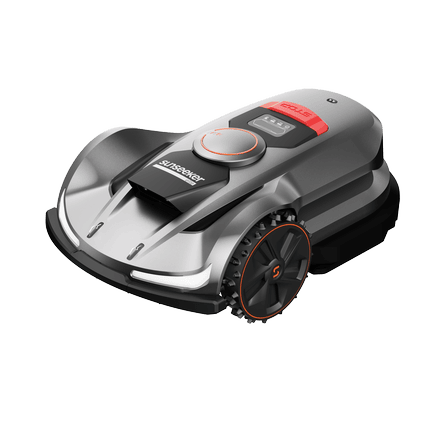
Large yards benefit most from mowers that can cover ground without frequent recharging or refueling stops. For properties over 4,000 m², the Sunseeker Elite X7 / X7 Plus is worth considering. It covers up to 12,000 m² autonomously with AONavi™ wire-free navigation, handles slopes up to 70% (35°) with AWD, and detects over 200 types of obstacles with Vision AI. For homeowners who want to browse the full range of autonomous options, Sunseeker Elite's robot lawn mower lineup covers a range of yard sizes with smart scheduling and multi-zone management.
Once the mower type is narrowed down, a few specific features have the most impact on day-to-day usability.
Mowing is a routine task, but a few basic habits reduce the risk of injury or equipment damage worth keeping in mind.
The best lawn mower comes down to matching the right type to your yard's actual demands. Battery push and self-propelled mowers handle most suburban lawns well and keep ongoing costs low. For anyone looking for a cheapest and best lawn mower option, a 40V battery push mower covers most flat suburban yards without overspending. A lawn mower best cheap or best inexpensive mower pick in this range still delivers clean, consistent cuts on maintained turf. Riding mowers make sense once yard size grows beyond what's comfortable to push. Robotic mowers offer a genuinely hands-off experience for homeowners who'd rather not spend weekend time on lawn maintenance. Whichever category fits your situation, cutting width, battery capacity, and height adjustment range are the specs that make the most practical difference in regular use.
The best lawn mower is the one that matches your yard size, terrain, and how much time you want to spend on maintenance. Battery push mowers work well for most flat suburban lots. Self-propelled models reduce effort on larger or hillier yards. Robotic mowers are the top choice for hands-off lawn care. No single model suits every situation, so yard size and lifestyle are the most reliable starting points.
Gas-powered mowers tend to have the longest mechanical lifespan, often 10–15 years with regular maintenance. Battery electric mowers typically last 8–10 years, with battery packs needing replacement after 3–5 years of regular use. Robotic mowers are newer in the market, but quality models are built for multi-year outdoor use. Consistent maintenance, especially blade care and proper storage, extends the life of any type.
It depends on yard size and how much effort you want to put in. Battery push or self-propelled mowers suit most yards under 2,000 m². Riding mowers are more practical beyond that. Robotic mowers are the lowest-effort option for any yard size, running on a schedule without requiring manual operation. There's no single best type, only the best fit for your specific situation.
Robotic mowers require the least ongoing maintenance. They charge automatically, mow on a set schedule, and skip the engine servicing that gas models need. Battery electric mowers are the next lowest-maintenance option, with no oil changes or spark plugs to worry about. The main consumable on both types is the blade, which needs occasional replacement depending on usage frequency and lawn conditions.