


Buyer's Guide
6/18/2026
Contents
Products
Residential Lawns




Commercial Landscapes
Explore
Where to Buy


A mulching mower cuts grass clippings into fine pieces and returns them to the lawn. This helps recycle nutrients, reduces yard waste, and saves cleanup time. Your lawn size, mowing habits, grass conditions, and the like are key factors to find the best mulching mower. And using it properly keeps your grass green and reduces your overall yard chores.
How can we deal with grass clippings without collecting them? It is where a mulching mower comes in handy. It turns clippings into fine particles and returns them to the turf. This process helps recycle nutrients, reduces yard waste, and cuts down on cleanup time. In this guide, you’ll learn how mulching lawn mowers work, when they make sense, how they compare with other common mowing methods, and how to use them effectively. Let’s get started!
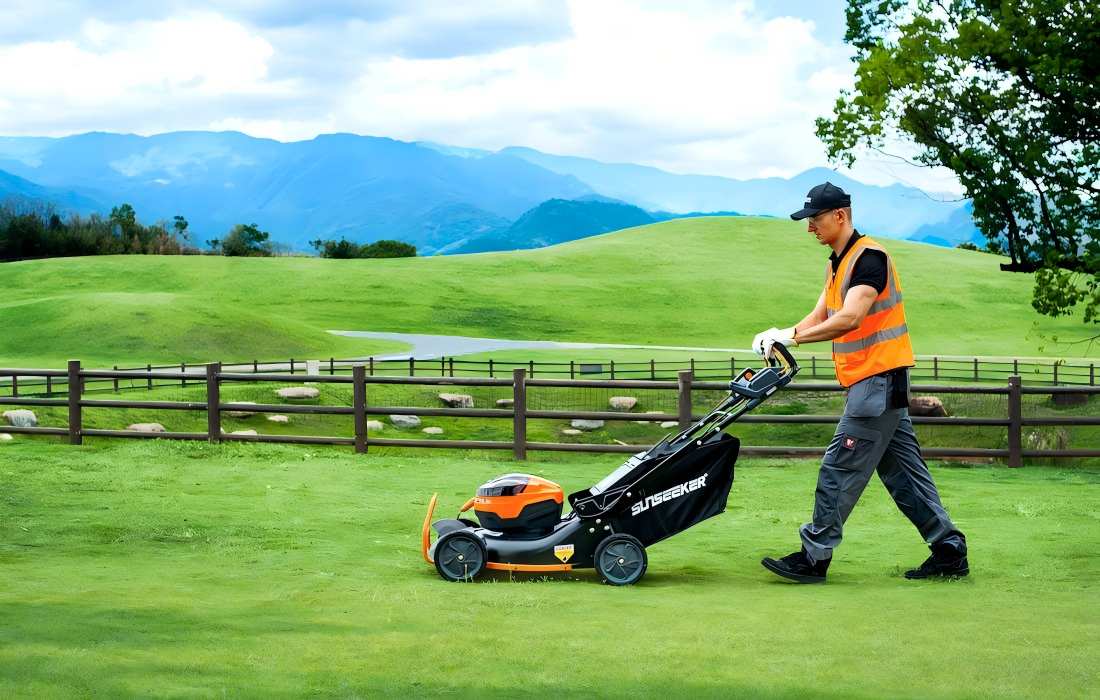
As the name suggests, a mulching mower cuts grass clippings into small pieces and redistributes them onto the lawn. The small particles settle between grass blades and decompose quickly. As they break down, they release nutrients such as nitrogen back into the soil. It serves as an organic, cost-free fertilization system that supports a healthier lawn ecosystem.
The deck structure and blade design are what make a mulching lawn mower different from standard models. Instead of an open discharge chute, a mulching model uses a fully enclosed deck. This restricts airflow and creates a localized vacuum. The blades usually feature a curved design with multiple cutting edges. As the machine moves, the blade shape generates a powerful updraft to keep the grass clippings suspended in the air. The process repeats until the pieces become small enough. Then, the downward airflow forces them deep into the lawn. This process reduces the need for bagging while effectively returning organic material.
A lawn mower mulcher is a practical choice for homeowners who mow frequently and want a simpler lawn maintenance routine. However, it also has specific limitations. Below is a summary for your information.
Advantages
Limitations
Mulching, bagging, and side discharge are the 3 main methods to deal with grass clippings. Each mowing method serves a different purpose. On dry lawns where nutrient recycling is the priority, mulching should come first. Bagging works best when the grass is overgrown, diseased, or full of weed seeds that should not spread. For large, rough acreage with thick grass, side discharging is highly recommended. You can check the comparison table below.
|
Feature |
Mulching |
Bagging |
Side Discharge |
|
Lawn Types |
Frequently maintained, dry turf |
Overgrown, weedy, or damp lawns |
Rough terrain, orchards, tall fields |
|
Time Efficiency |
High (Continuous mowing, no stops) |
Low (Frequent stops to empty bags) |
High (Fast ground coverage) |
|
Waste Output |
Zero waste generated |
High volume of organic waste bags |
Zero waste, but requires raking |
|
Nutrient Recycling |
Excellent (Returns 25% of lawn nutrients) |
None (Nutrients removed entirely) |
Poor (Clippings clump on surface) |
|
Clean Appearance |
Clean (Clippings hide in root layer) |
Cleanest (All surface debris removed) |
Messy (Leaves visible in rows of grass) |
You can find mulching mowers for nearly every lawn size and budget. The following models stand out for their value, performance, and usability.
The Toro 60V Max Super Recycler combines strong mulching performance with the convenience of battery power. Its Super Recycler cutting system is designed specifically for fine clipping processing and consistent nutrient return. The mower also includes variable-speed self-propelled operation, LED headlights for low-light mowing, and Toro’s Personal Pace system that adjusts to the user's walking speed. It is a top choice for reliable mulching without the maintenance requirements of a gas engine.
This front-wheel-drive gas mower offers solid value for those seeking effective mulching on a budget. The 159cc engine provides consistent power to keep the blades spinning fast enough for clean mulching. Its 53-cm deck includes a dual-lever height adjustment system and a standard mulch plug that seals the deck efficiently. As a 3-in-1 design, it supports mulching, bagging, and side discharge. You can switch mowing methods as lawn conditions change.
By cutting out self-propelled motors, this lightweight machine remains easy to control and maneuver along precise landscape edges and tight garden borders. It features a high-efficiency brushless motor and is powered by dual 20V Power Share PRO batteries. Therefore, you can enjoy gas-like torque to sustain high blade speeds through thick turf. The 53-cm steel cutting deck is shaped to maximize internal airflow. This helps lift and recycle clippings repeatedly for clean, clump-free mulching.
Large properties often benefit from a mulching riding mower. This zero-turn model uses brushless motors powered by 80V lithium batteries, and can handle up to 12000 m² per charge. When fitted with the optional Ryobi mulching kit, the 107-cm steel deck turns heavy grass into fine nutrients. The lap-bar steering and high blade speed offer quick cutting without the noise, maintenance, or fumes of a gas tractor.
Small urban yards require agility rather than massive cutting decks. This 43-cm Greenworks mulching mower is highly maneuverable around tight landscape beds. The cordless design eliminates fuel storage and engine maintenance, while the brushless motor helps maximize battery efficiency. Lightweight construction also makes it easier to transport and store. It is an effective mulching solution for smaller properties where convenience is a priority.
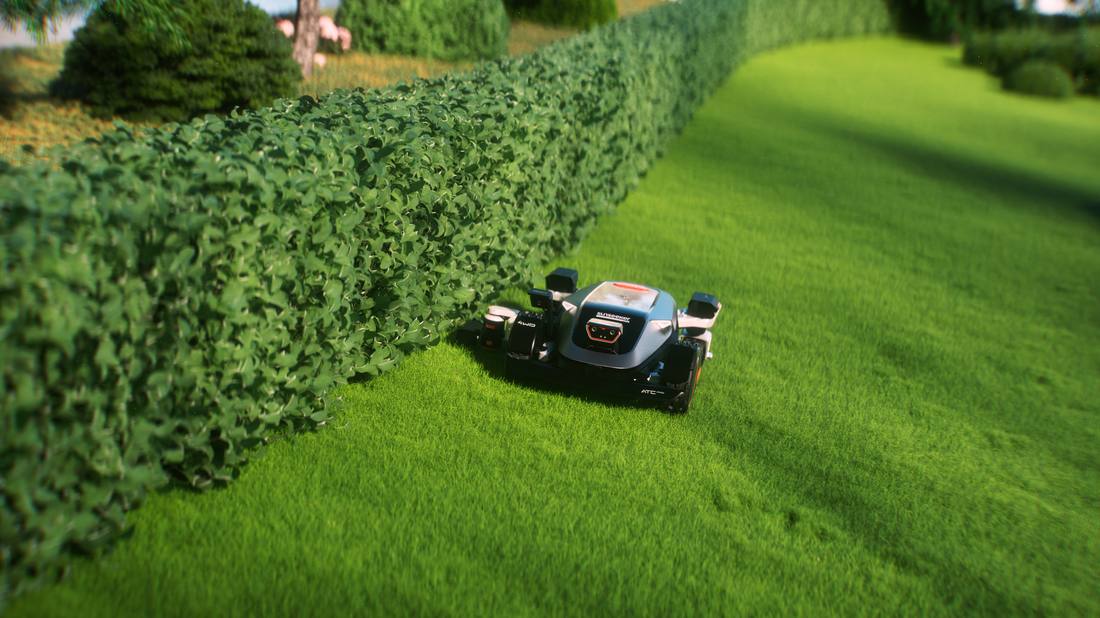
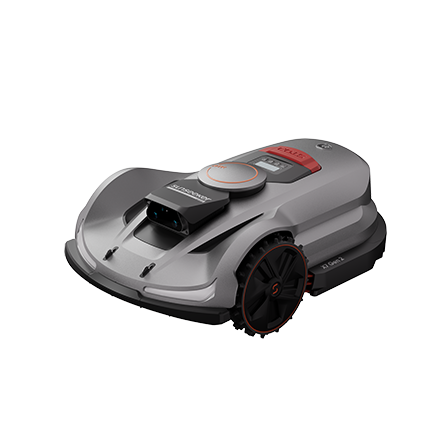
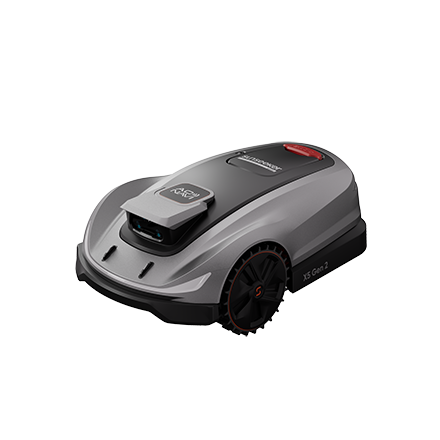
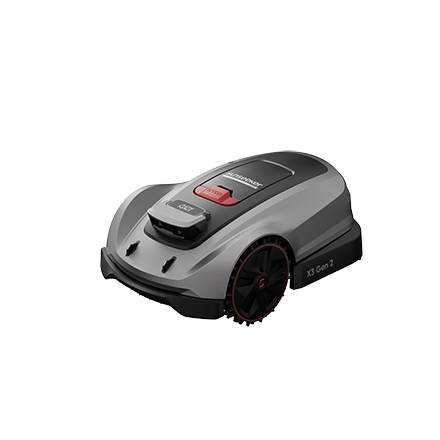
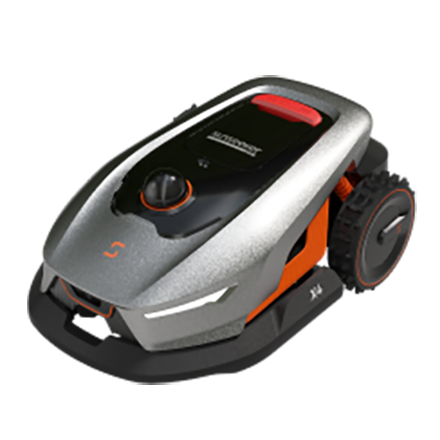
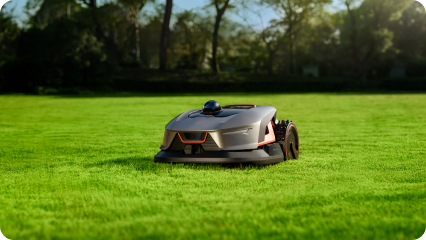
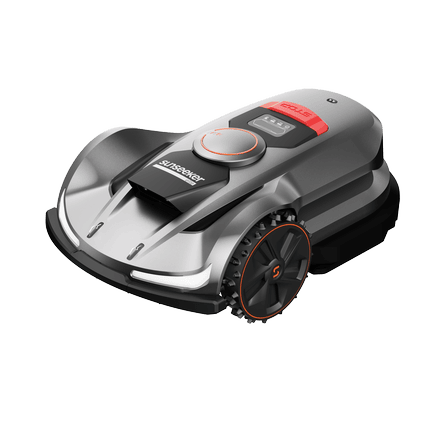
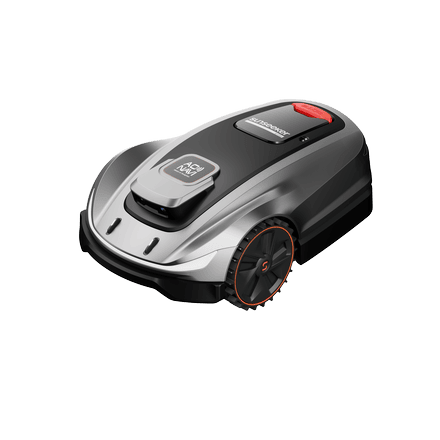
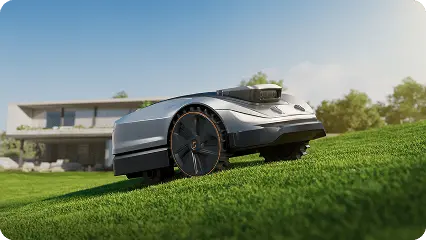
Traditional mulching lawn mowers still require manual operation. If your goal is to automate your lawn care, a robot lawn mower alters the mulching process entirely. For instance, an autonomous model like the Sunseeker Elite X5 operates on a frequent, pre-set schedule. This consistent process feeds the turf root layer without accumulating heavy surface thatch.
Besides, the operation requires no manual oversight. You can manage mowing windows, adjust cutting heights, and track progress through a mobile app or smart voice commands. When the battery runs low, the unit automatically returns to its docking station. Powered by the AONavi™ navigation system, the X5 systematically maps around yard obstacles to ensure total, precise coverage. The result is a lawn care system that combines mulching benefits with largely automated maintenance experience.

Selecting the right machine requires matching the mower’s technical features to the lawn size and layout. Below are factors worth considering.
Simply buying a good mulching mower does not guarantee good results. Proper operation is required to keep the lawn looking clean and healthy.
1. Follow the One-Third Rule: Removing too much grass overloads the deck and will lead to clumping and weak airflow. Never cut off more than one-third of the total grass height during a single mowing session.
2. Mow Dry Grass: Wet grass sticks together and clings to the inside of the mower deck. Mow in the late afternoon when the lawn is completely dry to ensure clean shredding.
3. Keep Blades Sharp: Dull blades tear the grass instead of cutting it cleanly. Torn grass turns brown at the tips and requires more motor power to chop, so sharpen the blades at least twice per season.
4. Clean the Under-Deck Area: Grass residue builds up inside the deck over time, disrupting the vacuum effect needed for mulching. Scrape the deck clean regularly to maintain proper airflow.
5. Adjust Mower Speed: When walking through thick or tall grass patches, slow down your walking speed. This gives the blades more time to process and chop the higher volume of clippings.
A mulching mower offers more than simple grass cutting. It returns finely chopped clippings to the lawn, helping recycle nutrients, reduce yard waste, and simplify cleanup. While there are multiple mulching lawn mowers to choose from, a robotic model like Sunseeker Elite X5 is a first choice if you prioritize efficiency and minimal labor. Buy one to experience its consistent hands-free mowing performance!
Yes, slowing down your walking speed is necessary when mulching thick or tall grass. A mulching deck keeps clippings enclosed to cut them multiple times. Moving too fast forward overloads the blade chamber with fresh grass before the previous clippings can be fully shredded, resulting in large clumps.
Mulching is a mower setting or design feature that seals the deck to prevent grass from escaping. The mower uses specialized curved blades to lift clippings into an internal vortex, chopping them into tiny pieces that fall into the soil to act as a natural fertilizer.
A standard lawn mower primarily cuts grass and may discharge or collect clippings. A mulcher, or mulching mower, is designed to repeatedly cut clippings into smaller pieces before redistributing them onto the lawn. The main difference lies in how the machine handles grass after it is cut.